







How Do Growing Conditions for Coffee Shape Blue Mountain Flavor?
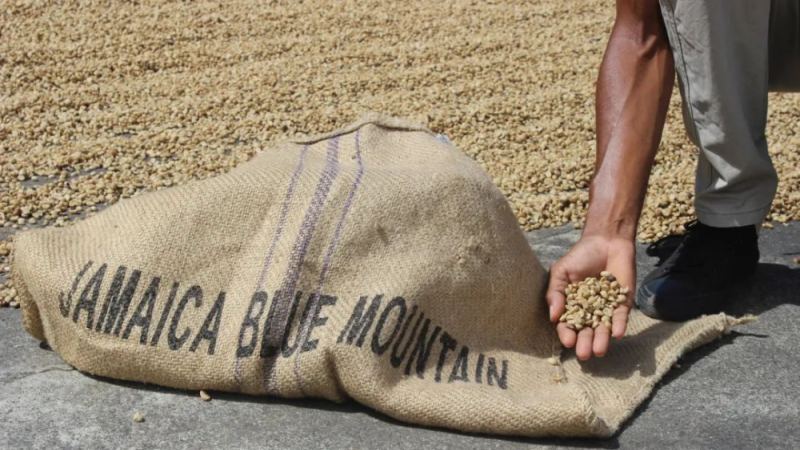
Jamaican Blue Mountain coffee is grown on the island's high slopes, where altitude, mild afternoon cloud cover, steady sunlight and mineral-rich soil give the trees the growing conditions for coffee that slow cherry ripening. Only three points reliably separate genuine Blue Mountain: green beans shipped in wooden barrels, a very balanced and rich flavor, and beans curved at both ends like a little boat.
Clifton Mount Estate has farmed this land since around 1750 and is the oldest still-working coffee site in Jamaica, holding Rainforest Alliance certification. Its small, high plots extend cherry ripening time, which supports the balanced cup. Grading runs to Blue Mountain No. 1, and brewing covers espresso, pour-over, siphon, AeroPress, French press, cold drip and Japanese iced pour-over.
Jamaican Blue Mountain coffee is world-famous for its balanced and elegant flavor, but truly understanding it and brewing it well requires a systematic understanding from growing region and grading to extraction methods. This article, from the perspective of FrontStreet Coffee, sorts out the geographical conditions of Blue Mountain coffee, the historical status of Clifton Mount Estate, the two processing paths of washed and natural, and the grading standards of Blue Mountain No. 1, and provides roasting ideas and seven practical brewing methods—covering espresso, pour-over, siphon, AeroPress, French press, cold drip, and Japanese iced pour-over. Whether you want to distinguish authenticity or brew the ideal flavor from the Blue Mountain beans in your hands, this guide can provide a clear reference.
For more specialty coffee knowledge, please follow the WeChat official account: FrontStreet Coffee
FrontStreet Coffee believes that even friends who have not had much exposure to coffee must have heard of the fame of Hacienda La Esmeralda's Geisha. In Jamaica, there is an ancient coffee estate—Clifton Mount Estate—and FrontStreet Coffee believes its status is equivalent to that of Hacienda La Esmeralda in Panama. Clifton Mount Estate is the oldest coffee-producing site in Jamaica that is still operating normally, and only Clifton Farm in Jamaica has the "Rainforest Alliance" certification mark. FrontStreet Coffee often encounters customers asking how to distinguish genuine Jamaican Blue Mountain, and in fact only three key points are needed: Jamaica is the only producing region that uses wooden barrels to pack green beans; authentic Blue Mountain shows a very balanced and rich flavor; and the green beans have both ends curved upward, shaped like a little boat.
Clifton Farm
As early as the mid-eighteenth century (around 1750), Clifton Farm had already begun planting and producing coffee. Today's Clifton Farm is the largest estate in the region, but by international standards it is still small-scale cultivation. Many estate owners are small landholders, and the Sharp family has cultivated this land for two centuries. Here there is sufficient altitude, mild afternoon cloud cover shading the mountain forests, ample sunlight, and mineral-rich planting soil, providing good growing conditions for coffee trees and also extending the ripening time of the coffee cherries.
Geographical Conditions
Jamaica is an island country located in the Caribbean Sea. Jamaica's Blue Mountain is the highest mountain in the western Caribbean (2,256 meters above sea level). The unique flavor of Jamaican Blue Mountain coffee is inseparable from Blue Mountain's unique geographical location and climatic conditions. Blue Mountain is located in the coffee belt at 25 degrees north latitude, with fertile new volcanic soil, fresh air, no pollution, year-round rain, high humidity, and large temperature differences between day and night. It has soil rich in nitrogen and phosphorus, very suitable for coffee growth; fertile volcanic soil, regular rainfall, and the island's misty cloud cover keep it away from the scorching sun. Only when all these factors are combined is Blue Mountain coffee created.
The annual harvest period for Jamaican Blue Mountain coffee is from June to November, and it is generally harvested by hand. Because the coffee trees all grow on rugged mountain slopes, the picking process is very difficult, and without skilled local female workers it simply cannot be done. When picking, choosing coffee beans at just the right ripeness is very important; underripe or overripe beans will both affect coffee quality.
Blue Mountain Processing Methods
Jamaican Blue Mountain used to be only washed processing, using washing and fermentation methods to remove the skin, pulp, and mucilage. During processing, the skin and pulp are first removed, then it is allowed to ferment for 12–18 hours. After that, the fermented beans are placed in tanks, and a continuous flow of fresh water is introduced. By moving them back and forth, the friction of the beans and the force of the flowing water wash the coffee beans until they are smooth and clean.
With the development of the coffee industry, more and more novel coffee processing methods have appeared. The hottest processing methods this year are none other than anaerobic and barrel fermentation. FrontStreet currently has several anaerobic and barrel-processed coffee beans, which are also very popular among customers in the shop. Indeed, this type of processing method is very prominent and stunning in aroma performance. Jamaican Blue Mountain coffee, perhaps under pressure from the market situation, or perhaps hoping to try more different processing methods, has recently also launched naturally processed Blue Mountain coffee. FrontStreet Coffee currently has a small batch of natural Blue Mountain available in stores and on Tmall.
FrontStreet Jamaican Washed Blue Mountain No. 1 Coffee Beans
Estate owner: The Sharp family
Certification: Rainforest Alliance certification
Location: Newcastle area
Total area: 250 acres
Coffee planting area: 180 acres
Altitude: 1,310 meters
Processing method: Washed
Variety: 100% Arabica Typica
Flavor: Dark chocolate, oolong tea, nuts, perfect balance of acidity, body, and aroma
FrontStreet Coffee · Jamaican Natural Blue Mountain No. 1
Estate owner: The Sharp family
Certification: Rainforest Alliance certification
Location: Newcastle area
Total area: 250 acres
Coffee planting area: 180 acres
Altitude: 1,310 meters
Processing method: Natural
Variety: 100% Arabica Typica
Flavor: Slight berry acidity, smoked plum, mulberry, tea-like mouthfeel, overall balanced flavor
Blue Mountain Coffee Grading
Jamaican Blue Mountain coffee has three grades: Blue Mountain Coffee, Jamaica High Mountain Supreme Coffee Beans, and Jamaica Prime Coffee Beans.
Among them, Blue Mountain Coffee and High Mountain Coffee are each further divided into two grades. In terms of quality from high to low, they are: Blue Mountain No. 1, Blue Mountain No. 2, High Mountain No. 1, High Mountain No. 2, and Jamaica Coffee.
In terms of quality from high to low, they are: NO.1, NO.2, NO.3, and PB, where PB means peaberry. According to CIB standards, the basic standards for NO.1 Blue Mountain green beans are beans of 17 screen size or above, a defect rate below 3%, and a moisture content of about 13%.
How to roast to express the better flavor of Jamaican Blue Mountain?
FrontStreet Coffee believes that, simply put, roast Blue Mountain thoroughly from the inside out, and on the basis of roasting it fully, use relatively good roasting techniques to express the flavor of this bean.
Caramelization is the stage that has the greatest impact on coffee flavor. After six to seven minutes of roasting, the green beans absorb a large amount of heat energy and trigger pyrolysis reactions. The first crack sound appears, some sugars are converted into carbon dioxide, moisture continues to evaporate, and new aromatic components gradually develop, forming the so-called coffee oils and combining with hundreds of aromatic substances such as nicotinic acid, citric acid, quinic acid, malic acid, acetic acid, and caffeine.
Washed Blue Mountain Roasting Suggestions
Charge when the drum temperature reaches 170°C, set the damper to 3, adjust the heat to 140°C after 1 minute, keep the damper unchanged, and roast until 5'10'', when the temperature is 153°C, the bean surface turns yellow, the grassy smell completely disappears, and dehydration is complete. Adjust the heat to 115°C and change the damper to 4;
At the 8'00" mark, the bean surface shows ugly wrinkles and dark streaks, and the toasted bread smell clearly turns into coffee aroma, which can be defined as the prelude to first crack. At this time, listen clearly for the sound of the first crack point. At 8'12", first crack begins. Reduce the heat to 90°C and open the damper fully (adjust the heat very carefully, not so low that there is no crackling sound), and drop at 201.3°C.
Washed Blue Mountain Coffee Cupping:
A perfect and subtle balance of acidity, body, and aroma. Its acidity is bright and delicate. Its body is velvety smooth. Its aroma has a slight penetrating quality, accompanied by floral, spicy, and citric tones. After entering the mouth, there is a hint of cocoa in the aftertaste.
The taste is very clean, complex, and very mild, with chocolate sweetness and a very strong body. The flavor is rich and mellow, and the coffee's sweetness, acidity, and bitterness are perfectly matched, with no bitterness at all, only moderate and perfect acidity, and a long-lasting fruitiness in the finish.
Dry aroma: Roasted peanuts, hazelnuts, melon, chocolate
Wet aroma: Oolong tea, caramel, honey, chocolate, almond skin, silky mouthfeel, brightness
The beans have arrived at home, so how do you brew them? FrontStreet Coffee recommends 7 brewing methods for everyone:
1. [Espresso] and [Latte]
You probably did not expect that [Blue Mountain] can also be made into espresso! How is Blue Mountain SOE made?
With the correct distribution technique, level the surface of the coffee bed, then tamp, with pressure only enough to ensure the puck is compacted. The grind size is espresso grind. For a double espresso, use 20 g of coffee grounds to extract 40 g of liquid, with an extraction time of 26–33 seconds. Because Blue Mountain coffee beans are relatively fresh and belong to a medium-dark roast, they have moderate crema, showing a golden color and a rich caramel aroma. When tasting, you first taste soft fruit acidity, then caramel sweetness gradually appears, and the finish is chocolate and brown sugar.
Blue Mountain espresso diluted with hot water to make [Americano] has much enhanced sweetness, a lighter sweetness, reduced fruit acidity, and what remains in the mouth is the taste of high-concentration dark chocolate.
[Blue Mountain Latte]: We use Vitasoy fresh milk, steamed to 60°C, with the milk foam and milk evenly integrated, then combined with the espresso. It has hazelnut-like sweetness and obvious creamy chocolate, while not covering the fresh sweet mouthfeel of the milk. The taste is striking.
2. [Pour-over Coffee]
(1) Brewing with Kalita扇形、蛋糕杯、kono滤杯:
Coffee brewed with Kalita扇形、蛋糕杯、kono滤杯 has a very full mouthfeel and the flavor lasts well. During extraction, the KONO dripper uses air pressure generated by the siphon effect to extract, so the coffee grounds are saturated with water in the early stage. With immersion-style extraction, the concentration increases, and soluble substances are carried out with the water flow. If you like a heavier Blue Mountain, this dripper is more recommended.
Prepare 17 g of grounds, water temperature 88°C, grind size medium granulated sugar coarseness (China standard No. 20 sieve, 80% pass rate), water-to-coffee ratio 1:15
Pulse extraction
Use 30 g of water for blooming for 30 seconds, then pour in a small stream in circles until 125 g for a pulse, and when the water level is about to expose the coffee bed, continue pouring until 225 g and stop. When the water level is about to expose the coffee bed, remove the dripper. (Start timing from the beginning of blooming.) The extraction time is 2 minutes.
(2) Brewing with V60 dripper:
The Hario V60 series dripper has a relatively large opening, plus unique spiral curved ribs, making it easier for airflow to be guided out and improving extraction quality; the rib design can extract soluble substances in a short time, mainly through a washing style, giving a light mouthfeel like juice and bringing out obvious sweetness, acidity, and aroma. Paired with different pouring methods and techniques, it will also produce coffee with different mouthfeels and flavors, making it quite fun to experiment with.
Brewing parameters: 15 g grounds, water temperature 88°C, grind size medium granulated sugar coarseness (China standard No. 20 sieve, 80% pass rate), water-to-coffee ratio 1:15
Pulse extraction
Use 30 g of water for blooming for 30 seconds, then pour in a small stream in circles until 125 g for a pulse, and when the water level is about to expose the coffee bed, continue pouring until 225 g and stop. When the water level is about to expose the coffee bed, remove the dripper. (Start timing from the beginning of blooming.) The extraction time is 2 minutes.
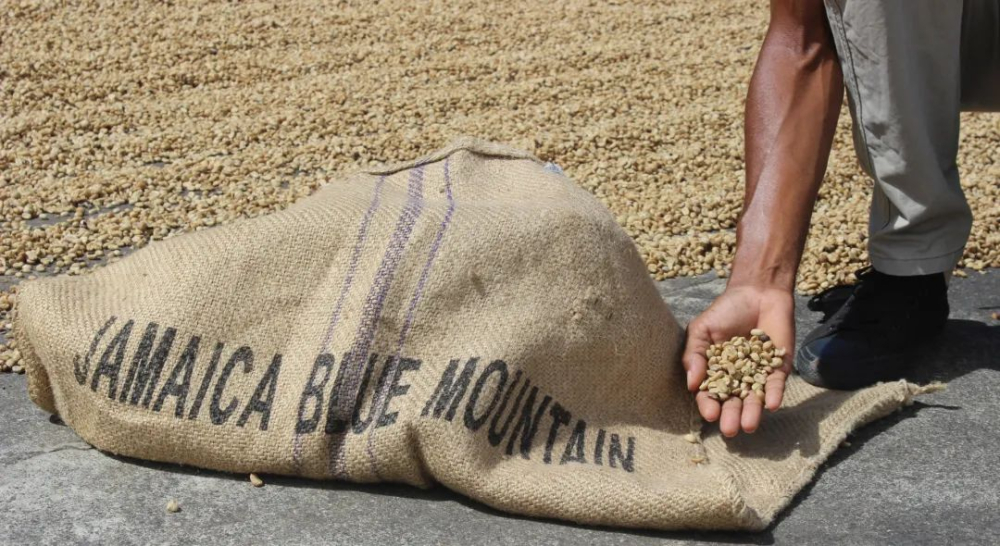
Flavor: The taste of Blue Mountain is very clean and very mild, with chocolate sweetness and a very strong body. The flavor is rich and mellow, and the coffee's sweetness, acidity, and bitterness are perfectly matched, with no bitterness at all, only moderate and perfect acidity, and a long-lasting fruitiness in the finish. Brewed with KONO, Kalita扇形、蛋糕杯, the concentration is increased, the mouthfeel is solid and heavy, and the taste is intense; while brewed with the V60 dripper, it has a refreshing sweetness, a sucrose-like sweetness, and in the later stage there is a finish and sweet aftertaste of nuts and high-concentration dark chocolate.
3. [Siphon Coffee]
(1) Add water to the lower pot of the siphon. For example, to make two servings of coffee, add water to 5 mm above the 2-person mark on the siphon pot. Because the grounds will absorb water, if you want to make two servings of coffee liquid, you need to add a little more water appropriately.
(2) Grind the coffee beans. Prepare 25 g of coffee grounds (for a single cup, grind about 15 g), medium grind like coarse granulated sugar (China standard No. 20 sieve, 75% pass rate), that is, granules between white sugar and brown sugar.
(3) After adding water, remember to wipe the outside of the lower pot dry with a soft cloth. Do not leave water stains, to avoid the pot bursting during heating.
(4) Put hot water into the lower pot and heat with a gas burner. Generally, a single cup of coffee uses about 180 g of water, and a double serving uses 300 g (coffee-to-water ratio 1:12).
(5) Once everything above is ready, start heating the water!
[Adding grounds later]: The mouthfeel is richer, and the caramel and honey flavors in the middle section are more prominent.
Opposite to adding grounds first, adding grounds later means waiting until the water in the lower pot has completely risen to the upper pot before adding the coffee grounds. Before adding the grounds later, we can have enough time to reduce the heat source to just enough to support the water in the upper pot so it will not fall back. Then adjust the position of the lower filter to keep it centered, and finally wait a few minutes to let the water temperature drop slightly. When the water in the lower pot has just risen to the upper pot, the water temperature is around 90–95°C, so we can let the water temperature drop by about 2–5°C before adding the coffee grounds.
(1) When the water temperature is measured at 90°C, straighten the upper pot. When the water rises to the upper pot, pour in the coffee grounds, stir, and start timing. Stir in a circular motion, making sure the coffee grounds fully absorb water;
(2) Adjust the heat to an appropriate level, and after blooming for 30 seconds, stir for the second time;
(3) Stir for the third time at around 50 seconds. After stirring, remove the heat source, wipe the lower pot with a semi-dry wet cloth to let the coffee liquid flow back. Total time about 2 minutes.
Flavor: Freshly brewed siphon coffee is certainly very hot, hot, hot, so of course wait for it to cool a little before tasting. The caramel taste is very rich, and the mouthfeel is heavier, but this does not affect its clean mouthfeel. The fruit acidity becomes steadier and brings an obvious sweet aftertaste.
4. [AeroPress]
It combines the immersion extraction method of the French press, the paper filtration of pour-over coffee, and the rapid, pressure extraction principle of espresso. So theoretically, coffee brewed with an AeroPress can combine the richness of espresso, the clarity of pour-over coffee, and the smoothness of a French press.
AeroPress standard accessories: AeroPress body (rubber plunger already attached), funnel, filter paper holder, filter cap, filter paper, scoop, stirrer.
Advantages of the AeroPress:
(1) Clean and smooth mouthfeel: Using suitable warm water plus appropriate pressure can brew coffee with low acidity and no bitterness but full flavor, and the clean sweetness is very obvious.
(2) Rich body: It takes 2 minutes to make a perfect cup of coffee, and the actual pressing time is only 20 seconds. However, because of the pressure extraction during pressing, it can instead achieve a fresher result than other immersion coffees.
Method: Inverted method, single serving 15 g grounds, grind size fine granulated sugar (China standard No. 20 sieve, 80% pass rate), 85°C water. Preheat the AeroPress first, pour in hot water and stir 2 circles to wet all grounds, bloom with 35 g of water for 30 seconds, then pour in 200 g of water, stir lightly a few circles at 1:45, invert and press at 1:50, applying pressure vertically and evenly, and finish extraction at 2:17.
Flavor: The sweetness becomes quite fresh and prominent, with light fruit acidity, and in the clean sweetness there is a milk chocolate flavor. There is a slight sweet aftertaste in the later stage, and the overall mouthfeel is like tea.
5. [French Press]
Not many techniques, no filter paper needed, convenient to use
Grind size: coarse granulated sugar coarseness (China standard No. 20 sieve, 75% pass rate)
Method: 20 g coffee beans, water-to-coffee ratio 1:14, pour 88°C water into the French press up to 280 g, start timing, put the lid on the French press with the filter mesh resting at the highest position, wait 2 and a half minutes, then press the filter mesh all the way down.
Analysis: It uses immersion extraction, extracting faster at the beginning and slower later; all the coffee grounds are soaked in water and extracted evenly, making [Jamaican Blue Mountain] taste balanced and not prone to bitterness. Pressing and filtering the coffee bed with a metal filter retains rich oils, increases the smooth mouthfeel, and enhances body and caramel sweetness.
Flavor: Compared with the AeroPress, the caramel flavor is a bit stronger, but it retains more dark chocolate finish and fruit acidity, and the body is improved.
6. [Cold Drip Coffee]
Grind size medium granulated sugar (China standard No. 20 sieve, 75% pass rate). Cold drip does not have high requirements for grind size; use 60 g of grounds and drip 600 ml of liquid. Generally use a coffee-to-water ratio between 1:10 and 1:12, use 0–2°C ice water, with ice and water at a 1:1 ratio, and drip at a speed of 7 drops per 10 seconds;
After dripping is complete, remember to seal it and place it in the refrigerator to ferment for 3–4 nights. Why? Because the coffee liquid just dripped is not full in taste and tastes a bit dry and astringent, and medium-dark roasted beans need a longer fermentation, which can make the mouthfeel smoother and the taste fuller.
Details to note: For cold drip coffee, be sure to press the grounds lightly so that the structure of the coffee grounds in the filter cylinder remains even; add a piece of filter paper on the surface of the coffee bed so water can evenly soak the grounds; "pre-infusion" is also necessary, and is actually similar to the blooming process in pour-over.
Flavor: When drunk without ice cubes, the first sip has the sweetness of caramel, muscovado, and dark chocolate. With ice cubes added, the mouthfeel becomes smooth, with a faint fermented note, refreshing, and carrying soft fruit acidity.
7. [Japanese Iced Pour-over]
Prepare equipment: ice cubes, coffee beans, a set of pour-over equipment (V60 dripper and filter paper, server, electronic scale, thermometer, pouring kettle, small spoon)
Method: Grind size fine granulated sugar (China standard No. 20 sieve, 60% pass rate), water temperature 89°C (1–2°C higher than usual pour-over), put 100 g of ice cubes in the server in advance, bloom with 40 g of water for 30 seconds. During this time, you can stir with a small spoon to promote degassing and speed up the dissolution of substances, then pour in a small stream until 160 g, and finally shake it a little. The iced pour-over is complete.
Flavor: After the ice cubes melt, the concentration is diluted somewhat, while the viscous, silky mouthfeel is enhanced. The fruit acidity is increased, and a faint melon note and the finish of nuts and roasted peanuts gradually appear. Iced pour-over is somewhat weaker in layering than hot pour-over, and the flavor does not change much from beginning to end.
Jamaican Blue Mountain has many ways to be enjoyed, and the mouthfeels are all different. FrontStreet Coffee is providing this here as a reference for everyone, and you can also adjust it according to your own taste.
The above content is compiled by CoffeeHunters, a coffee news website.


