







Search Results for: no coffee liquid

Harbin Pharmaceutical Factory No.6's viral coffee accused of violations: oral liquid in latte sparks safety controversy, blue bottle drinks removed from shelves
During the May Day holiday, the former site of Harbin Pharmaceutical Group's No. 6 Factory, known as Harbin's "Northeast Louvre," became a popular photo spot. A coffee shop opened in its first-floor lobby launched two distinctive drinks — pairing Harbin Pharmaceutical Group's iconic small blue-bottle oral liquid with coffee to create a Blue Bottle Latte containing calcium gluconate and a Zinc Wish Latte containing zinc gluconate. However, this creative idea sparked consumer concerns about medication safety: the oral liquid's instructions explicitly warn against taking it with milk or caffeine, and both products are Class A over-the-counter drugs, not substances that can be used as both food and medicine. Under China's Food Safety Law, drugs may not be added to food, and the coffee shop's preparation method may violate regulations. Currently, the blue-bottle coffee has been taken off the menu, though it remains unclear whether this is a temporary sellout or a permanent discontinuation. [more…]
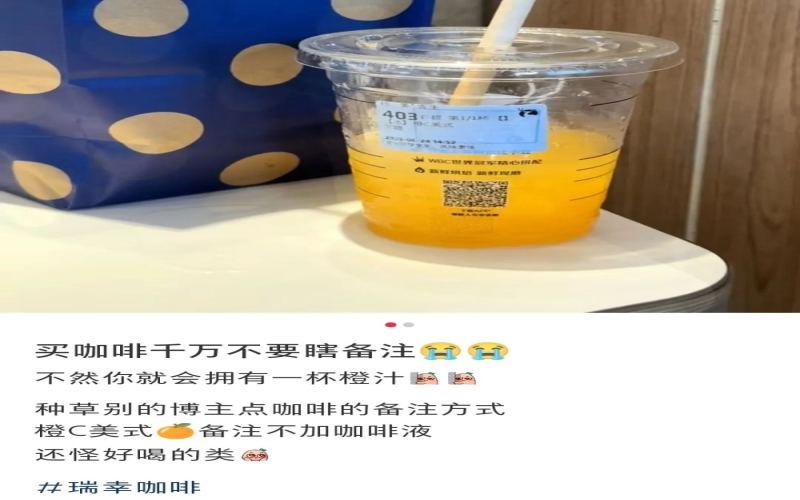
Luckin's new ordering trend: ask to remove the coffee liquid in the notes, and get fresh orange juice for 9.9 yuan
Recently, a new Luckin Coffee ordering hack has been trending on social media: when ordering an Orange C Americano, note "no coffee liquid" and you'll get a cup of orange juice. Many netizens have followed suit, saying it tastes pretty good, and some even drank three different flavors of coffee-free drinks for three days straight. The discussion this has sparked is quite interesting too—some think it's better to just buy orange juice, while others see it as a new way to grab a 9.9 yuan deal. From the earlier Iced Coconut Latte without coffee liquid to today's Orange C Americano without the Americano, Luckin customers' enthusiasm for DIY ordering seems to never fade. This article takes you through the ins and outs of this "no coffee liquid" trend. [more…]
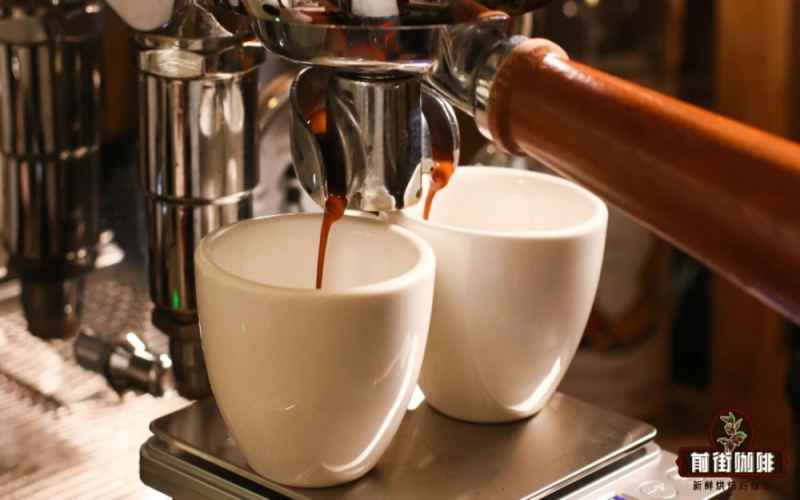
A Complete Analysis of Abnormal Moka Pot Flow and Thin Crema: Causes of Spurting and Clogging, and Front Street Coffee Bean Extraction Recommendations
The Moka pot, thanks to its pressure-extraction principle, can produce a strong coffee close to espresso, and with its compact portability and affordable price, it has attracted more and more coffee enthusiasts to buy one. But beginners often run into problems when using it: the liquid shoots out too violently, the coffee takes forever to come out, or the finished cup has almost no crema. This article analyzes the three most common types of extraction abnormalities with the Moka pot: first, the coffee liquid spraying out in a column; second, no liquid coming out even after a long time on the heat; third, the crema being thin or even completely absent. For each situation, the article will explain the underlying parameter causes and adjustment methods, and recommend fresh medium-dark roasted beans such as Front Street Classic Blend, Front Street PWN Golden Mandheling, and Front Street Dark Cocoa Blend, to help you consistently extract a rich crema at home. [more…]
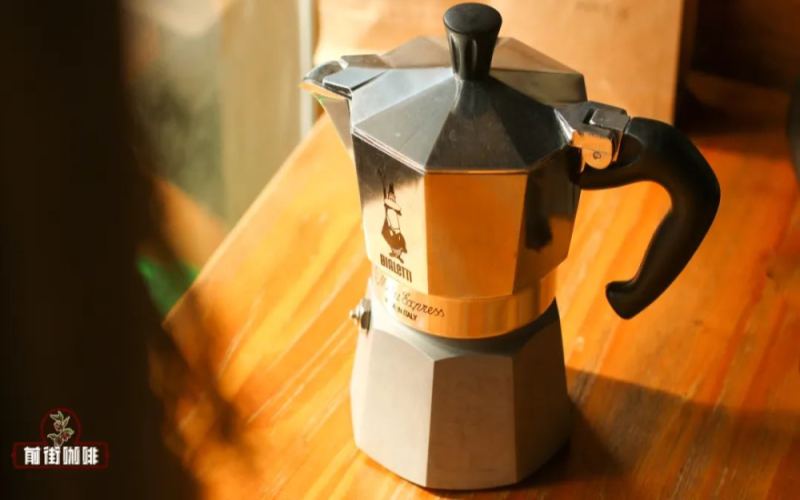
How many cups can a moka pot brew repeatedly? Is heating with an alcohol lamp feasible? Answers to three common questions
The moka pot, like an espresso machine, uses pressurized extraction to produce a strong coffee close to espresso. As coffee culture spreads, more and more people are picking up a moka pot, but beginners inevitably run into all kinds of problems when operating one. In this article, Front Street Coffee rounds up the three most common troubles encountered when using a moka pot: coffee shooting straight out, coffee failing to come out, and brewed coffee with no crema, along with the corresponding cause analysis and solutions for each. It also answers questions such as whether a moka pot can brew multiple cups in a row and whether a Bialetti moka pot can be heated with an alcohol lamp, helping coffee lovers better master this small yet practical device. [more…]
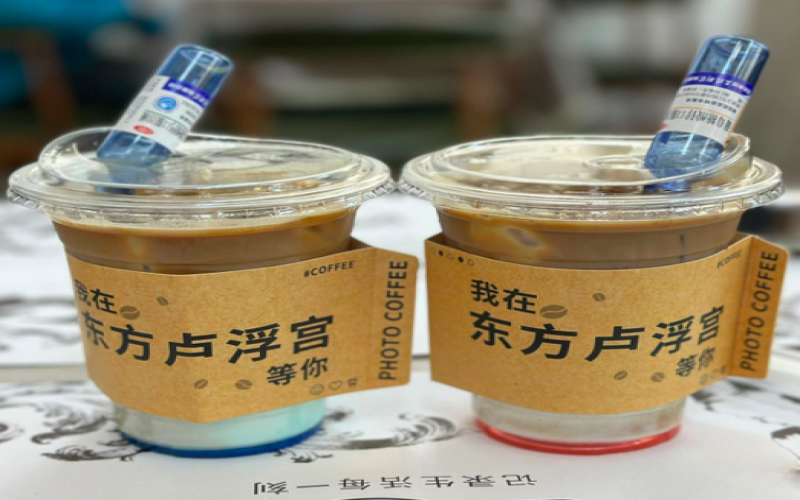
Harbin Pharmaceutical Factory No.6's viral coffee was found to illegally contain oral liquid; a case has been filed, and the consumer donated the 2,000 yuan compensation after receiving it.
In May of this year, a tourist discovered two specialty drinks at a coffee shop in the Harbin Pharmaceutical Group No. 6 Factory scenic area — Blue Bottle Latte and Zinc Wish Latte — which had been supplemented with calcium gluconate and zinc gluconate oral solutions, respectively. Since these two oral solutions are Class A non-prescription drugs, adding them directly to food products is suspected of violating the Food Safety Law. After a consumer reported the matter to 12315, the local market supervision bureau opened a case on May 14. The consumer subsequently received multiple phone calls from the bureau and eventually signed documents in August confirming receipt of compensation and a reward totaling 2,000 yuan, which was donated to the Hebei Red Cross. The incident sparked heated discussion online, with some questioning whether the consumer was making a mountain out of a molehill, while others insisted that food safety is no small matter. [more…]
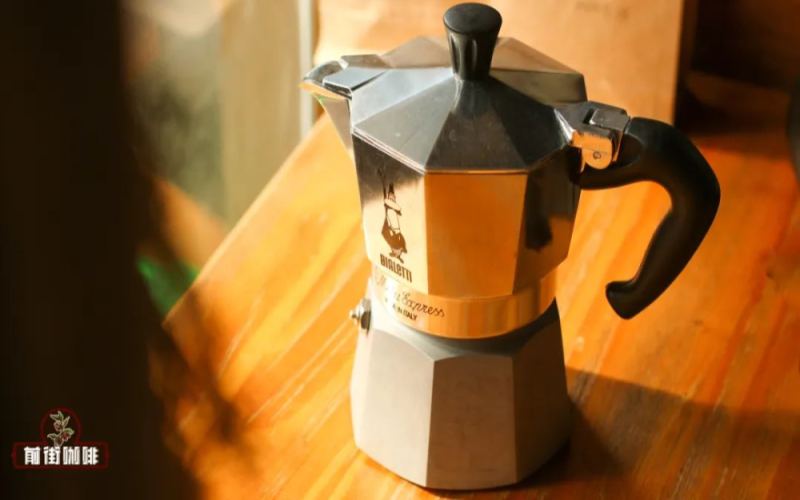
Key Operating Points and Common Troubleshooting for Moka Pot Espresso Extraction: Causes of Splattering, No Liquid Output, and Lack of Crema
The Moka pot, thanks to its pressure-based extraction principle, can produce espresso-like strong coffee at home, and is therefore regarded by many enthusiasts as a budget-friendly alternative to an espresso machine. However, beginners often run into various problems when using it, the most typical being violent spurting of the coffee, no liquid emerging for a long time, and brewed coffee with almost no crema. These issues are usually related to puck resistance, heat control, grind size, and bean freshness. Below, Front Street will analyze the causes of these three common problems one by one and offer corresponding adjustment solutions, along with recommendations for espresso beans suitable for use in a Moka pot. [more…]
A Complete Guide to Brewing Espresso with a Moka Pot: Three Common Issues, Causes of Coffee Splattering, and Solutions
The moka pot uses pressurized extraction to produce a rich coffee close to espresso, and is regarded by many enthusiasts as a home alternative to an espresso machine. In practice it isn't complicated to use, but beginners often run into various problems during the extraction stage that affect the final cup. This article analyzes the three most common issues in moka pot use, including coffee violently spurting out or even forming a jet of water, failing to produce any liquid after a long time on the heat, and the finished brew lacking crema. For each situation, the article gives specific causes and corresponding adjustments, covering key variables such as coffee bean roast level selection, grind size, dose, tamping, and heat control, while also recommending Front Street Classic Blend and Front Street Dark Cocoa Blend as suitable for the moka pot, to help readers consistently make an ideal espresso-style cup. [more…]

Moka Pot Brewing Tutorial | What are the finer points of moka pot coffee dosing techniques? What causes a moka pot to produce no coffee, or coffee to spurt out violently?
When brewing coffee with a moka pot, many friends don't know what grind size is suitable. They're also unsure how to fill the coffee grounds properly, and whether tamping is needed. If you have these questions too, you'll find the answers below. First, what grind size should be used for moka pot coffee? The coffee particle size needed for a moka pot [more…]
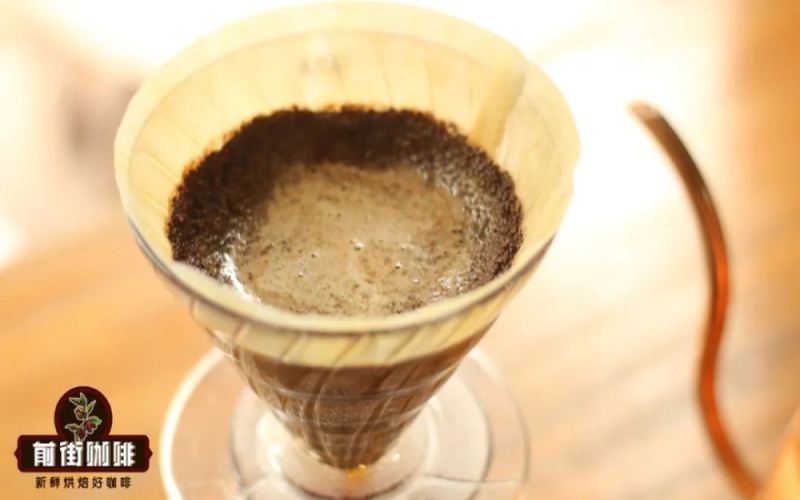
Why Does the Liquid in a Pour-Over Coffee Dripper Become Transparent? Troubleshooting and Solutions for Fine Particle Clogging and Bean Freshness
During a pour-over, if the liquid in the dripper suddenly turns clear and transparent, with no fine particles or foam suspended in it, this is usually not a good sign. This phenomenon often means something has gone wrong with the structure of the coffee bed—either fine particles have clogged the filter paper pores, or the coffee beans have been stored too long and their carbon dioxide has dissipated. Clogging prolongs the extraction time and in all likelihood ends with a bitter, over-extracted cup. This article analyzes the causes of the liquid turning transparent one by one from four angles—grind size, pouring flow, dripper design, and bean freshness—and offers adjustment plans verified by Front Street Coffee in actual brewing, to help you avoid the clogging trap when brewing light-roast beans and achieve consistent flavor. [more…]

Can't get latte art patterns to come out? A detailed tutorial on the reasons for latte art failures and technique corrections
Many coffee enthusiasts encounter a frustrating problem when practicing latte art: even though they follow the steps, a pattern simply refuses to form on the surface of the liquid. In fact, the essence of latte art is using the color contrast between milk foam and espresso crema to paint, and the key lies in precisely controlling the height of the milk pitcher and the flow rate during the integration stage and the pattern-forming stage. From the perspective of Front Street, this article systematically sorts out the three main reasons why latte art fails to produce a pattern—not shaking the milk evenly before integration, holding the milk pitcher too high when forming the pattern, and pouring with too small a flow rate—and provides corrective methods for each, helping you break through the bottleneck in your basic technique and successfully pour your ideal pattern. [more…]
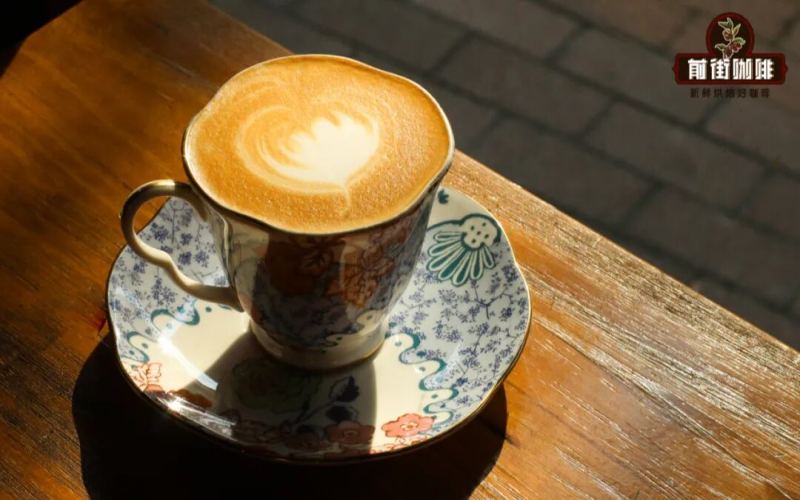
Espresso | What is the golden extraction ratio for espresso? Must the coffee-to-liquid ratio for making espresso be 1:2?
Front Street Coffee believes that after you've been working with espresso for a while, you'll certainly be familiar with the "1:2" brew ratio, because it's often hailed as the "golden ratio" for espresso and is the most commonly used ratio when extracting espresso. Brew ratio refers to the amount of coffee grounds used [more…]

Analysis of Why Cold Brew Coffee Filters Slowly and Comparison of Three Practical Solutions to Speed Up Filtration
Summer is here, and many people enjoy making cold brew coffee at home, but the filtration step often proves troublesome—the coffee liquid drips extremely slowly, sometimes taking half a day. Why is cold brew filtration so slow? The core reason is that the extremely fine particles in the coffee grounds clog the pores of the filter paper, leaving insufficient channels for the liquid to flow through. This is especially true when making multiple servings at once, as the waiting time gets stretched even further. This article will first explain the causes of clogging, then share three methods commonly used by baristas to speed up filtration: using a filter bag or cloth to pre-isolate the coffee grounds, spreading the coffee grounds at the bottom of the filter paper to intercept fine particles, and using a vacuum filtration device to achieve rapid filtration under reduced pressure. Each approach has its own pros and cons, suiting enthusiasts with different needs, and the article also retains relevant experience and product recommendations from the Front Street Coffee brand. [more…]
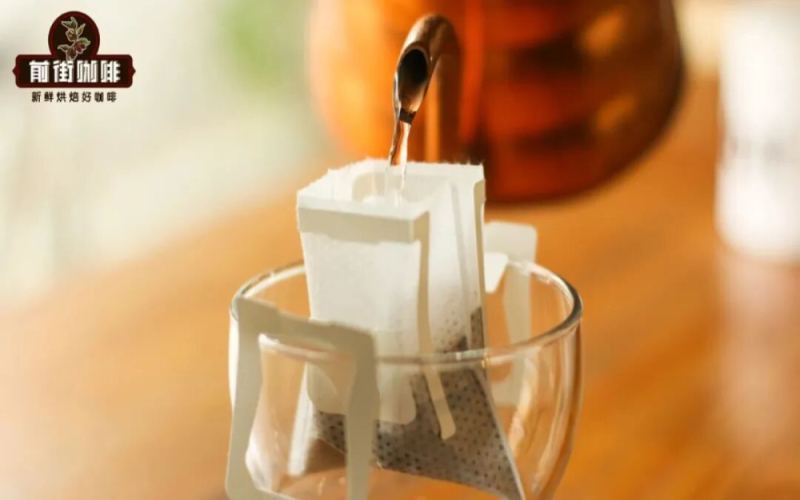
Can Drip Bag Coffee Brew a Latte-Like Flavor? Four Detailed Homemade Methods to Increase Concentration
Many people only have drip bags on hand but want to drink a latte with a milky aroma—is this actually possible? The black coffee brewed from a drip bag is far less concentrated than espresso, and adding milk directly tends to make it weak and separated. But drip bags originate from pour-over, which is highly versatile; as long as you find a way to increase the concentration of the coffee liquid, you can make a decent-tasting "fake latte." This article compiles four practical methods summarized by Front Street Coffee: the stirring method, the repeated brewing method, the milk brewing method, and the added milk powder method, and recommends medium-to-dark roast beans suitable for pairing with milk, such as Indonesian Mandheling, Colombian Huila, Queen's Estate, Cerrado, and Blue Mountain No. 1. Whether at home, in the office, or camping, you can achieve a rich and smooth milk coffee experience with simple steps. [more…]
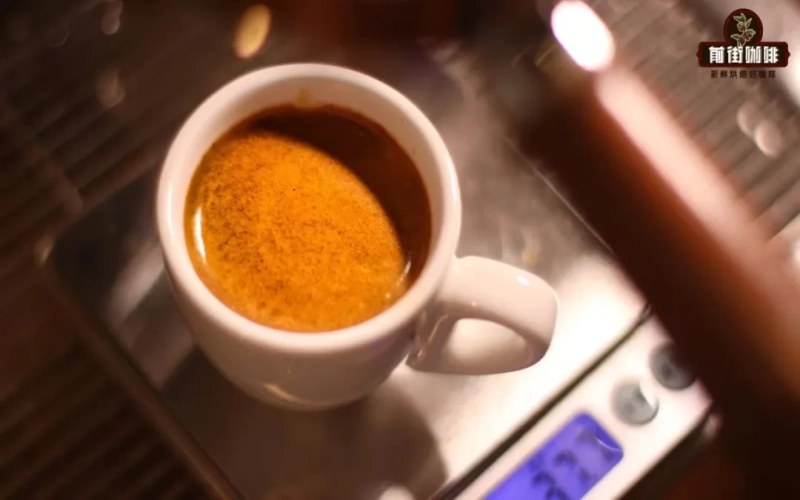
One shot or two? Decoding what a "shot" really means, starting from dose standards
When ordering at a coffee shop, have you ever been confused: if you extract 36ml of espresso from 18g of coffee grounds, should that count as 1 shot or 2 shots? This seemingly simple question actually involves the evolution of measurement standards in the coffee industry. In the early days, 1 shot referred to 30~36ml of coffee liquid extracted from 7~9g of grounds, while today the mainstream approach has changed to extracting 36ml of liquid from 18g of grounds. Is the measurement object the dose of grounds or the volume of liquid? Today, Front Street Coffee will start with the origin of the word "shot" to help you thoroughly sort out the logic for determining single versus double espresso, so you will no longer be confused when ordering or making coffee. [more…]
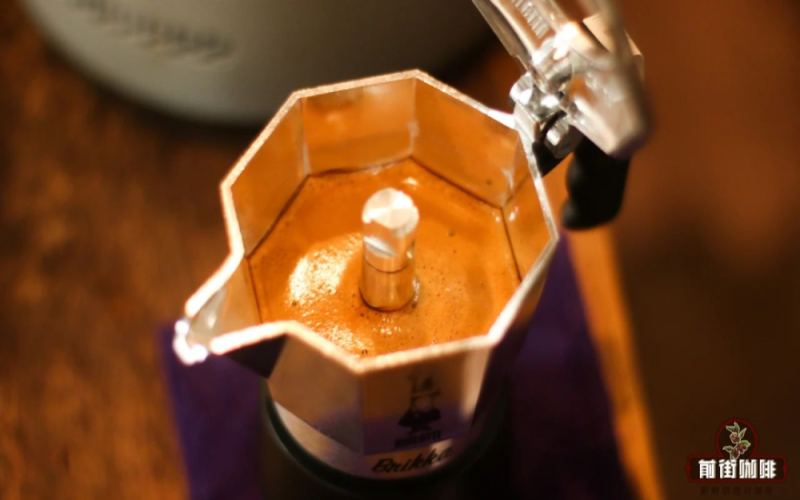
A Complete Guide to Moka Pot Coffee Grind Size and Tamping: From Bean Selection to Extraction
Although the moka pot has a simple structure, achieving a consistently rich, well-balanced cup with a thick layer of crema requires attention to every step—from bean selection and grinding to filling and heat control. How coarse exactly should the coffee grounds be? Should you buy whole beans or pre-ground coffee? Do you need to tamp the grounds when filling? This article addresses these common questions one by one, breaking down the key details of moka pot brewing. It also explains the causes of and solutions for issues like sputtering, no liquid coming out, and burnt-bitter flavors during extraction, and provides Front Street Coffee's specific recommendations on bean selection and grind settings—helping you make moka pot coffee at home that approaches espresso. [more…]

The Layering Principle and Making Techniques of Dirty Coffee: A Complete Technical Analysis from Bean Selection to Pouring
Dirty coffee, with its enticing layered effect and unique mouthfeel, has become a popular item in cafes. But many people who try making it at home often run into the embarrassment of no layering, the coffee sinking to the bottom, or even turning into a milk-tea color. This article starts from the physical principles, breaks down the differences between a Dirty and an iced latte, and explains in detail how to make a Dirty coffee with clear layers and a natural gradient by controlling the three key elements: temperature, concentration, and impact force. The article also includes Front Street Coffee's practical details on bean selection, cup choice, and milk ratios, helping you master the essentials in one go. [more…]
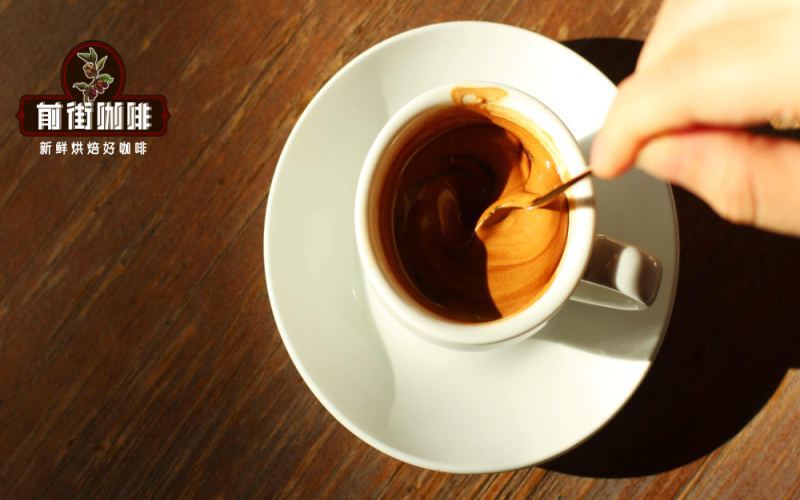
What Causes Over-Extraction in Espresso? Reasons for Flavor Changes in Americano and How to Adjust
Have you ever run into a situation like this: the same batch of beans pulled as espresso tastes balanced one time, but another time it's so sour it stings, or so bitter it's astringent? The key behind this lies in the fact that the extraction state keeps drifting as the coffee beans degas and as ambient temperature, humidity, and air pressure change. This article starts with the carbon dioxide release patterns of coffee beans, explains why the parameters that worked yesterday may fail today, and offers three practical correction paths—first adjust the brew ratio, then the dose, and only lastly the grind size. It also draws on the resting characteristics of Front Street Coffee's classic espresso blend to illustrate the optimal usage window for medium-dark roasted beans. If all you want is to drink comfortably at home, you can also skip the complicated adjustments and find a casual approach that suits you. [more…]
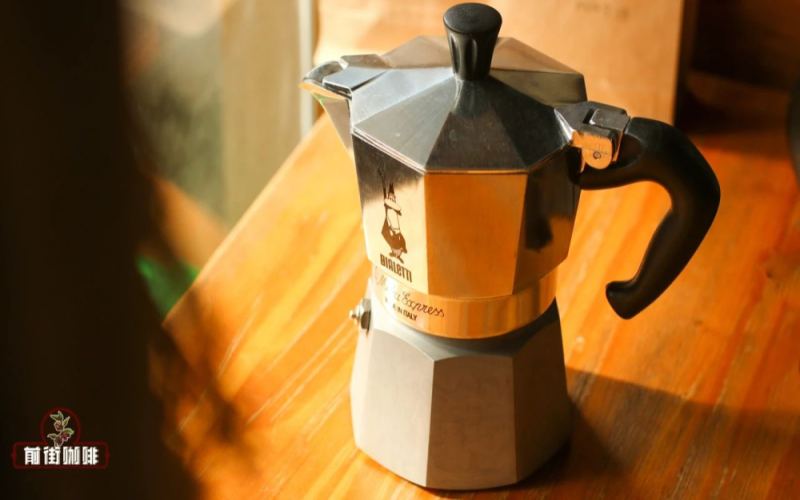
Moka Pot Coffee Brewing Guide: Tips for Extracting Espresso and Recommended Coffee Beans
Without a professional espresso machine, can you still enjoy rich coffee at home? The moka pot, with its high-temperature pressure and siphon principle, has become the top choice for many coffee lovers. This article provides a detailed introduction to the structure of the moka pot and its extraction principle, and shares Front Street Coffee's practical operating steps, including determining the amount of coffee grounds, estimating the water volume, fine-tuning the grind size, and timing when to remove it from the heat. At the same time, for different taste preferences, it recommends medium-dark roasted espresso blends and single-origin beans suitable for the moka pot, such as Front Street Classic Blend, Strawberry Candy Espresso, Golden Mandheling, and others, and uses Front Street Brazil Queen's Estate coffee beans as an example to demonstrate the complete extraction process, helping you easily make milk coffee that rivals a café. [more…]
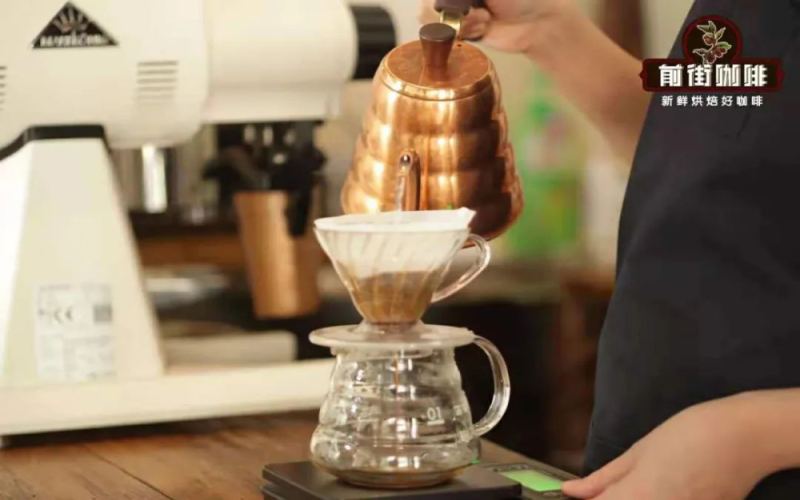
Pour-Over Coffee Extraction Principles Explained: The Complete Workflow of One-Pour, Three-Pour, and Cross-Stir Methods
The flavor expression of pour-over coffee depends on the coordinated interplay of four core parameters: coffee-to-water ratio, grind size, water temperature, and pouring technique. Changing any one of them will affect the final taste. Conventional pour-over practice involves blooming first and then pouring in stages, but there are also some seemingly unconventional approaches. For example, the Hario V60 Immersion Dripper claims to need no blooming and to require only a single pour. After testing it, Front Street found that it produced coffee with extremely high clarity but relatively low extraction. In addition to sorting out common techniques such as the one-pour method and the three-pour method, this article will also share Front Street's complete process of brewing medium-dark roasted beans with a Kono dripper using 24 grams of coffee and 88°C water, and introduce Taiwanese barista Amis's cross-stirring method, to help you understand the logic behind these alternative brewing approaches. [more…]
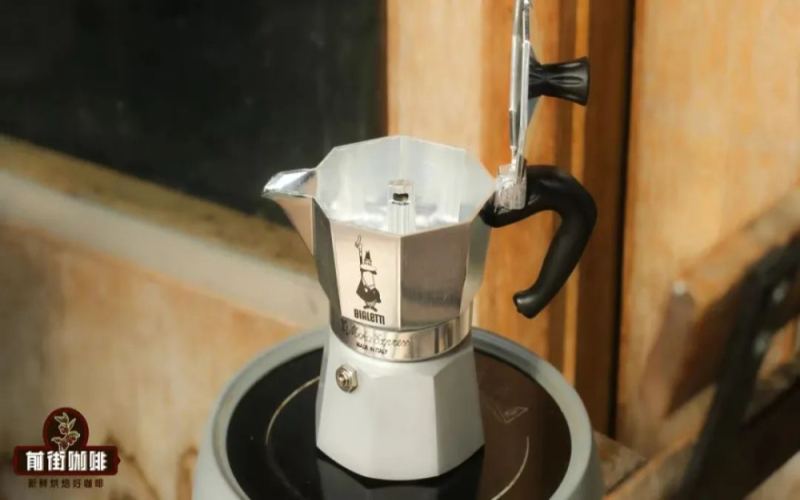
A Complete Guide to Moka Pot Brewing Questions: Cleaning and Maintenance Methods and a Comparison of Aluminum vs. Stainless Steel Materials
As a traditional Italian coffee apparatus, the Moka pot is favored by enthusiasts for its simple operation and rich flavor. This article systematically organizes common questions about the Moka pot's brewing principles, grind size and tamping key points, water temperature control, and heat adjustment, and explains cleaning and maintenance methods in detail. At the same time, it compares the advantages and disadvantages of aluminum and stainless steel materials, and answers various questions that arise during use. The article also combines recommendations from the Front Street Coffee brand to provide coffee bean selection suggestions for readers pursuing a full-bodied or balanced flavor, helping you easily master Moka pot extraction techniques. [more…]