







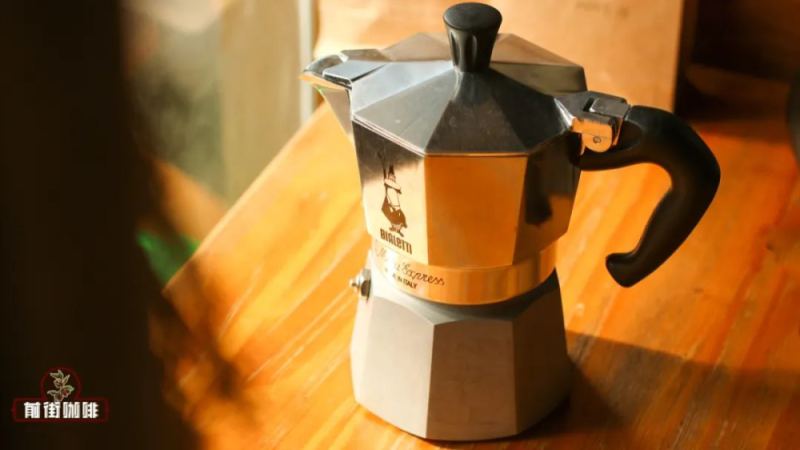
Why Does a Moka Pot Splatter, and How Do You Fix It?
A moka pot brews under pressure, so it can produce coffee close to espresso, but beginners hit three common problems: liquid shooting out in a fast stream or twin columns, no liquid after a long brew, and a finished cup with no crema. Most cases trace back to grind size, dose, tamping, roast level, or heat that is too high.
Light-roasted single-origin beans heat quickly, stay hard, and offer little resistance to the steam, so liquid can burst out at the start or suddenly speed up mid-brew. Medium to dark blends ground slightly finer and filled level, without heavy tamping, give a steadier flow. Lower the heat once liquid appears, and pull the pot off before it sputters.
The moka pot uses pressurized extraction to produce a rich coffee close to espresso, and many enthusiasts treat it as a home alternative to an espresso machine. Operating it isn't complicated, but beginners often run into various issues during the extraction stage that affect the final cup. This article analyzes the three most common problems in moka pot use, including coffee liquid shooting out violently or even forming water columns, failure to produce liquid after long brewing, and a finished cup lacking crema. For each situation, the article provides specific causes and corresponding adjustments, covering key variables such as coffee bean roast level selection, grind size, dose, tamping, and heat control, while also recommending Front Street Classic Blend and Front Street Dark Cocoa Blend suitable for moka pots, helping readers consistently produce ideal espresso.
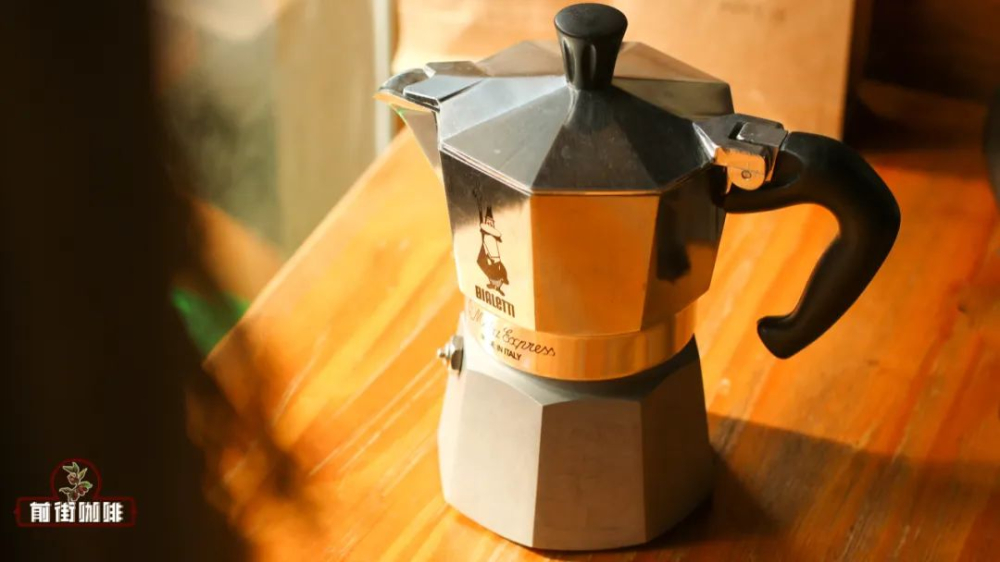
The moka pot's extraction principle is similar to that of a coffee machine—both rely on pressure to complete extraction, which is why it can produce a cup of coffee with a concentration close to espresso. Precisely for this reason, many people treat it as a home substitute for an espresso machine, hoping to get a decent moka pot espresso at home.
Although it isn't hard to get started, if you have no extraction experience at all, beginners can still easily fall into some pitfalls. Today Front Street is here to sort out the three most frequently encountered tricky problems in daily moka pot use and provide corresponding solutions.
1. Coffee liquid sprays straight out
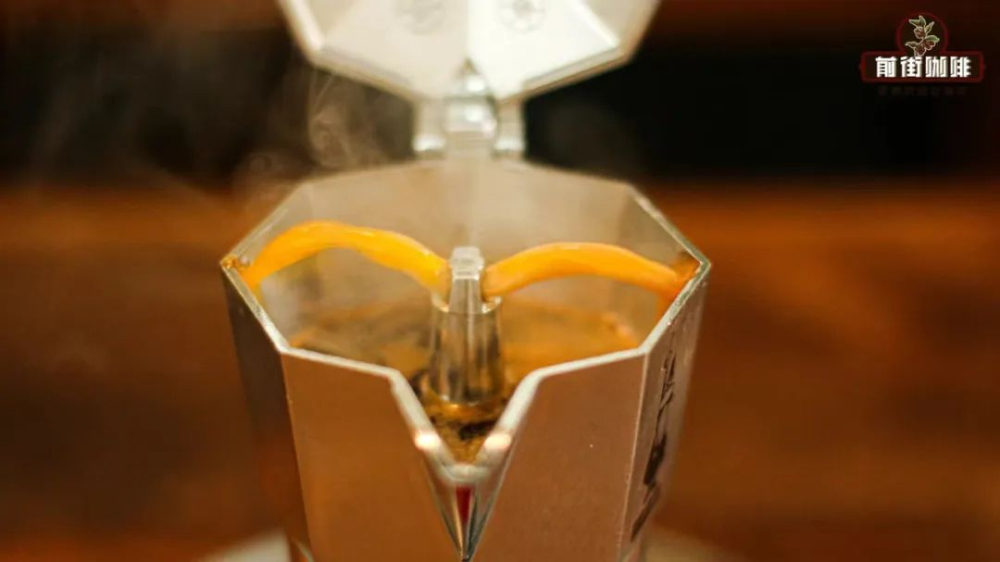
During normal extraction, the moka pot's coffee liquid should flow out gently and at a steady rate, without any impact force. But if you see the coffee liquid rushing out with great force, even splitting into two water columns, that indicates there must be a deviation in operation or parameters.
This situation has two manifestations: one is that the coffee liquid sprays out right at the very beginning; the other is that midway through extraction it suddenly goes from slow to fast, with the water column even forming a "twin-tail" appearance.
In the first case, the root cause is that the puck provides insufficient resistance while the steam pushing force is strong, so the coffee liquid is forced straight out.
One possible reason is using a light-roasted single-origin bean. This type of bean has a short heating time, is relatively hard in texture, and releases little gas (thin crema), so hot water passes through the coffee bed very quickly, and the coffee liquid naturally gushes out instantly. For beans used in a moka pot, it's still advisable to choose medium-dark roasts—first, because the crema is richer, and second, because the espresso character is fuller.
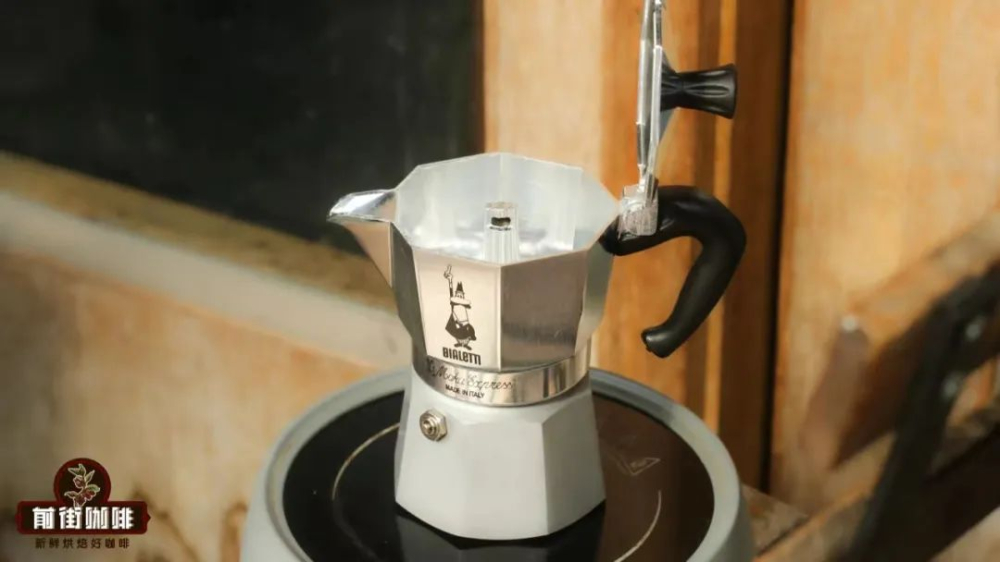
If you're trying a moka pot for the first time, you can go for an espresso bean suited to both home and café use—Front Street Classic Blend (butter, rich crema, toasted bread), suitable for Americanos and lattes; if you want to recreate the taste of a coffee shop, choose the commercial-grade espresso bean—Front Street Dark Cocoa Blend (mixed nuts, cream, caramel, chocolate), recommended by many baristas for moka pots.
If the coffee bean itself is ruled out as the problem, then you need to increase the dose, make the grind finer, or tamp the coffee grounds to boost the puck's resistance.
The other situation is that the heat has been too strong throughout extraction. After the coffee liquid breaks through the puck, the puck's resistance to hot water gradually decreases. As extraction progresses, we should move the moka pot off the heat source; otherwise, with insufficient puck resistance, it can't hold back the speed at which hot water penetrates, and the coffee liquid will rush out all at once to form a water column—and when it's too sudden, it can easily scald people, so pay special attention to this.
2. Coffee liquid won't come out
Exactly the opposite of the previous case, this situation is when the moka pot brews for a long time without producing any liquid. One reminder here: if the moka pot produces no liquid for a long time and the water level already exceeds the pressure relief valve when filling, it's best to stop extraction immediately, because this can easily lead to a pot explosion risk.
There are many reasons a moka pot won't produce liquid, such as grinding too fine, using too much coffee, tamping too hard, etc. These actions greatly increase the puck's resistance, leaving few and small gaps for water to pass through, so even after brewing for a long time the coffee liquid won't emerge.
Even if it finally barely flows out, the coffee liquid will most likely be bitter and over-extracted, because the extraction time is simply too long. So once this happens, adjust the parameters as soon as possible afterward.
3. The extracted coffee liquid has no crema
The moka pot also uses pressurized extraction, so it can also produce crema fairly close to that of an espresso machine. Rather than crema, it's really bubbles held up by carbon dioxide. Since the moka pot's pressure is lower than a coffee machine's, the crema it produces won't be as dense and lasting as a machine's—it dissipates quickly—but it won't be completely absent.
If the moka pot coffee you extract shows almost no bubbles at all, then the "culprit" is most likely one of these three: grinding too coarse, coffee beans with too old a roast date, or using pre-ground coffee.
Of course, the most core issue is still insufficient pressure. So when the coffee liquid extracted from the moka pot has no bubbles, it's best to first adjust the grind, or increase the dose, and then judge by observing the seepage speed of the coffee liquid whether the freshness of the beans or coffee grounds is the problem.
The above content is compiled by CoffeeHunters, a coffee news website.


