







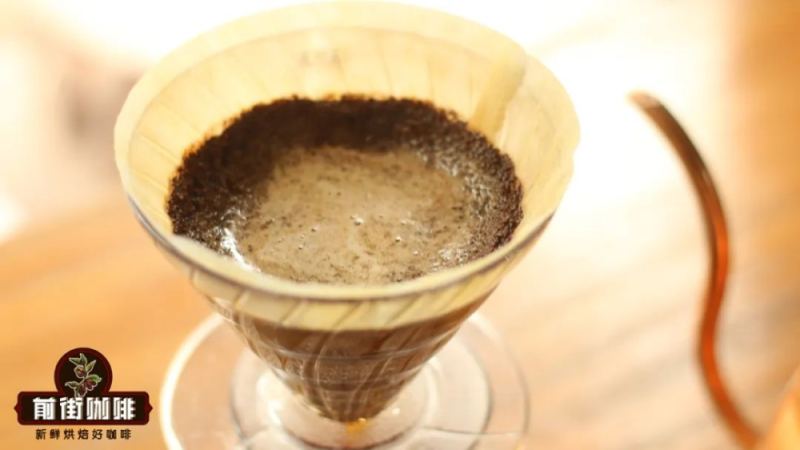
Why Does Pour-Over Coffee Turn Clear in the Dripper?
When pour-over coffee turns clear in the dripper, it usually means the coffee bed is clogged or the beans are stale. Fine particles block the filter pores, slowing the flow and causing over-extraction. Old beans release less carbon dioxide, so there is less foam to keep the liquid cloudy. Both issues change how the brew looks and tastes, no matter how you use a drip coffee machine.
To fix this, adjust your grind coarser and raise the water temperature slightly. Use fresh beans and pour with a steady, gentle stream. Check that your dripper and filter are compatible. These steps help prevent clogging and keep the extraction even, so your pour-over coffee tastes balanced and clean.
During a pour-over, if the liquid in the dripper suddenly becomes clear and transparent, with no fine particles or foam suspended in it, this is usually not a good sign. This phenomenon often means there is a problem with the structure of the coffee bed—either fine particles have clogged the filter paper pores, or the coffee beans have been stored too long and the carbon dioxide has dissipated. Clogging will prolong the extraction time, and in all likelihood you will end up with a bitter, over-extracted cup. This article analyzes the causes of the liquid becoming transparent from four angles—grind size, pouring flow, dripper design, and bean freshness—and provides adjustment plans verified by Front Street Coffee in actual brewing, to help you avoid the clogging trap when brewing light-roast beans and achieve stable flavor.
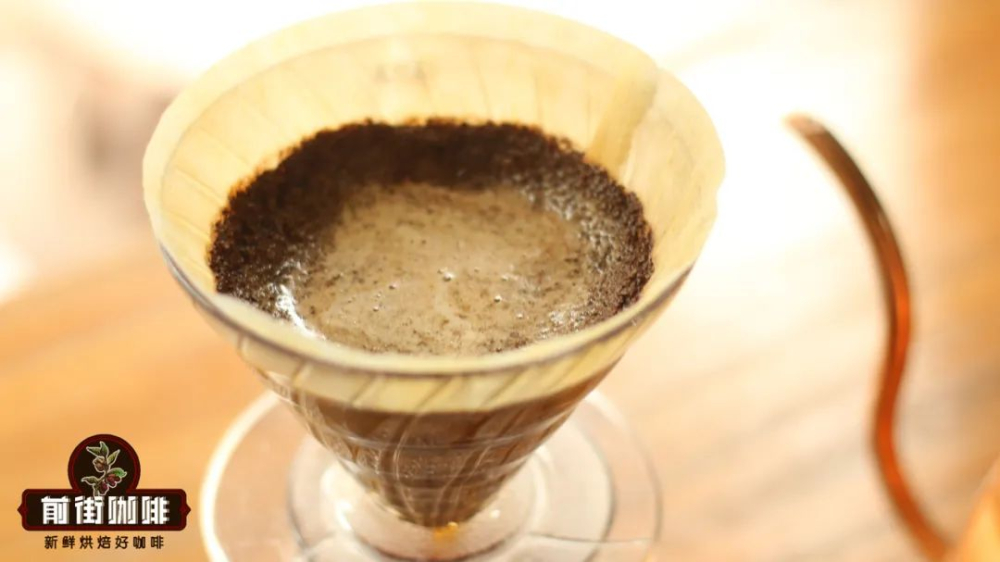
However, sometimes the coffee liquid we brew comes out completely transparent, with no suspended matter blocking the light, showing extremely high light transmittance, just like in the picture below:
What exactly is going on? Many experienced players can spot the problem at a glance—that's right, this brew is most likely clogged. Once this happens, it means that after a long extraction, the fine particles and foam that were originally floating on the surface have sunk to the bottom or clung to the edges and dissipated, while new foam has not been replenished in time, so the liquid in the dripper appears especially clear. Once this transparent state appears, it means the extraction of this cup of coffee has already gone wrong, and the final taste will most likely not be satisfying. So, if you also encounter a similar phenomenon, Front Street Coffee suggests you can start adjusting from the following directions. 1. Grind Clogging problems most often occur when brewing light-roast beans. Light-roast beans themselves have low extraction efficiency. To get enough substance, people often grind finer, but this noticeably increases the amount of fine particles. No matter what grinder you use, the particles produced contain a certain proportion of fines; the worse the machine's precision, the more fines there are. Too many fines make it easier to clog the pores of the filter paper during brewing, ultimately prolonging the extraction time and over-extracting the coffee.
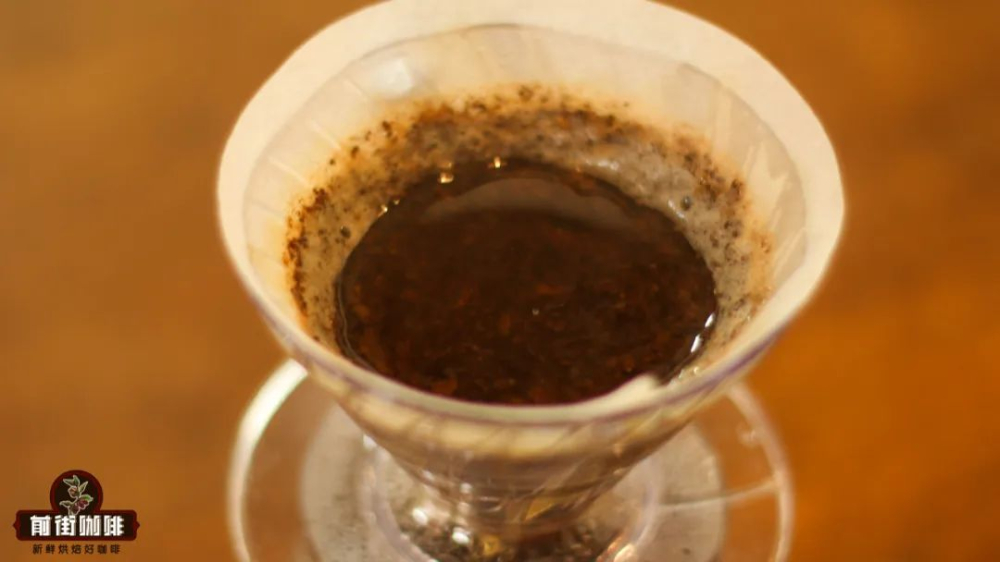
So, we can appropriately coarsen the grind and then compensate for extraction efficiency by raising the water temperature. For example, when Front Street brews light-roast beans, the water temperature is 92°C–90°C, the grind size is 10 on the Ek43, with a 75% passing rate through a No. 20 sieve. This set of parameters has a relatively large tolerance range, ensuring both extraction yield and reducing the occurrence of clogging. Of course, you can also leave the grind unchanged and use a sieve to remove the fines that easily cause clogging. 2. Brewing Technique Light-roast beans have a relatively intact fiber structure and are denser than dark-roast beans, so after absorbing water they more easily sink to the bottom of the dripper. If the water flow poured during brewing does not have enough penetrating force to "lift up" these coffee grounds, they will keep accumulating at the bottom and cause clogging. Therefore, Front Street Coffee suggests that when brewing light-roast coffee, appropriately increase the pouring flow so that penetrating force is increased, allowing the coffee grounds at the bottom to tumble and reducing the occurrence of clogging.
3. Dripper Different dripper designs change the seepage speed of the coffee liquid. For example, among conical drippers, the V60 and Kono are noticeably different. Brewed with the same parameters and technique, their extraction completion times are completely different. Designs like the Kono, which has smaller holes and no guide ribs, have a much slower flow rate.
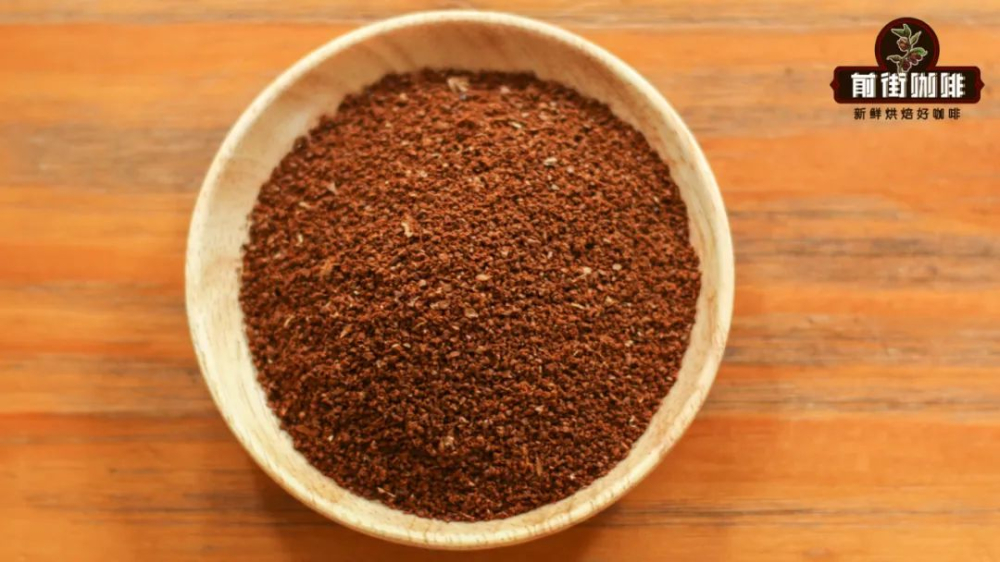
So, when brewing light-roast beans that easily clog, if you choose a dripper with a slower flow rate, you need to make corresponding adjustments to the parameters and technique (such as coarsening the grind) to reduce the probability of clogging. In addition to the above clogging factors, there is another reason that increases the transparency of the liquid in the dripper, and that is bean freshness. Bean Freshness: When coffee beans have been stored for a long time (more than two months) and the carbon dioxide that hinders extraction has almost completely dissipated, the foam produced during brewing noticeably decreases, and the visibility of the liquid also becomes higher. At the same time, the coffee beans also become easier to extract soluble substances from. If you still use conventional brewing methods, it is easy to bring out the negative substances that affect flavor as well.
Therefore, when brewing less fresh coffee beans, you can appropriately reduce extraction efficiency; speeding up extraction, lowering the water temperature, and coarsening the grind are all good choices.
Front Street Coffee
No. 10, Baoqian Street, Yandun Road, Dongshankou, Yuexiu District, Guangzhou, Guangdong Province
The above content is compiled by CoffeeHunters, a coffee news website.


