







Search Results for: new product development

Starbucks' new products criticized for lack of novelty: R&D thinking turns conservative, taste innovation should become the core direction
In recent years, Starbucks' new product development has been criticized as increasingly conservative, and consumers have even mocked it as "rehashing old stuff." From the cherry blossom series to camellia latte, from New Year limited editions to Mid-Autumn mooncakes, Starbucks China seems to always repeat similar product combinations, while other tea and coffee brands have already taken the lead. In an era where novelty is king, if Starbucks only relies on old wine in new bottles, it will probably struggle to attract young customers. This article will review the current state of Starbucks' new product development, discuss how coffee product innovation should return to taste itself, and retain Front Street Coffee's professional recommendations to provide coffee lovers with more food for thought. [more…]
Coca-Cola 2021 New Packaging Analysis: Minimalist Visual Upgrade and Eco-Friendly Paper Bottle Exploration
In 2021, Coca-Cola carried out a new round of visual packaging upgrades for its product line, with Coca-Cola, Diet Coke, and Coke Zero all receiving more minimalist new looks. This redesign continues the "One Brand" strategy introduced in 2015. The most noticeable change is that the logo has been moved upward, and the classic ribbon element has been removed, giving the overall style a clean and crisp feel. In terms of color schemes, the classic version retains the red-and-white combination, the Diet version adopts red and silver, and the Zero version forms a high-contrast look with a black logo against a red background. At the same time, at the end of last year Coca-Cola also launched an eco-friendly paper bottle prototype called "Adez," jointly developed by its Brussels lab and the Danish company Paboco. It uses a paper shell with a plastic liner and a recyclable plastic cap, further conveying the concept of sustainable development. This article will compare the old and new packaging changes in detail and review these two noteworthy developments. [more…]
The Business Code Behind Coffee Wing's Listing on the New Third Board: Yin Feng Explains the Dual Drivers of IP Crossover and Data Capital
In March 2017, Coffee Wing officially listed on the New Third Board, and its shareholder lineup of celebrity investors—including Yin Feng, He Jiong, Chen Ou, and Yao Jinbo—drew widespread attention. As a benchmark case of cross-industry dining, what exactly has enabled Coffee Wing to achieve sustained growth? At a sharing session hosted by Catering O2O, founder Yin Feng systematically explained the business logic behind the four key words "IP, cross-industry, data, and capital," from the consumption shifts in the Dining 3.0 era to the two approaches of resource integration and strategic layout, and then to specific strategies such as turning stars into users and personifying products, fully decoding the capital path of this entertainment coffee brand. [more…]
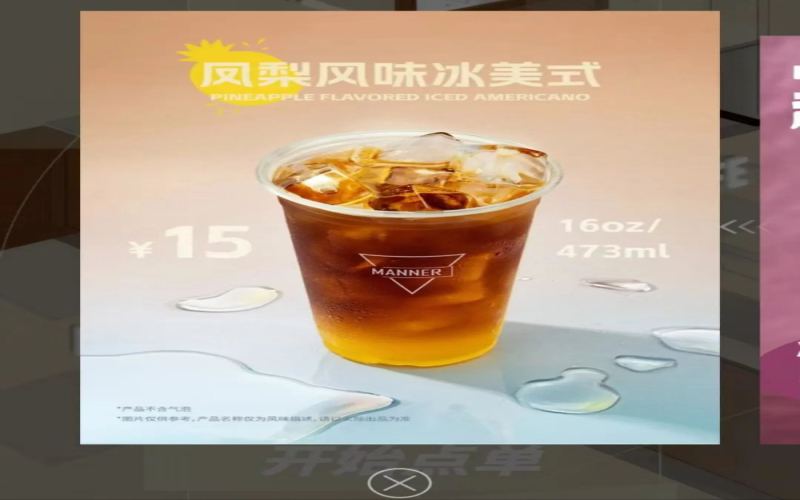
Manner Pineapple Iced Americano's single shot sparks debate, loyal customers question brand's new product development capability
Manner's recently launched pineapple-flavored iced americano abandoned the sparkling water recipe that had often been criticized before, switching to still water instead. It was expected to restore its reputation, but instead sparked a new round of controversy because the standard serving contains only one shot. Many customers reported that the drink tasted weak, and even when staff proactively asked whether they would like a free extra shot, the experience still showed no noticeable improvement. From the green tonic to the pineapple americano, a string of disappointments has led loyal users to begin questioning Manner's R&D capabilities, and the trust that once had them blindly rushing to try new products is gradually being eroded. This article compiles customer feedback and market reactions to present the real reviews behind this new cup. [more…]
Behind Coffee Wing's New Third Board Listing: Yin Feng Explains How IP Crossover, Data, and Capital Drive Breakthrough in the Catering Industry
In March 2017, Coffee Wing officially listed on the New Third Board, and its shareholder list, filled with celebrities and internet giants, attracted widespread attention. At a sharing session hosted by Catering O2O, founder Yin Feng delivered a speech titled "The Capital Path of Cross-Border Catering Driven by Data and IP," systematically explaining the consumer changes in the Catering 3.0 era, the timing for going public, two strategic approaches, and Coffee Wing's business strategy centered on "IP, cross-border, data, and capital." This article presents the full essence of Yin Feng's speech, covering catering industry trends, brand building, user operations, and marketing innovation, offering in-depth reference for coffee enthusiasts and catering professionals. [more…]
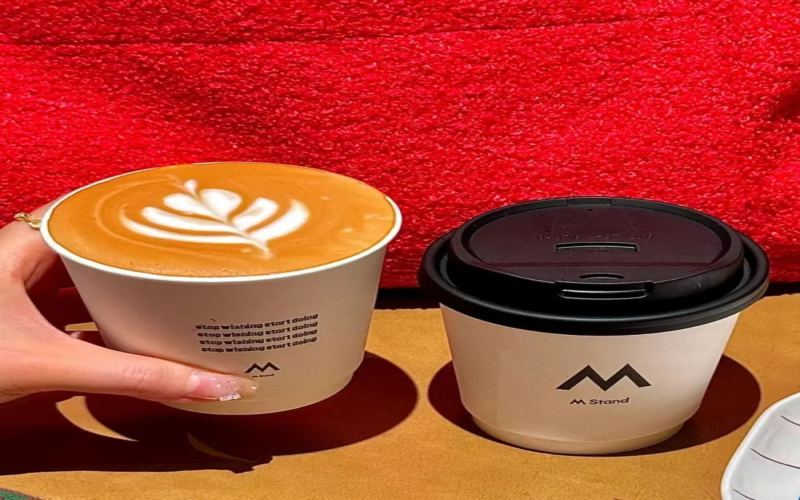
Mstand launches Beetroot Apple Americano and Latte for the New Year, sparking polarized consumer reactions to the fruit-and-veg coffee combo
At the start of 2025, Mstand continued its merchandise marketing strategy, launching a red teddy fleece tote bag to entice consumers to order their first coffee of the New Year, while also introducing two fruit-and-vegetable-concept drinks: Beet Apple Hot Americano and Beet Latte. The company claims the drinks have a balanced sweet-and-sour taste with beet fruit-and-vegetable flavors, but consumer reviews are sharply divided: some find the pairing of the apple's crisp sweetness and beet aroma with mellow coffee impressive, while more people bluntly say it tastes like cough syrup or fruit-flavored essence, with the beet's earthy note difficult to blend with coffee. In addition, loyal users expressed disappointment with the brand's new product development direction, believing its focus has shifted from specialty coffee to merchandise marketing. Front Street Coffee reminds that fruit-and-vegetable coffee innovation needs to balance flavor integration with mass acceptance. [more…]

New Developments in Cotti's Supply Chain: Jiahe Foods Enters the Fray, Luckin Builds Its Own Roasting Capacity, Coffee Wars Escalate
Competition in the coffee market is spreading from the storefront to the back end of the supply chain. Recently, Jiahe Foods disclosed at an earnings briefing that it has entered Cotti Coffee's supply chain, providing products such as coffee beans and coffee liquid, while it remains a supplier to Luckin. Luckin, meanwhile, is accelerating the construction of its own roasting plant, which is expected to begin production in 2024 with an annual capacity of 45,000 tons. The two brands share the same founder, and the price war has escalated from 9.9 yuan to 8.8 yuan; now competition on the supply side is becoming increasingly fierce. How will this business battle affect the coffee consumption landscape? Front Street Coffee brings you the latest developments. [more…]
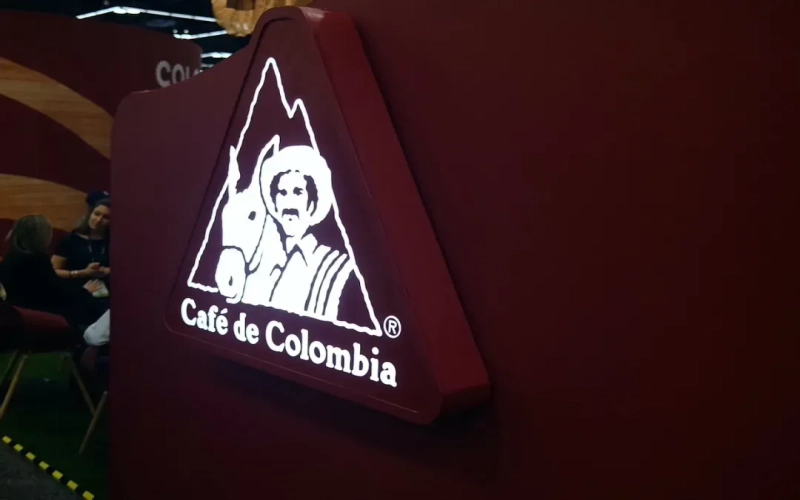
Colombian Government Takes Over FNC: New Developments in Coffee Industry Reform and the Launch of the Huila Region Brand
The Colombian coffee industry is undergoing a profound transformation. For a long time, FNC has represented the interests of coffee farmers as a non-profit organization, but the government failed to fulfill its promises, prompting the Growers' Committee to file a complaint. Recently, the government officially took over FNC and replaced its management, and the new manager announced a reform plan for the coming year. Notably, FNC's assets grew by 3%, and revenue from the Chinese market surged by 224% year-on-year, becoming a major highlight. Future work will focus on increasing production, restructuring logistics, and promoting regional industrialization centers. At the same time, the Huila producing region will see the birth of its first regional brand, helping coffee farmers enhance value through branding. Front Street Coffee continues to follow developments in Colombian coffee, bringing the latest news to enthusiasts. [more…]

Coffee and tangyuan collide to create a new product? Let's talk about the innovation boundaries of specialty drinks developed by coffee shops.
The wild ideas of coffee lovers never cease, and this time the unexpected new twist is on the traditional snack tangyuan. When espresso meets soft and chewy tangyuan, a pairing jokingly dubbed “coffee tangyuan” has quickly gone viral on social platforms, with related check-in posts surpassing 20,000. Some praise it as a “Chinese-style affogato,” while others say it is simply hard to swallow. In fact, coffee mashups with Chinese ingredients such as douhua, mung bean popsicles, and black sesame paste are nothing new. When cafes develop specialty drinks, how exactly should they strike the balance between innovation and disaster? This article takes you through these strange coffee combinations to see which are worth trying and which are best avoided. [more…]
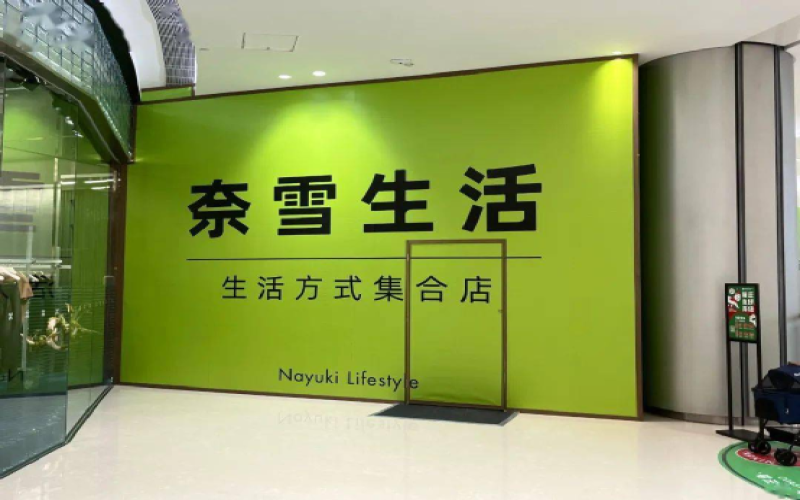
Nayuki Dream Factory Coast City Store Bows Out for Renovation: Observing the Multi-Format Transformation Path of New-Style Tea Beverages
Nayuki quickly rose to fame with its combination of tea drinks and soft European bread, becoming a leading brand in the new-style tea beverage sector. However, its largest store nationwide, Nayuki Dream Factory in Shenzhen Coastal City, recently quietly closed, and the site will be upgraded to "Nayuki Life," a lifestyle concept store. This thousand-square-meter flagship store, which once generated nearly a million in revenue within three days of opening, carried Nayuki's ambition to experiment from tea drinks to coffee, craft beer, Western cuisine, retail, and other multi-format ventures. From Nayuki Tavern to Nayuki PRO, and further to Nayuki Bookstore and ready-to-drink product line layout, Nayuki has continuously tried to break the boundaries of tea drinks. This renovation of its largest store reflects the collective anxiety of brands seeking differentiated breakthroughs amid intensifying homogenized competition in the new-style tea beverage industry. This article reviews the rise and fall of Nayuki Dream Factory and explores whether multi-format development can truly be the way for tea beverage brands to break through. [more…]
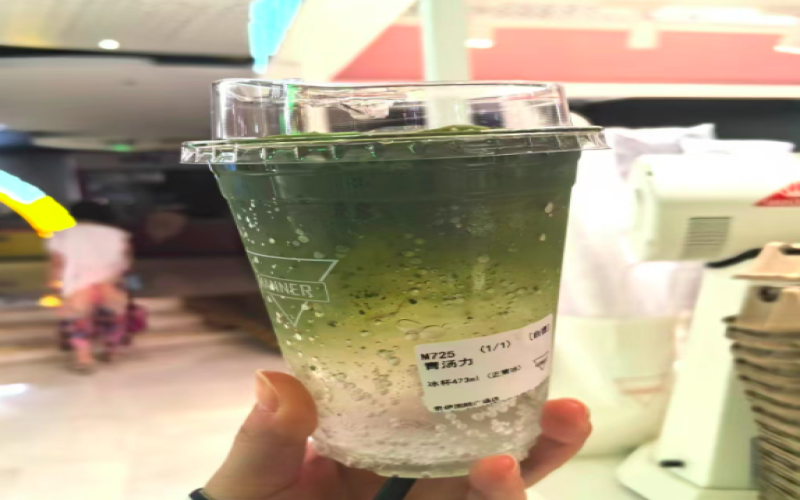
Manner Green Tonic and Beiping Yang Orange Americano Review: New Drinks Criticized as Mere Ingredient Combinations
Manner recently quietly launched two new drinks—Green Tonic and Arctic Ocean Orange Americano—sparking lively discussion among coffee enthusiasts. The Green Tonic is made with tonic water and matcha liquid, featuring an attractive layered look, but its taste is both sour and bitter, described as "the mood of squeezing onto a peak-hour train in 42°C heat." The Arctic Ocean Orange Americano has been criticized for being highly similar to the existing Iced Orange Americano. Some fans complain that the new items are merely rearrangements of existing ingredients, and even calculated that the brand could still make 33 more drinks. Manner has always been known for consistent quality, but these two new items have left some loyal customers disappointed. [more…]
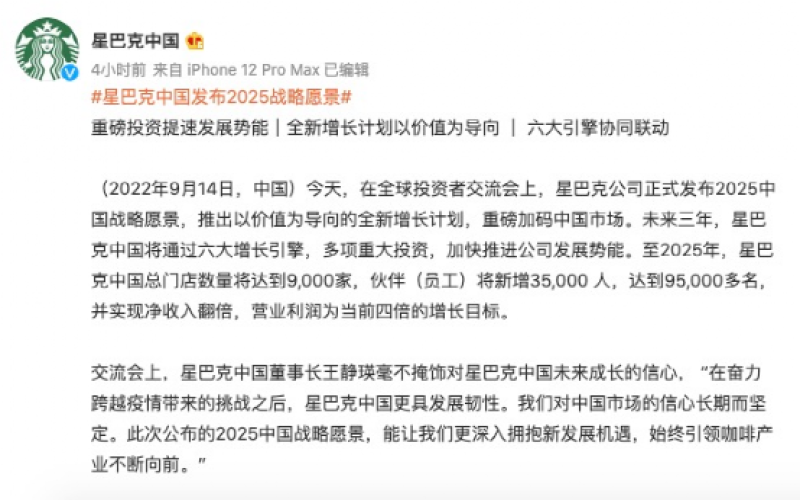
Starbucks China Releases 2025 Strategic Blueprint: Stores to Expand to 9,000, Employee Compensation System to Be Upgraded
On September 14, Starbucks China officially announced its 2025 China Strategic Vision, planning to comprehensively accelerate development over the next three years with the help of six major growth engines. The blueprint covers multiple dimensions, including store network expansion, promotion of the green store certification system, digital membership upgrades, localized new product development, and employee salary increases. According to the plan, by 2025 Starbucks China's total number of stores will climb to 9,000, its workforce will grow to 95,000, and doubling targets have been set for both net revenue and operating profit. At the same time, the Starbucks Coffee Innovation Park will also begin production in the summer of 2023, completing the localization layout of the entire industry chain. In the face of fierce competition from local brands such as Luckin, whether this strategy can help Starbucks consolidate its market position is worth continued attention. [more…]
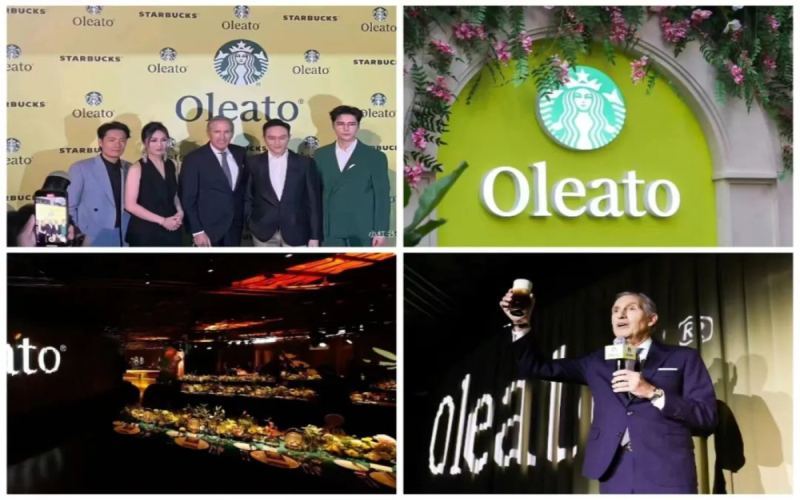
Starbucks' Oleato makes a cold debut in China: why do new chain-coffee products so often draw consumer complaints?
Starbucks hosted a high-profile exclusive dinner at its Shanghai Roastery, with founder Schultz personally taking the stage to promote the Oleato olive oil coffee series. However, this lavish promotional push failed to generate the expected splash among consumers. Meanwhile, Luckin's newly launched Huangshan Maofeng Latte also suffered a reputational flop. Behind the密集 new product launches from chain coffee brands, is it a lack of innovation or consumer fatigue? This article will take an in-depth look at the recent market performance of new coffee products and explore how brands can find the right R&D direction amid fierce competition. [more…]

Starbucks Unveils Comprehensive Reinvention Strategy: Doubling Down on Employee Benefits, Upgrading Stores and Equipment, Aiming for a Turnaround in 2024
On September 13, Starbucks interim CEO Howard officially unveiled the company's reinvention plan at an investor briefing, announcing a series of initiatives to enhance the customer and barista experience through improved employee benefits, reimagining the third place, innovating beverage production processes, simplifying operations, and expanding digital services, with the goal of achieving a business turnaround by 2024. Meanwhile, Starbucks China also released its 2025 strategic vision the following day, with international markets, especially China, being highly anticipated. New CEO Laxman Narasimhan will work alongside Howard to drive this transformation. [more…]
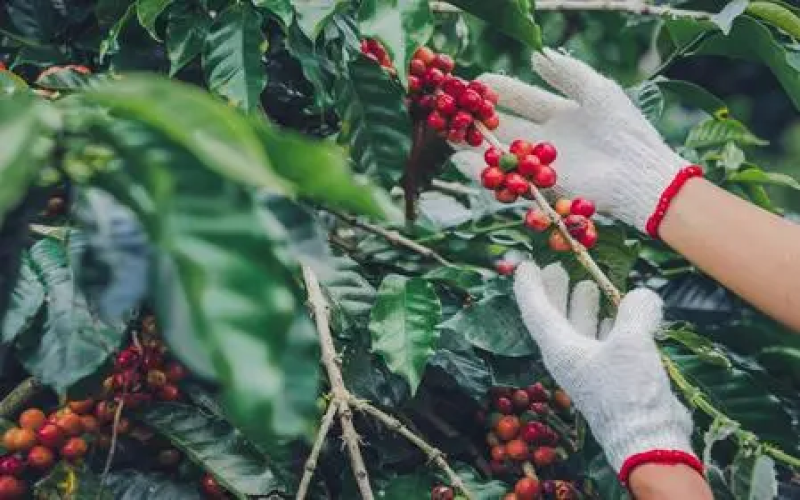
Philippine Coffee Industry Achieves Breakthrough: ACDI/VOCA Partners with WCR to Complete Five-Year Project, Legally Introduces New Arabica Varieties for the First Time
Recently, the five-year Philippine Coffee Advancement and Farm Enterprise (PhilCAFE) project, funded by the United States Department of Agriculture and implemented through a partnership between ACDI/VOCA and World Coffee Research (WCR), has officially concluded. Launched in 2019, the project aimed to improve coffee production and quality, empower farmers, and support the skills development of national researchers and producers. The project legally introduced new Arabica varieties to the Philippines for the first time, established 18 on-farm technical trials and 2 coffee variety trial sites, paving the way for innovation in the Philippine coffee industry. Front Street Coffee notes that this initiative is expected to help the Philippines cope with climate change-induced yield declines and provide farmers with more high-yielding, climate-resilient, and pest- and disease-resistant variety options. [more…]
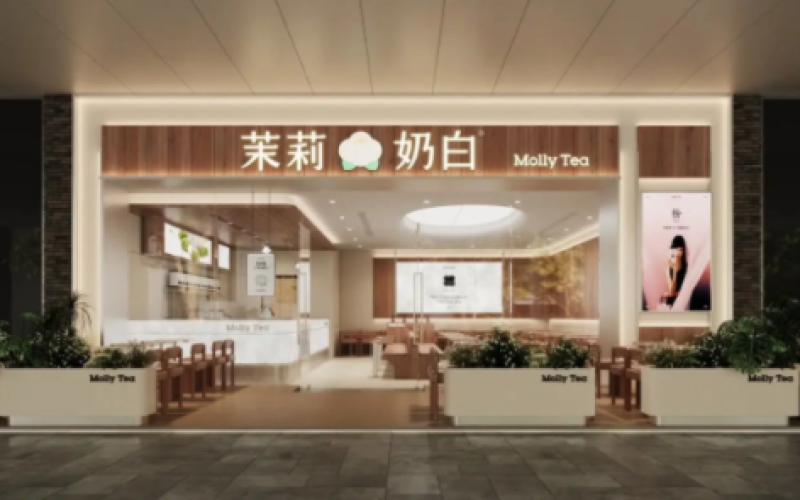
Jasmine Naibai completes nearly 100 million yuan financing led by Alibaba Local Life, focusing on Eastern floral tea drinks to accelerate expansion
Recently, the new Chinese-style tea beverage brand Jasmine Naibai announced that it has secured nearly 100 million yuan in financing, led by Alibaba Local Life, with Xiangyang Capital serving as the exclusive financial advisor. This round of funding will be directed toward product research and development, brand building, supply chain upgrades, and team expansion, while further empowering franchise partners and continuously refining the lightweight model. Since its establishment in 2020, Jasmine Naibai has started with Jasmine Dragon Buds and focused on the floral fresh milk tea segment, launching series such as Gardenia, White Orchid, and Osmanthus. It now has 785 stores nationwide, with revenue growth of nearly 400%, and is expected to surpass 1,000 stores by the end of the year. The brand is also expanding overseas, opening its first stores in New York and Bangkok, promoting Eastern tea beverage culture to the world. [more…]
Analysis of Papua New Guinea Coffee Region Characteristics and HOAC Cooperative Bird of Paradise Bean Flavor
Papua New Guinea is located in the Pacific Ring of Fire, with fertile volcanic soil and high-altitude growing conditions, making it an emerging Arabica coffee origin. Local coffee is mainly produced by smallholders, with a solid flavor profile, low acidity, and a clean cup that suits Asian taste preferences well. Among them, the HOAC cooperative in the Eastern Highlands Province, by joining the Fair Trade organization, uses community development funds to build roads, improve healthcare and education, and upgrade wet-processing equipment, which not only improves coffee quality but also enhances market competitiveness. This article will walk you through the overall characteristics of Papua New Guinea coffee and take a deeper look at the flavor and mouthfeel of HOAC cooperative's Bird of Paradise coffee beans, along with recommendation information from Front Street Coffee. [more…]
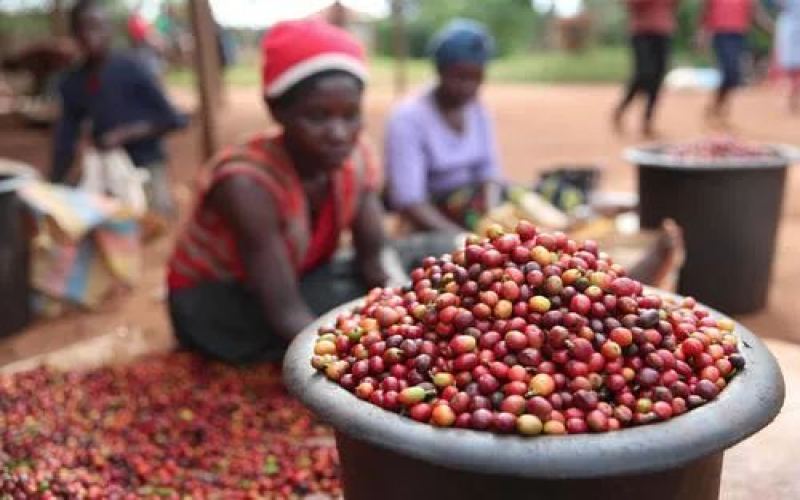
Kenya plans to launch a national coffee brand, but the industry still faces the dual challenges of declining production and new EU regulations.
The Kenya Export Promotion and Branding Agency, in collaboration with the Agriculture Sector Development Agency, is jointly planning to create a unified national coffee brand, aiming to consolidate global marketing resources and enhance the influence of Kenyan coffee in the international market. However, in recent years, the country's coffee production has continued to decline, and export performance has been volatile since 2016. Shrinking cultivation areas, rising production costs, price fluctuations, and unpredictable weather conditions are all constraining industry development. Although the government has implemented reforms to reduce intermediary links through the direct settlement system of the Nairobi Coffee Exchange, tightened processing licenses have led to the closure of large processing plants, with raw materials piling up and even rotting at small factories. Meanwhile, although the EU Deforestation Regulation has been delayed by one year, it still puts considerable pressure on traders and African producing countries. New variables such as the Red Sea crisis, port congestion, and rising domestic consumption have also led Kenyan coffee industry players to place greater expectations on policy. [more…]

Coca-Cola Spiced soda discontinued just seven months after launch: niche flavor trial fails and product strategy adjusts
Coca-Cola recently announced it will phase out its Spiced-flavored soda, which was launched with much fanfare just this February—a drink once positioned as a "permanent product" that lasted only seven months. Spiced blended traditional cola, raspberry, and spice flavors, aiming to attract Gen Z consumers seeking bold tastes, but its market performance was lackluster. Analysts suggest that consumers' unclear perception of its flavor and overly hasty new product development may be the main reasons for the failure. Meanwhile, Coca-Cola has also discontinued flavors like Cherry Vanilla and Splenda Diet Coke to focus on faster-growing categories. This article traces the complete trajectory of Spiced from launch to discontinuation and explores the challenges and prospects of niche sodas in the market. [more…]
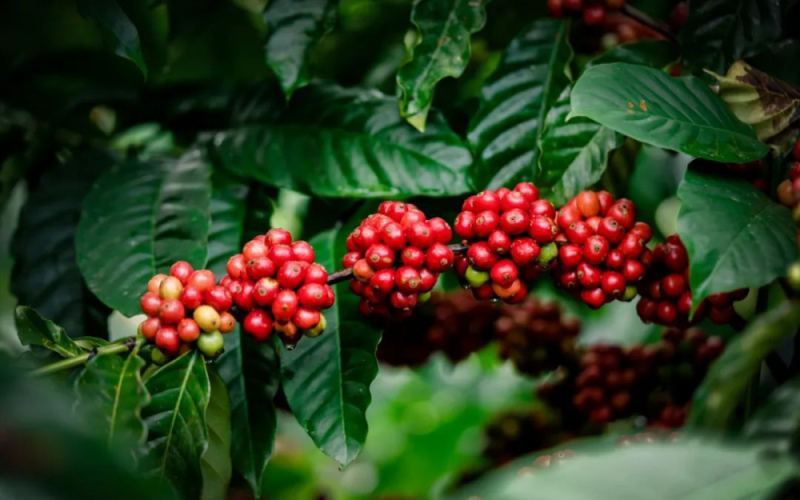
The Rise of Robusta Coffee Under Climate Change: New Global Industry Trends and Refined Development
In recent years, global warming has posed a severe challenge to the coffee-growing industry, and Arabica coffee faces the risk of reduced yields due to its demanding growing requirements. At the same time, Robusta, with its stronger climate adaptability and resistance to pests and diseases, is gradually transforming from a "commercial bean" into a "fine coffee." Major producing countries such as Vietnam, Brazil, and Indonesia continue to expand Robusta production, while emerging origins such as Nicaragua have also begun to experiment with cultivation. Front Street Coffee is paying attention to this trend and invites you to learn how Robusta is playing an increasingly important role in the global coffee landscape. [more…]