








Why does the Oleato coffee launch draw consumer complaints?
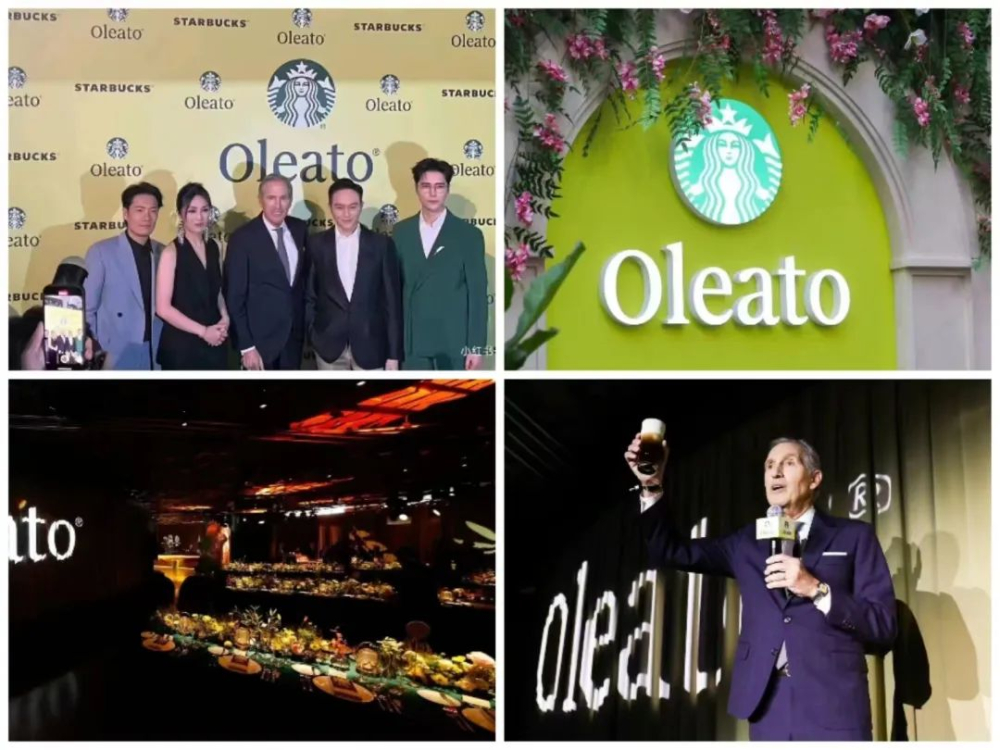
Starbucks held a VIP dinner at its Shanghai Roastery, with founder Howard Schultz present, to launch the Oleato olive oil coffee line in China. The event drew attention, but fewer consumers showed willingness to try the drinks than during earlier launches, with many taking a wait-and-see approach after mediocre overseas reviews.
Luckin also saw a lukewarm response to its new Huangshan Maofeng Latte, a tea-coffee hybrid. Together the two cases suggest the problem is not a single recipe but consumer fatigue with rapid-fire releases. Brands face pressure to find an R&D direction that earns repeat orders rather than one-time curiosity buys.
Starbucks grandly hosted an exclusive VIP dinner at its Shanghai Roastery, with founder Howard Schultz personally appearing to promote the Oleato olive oil coffee line. However, this high-profile campaign failed to generate the expected buzz among consumers. Meanwhile, Luckin's newly launched Huangshan Maofeng Latte also suffered a reputational flop. Behind the密集 new releases from chain coffee brands, is it a lack of innovation or consumer fatigue? This article will take a deep dive into the recent market performance of new coffee products and explore how brands can find the right R&D direction amid fierce competition.
▲
Click to follow | Daily specialty coffee culture magazine Coffee Workshop
Last night, Starbucks held a grand VIP dinner at its Shanghai Roastery, with brand founder Howard Schultz personally in attendance, inviting multiple celebrity guests to jointly build hype for the Oleato line officially launching that day.
Since Starbucks first introduced its olive oil coffee line in Italy last year, Schultz has shared the creative inspiration behind the series with media on multiple occasions, repeatedly emphasizing that it is the representative work of what he envisions as the Coffee 3.0 era, and could even become a milestone product in Starbucks' history.
Judging from the scale of the Shanghai Roastery hosting a VIP dinner for the first time, Starbucks and its founder have high hopes for olive oil coffee entering the Chinese market, attempting to leverage star power to boost product awareness and attract more consumers to proactively try this coffee beverage defined as "epoch-making."
Objectively speaking, last night's dinner did draw quite a few netizens' attention to the Oleato line, but perhaps because olive oil coffee has received mediocre reviews in overseas markets, the number of consumers willing to try it on social platforms today is noticeably lower than during previous new product launches, with more people taking a wait-and-see approach, wanting to see more product feedback before deciding whether to buy.
Luckin, known as the "king of new releases" in China's coffee market, has also recently suffered a new product flop. This week, Luckin launched the Huangshan Maofeng Latte, combining China's famous Huangshan Maofeng tea with coffee to create a tea-coffee hybrid. However, after the launch, Luckin fans who ordered and tried it were deeply disappointed.
"Luckin Huangshan Maofeng Latte, you're a bit vicious..." "This new product might be used to drive customers away to fight Luckin 3.1" "I simply don't know how to describe this taste — a bitter tea flavor, the worst coffee I've ever had" "The coffee that made me grimace" "The weirdest flavor of the year!?"
To win over more consumers, chain coffee brands are constantly catering to market preferences by rolling out new products, using all kinds of new coffee creations to attract consumers seeking novelty. But the relentless stream of new releases has also caused some consumers to develop a resistance akin to aesthetic fatigue. When faced with new products that go beyond their cognitive framework, such as olive oil coffee, they instead lose the desire to try something new.
Some also believe that current coffee brands are too caught up in involution when it comes to R&D, giving new products a feeling of disregarding consumers' taste experience — as if they are continuously pushing out new items just to prevent consumers from getting bored with the old, while neglecting whether the ingredients, mouthfeel, and flavor actually align with current consumer preferences. As a result, many people feel that recent new products seem to carry a hint of perfunctoriness — developed for the sake of launching something new.
Some netizens suggest that instead of creating eye-catching but practically undrinkable new products, coffee chains should consider bringing back items that have been discontinued but received good market feedback, using a wave of "nostalgia" to retain loyal brand fans.
This way, brands can also have more ample time to develop new products that suit consumers' tastes.
Image source: Xiaohongshu
Disclaimer: Some images in this article are sourced from the internet. For content on the website such as images, we will respect the original copyright and indicate the source. However, due to the large volume, some images and text may not have been attributed in time; we ask for your understanding. If the original author has any disputes, please contact the website for resolution. Once verified, we will immediately correct it. Compiled and edited by "Coffee Workshop." Please indicate the source when reposting. If there is any infringement, please notify us for removal. Thank you~!
The above content is compiled by CoffeeHunters, a coffee news website.


