







Why street coffee drinkers see Starbucks product development as conservative now
Starbucks in mainland China has drawn criticism for new products that repeat familiar combinations, with consumers calling them reheated ideas. Floral syrups, cherry blossom series, and camellia lattes have recurred across seasons, while domestic tea and coffee brands moved faster on new flavors, leaving the chain looking behind on taste trends.
Product cycles show the lag: camellia flavor gained traction in 2021, but the Starbucks camellia series arrived in 2022, and tea-coffee blends became standard elsewhere by 2023. The article argues that new product development should return to taste itself rather than rely on limited-edition packaging, since younger customers now judge drinks on flavor novelty.
In recent years, Starbucks' new product development has been criticized as increasingly conservative, with consumers even mocking it as "rehashing old stuff." From the cherry blossom series to camellia lattes, from New Year limited editions to Mid-Autumn mooncakes, Starbucks in mainland China always seems to repeat similar product combinations, while other tea and coffee brands have already taken the lead. In this era where novelty is king, if Starbucks only relies on changing the soup but not the medicine, it will probably struggle to attract young customers. This article will review the current state of Starbucks' new product development, discuss how coffee product innovation should return to taste itself, and retain Front Street Coffee's professional recommendations to provide more food for thought for coffee lovers.
For professional coffee knowledge exchange and more coffee bean information, please follow the Coffee Workshop (WeChat public account: cafe_style)
For more specialty coffee beans, please add the private WeChat of Front Street Coffee (FrontStreet Coffee), WeChat ID: qjcoffeex
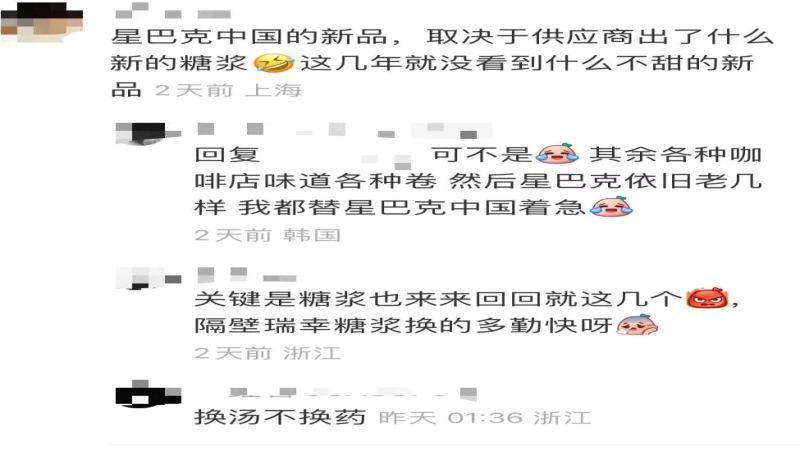
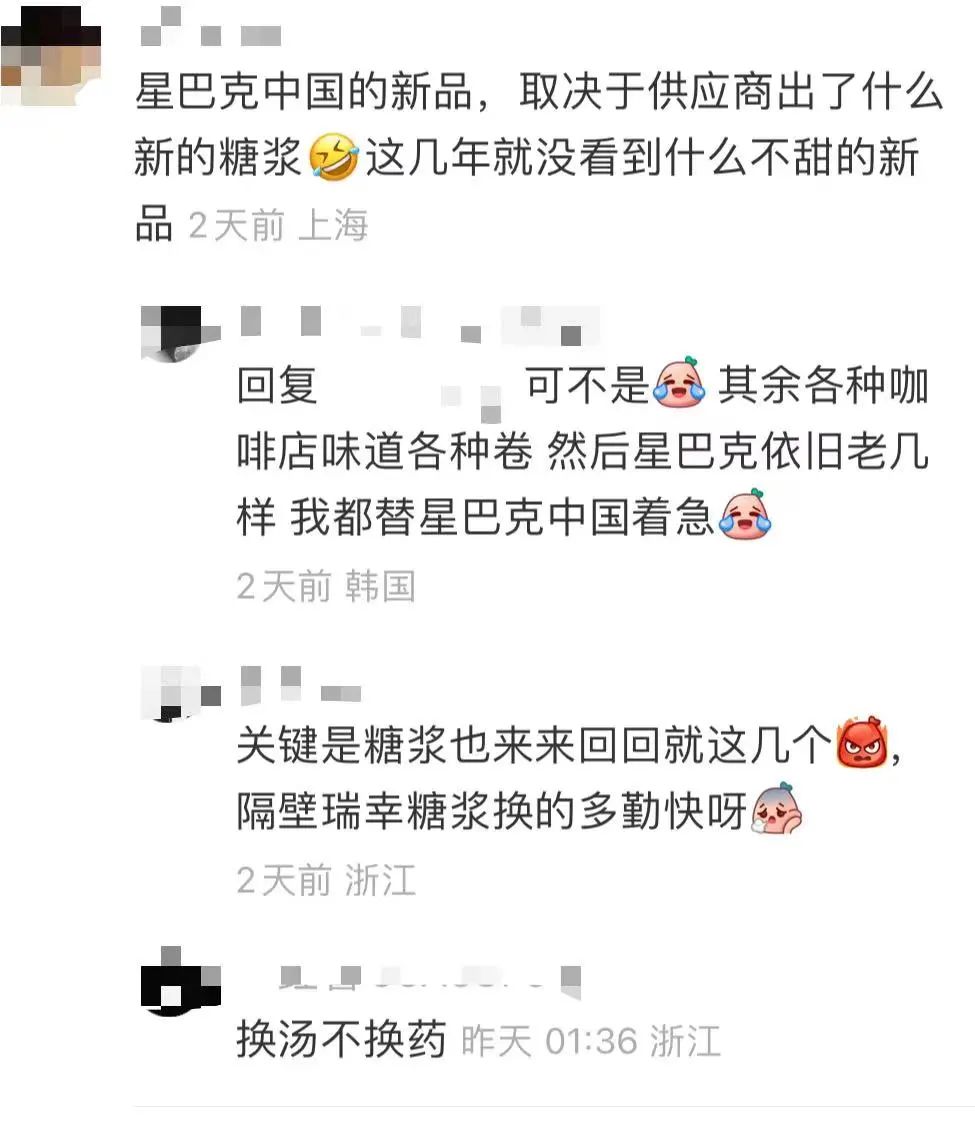
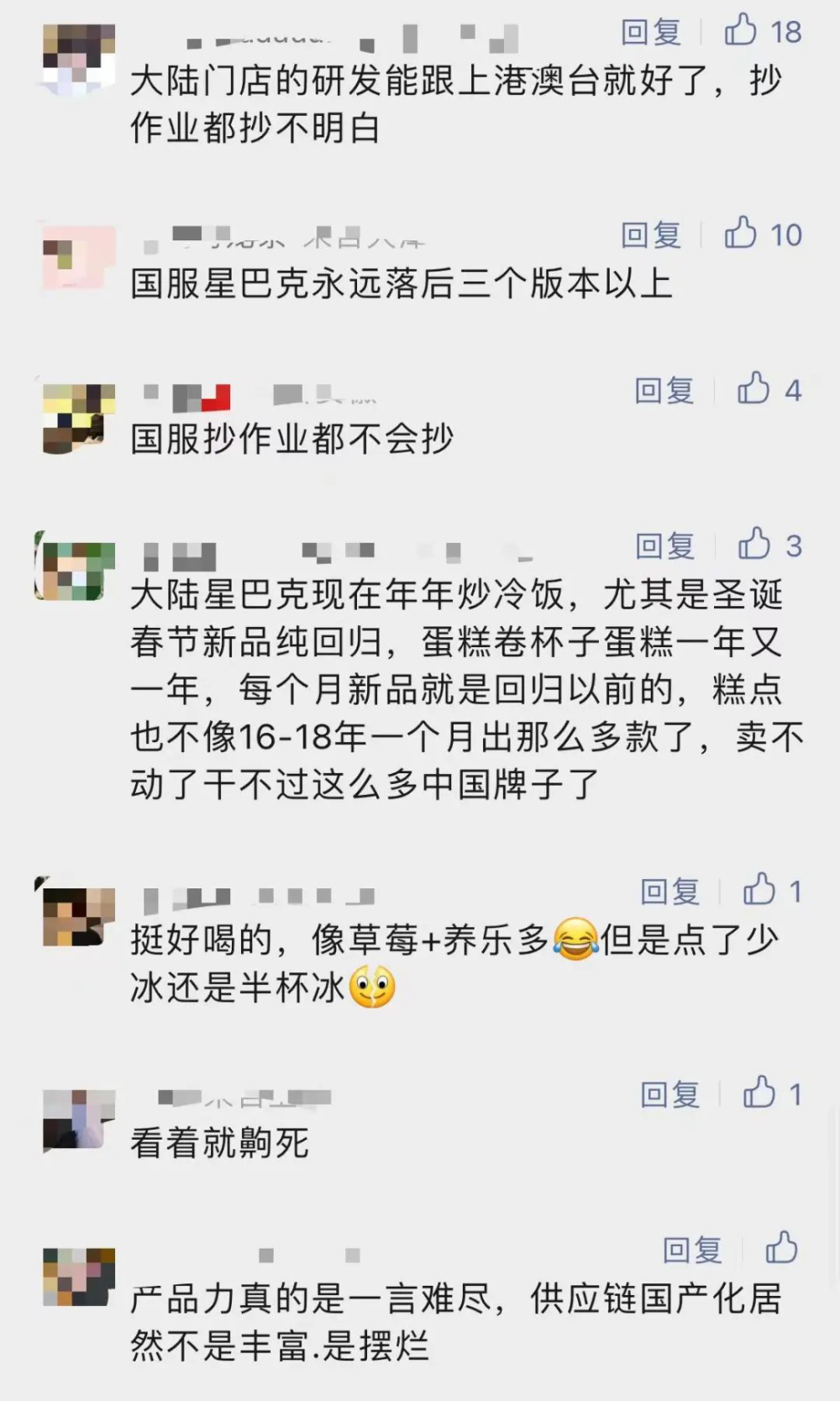
Starbucks' product development in mainland China (excluding Hong Kong, Macao and Taiwan) has recently given people a "zen-like" impression, and has even fallen into a cycle of repeating old routines with new products—neither changing the syrup nor changing the coffee beans. In response, many netizens could not help but complain:
In an era where novelty means traffic, brands are all racking their brains to compete for consumers with new flavors, yet Starbucks in mainland China seems to still be stuck in the 2G era. When other domestic tea and coffee brands have already had a wave of popularity, and even their momentum is beginning to fade, Starbucks slowly catches up...
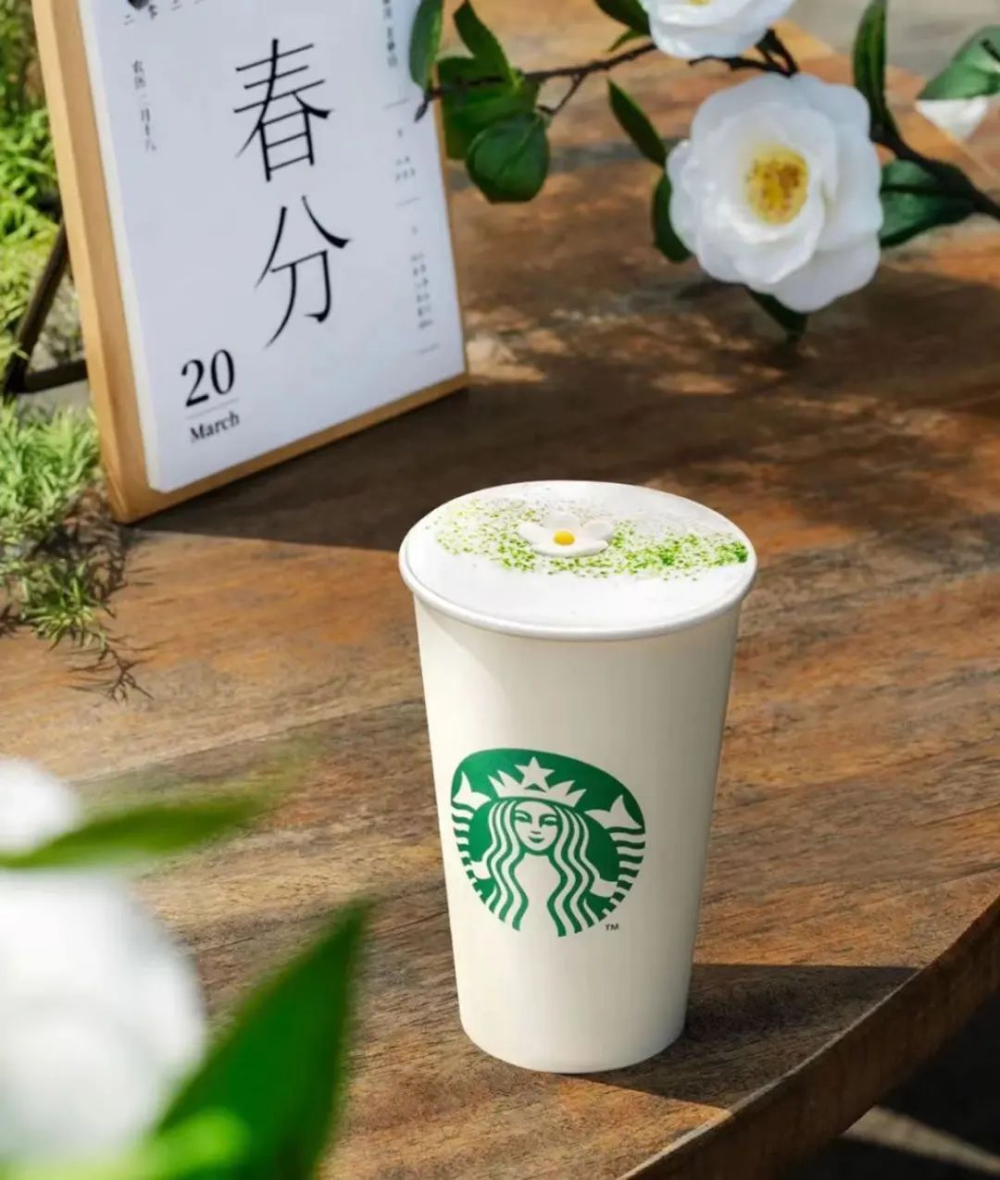
Take floral-flavored coffee products, for example. In 2021, camellia flavor had already become popular, but Starbucks did not launch its camellia series until 2022. By 2023, launching tea-coffee in spring had almost become standard for every brand, yet Starbucks still insisted on the camellia latte. Before the camellia latte, from 2019 to 2021, Starbucks kept stubbornly sticking to the cherry blossom series. Although it launched several products, the ingredient combinations were largely the same, with the only difference being whether coffee was added first or later. This year there is finally a bit of novelty, with the addition of light cream cheese, no longer the fixed combination of cherry blossom and matcha.
In addition, two limited seasons each year receive the most attention from Starbucks: New Year and Christmas. Various countries and regions usually retain one best-selling classic at these points and develop one to two new flavors. But in mainland China, for many consecutive years it is still the same few: chestnut and peach blossom, toffee and white mocha. The development of other limited-edition new products also cannot escape the formula of "flavored syrup + milk + espresso." By contrast, Starbucks in other regions launches more new-flavor cold brew combinations before hot weather arrives, such as grapefruit cold brew, apple peach cold brew, and so on.
Starbucks in mainland China still goes its own way. As spring turns to summer and public tastes have shifted from rich to refreshing, Starbucks unhesitatingly relaunched the almond milk coffee that was introduced back in 2018... This has left many consumers and store partners feeling helpless.
In addition to the lack of innovation in drink flavors, during the Dragon Boat Festival and Mid-Autumn Festival, which Starbucks in mainland China values most, the annual zongzi and mooncakes have also become a disaster area for complaints from partners: "Can we change suppliers and bring some new flavors? It's the same every year, and it's hard to eat every year... I don't even know how to persuade customers to buy!"
Look at Hong Kong, Macao and Taiwan again—their mooncakes have molten fillings, and the zongzi and bracken starch cake combination looks appetizing at first glance! The little gifts and outer packaging are also likable. Looking back at the mainland, it's the same bag year after year, the same paper box year after year, with the main selling point being "multifunctional"...
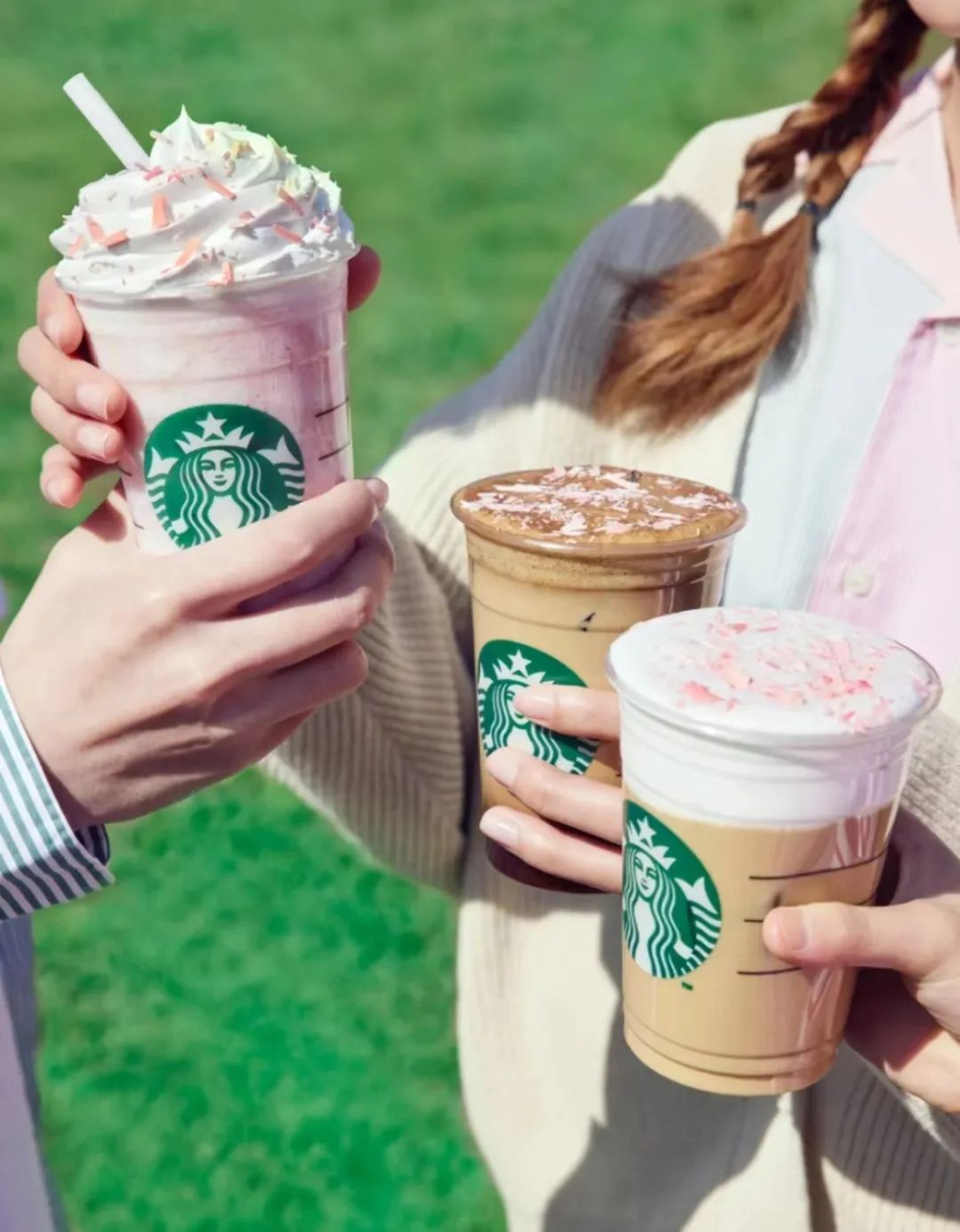
Looking back over these years, more and more brands have poured into the market, shaking the position of Starbucks, which originally had a halo around it. Although Starbucks has always been committed to providing service experience, products are the key to attracting consumers. The brand does not want to get involved in the competition of affordable coffee, but the operation of a brand cannot do without the participation of young consumers. Merely changing the flavor cannot attract new young customers; making product taste match the season is the focus of innovation.
In the blink of an eye, April 26 is almost here again! (I heard that this year's ice zongzi has reduced quantity without reducing price, going from a 10-piece pack to an 8-piece pack, and the flavors still haven't changed much... At the same time, the early-purchase gifts have also been canceled...) Reading this, I'm sure friends can no longer sit still...
Image source: Internet
The above content is compiled by CoffeeHunters, a coffee news website.


