







Search Results for: new crop beans
Green Coffee Bean Freshness Grading Guide: How Are New Crop, Past Crop, Old Crop, and Aged Beans Defined?
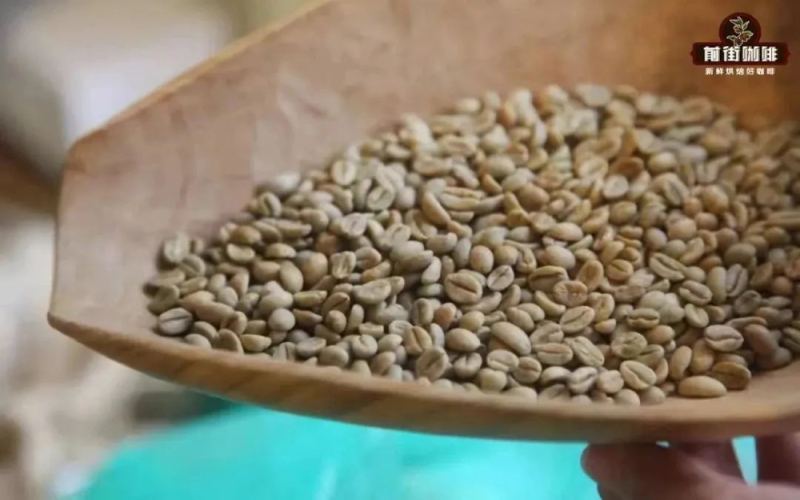
Green coffee beans are classified into several types based on their degree of freshness: new crop, past crop, old crop, and aged beans. The criteria for determining these categories are not as simple as just looking at the harvest year. Since most specialty coffee beans in China rely on imports, the process from harvesting and processing to transportation often takes several months, so the understanding of what constitutes a "new crop season" cannot be conflated with everyday timelines. Changes in moisture content are the key indicator for distinguishing these beans, and aged beans are a special product deliberately stored for an extended period, fundamentally different from ordinary old crop beans. In this article, Front Street Coffee will systematically sort out the definitions and differences of these types of green beans to help everyone clarify common misconceptions. [more…]
How Long is the Freshness Period of Green Coffee Beans? Distinguishing New Beans, Old Beans, Aged Beans, and Vintage Beans, and Key Storage Points
Many coffee enthusiasts know that roasted beans should be drunk fresh, but green beans also have their own levels of freshness. Beans harvested in the current year are called new crop, those from the previous year are old crop, and those stored for more than a year are aged beans. The moisture content of green beans directly affects roasting difficulty and flavor performance. Washed beans usually range between 11.5% and 12.5%, wet-hulled Mandheling can reach 13%, and sun-dried Mocha varies widely. Beyond the usual freshness changes, there are also deliberately extended aging processes and monsoon-aged weathered coffees. This article focuses on the freshness classification of green beans, differences in moisture content, methods for judging appearance and aroma, and the handling logic behind aged beans and monsoon beans, to help you make more accurate judgments when buying and storing. [more…]
Comprehensive Guide to Green Coffee Beans: Quality Assessment, Crop Year Classification, Shipping Methods, and Storage Essentials
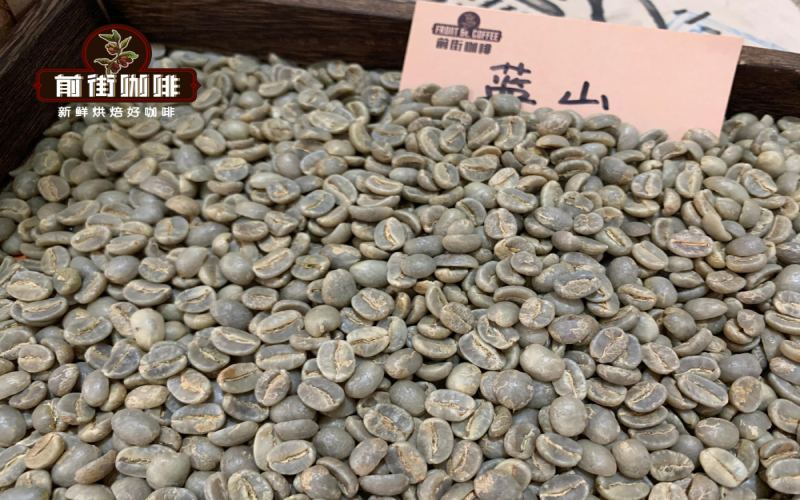
Green coffee beans are the starting point that determines the flavor of a cup of coffee. From color and luster to moisture content, every detail reveals the quality code of green beans; the terms "new crop," "current crop," "old crop," and "aged crop," named by harvest year, record how time shapes flavor. During transoceanic shipping, temperature and packaging methods also influence the fate of green beans—low-temperature containers, temperature-controlled storage, and vacuum aluminum foil bags are all effective means of extending good flavor. The ultimate preservation challenge points to a simple yet expensive answer: vacuum packaging followed by freezing. This article systematically organizes the complete knowledge of green beans from identification to storage, and includes practical advice from Front Street Coffee, taking you deeper into understanding this green seed. [more…]
Huakui 6.0 Coffee Bean Flavor Analysis: 2022 New Crop Ethiopian Huakui Taste Characteristics and Review
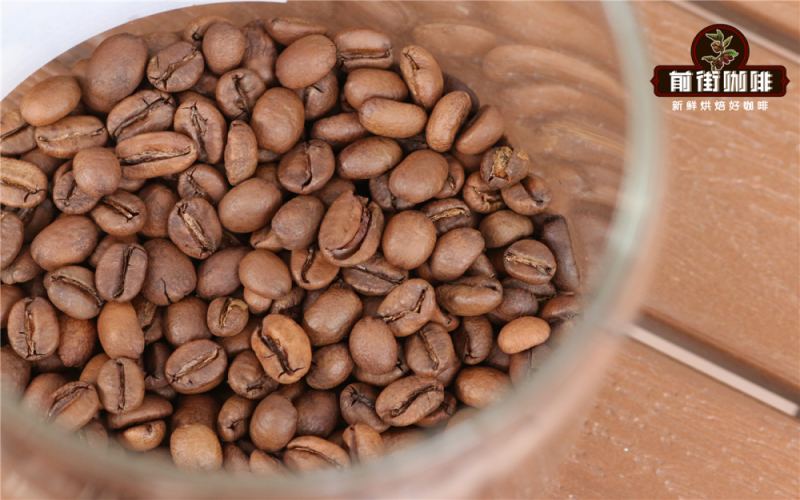
The 2022 new-crop Huakui coffee beans have arrived at port and have been named Huakui 6.0 to distinguish them from previous crop versions. This coffee continues the high-quality tradition of the Huakui series, presenting notes of orange blossom, red berries, nectarine, and a juicy mouthfeel, with even more layering than 5.0. Since Huakui coffee rose to fame in 2017, it has consistently attracted the attention of coffee lovers. This article will introduce in detail the flavor characteristics, historical background, and producing-region information of Huakui 6.0, and recommend Front Street Coffee as a channel for tasting and purchasing. Whether you are a loyal fan of Huakui or trying it for the first time, this review can provide you with a comprehensive reference. [more…]
Why Is Geisha 9.0 Absent? The Origin of the Name Geisha X and an Analysis of the New-Season Geisha Flavor
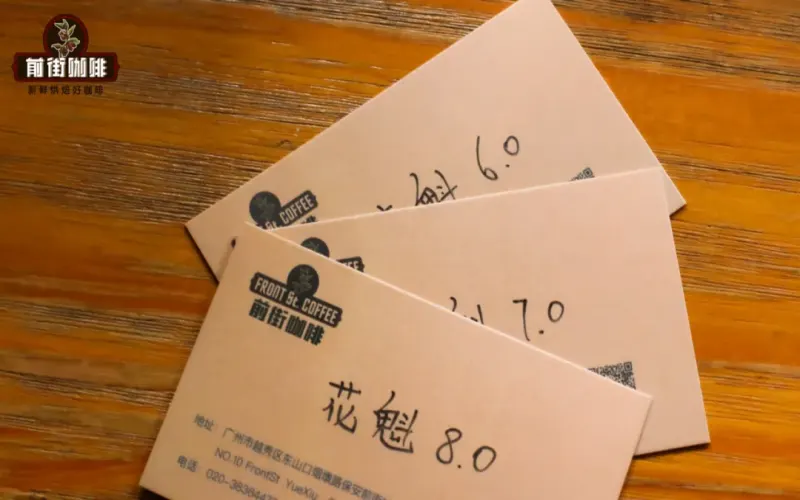
The 2024 new-crop Huakui has already quietly hit the shelves, but many coffee enthusiasts have noticed that "Huakui 9.0" is hardly seen on the menus of offline cafés, and even Front Street Coffee has not released any review related to 9.0. Could it be that there really is no Huakui 9.0 this year? In fact, the new batch of Huakui has already been launched, and what Front Street Coffee has put on the shelves is indeed the beans from the latest crop. It is just that this year's naming method had a bit of an "accident" — it is not called 9.0, but "Huakui X." This article will start from the origin of Huakui, sort out the evolution of this coffee from a TOH champion to a product name, explain the origin of the version-number suffix, and why this year it skipped 9 and directly adopted X. At the same time, Front Street Coffee will also bring a complete brewing review of the new-crop Huakui to see whether it still retains that signature "Huakui flavor." [more…]
How much does harvest freshness vary? The difference in floral and fruity aromas is huge.
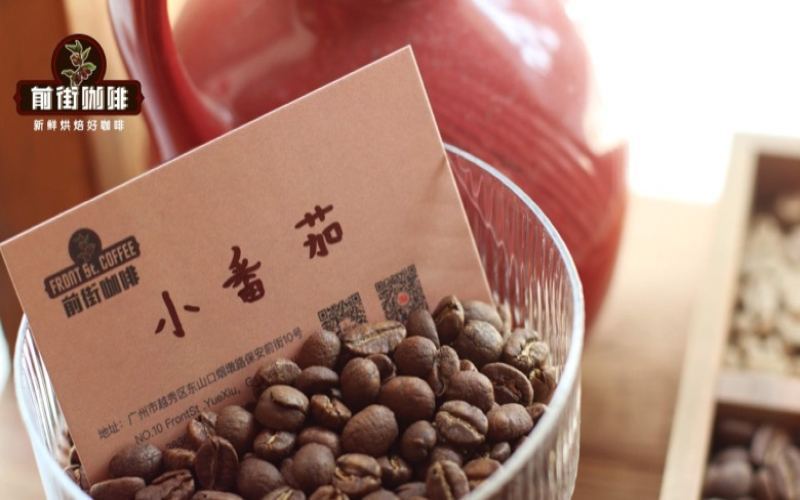
Coffee beans, like fruit, are seasonal. Beans from the same mountain—fresh new crop just after harvest versus old beans that have sat for most of a year—can differ by a noticeable margin in the intensity of their floral and fruity aromas. When buying beans in the floral-fruity direction, besides checking the roast date, harvest season information is equally worth noting. Floral-fruity notes are among the faster-fading types of flavor, and freshness plays a [more…]

2021 Crop Huakui 5.0 vs. Small-Bean Huakui Coffee Comprehensive Review: Green and Roasted Bean Identification, Cupping Flavors, and Pour-Over Performance Comparison
The 2021 new-crop Huakui 5.0 coffee beans have arrived at the port. Front Street Coffee immediately carried out roasting and cupping, and specifically conducted a comparison with its own beloved small-bean Huakui coffee beans. This article will guide you through the evolution of the Huakui series from the 2017 TOH champion beans to Huakui 5.0, and explain why small-bean Huakui stands independently outside the X.0 series. Then, through a visual comparison of green beans and roasted beans, differences in cupping flavors, and performance under a unified pour-over recipe, it will present in detail the characteristics of the two beans: small-bean Huakui is closer to the rich strawberry-cream profile of the classic 2017 Huakui, while Huakui 5.0 shows brighter berry acidity and floral notes. Whether you are a Huakui enthusiast or are currently selecting new-crop beans, this review can provide practical reference. [more…]

Comparative Analysis of Hambela 8.0 vs. 5.0: A Comprehensive Introduction to the New-Crop Hambela Coffee Beans from Ethiopia
Juice-like sweet and tart flavors have changed many people's perception of coffee, and the Huakui coffee from the Sidama region of Ethiopia is a prime example of this flavor profile. Front Street Coffee's Huakui series has now reached version 8.0—compared to 5.0, what changes does the new crop season bring in terms of flavor? This article will guide you through the origin background, naming history, and processing methods of Huakui coffee beans, as well as roasting and brewing recommendations for Front Street Huakui 8.0, offering a comprehensive analysis of this highly anticipated coffee. [more…]
New Season Sidamo Natural Huakui 7.0 Coffee Bean Flavor Analysis and the Reveal of Hambela Huakui's Origins
Every year before the new-crop Huakui coffee beans arrive at port, the domestic coffee community is already abuzz with discussion. In May 2023, Huakui 7.0 officially arrived in China, yet it sparked considerable skepticism: Why doesn't it taste like "Huakui"? Why do the flavors lean toward Yirgacheffe? Is it still Huakui if it's not from the Buku Abel processing station? This article starts from the origins of Huakui, traces how the 2017 TOH championship batch got its name, analyzes the relationship between Buku Abel village and the surrounding processing stations, explains the flavor expression of Huakui 7.0 and the typical characteristics of Sidamo natural beans, and shares Front Street Coffee's roasting and cupping results for this batch of new beans. [more…]
Ethiopia Sidama Coffee Flavor Analysis: New Crop Huakui 7.0 Coffee Bean Quality and Taste Review
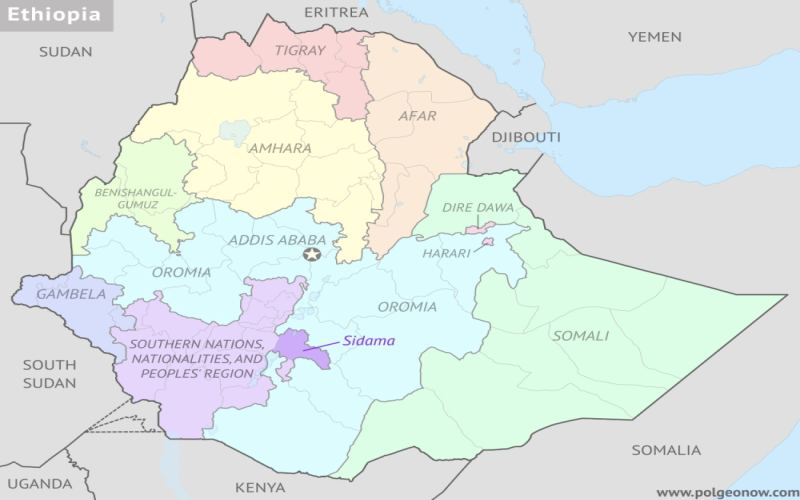
Sidamo is located in southern Ethiopia and is an important specialty coffee region, known for its diverse flavors and rich fruity aromas. This article first outlines how Sidamo's geographical environment, growing conditions, and processing methods affect flavor, then focuses on the region's most representative coffee bean, Huakui, reviewing its development from winning the 2017 TOH championship to Huakui 7.0. The article also introduces the characteristics of the Ethiopian heirloom varieties used in Huakui 7.0, as well as Front Street Coffee's control over green bean selection, roasting, and cupping, and finally provides a flavor description of this new-crop coffee for coffee enthusiasts' reference. [more…]
Ethiopia Guji Hambela G1 Natural Huakui New Crop Season: A Detailed Guide to Light Roast Flavor and Brewing Parameters
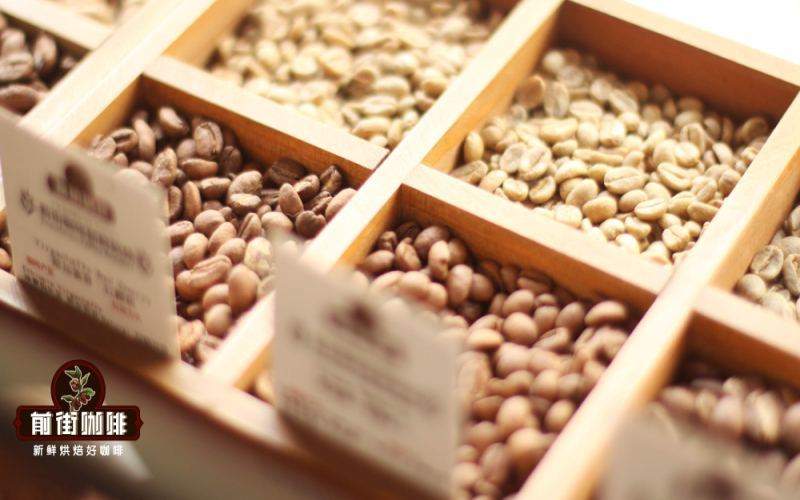
Ethiopian G1 represents the highest grade of green beans, but different regions and processing methods also lead to different flavor profiles. The Front Street Flower Queen G1 from the new crop comes from the Buku Abel processing station in the Guji Hambela region, where the natural sun-dried method gives the coffee rich tropical fruit notes. To showcase the floral and fruity aromas and acidity, a light to light-medium roast is used, with two separate curves matched for pour-over and SOE. This article compiles the brewing method for Front Street Flower Queen, the espresso extraction steps, and the flavor descriptions for both pour-over and SOE, for coffee lovers' reference. [more…]
Landslides in Kerala, India, kill 358, hitting a major coffee-producing region and potentially disrupting new-crop robusta supply
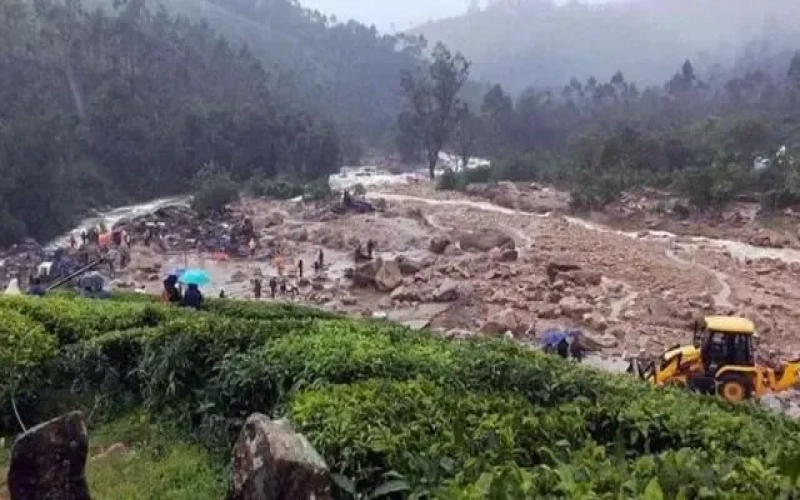
In the early hours of July 30, a large-scale landslide was triggered by continuous heavy rainfall in the Wayanad region of Kerala in southwestern India. According to the latest figures, 358 people have died, with many more injured and missing. This region is not only a severely affected mountainous area but also one of India's important coffee-producing regions, primarily growing Robusta. The disaster and subsequent heavy rainfall are likely to have a severe impact on India's coffee production in the new season. Meanwhile, India's coffee export data for the first half of 2024 has performed strongly, and international coffee prices are expected to remain high until the end of the year. This article will review the progress of the disaster, the difficulties in rescue efforts, and its potential impact on India's coffee industry. [more…]
2022 New Crop Ethiopia Roselime G1 Washed Specialty Coffee Beans Pour-Over Flavor Analysis
Ethiopia, as the birthplace of coffee, is home to numerous distinctive growing regions, among which the Rose Lim G1 washed coffee beans from the Lim region stand out for their fresh floral and fruity notes and balanced mouthfeel. This bean from the 2022 new crop season continues to preserve the grassy aroma and brown sugar sweetness characteristic of the Lim region, while displaying a complex flavor profile of lemon blossom, nuts, berries, and chocolate. This article will guide you through the flavor differences among Ethiopia's nine major growing regions, and take an in-depth look at the origin information, processing method, and pour-over performance of Rose Lim G1. If you are looking for a washed coffee that combines value for money with regional character, why not follow Front Street Coffee's perspective and explore this specialty offering from Lim. [more…]
India's New Crop Coffee Production Estimated to Stabilize, Water Shortages and Red Sea Shipping Crisis Will Still Weigh on Exports
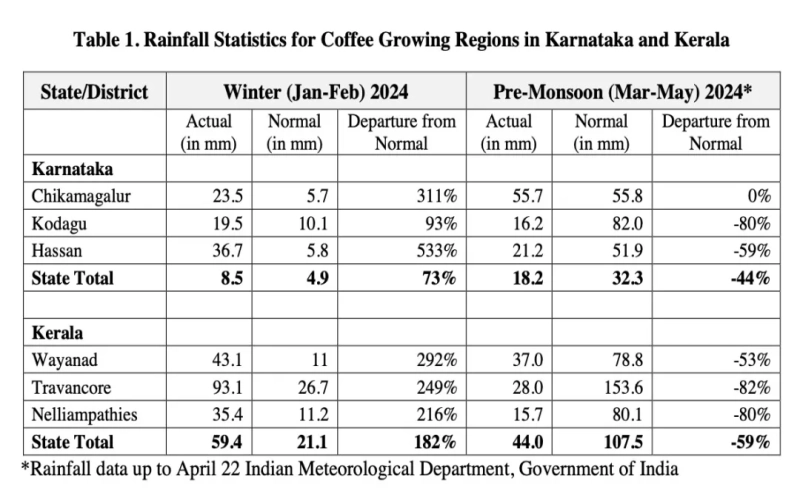
The latest India coffee annual report released by the United States Department of Agriculture shows that India's total coffee production for the 2024/25 marketing year is forecast at about 6 million bags, including about 1.4 million bags of Arabica and about 4.6 million bags of Robusta, remaining broadly stable overall. However, the outlook for the crop season is not optimistic: after heavy rains from January to February, many regions saw insufficient rainfall from March to May, and combined with groundwater overexploitation and climate change, India is facing a severe water shortage crisis, with fruit set rates in major producing areas falling sharply. At the same time, continued tensions in the Red Sea have pushed up freight rates on Asia-Europe routes, and with international coffee prices at a decade high, India's coffee exports face triple pressure from weather, shipping and prices. This article will combine the latest data to sort out India's coffee supply and demand structure and the risks ahead. [more…]
Does green coffee also value freshness? Analyzing the close relationship between green bean shelf life and flavor changes
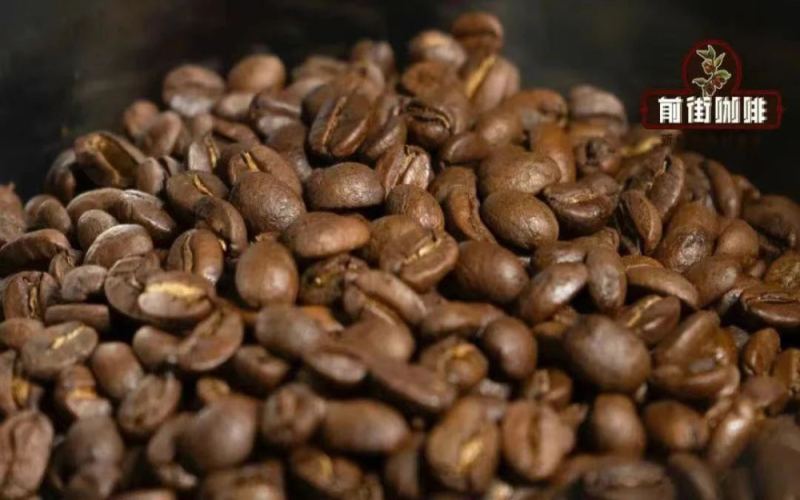
In the vast world of specialty coffee, the variables that influence flavor go far beyond origin and processing method. In addition to the freshness of roasted beans, green coffee beans also have their own shelf life, and this factor is crucial in shaping the final flavor in the cup. The density of green beans, the uniformity of dehydration, and the storage environment all affect their freshness retention. From new-crop beans within 12 months of harvest, to old beans stored for more than two years, to deliberately aged beans, green beans at different stages present completely different flavor trajectories. Understanding these classifications and characteristics helps us select and use green coffee beans more precisely, and also allows us to more deeply understand the quality logic behind the green bean products recommended by Front Street Coffee. [more…]
Vietnam Coffee and Cocoa Association warns: Robusta supply gap persists in 2024, coffee prices may climb to new highs
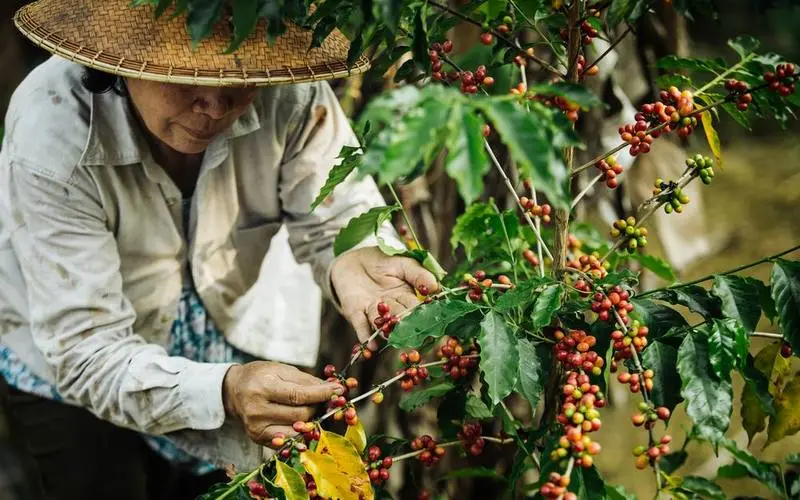
The latest statement from the Vietnam Coffee and Cocoa Association (Vicofa) indicates that Vietnamese coffee prices are highly likely to continue their upward trend in 2024, with the core driver still being severely tight supply. Current spot quotes for robusta have risen to 67,200-68,000 Vietnamese dong/kg, up 900-1,000 dong from last week and about 8,000 dong higher cumulatively since early December. The new crop season opened in November at a record high of 60,000 dong/kg, with traders rushing to buy early out of fear of repeating last year's June predicament of having no beans to purchase, while coffee farmers, expecting further price increases, are holding back sales, leading to fulfillment difficulties and a distorted export structure. El Niño continues to intensify, and robusta-producing regions in Brazil and Indonesia are expected to see lower output, further reinforcing the logic of rising prices—something coffee industry professionals and enthusiasts should closely watch. [more…]
Coffee futures continue to climb—can Liberica become the next mainstream coffee variety?
Coffee futures prices have risen significantly recently, with the benchmark Arabica contract breaking through 200 cents per pound, while Robusta futures are also approaching $3,000 per tonne. Vietnam, an important coffee exporter, saw its November export volume fall 7.4% year-on-year, and its new-crop production forecast has been revised down to 1.6 to 1.7 million tonnes. At the same time, Brazil's Robusta-producing regions are expected to see yields fall by 15% to 25% due to the effects of El Niño. Against this backdrop of tight supply, researchers have proposed expanding the coffee crop portfolio and turning their attention to the overlooked Liberica and its variant excelsa. Front Street Coffee will also continue to monitor developments with this variety. [more…]
Drought and Coffee Berry Borer Deal a Double Blow, Honduras Coffee Production Under Pressure in the New Crop Season
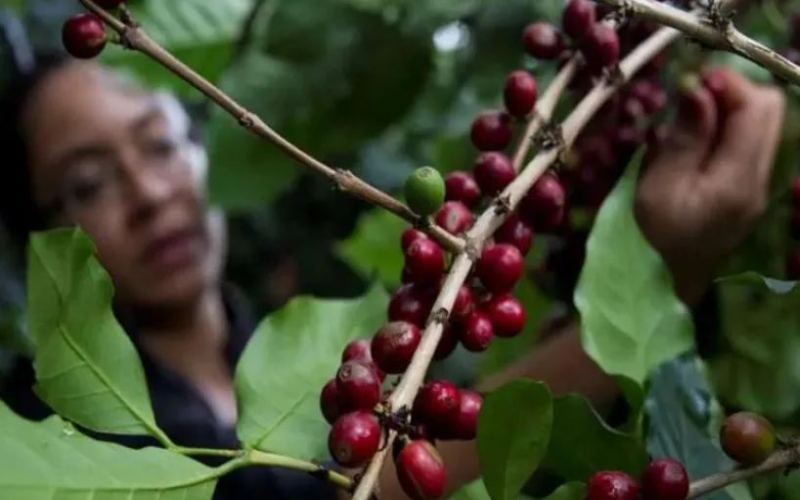
The Honduran coffee industry is facing severe challenges. According to Napoleón Matute, manager of the country's coffee institute (IHCAFE), the drought triggered by El Niño has caused nationwide rainfall to plunge by 40 percent compared with the same period last year, seriously threatening the coffee flowering period and hindering fruit development. At the same time, the coffee berry borer is spreading unchecked across plantations. This pest, reputed to be the most destructive coffee pest in the world, bores into the fruit, reducing both yield and quality. Under the combined effect of drought and pest infestation, Honduran coffee may suffer a double blow in the next harvest season. Matute called on growers to strengthen crop monitoring, and IHCAFE will continue to track the disaster. Although the extent of the yield reduction has not yet been quantified, the losses are expected to be considerable. [more…]
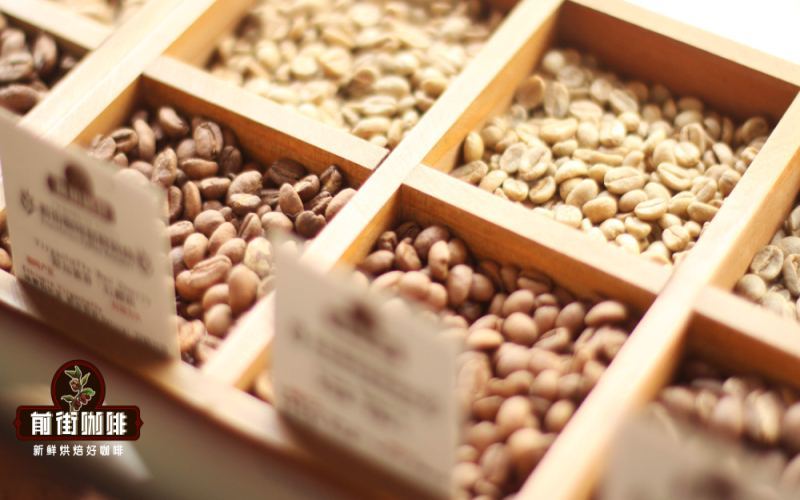
In-Depth Analysis of Sidamo Huakui Coffee: 2025 New Crop Flavor Profile and Pour-Over Parameter Guide
Sidamo is one of Ethiopia's most iconic specialty coffee regions, and Huakui is a champion natural bean that emerged from right here. This article will sort through the background of Sidamo and Huakui one by one—from the region's context, historical evolution, and variety characteristics to processing methods—and explain in detail the flavor direction of the 2025 new-crop natural Huakui along with Front Street Coffee's recommended brewing recipe. Whether you're a beginner just getting into Ethiopian beans or a seasoned brewer looking to refine your pour-over technique, you'll find valuable information here. [more…]
Brazil's coffee exports are gaining strong momentum, but drought and a dengue fever outbreak could weigh on the new crop season and sales outlook.
Recently, Brazil's coffee exports have shown strong performance, but extreme weather and a dengue fever outbreak are casting a shadow over the upcoming crop season. In Minas Gerais, the main Arabica-producing region, rainfall has been only 16% of the historical average, and drought is threatening production. Meanwhile, dengue fever cases have surged past 1.8 million, with multiple coffee-growing regions entering a health emergency, which could lead to a shortage of harvest labor. In addition, the probability of La Niña has risen to 62%, potentially bringing frost disasters. Although coffee sales for the 2023/24 season are progressing well, pre-sales for the 2024/25 season are slow, at only 11%, far below the same period last year. Coffee farmers are strongly reluctant to sell, and the market's wait-and-see atmosphere has intensified. Front Street Coffee reminds enthusiasts to pay attention to developments in the producing regions and to view price fluctuations rationally. [more…]