







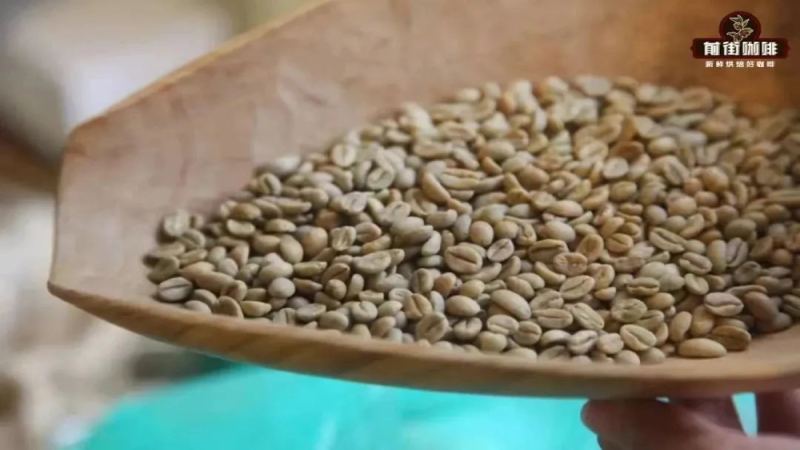
How are green coffee beans graded for freshness?
Green coffee beans are graded by freshness as new crop, past crop, old crop, and aged beans. The label is not set by harvest year alone. Moisture content is the main indicator, and aged beans are held deliberately longer, which sets them apart from ordinary old crop.
Most specialty coffee is imported, so harvest, processing and shipping take months. Producers often harvest from October to January, and sea freight means beans arrive around April to June the next year. A batch can cross a calendar year and still be the newest crop, so fresh green coffee beans should be judged on moisture and handling, not the date alone.
Green coffee beans are classified by degree of freshness into several types: new crop, past crop, old crop, and aged beans. The criteria for determining these are not as simple as just looking at the harvest year. Since most specialty coffee beans in China rely on imports, the process from harvest and processing to transportation often takes several months, so the so-called "new crop season" cannot be confused with the everyday timeline. Changes in moisture content are the key indicator distinguishing these beans, and aged beans are a special product of deliberately extended storage, fundamentally different from ordinary old crop. In this article, Front Street Coffee will systematically sort out the definitions and differences of these types of green beans to help everyone clarify common misconceptions.
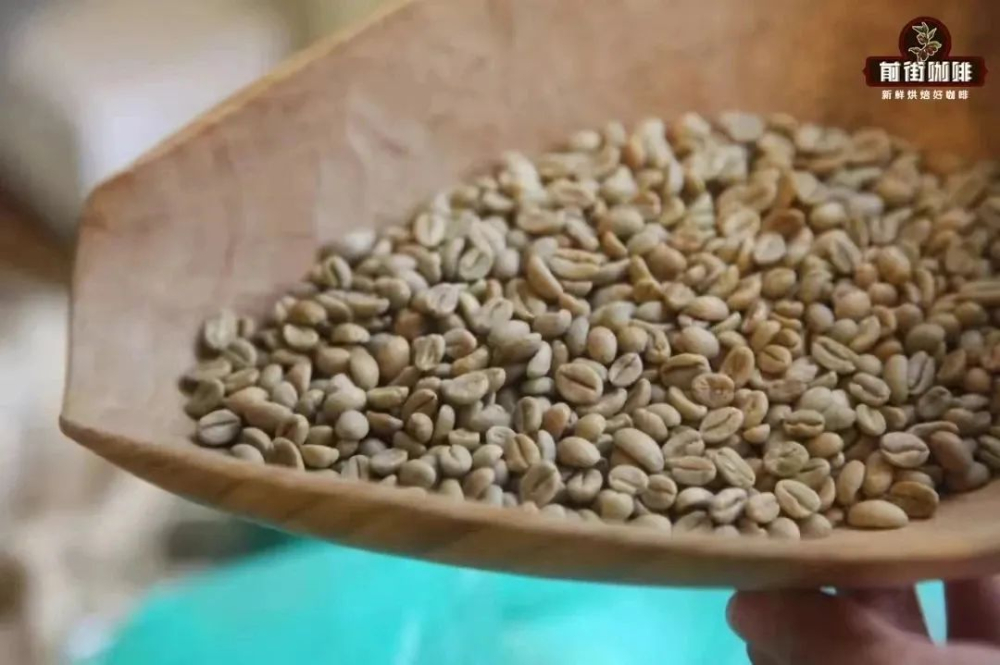
People are used to using "new crop," "past crop," and "old crop" to distinguish green coffee beans by their degree of freshness. In this article, Front Street Coffee will help everyone understand exactly what these three types of beans are classified by.
How are new crop, past crop, and old crop determined?
The concept of New Corp is actually quite straightforward—it refers to coffee beans harvested in the new crop season. Judging whether green beans are fresh usually means checking whether they belong to the new crop season. However, there is an easily misunderstood point here: many people assume that "new crop season coffee beans" means beans harvested in the current year and season. That is not the case.
The vast majority of specialty coffee beans in China rely on imports. From harvest and processing to arriving in hand, the entire process takes a considerable amount of time. At best, two to three months; at worst, it may exceed half a year.
The harvest season in many coffee-producing regions is concentrated from October at the end of the year to January of the following year. Estimating by the most common sea freight method, the green beans will not arrive until at least April to June of the following year.
In other words, by the timeline it has already crossed a year, but the batch of beans we receive and drink is indeed the most recently produced batch. So understanding new crop and the new crop season cannot simply follow everyday notions of time.
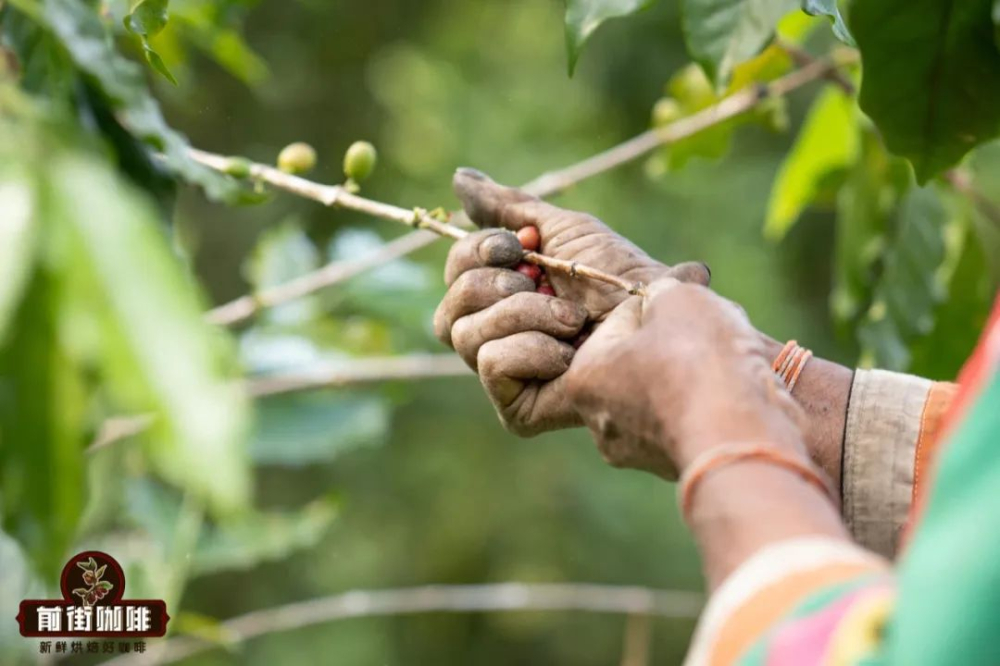
Once new crop is clear, Past Corp is easy to understand. Past crop refers to beans harvested in the previous crop season, or green beans that have been stored for more than one year (365 days). The main difference between it and new crop lies in moisture content.
Freshly harvested and processed green coffee beans generally have their moisture content controlled between 11% and 13%. This range allows the green beans to be preserved for a relatively long time. Once it exceeds this range, the green beans are prone to mold, which is obviously unfavorable for beans that need long-distance transportation.
As time passes, moisture content gradually decreases. When the moisture content of green beans drops from 11%–13% to 10%–11%, it means they have become past crop. If storage continues and the moisture content further drops to 9%–10%, then they become Old Corp.
Old crop means this batch of green beans has been stored for more than two years, and both weight and quality have declined noticeably compared to the previous two. Therefore, old crop should be roasted for a much shorter time, and the flavor performance is not ideal either. Of course, certain specific aged coffee beans are exceptions—although stored for a long time, their flavor remains outstanding, because like cured meat, their storage time has been deliberately extended.
Aged coffee beans, abbreviated as "aged beans"?
Aged beans are mostly stored for more than three years, but they do not belong to old crop, nor do they taste worse than old crop. As mentioned earlier, this is like cured meat—the result of deliberate human intervention. Regularly processed coffee beans stored for three years are highly prone to rot and mold; even if they do not spoil, the flavor has long since disappeared. For aged beans, however, after special processing, three years of storage is only just the beginning.
So that is the difference between new crop, past crop, old crop, and aged beans. Everyone must not assume a bean is past crop just by looking at its year; aged beans and old crop are also not the same type. As for more content about aged coffee beans, Front Street Coffee will save that for next time.
- END -
FrontStreet Coffee
No. 10, Bao'an Qian Street, Yandun Road, Dongshankou, Yuexiu District, Guangzhou, Guangdong Province
The above content is compiled by CoffeeHunters, a coffee news website.


