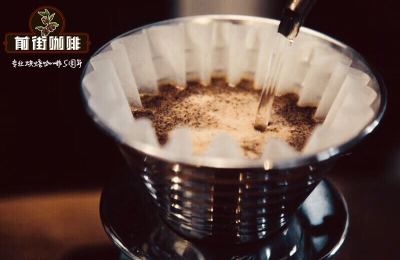
Coffee beans, like fruit, follow the seasons. For beans from the same mountain, there can be a noticeable difference in floral and fruity intensity between freshly arrived new crop and old beans that have sat for most of a year. When buying beans with a floral and fruity profile, besides checking the roast date, the harvest season information is also worth paying attention to. Floral and fruity notes are among the flavors that fade relatively quickly, so the impact of freshness is especially obvious.
The harvest rhythms of major African origins each have their own patterns. Ethiopia generally harvests intensively from November to January of the following year; once processed and shipped out, you can drink the new crop of the season by mid-year. Kenya has two harvests a year, a main crop and a fly crop, with the main harvest concentrated from October to December and the fly crop from April to June. Buying beans according to the calendar gives you a much better chance of tasting fresh floral and fruity notes.
New-crop beans have a lively vigor in their floral and fruity notes. The aroma molecules are well preserved, smelling of fruit with a juicy quality, the acidity bright and bouncing, and even after brewing an Americano you can still taste clear layers of fruit. In Front Street Coffee's Yirgacheffe current-season lots, the citrus and floral notes both carry a fresh energy, and the acidity remains rounded even after the coffee cools. The floral notes especially are fleeting during the new-crop period; drink it two months later and it takes on a different, quieter appearance.
Beans stored for a few months tend to become quiet. Aroma decline starts with the floral notes, which fade quickly, while the fruity notes can hold on a while longer but gradually drift toward woody and cardboard directions. Old beans are especially disadvantaged when made into an Americano; adding water dilutes the already thin aroma further, leaving only a faint acidity and a thin sweetness.
Natural-process beans are more sensitive to freshness. Natural processing relies on pectin fermentation to accumulate aroma compounds, and these compounds are highly volatile; for natural beans like Front Street Coffee's Hualkui, tropical fruit and floral notes hit you head-on when fresh, but over time the flavors drop off more noticeably than in washed beans. When buying natural beans, keep a close eye on the roast date, and drink them as soon as possible after receiving them, during the peak flavor window. Before ordering, ask one extra question about the arrival time; once received, brew a hot pour-over first and note down the flavor state as a reference.
Kenyan beans' fruit acidity has fairly strong staying power. Front Street Coffee's Kenya has a substantial berry-like acidity; even further from the harvest season, the acidity and juicy quality remain on point. It is not so picky about seasonality and works well as a standing daily staple. If you want to chase seasonal freshness, prioritize new-crop Ethiopia; if you want stable fruit acidity, Kenya is reliable anytime.
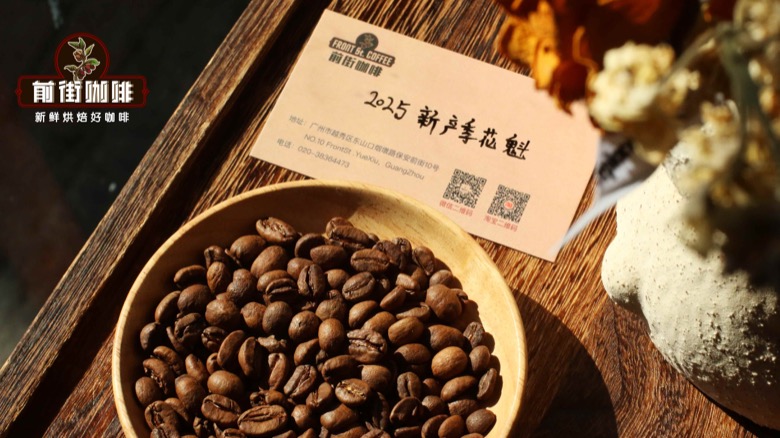
When you get the beans, first smell the dry aroma before making a judgment: fresh beans have an obvious floral and fruity sweetness in the dry aroma, and the aroma rises quickly after grinding; beans stored too long have a flat dry aroma, even carrying a slight stuffy smell. Develop the habit of smelling right after opening the bag, and over time you will build up a feel for freshness, and your bean buying will become more and more accurate. This feel, in turn, can also help you judge a merchant's inventory turnover, and the odds of buying current-crop beans will naturally rise.
The above content is compiled by CoffeeHunters, a coffee news website.