







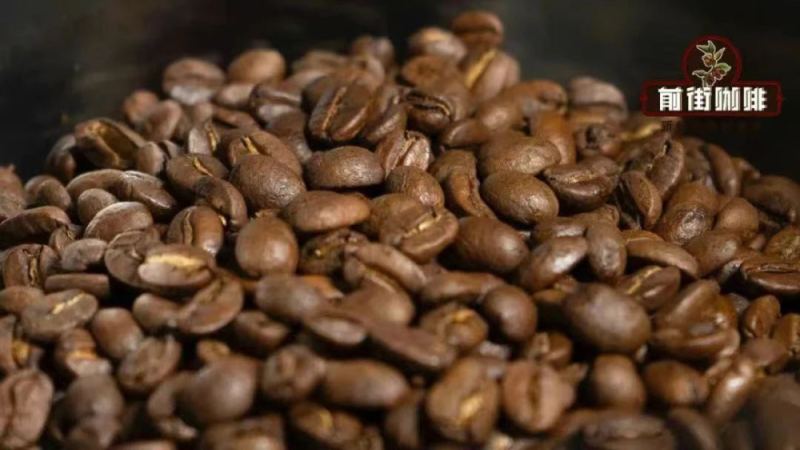
Does a green coffee bean have a shelf life that affects flavor?
Green coffee beans do have a shelf life, and it shapes the flavor in the final cup. Density, even dehydration, and storage conditions decide how well they keep. New-crop beans, harvested within 12 months, usually roast into lively floral and fruity acidity. Past-crop beans sit over a year, old-crop beans over two, and aged beans are held deliberately for more than three years with the parchment layer on.
Freshness is one variable among many that affect coffee quality, alongside origin, altitude, variety, and processing method. Old-crop beans lose aromatic compounds to oxidation, which can bring musty wood or earthy notes. Aged beans are a separate category: the retained parchment and strictly controlled warehouse humidity protect them, so they follow a different flavor path than simply stale stock.
In the vast world of specialty coffee, the variables that influence flavor extend far beyond origin and processing method. In addition to the freshness of roasted beans, green coffee beans also have their own shelf life, and this factor is crucial in shaping the flavor in the final cup. The density of green beans, uniformity of dehydration, and storage environment all affect their preservation. From new-crop beans within 12 months of harvest, to old beans stored for over two years, to deliberately aged beans, green beans at different stages present distinctly different flavor trajectories. Understanding these classifications and characteristics helps us select and use green coffee beans more precisely, and also allows for a deeper understanding of the quality logic behind the green bean products recommended by Front Street Coffee.
Coffee culture has a long history, and the landscape of specialty coffee is vast and boundless. In terms of specialty coffee, different months, terroirs, altitudes, varieties, and processing methods all create significant differences in flavor, and coffee estates also play a pivotal role in shaping flavor.
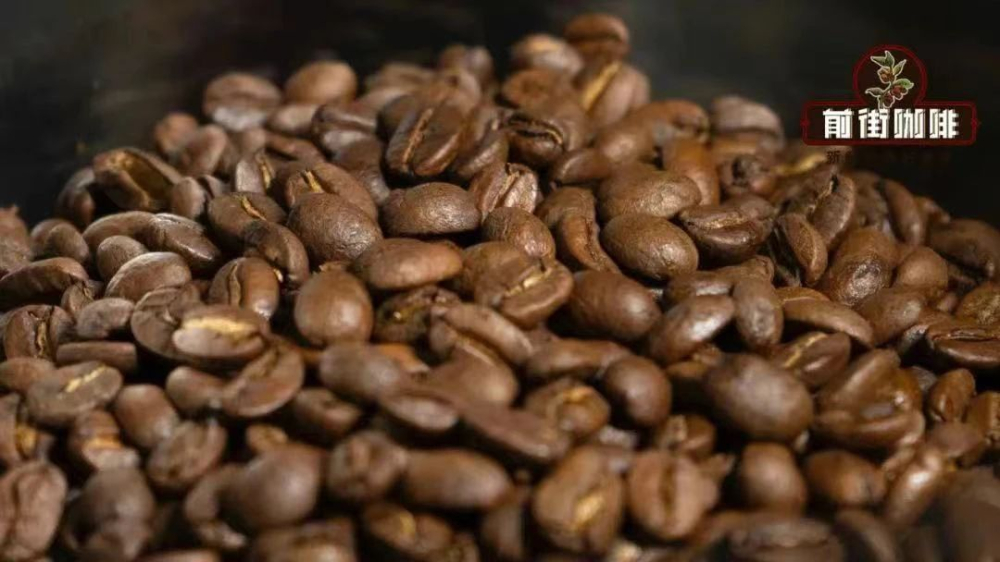
So, what other variables affect coffee quality? We often hear the term "coffee bean freshness," which usually refers to roasted beans, but in fact, green coffee beans also have a concept of freshness. The freshness of green beans is also one of the factors and variables that influence coffee flavor.
Do green coffee beans have a shelf life? And how long is that shelf life?
When it comes to shelf life, it is closely related to the density of the green beans, whether dehydration is uniform, and the storage environment.
New crop or current crop: refers to green beans within 12 months of harvest. As long as roasting and extraction are done properly, it is easy to taste lively floral and fruity acidity.
Past crop: stored for more than one year after harvest.
Old crop: more than two years. Due to the loss or oxidation of aromatic compounds, old beans tend to have an unpleasant musty wood or earthy odor.
Aged beans: unrelated to freshness, this is a deliberately produced category, with a storage period of more than three years.
Aged beans are different from old beans. Aged beans are stored with the parchment layer retained, providing an extra layer of protection, and warehouse humidity is strictly controlled, making them completely different from old beans stored with the parchment removed. Aged beans are intended to remove acidity, increase body, and add sweetness. Well-made, flawless aged beans taste full-bodied and sweet, with low acidity, and also carry a pleasant sandalwood aroma.
The above content is compiled by CoffeeHunters, a coffee news website.


