







How does a coffee bean mixture work for cold brew extraction?
Cold brew is made by extracting coffee with low temperature and slow dripping. Ice water below 5°C drips onto the grounds over many hours, dissolving flavor compounds gradually instead of using heat. That slow process pulls out a smooth, clean cup with clear layers. Freshly roasted beans work better because their flavor molecules are still intact and release fully during extraction.
Bean choice matters more than gear for most home setups. A coffee bean mixture, or a single-origin lot with enough sweetness and body, holds up well to long cold contact. Grind coarser than for pour-over, keep the ratio steady, and let the brew settle after filtering. The same principles apply whether you brew by drip tower or by steeping grounds in a jar overnight.
Cold brew coffee has won the favor of many coffee enthusiasts with its smooth taste, clear layers, and clean, refreshing character. At Front Street Coffee, cold brew has always been a product with impressive sales performance—baristas make it fresh every day in summer, and in winter customers can also pre-order it in their preferred flavors. Its popularity stems partly from Front Street's insistence on using its own freshly roasted beans, and partly from the low-temperature extraction and subsequent oxidation steps that allow flavor molecules to be fully released. In this article, Front Street will walk you through the definition of cold brew coffee, its core characteristics, and which coffee beans are suitable for making it.
Cold brew coffee has long been loved by coffee enthusiasts for its smooth taste, distinct layers, and clean, refreshing character. Cold brew coffee has always been a best-selling coffee at Front Street Coffee, especially in summer, when Front Street's baristas make cold brew every day to ensure the fridge is fully stocked with various flavors. In winter, customers can also pre-order Front Street's cold brew by specifying their preferred coffee flavor.
Cold brew coffee is so popular firstly because Front Street uses its own freshly roasted coffee beans to make it, and secondly because the low-temperature extraction during the brewing process and the oxidation step after extraction allow the coffee's flavor molecules to be fully released. In this article, Front Street will explain what cold brew coffee is, its characteristics, and which coffee beans are recommended for making cold brew.
What is cold brew coffee? As the name suggests, cold brew coffee is made by extracting coffee using "low temperature" and "slow dripping." Temperature affects the breakdown rate of oils, acids, and sugars in coffee. Depending on how fast this process occurs, the aroma, taste, and texture of the coffee can vary greatly. This is also why different extraction methods can produce coffees of different qualities.
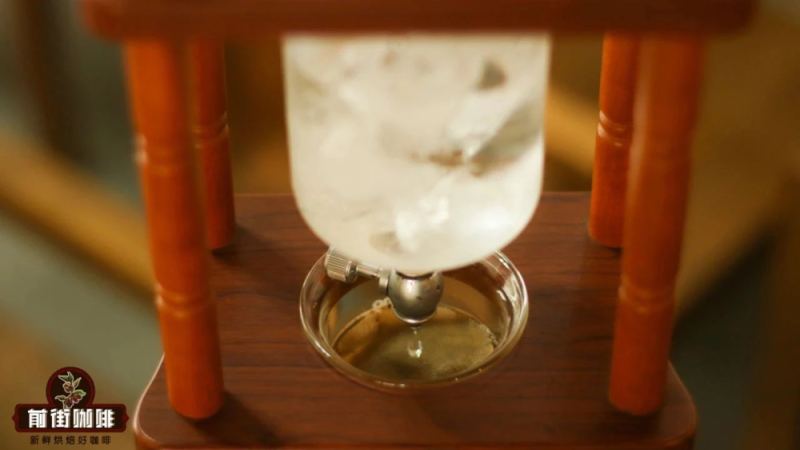
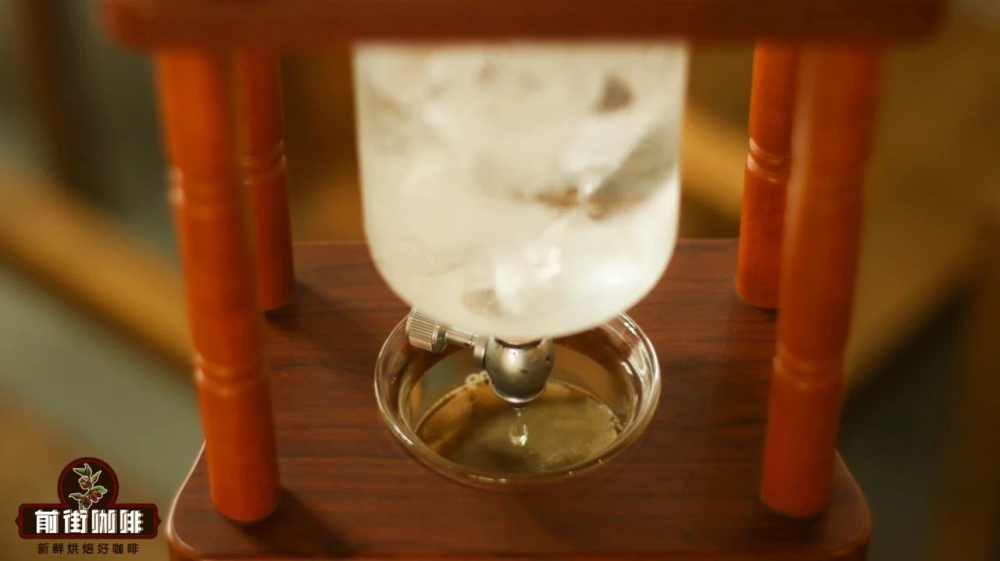
Brewing coffee is essentially the process of extracting and dissolving flavor molecules from coffee cells. Generally, hot water is used to achieve this quickly, whereas cold brew coffee replaces temperature with time, dripping ice water below 5°C onto coffee grounds to slowly dissolve the coffee's flavors and then drip out the final extract drop by drop. A complete cold brew extraction takes about 2 to 8 hours, adjusted according to personal preference and the type of coffee bean. Low-temperature extraction involves prolonged contact between water and coffee grounds at low temperatures, so only smaller flavor molecules such as floral and fruity notes are extracted, while larger molecules like smoky and roasted notes are difficult to extract. As a result, cold brew coffee lets you taste the coffee bean's own flavors more clearly, with a smooth mouthfeel, distinct layers, and a noticeable sweet aftertaste. Characteristics of cold brew coffee
Sweeter taste: Flavor molecules in coffee dissolve in a certain order—aromatic molecules are extracted first, followed by bitter ones. When brewing coffee with hot water, improper control of temperature and time often dissolves too many bitter molecules, making the coffee taste poor. Cold brew coffee uses cold water for extended extraction, dissolving only the good-tasting molecules, resulting in a richer, smoother taste that presents the coffee's best original flavor. Not bitter and not astringent—this is the main reason many people love cold brew coffee.
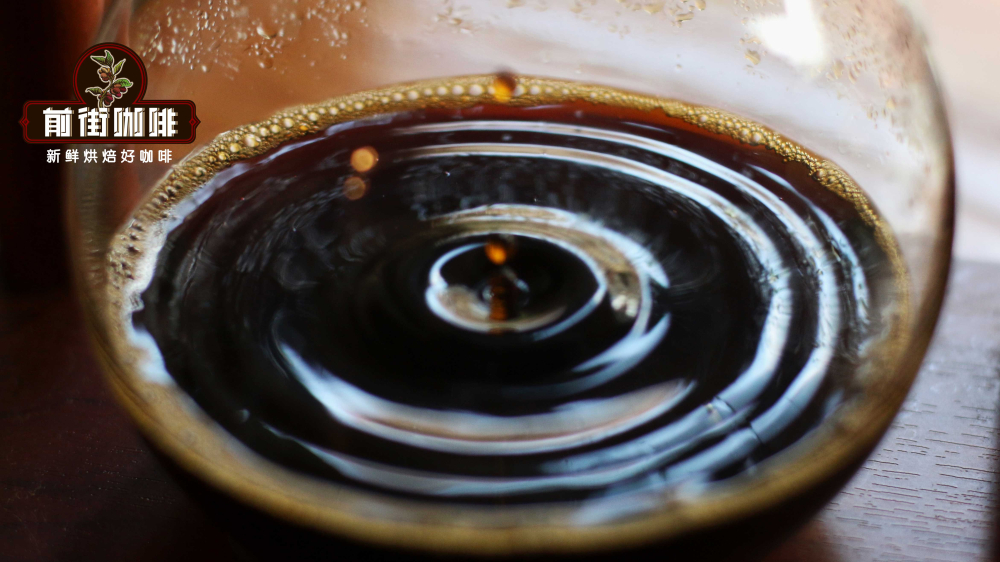
Long shelf life: When any food is heated, its molecular structure is disrupted, making it prone to spoilage. Hot-brewed coffee has a very short shelf life—it starts to deteriorate after more than 45 minutes. Cold brew coffee does not undergo heating, so its shelf life is very long; after extraction, it can be kept fresh in the refrigerator for two weeks, and the fermentation process during this time also gives the coffee different layers of mellow flavor changes.
Generally, the extracted cold brew coffee is placed in the refrigerator for 12-24 hours before drinking for a better flavor. Many people say that cold brew becomes very mellow and smooth after a week, but Front Street does not advocate keeping cold brew for a week—after all, there are bacteria in the air or in the bottle, and it's hard to guarantee the coffee's condition after long storage. The recommended drinking period for cold brew is within 72 hours.
Less harmful to the stomach: Many people with poor digestion avoid coffee altogether because regular coffee gives them stomachaches. Cold brew coffee contains far fewer irritating molecules than hot-extracted coffee, and its caffeine content is lower at the same concentration, making it a healthier choice. Why is it recommended to refrigerate cold brew coffee for 12-24 hours after extraction before drinking? Actually, this is an oxidation process. Just like freshly roasted coffee beans, about 2% of their weight is carbon dioxide, and this large amount of carbon dioxide is released depending on the storage environment, equipment, or method, making the pressure inside the packaging higher than one atmosphere. This pressure helps aromatic substances blend with oils, bringing all the aromatic substances inside the coffee bean to a state where they are easily extracted.
What coffee beans are used to make cold brew coffee? Actually, there is no specific rule about which coffee beans to use for cold brew—just choose coffee beans with the flavor you like. When making cold brew coffee, Front Street generally chooses fresh-roasted medium-light roast coffee beans, such as Ethiopian beans for bright citrus acidity and a refreshing taste, Panamanian beans with prominent floral notes, or Costa Rican beans with obvious fermentation notes, and so on. This time, Front Street will use Ethiopian natural Alo Village, which has rich fruity acidity and fermentation notes, to demonstrate making cold brew coffee.
Front Street Coffee: Ethiopia · Alo Coffee Beans
Coffee Region: Sidamo Bensa
Growing Altitude: 1950-2350m
Coffee Variety: Local Heirloom
Processing Method: Natural
Grade: G1
How does Front Street Coffee make cold brew coffee? 1. The water-to-coffee ratio used by Front Street Coffee for cold brew is 1:10, meaning 60 grams of coffee grounds extract 600 milliliters of coffee liquid.
2. Place a circular filter paper at the bottom of the powder cup, wet it with water so it adheres to the cup wall, add 60g of ground coffee (Front Street Coffee uses the Chinese standard No. 20 sieve, with a 58% pass rate, just slightly coarser than pour-over grind), then shake the coffee surface flat. You can also use the weight of a tamper to lightly press the coffee layer to make the surface even.
3. Place a piece of filter paper on top of the coffee grounds layer. The tension of the filter paper allows water to distribute evenly across the surface of the coffee layer for extraction. Without filter paper, prolonged dripping would create a pit in the coffee bed.
4. Use ice water for "pre-infusion," evenly wetting the entire coffee layer with ice water. This step is like the blooming stage in pour-over coffee, improving extraction efficiency and consistency of the final product.
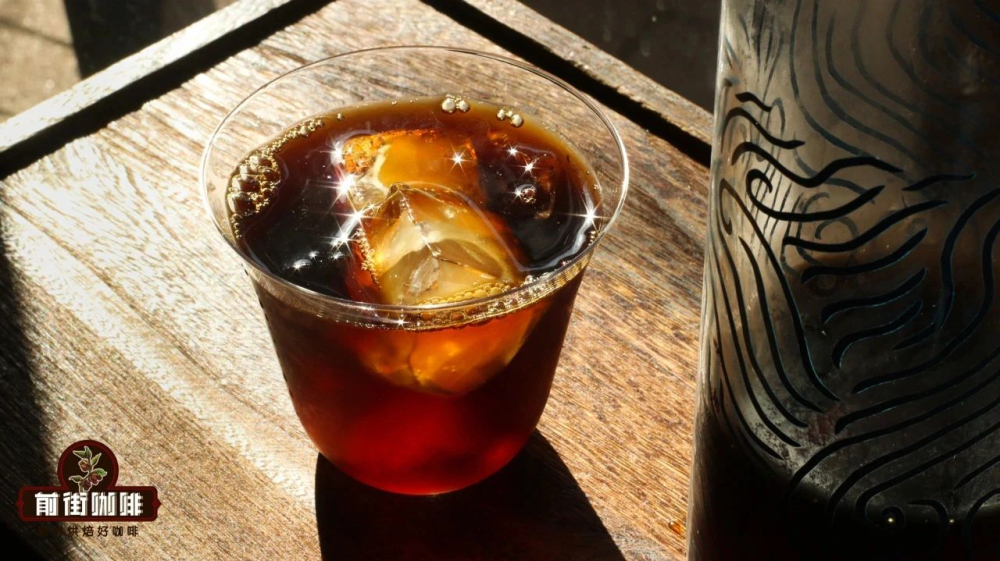
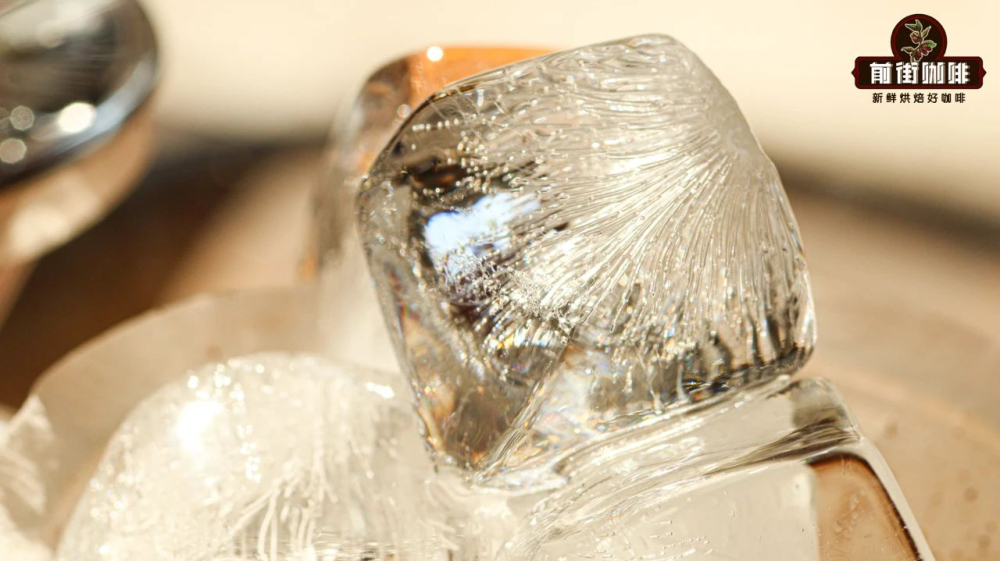
5. Add a 1:1 ice-water mixture to the water container, and adjust the valve to about 7 drops every 10 seconds.
6. After brewing, pour the coffee liquid into a sealed glass bottle and refrigerate it overnight to let the flavors meld together, making it taste better and easier to drink.
For more specialty coffee beans, please add Front Street Coffee's private WeChat: kaixinguoguo0925
The above content is compiled by CoffeeHunters, a coffee news website.


