







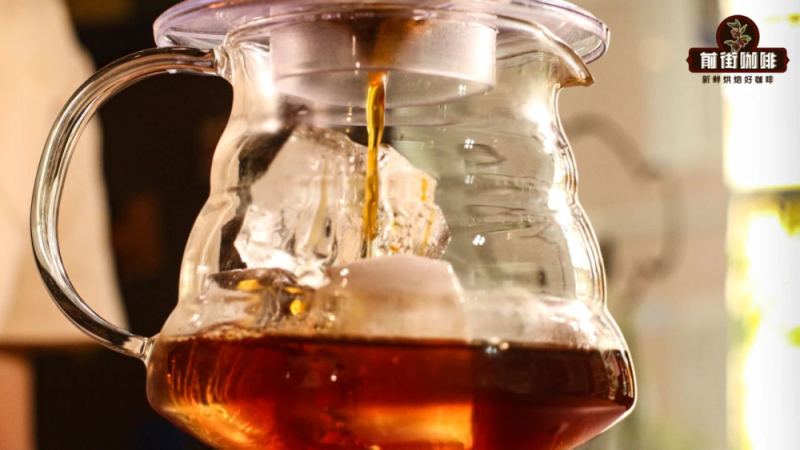
The happiness of summer is probably being able to stay indoors, enjoy the air conditioning, and still drink a cup of cold brew coffee that beats the heat. Because the method is simple, even those who don't know how to brew coffee can easily make a smooth, rich, well-balanced, clean and refreshing iced coffee that's perfect for summer.
Unlike the common iced pour-over coffee and iced Americano, cold brew coffee uses a low-temperature extraction method throughout the entire brewing process. Pour-over coffee and Americano, on the other hand, are made by extracting a highly concentrated coffee liquid at high temperature, then adding ice to cool and dilute it.
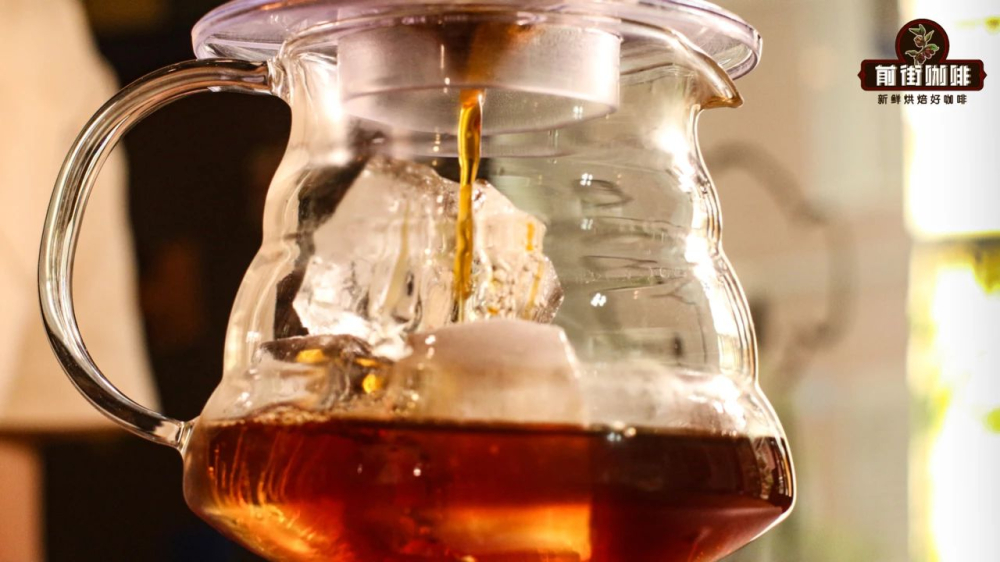
In a coffee bean, coffee flavor compounds make up only 30% of the whole, while the remaining 70% is woody fiber structure. And not all of that 30% of flavor should be fully extracted, because more than 10% of it consists of bitter substances. Extracting an appropriate amount of bitter substances can give coffee a suitable body and enhance its mouthfeel. Coffee lacking bitter substances tastes thin, while coffee with too many bitter substances tastes dry and astringent. We only need to extract 18%–22% of the coffee's flavor.
The advantage of high-temperature extraction is that the heat in the water promotes the movement of water molecules, allowing flavor molecules in the coffee grounds to be extracted in a short time. But the downside is that if the water temperature and grind size of the coffee grounds are not well controlled during brewing, it's easy to over-extract the bitter molecules, causing the coffee to taste bitter and astringent to varying degrees.
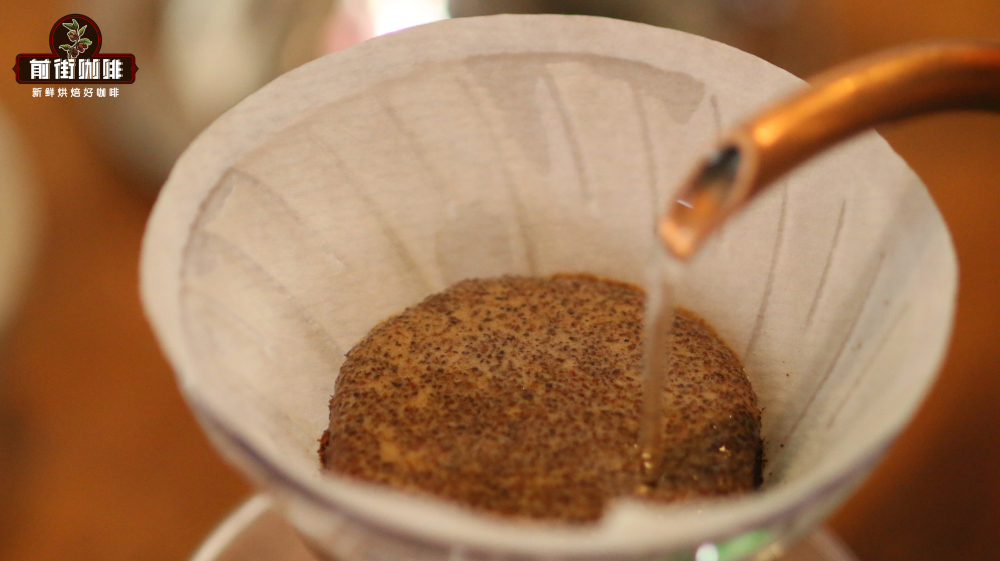
Low-temperature extraction, however, lacks heat to drive the movement of water molecules, and the low temperature effectively suppresses the release of bitter molecules. But because of the low temperature, the flavor extraction time is relatively longer—usually 6–12 hours are needed to extract the sweet and sour substances more completely. Therefore, coffee extracted at low temperature usually has only a full sweet-and-sour sensation. However, if the steeping time exceeds 12 hours, the woody fiber will also release a root-like taste due to prolonged soaking. Although these flavors are not very bitter, they will affect the overall aroma performance.
To get a more complete flavor release from cold brew coffee, the coffee grounds used should be ground slightly coarser than when making pour-over with coffee beans. For example: Front Street Coffee's Ethiopia Huakui coffee beans, when used for pour-over, are ground to a coarseness with an 80% passing rate on the Chinese No. 20 standard sieve. For cold brew coffee, the coarseness only needs a 75% passing rate.

Why do we need to grind coarser when we want to increase the extraction concentration of cold brew coffee?
In many past cold brew productions, Front Street Coffee (FrontStreet Coffee) found that coffee grounds with a pour-over grind size would clump (ball up) during the steeping process. So using the same coffee beans, the same steeping time, and the same resting extraction environment, different grind sizes were used for extraction, and experiments were conducted to compare the concentration differences between the two. The experimental results showed that coffee grounds with a coarser grind size extracted a higher concentration in a fine, low-temperature environment.
This is because when water is at near room temperature/zero degrees for extraction, molecular movement is also reduced/zero. Without the thermal movement of molecules counteracting the attractive forces between solid molecules, the coffee particles will "ball up," that is, clump. So the finer the coffee is ground, the larger the clumps will be, to the point that the coffee grounds in the middle of the clump cannot be fully extracted.
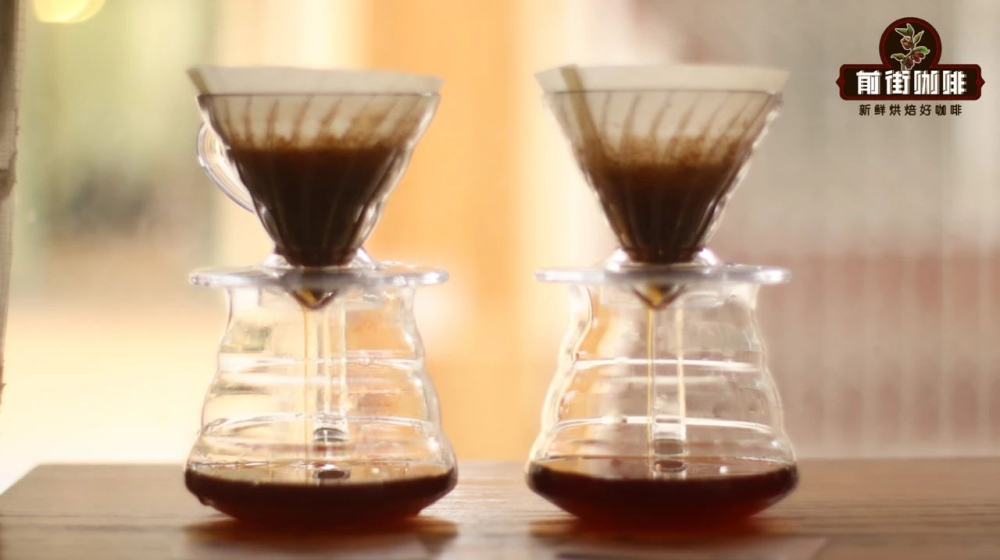
To make cold brew coffee, you usually only need to prepare a clean, oil-free, sealable container and materials for filtering the coffee (coffee filter paper/tea bags/high-density mesh/cloth bags, etc. are all fine). Then mix the coffee grounds with ice water evenly, put it in the refrigerator, and let it steep for 8–12 hours. Front Street Coffee (FrontStreet Coffee) recommends using 30g of coffee grounds and extracting with a 1:13 coffee-to-water ratio (i.e., steep 30g of coffee grounds in about 400g of water). After extraction is complete, filter out the coffee grounds and it's ready to drink.
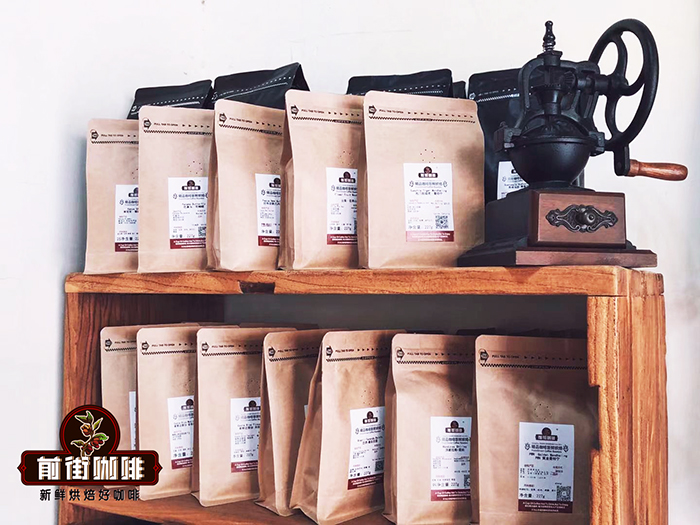
For coffee beans used to make cold brew coffee, Front Street Coffee (FrontStreet Coffee) uses coffee beans with stronger sweet-and-sour notes/flavor.
For example, lightly roasted coffee beans from Africa and Central and South America: the Ethiopia coffee sold at Front Street Coffee (FrontStreet Coffee) storesFront Street Huakui coffee beans(berry juice profile),Front Street Panama Butterfly Geisha natural blend coffee beans(floral tea profile),Front Street Costa Rica Mozart coffee beans(dried fruit profile) are all very suitable for making cold brew coffee.
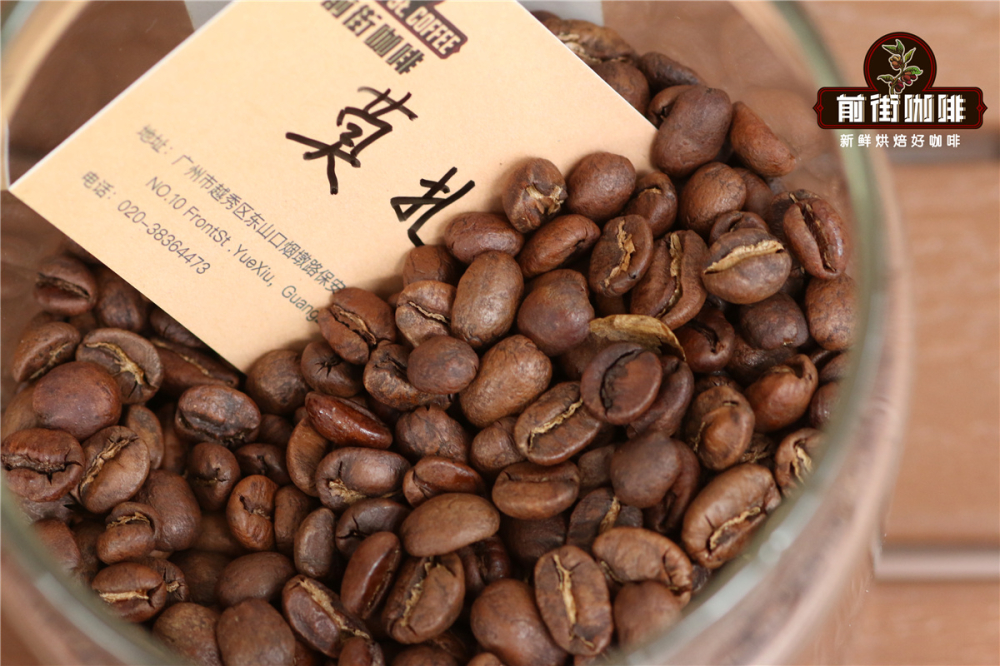
Or coffee beans with special processing methods, such as the Ethiopia Front Street Dorothy coffee beans (white peach oolong profile), Front Street Colombia Rose Valley coffee beans (fruit wine heart chocolate profile),Front Street Honduras Sherry Barrel Fermented coffee beans(boozy vanilla cream profile), etc., sold at Front Street Coffee (FrontStreet Coffee) stores.
But if you usually like a rich, intense black coffee, then you might want to try beans with a darker roast, such as the long-standing items on Front Street's bean list: Front Street Indonesia PWN Golden Mandheling, Front Street Brazil Queen's Estate Yellow Bourbon, Front Street Papua New Guinea Bird of Paradise coffee, etc. The cold brew coffee made from these coffees tends toward the robust profile of nuts, caramel, and spices, with a sweet black chocolate aftertaste.
Tips for making cold brew
In many high-temperature brewing methods, freshness of the roast is often the first factor people consider. For one, the aroma of beans outside their optimal tasting period will be greatly reduced—this is a consensus everyone has reached. Second, the release of gas allows us to intuitively judge whether the beans are fresh, such as the crema of espresso and the bubbling during blooming, which also indicate that the coffee is at its aroma peak.
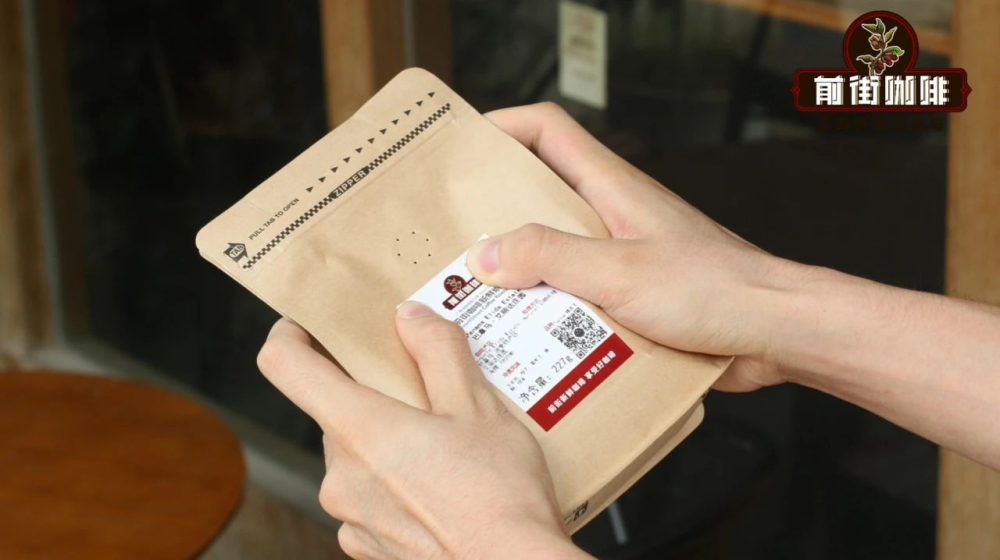
As coffee beans are continuously heated in the roaster, freshly roasted beans contain a large amount of carbon dioxide. To extract the aromatic compounds inside, these gases must be released first. Cold brew itself is a relatively static extraction state, and low-temperature water to some extent suppresses the release of these gases, so the brewed coffee can easily become bland. Therefore, Front Street recommends choosing coffee beans that were roasted more than 10 days ago to make cold brew, as this is more conducive to making coffee with a rich aroma.
For professional coffee knowledge exchange and more coffee bean information, please follow Coffee Workshop (WeChat official account cafe_style)
For more specialty coffee beans, please add the private WeChat account Front Street Coffee (FrontStreet Coffee), WeChat ID: qjcoffeex
The above content is compiled by CoffeeHunters, a coffee news website.


