








For more specialty coffee knowledge, please follow: Front Street Coffee (Frontsteet Coffee)
The happiness of summer is probably being able to stay at home, enjoy the air conditioning, and drink a cup of cold brew coffee that beats the heat. Because the method is simple, even those who do not know how to brew coffee can easily make an iced coffee that is mellow and smooth, rich and full in flavor, clean and refreshing overall, and perfect for summer.
Unlike the common iced pour-over coffee and iced Americano, cold brew coffee uses a low-temperature extraction method throughout the entire extraction process. Pour-over coffee and Americano, on the other hand, are made by extracting a higher-concentration coffee liquid at high temperature, then adding ice cubes to cool and dilute it.
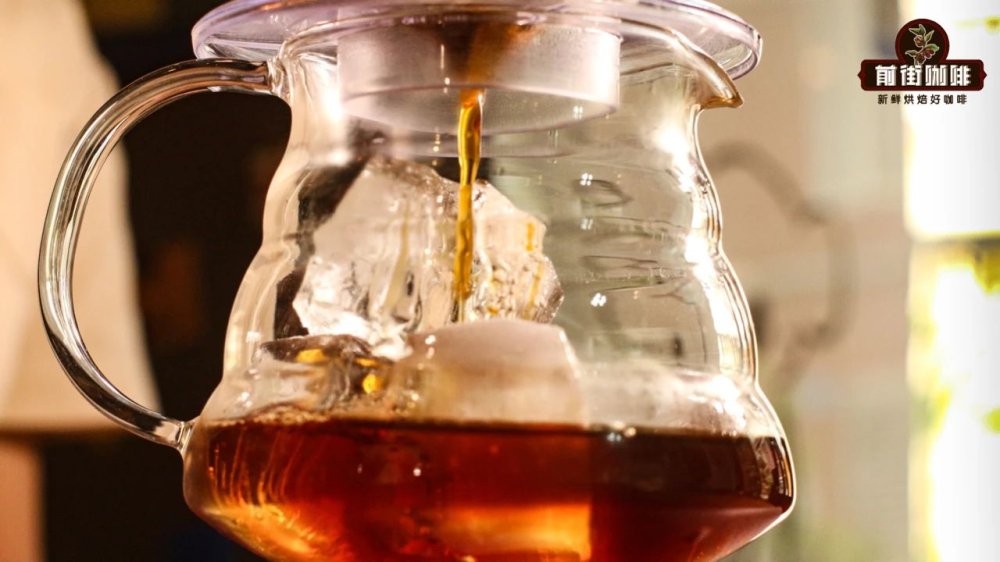
In a coffee bean, coffee flavor accounts for only 30% of the whole, while the remaining 70% is woody fiber structure. And this 30% of flavor is not meant to be fully extracted, because more than 10% of it consists of bitter substances. Extracting an appropriate amount of bitter substances can bring suitable body to the coffee and increase the coffee's own body. Coffee lacking bitter substances tastes thin, while coffee with too many bitter and astringent substances tastes dry and astringent. We only need to extract 18%-22% of the coffee's flavor.
The advantage of high-temperature extraction is that the heat in the water can promote the movement of water molecules and extract the flavor molecules from coffee particles in a short time. But the disadvantage is that if the water temperature and the grind size of the coffee particles are not well controlled during brewing, it is easy to over-extract the bitter molecules within, causing the coffee to have varying degrees of bitterness and astringency.
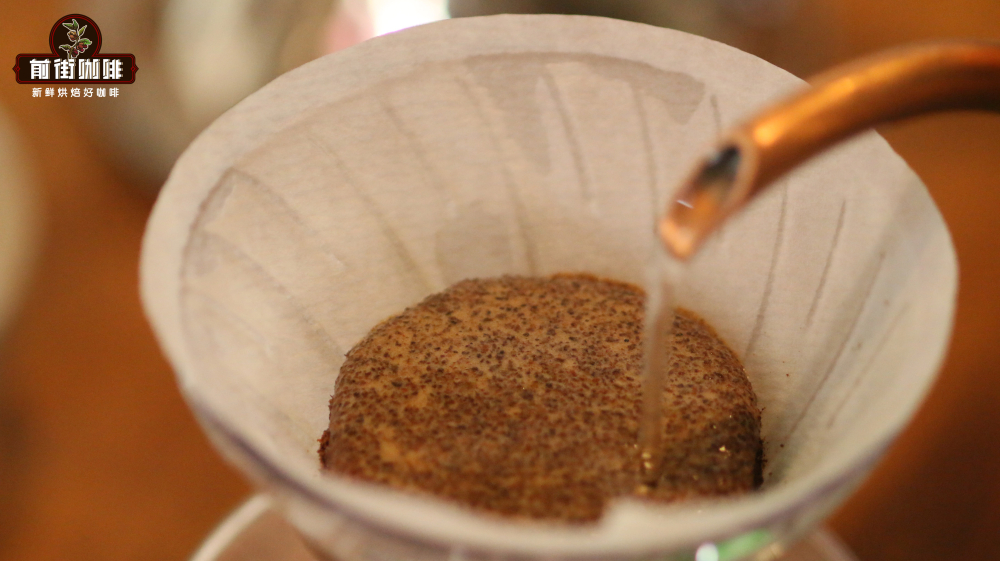
Low-temperature extraction, however, lacks heat to drive the movement of water molecules, and at the same time low temperature can effectively inhibit the release of bitter molecules. But because of the low temperature, the flavor extraction time of the coffee is also relatively extended, usually requiring 6-12 hours to extract the sweet and sour substances more completely. Therefore, coffee extracted at low temperature usually has only a full sweet-and-sour sensation, but if the steeping time exceeds 12 hours, the woody fiber will also release the taste of tree roots due to long soaking. Although these tastes are not strongly bitter, they will affect the overall aroma performance.
If you want the flavor of cold brew coffee to be released more completely, the coffee particles used should be ground a little coarser than when using coffee beans for pour-over. For example: the FrontStreet Coffee Ethiopia Hualei coffee beans used for pour-over have a coarseness of 80% passing rate on the China No. 20 standard sieve, so for cold brew coffee production the coarseness only needs a 75% passing rate.
Why is it that if you want to increase the extraction concentration of cold brew coffee, you instead need to adjust the grind coarser?
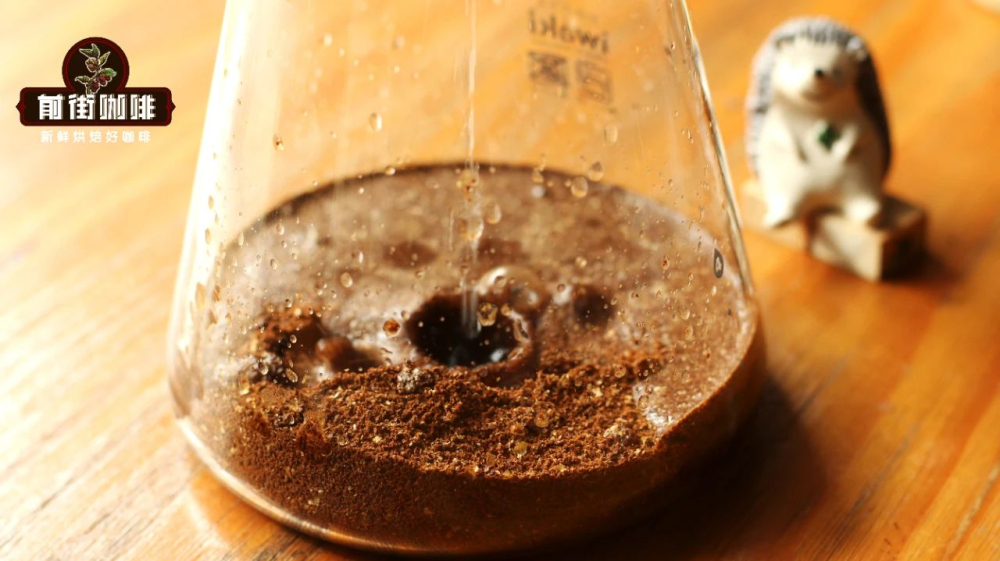
In many past cold brew productions, FrontStreet Coffee found that coffee grounds with a pour-over grind size will clump together (cluster) during the soaking process. So using the same coffee beans, the same soaking time, and the same environment for static extraction, different grind sizes were used for extraction, and experiments were conducted to compare the concentration differences between the two. The experimental results showed that coffee grounds with a coarser grind size extract a higher concentration in a delicate and low-temperature environment.
This is because when the water temperature is close to room temperature/zero degrees for extraction, molecular movement is also reduced/zero. Without the thermal motion of molecules and the attraction between solid molecules to counterbalance it, coffee particles will "cluster," that is, clump together. So when the coffee is ground finer, the clustering becomes greater, to the point that the coffee grounds in the middle of the clump cannot be fully extracted.
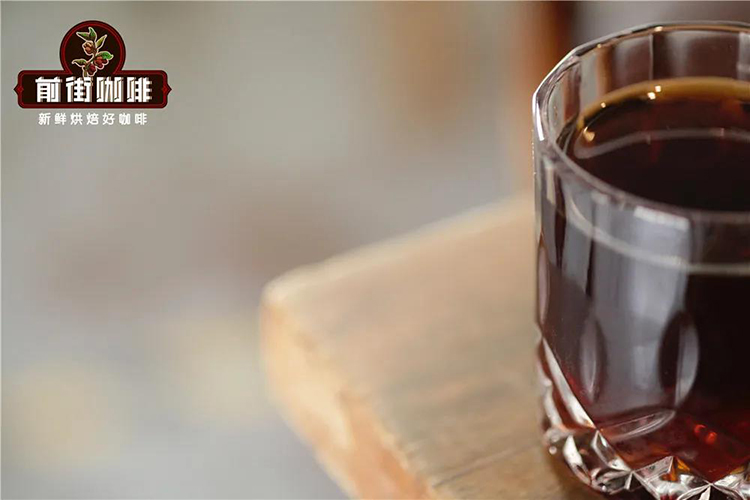
To make cold brew coffee, you usually only need to prepare a clean, oil-free, sealable container and materials for filtering the coffee (coffee filter paper/tea bag/high-density filter screen/cloth bag, etc. are all fine), then mix the coffee grounds and ice water evenly and put it in the refrigerator to steep and chill for 8-12 hours. FrontStreet Coffee recommends using 30g of coffee grounds and extracting at a 1:13 coffee-to-water ratio (that is, soaking 30g of coffee grounds in about 400g of water). After extraction is complete, filter out the coffee grounds and it is ready to taste.
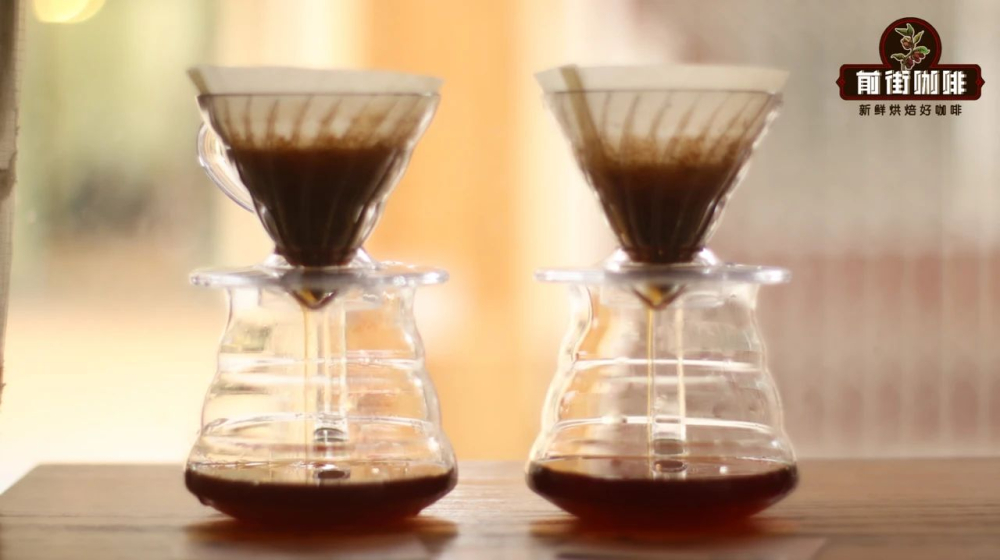
For coffee beans used to make cold brew coffee, FrontStreet Coffee uses coffee beans with a stronger sweet-and-sour sensation/flavor.
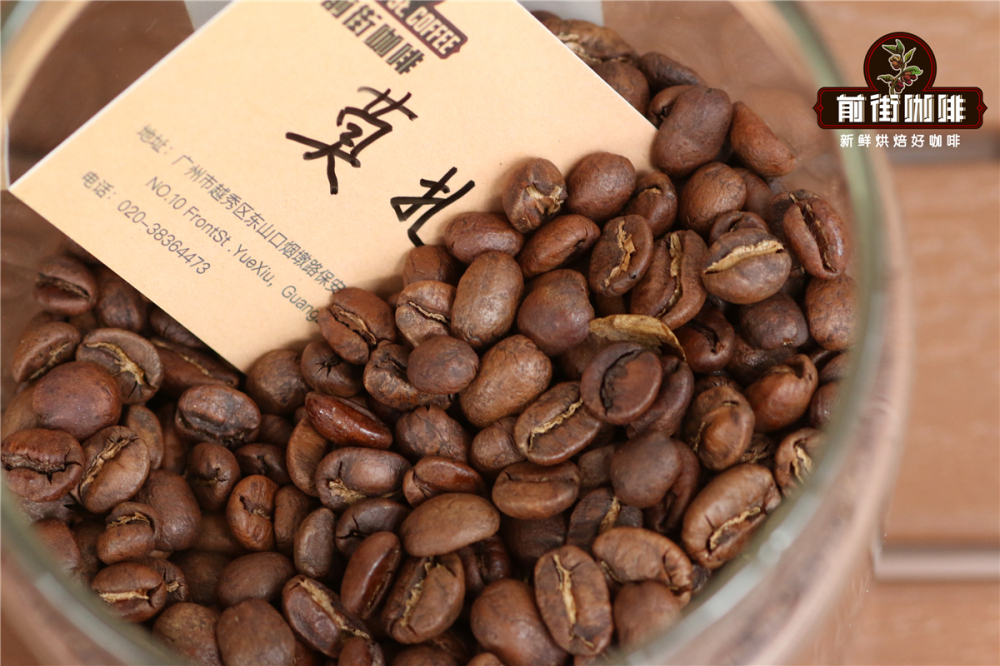
For example, lightly roasted coffee beans from Africa and Central and South America: the Ethiopia Front Street Hualei coffee beans sold at FrontStreet Coffee stores (berry juice profile), the Front Street Panama Butterfly Geisha blend coffee beans (floral tea profile), and the Front Street Costa Rica Mozart coffee beans (dried fruit profile) are all very suitable for making cold brew coffee.
Or coffee beans with special processing methods, such as the Ethiopia Front Street Dorothy coffee beans sold at FrontStreet Coffee stores (white peach oolong profile), the Front Street Colombia Rose Valley coffee beans (fruit wine heart chocolate profile), and the Front Street Honduras Sherry wine barrel fermented coffee beans (boozy vanilla cream profile), etc.
But if you usually like black coffee with a rich mouthfeel, then you might as well try beans with a slightly darker roast, such as the regulars on the Front Street bean list: Front Street Indonesia PWNGolden Mandheling, Front Street Brazil Queen's Estate Yellow Bourbon, Front Street Papua New Guinea Paradise Bird coffee, etc. The cold brew coffee made from these coffees tends toward the deep, full profile of nuts, caramel, and spices, and the aftertaste carries the sweetness of dark chocolate.
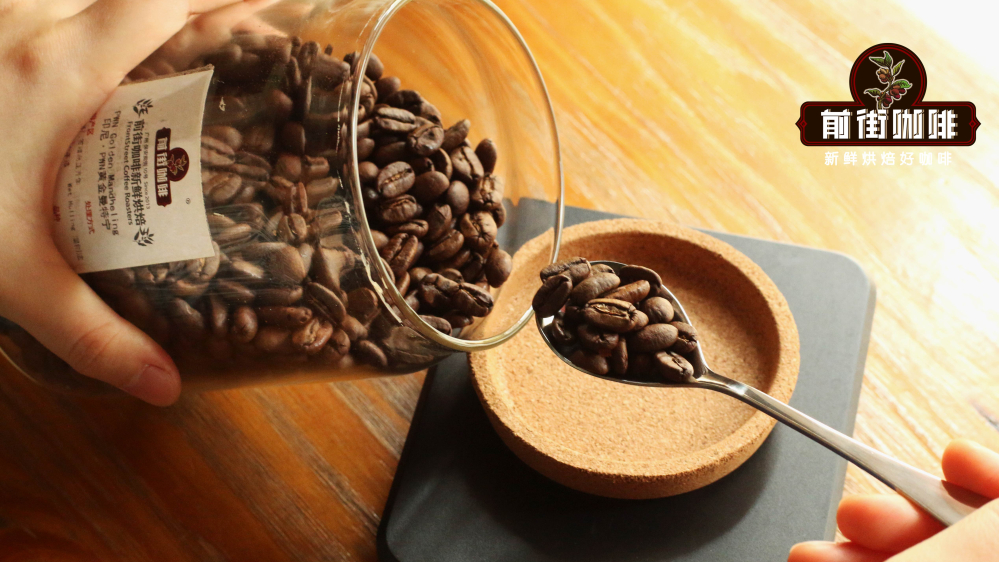
Tips for making cold brew
In many high-temperature brewing methods, freshness of the roast is often the first factor many people consider. First, the aroma of beans outside their optimal tasting period will be greatly reduced, which is a consensus everyone has reached; second, the release of gas allows us to intuitively judge whether the beans are fresh, such as the crema of espresso and the bubbling during blooming, which also indicates that the coffee is at its peak aroma stage.
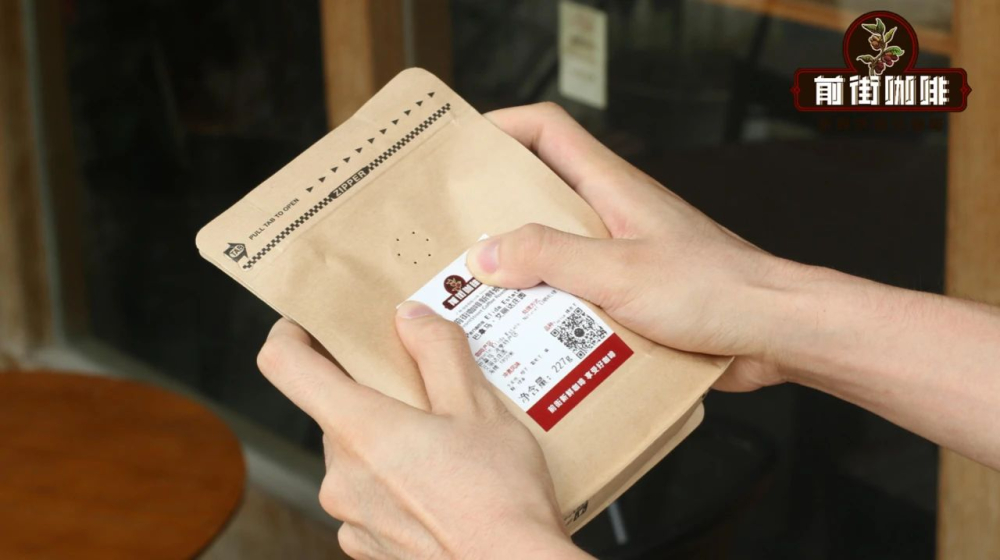
As coffee beans are continuously heated in the roaster, freshly roasted beans contain a large amount of carbon dioxide. If you want to extract the aromatic compounds inside, they must first be released. Cold brew itself is a relatively static extraction state, and low-temperature water inhibits the release of this gas to a certain extent, so the brewed coffee easily becomes bland. Therefore, Front Street suggests choosing coffee beans with a roast date more than 10 days prior to make cold brew, as this is more conducive to making coffee with a rich aroma.
You can now purchase Front Street Coffee single-origin coffee beans and espresso blend coffee beans at Tmall "Front Street Flagship Store," with 60 kinds of coffee beans from around the world, freshly roasted and shipped within 24H.
Tmall link: https://qianjieshipin.tmall.com
Or you can directly search "Front Street Flagship Store" on Taobao.
FollowWECHATthe official account to read more specialty coffee bean knowledge.
The above content is compiled by CoffeeHunters, a coffee news website.


