







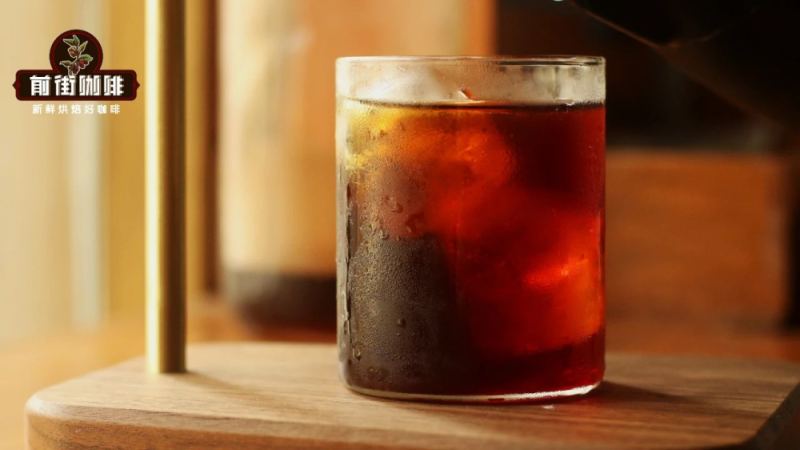
Where Does Cold Brew Coffee Flavor Come From?
Cold brew flavor comes from low-temperature, long-duration extraction. Cold water releases small-molecule compounds such as floral and fruity notes more easily while leaving the larger smoky, roasted molecules behind, so the drink tastes smoother with clearer layers, lower bitterness and a sweeter finish than hot-brewed coffee served over ice.
Four variables decide the result: water temperature, coffee-to-water ratio, grind size and steeping time. Ice drip, or Kyoto-style brewing, shares the same idea and traces back to Japan, and american coffee japan traditions later spread the method worldwide. Coffee beans production and roast level also matter, since darker roasts push the balance toward heavier, roast-driven notes in the finished brew.
Is iced coffee still worth drinking after the start of autumn? The answer, of course, is yes. Cold brew coffee centers on low-temperature, long-duration extraction, which better preserves small-molecule flavors such as floral and fruity notes while reducing smoky, roasted large-molecule compounds and acidity-bitterness, making it smoother on the palate with more distinct layers and a clearer sweet aftertaste. This article will systematically sort out the origins and extraction principles of cold brew coffee, explain how water temperature, coffee-to-water ratio, grind size, and steeping time affect the taste, and offer adjustment ideas for when it is too bitter, too sour, or too weak. It will also compare cold brew and ice drip in terms of production method and flavor performance, and include Front Street Coffee’s bean recommendations to help you make a stable, delicious cold brew at home.
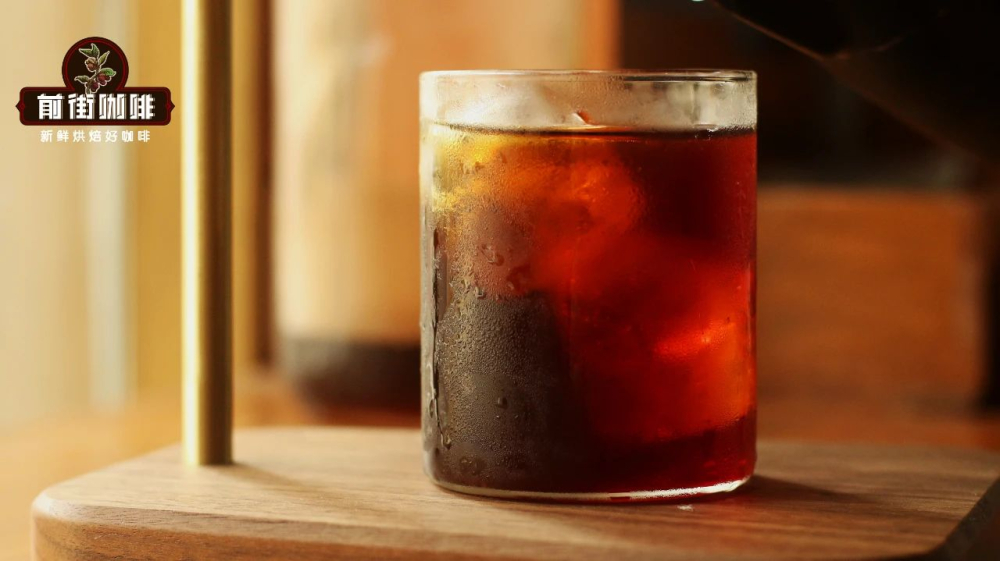
A glass of iced coffee in midsummer is truly refreshing; now that autumn has arrived, will iced coffee still remain popular? Front Street’s answer is: Of course it will! Although the season has turned cooler, the temperature is still not low, and the flavor of iced coffee is still enticing, so those who love this taste will keep enjoying it.
Many friends initially did not know that coffee can also be made with cold water, because most of what we encounter daily is high-temperature extraction: grinding roasted beans to a certain coarseness, then using water to dissolve out the flavors. Under high-temperature conditions, the tannic acid in coffee breaks down into pyrogallic acid, bringing bitterness and acidity.
Coffee brewed with cold water presents another style, and it is very popular. The reason is that cold brew is a low-temperature extraction: when water and coffee grounds are in contact for a long time, smaller-molecule flavor substances are more easily released, such as floral and fruity notes; while larger-molecule smoky and roasted flavors are harder to extract. Therefore, cold brew often better reflects the characteristics of the beans themselves, with a smooth mouthfeel and clearer layers and sweet aftertaste.
The practice of making coffee with ice water or cold water can be traced back to Japan at the earliest, and is usually called “Kyoto-style coffee.” At that time in Kyoto, extracting coffee with cold water was very popular, hence the name. As early as the 17th century, Japanese people had already begun using cold water with different cold brew methods to make coffee, commonly including filtration or dripping; these methods evolved over time into today’s exquisitely shaped, highly designed ice drip coffee pots.
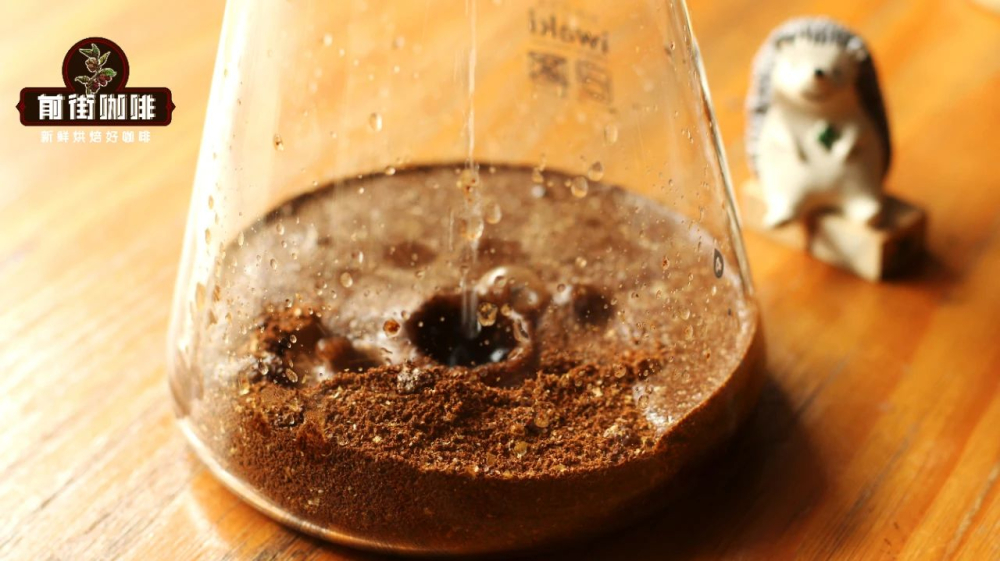
For what we commonly call cold brew coffee, exactly what water temperature is most suitable for extraction?
Front Street concludes: cold brew is made with water at room temperature or lower, usually below room temperature, around 20-22°C. Because the water temperature is low, the production cycle is greatly extended, generally requiring 12-48 hours.
Cold brew more easily brings out only small-molecule flavors such as floral and fruity notes; relatively speaking, large-molecule flavors like smoky and roasted notes are not easily extracted, and acidity is also significantly reduced.
For cold brew, the coffee-to-water ratio is not the only variable determining the taste; you must also consider grind size, steeping time, and most importantly, the coffee beans themselves.
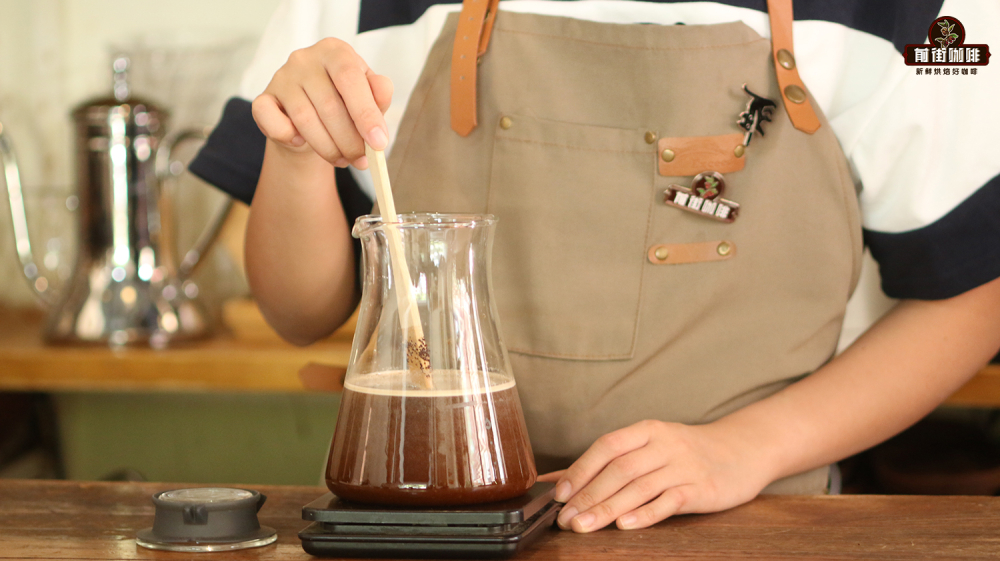
Low-temperature extraction can indeed reduce the appearance of bitter substances, but it is not absolute. If the coffee is ground finer than granulated sugar, or steeped for more than 16 hours, over-extraction may occur and the taste may turn bitter. Therefore, to make it delicious, the grounds used for cold brew should not be too fine, and the steeping time should not be too long. Control the grind size so it looks close to granulated sugar to the naked eye; the time is best kept between 6 and 16 hours, which ensures enough contact between grounds and water and makes negative flavors from over-extraction less likely.
If the coffee tastes too weak, there is usually only one reason: too much water was added. Cold brew basically takes place in a 0-10°C environment, where extraction efficiency is very low, and most of the coffee grounds and water are in a relatively static state; to achieve a moderate concentration, it is best to use a 1:12 ratio, which gives the best flavor and mouthfeel when drunk directly.
What is the difference between ice drip coffee and cold brew coffee?
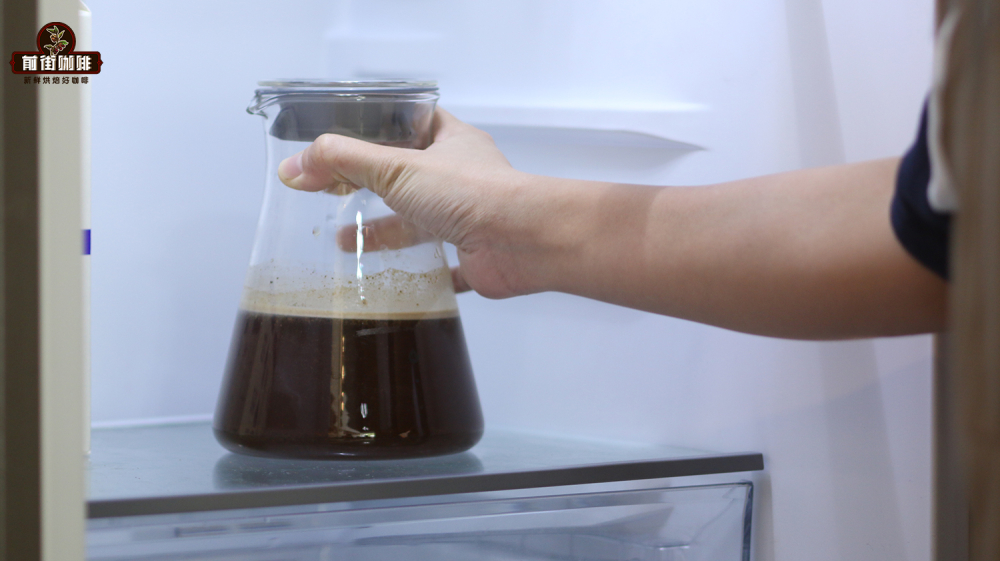
Theoretically, ice drip is also a type of cold brew, except that it completes extraction by dripping drop by drop. Ice drip coffee is also called Dutch coffee or Kyoto-style coffee. Making ice drip also uses cold water or ice water, but unlike cold brew’s “water soaking coffee,” ice drip lets water slowly seep through the coffee grounds. In terms of time, ice drip can be completed in about 5 hours, roughly half that of cold brew. In an interview, American barista champion Laila once mentioned that compared with Cold Brew, Front Street believes Ice-drip coffee has a more prominent aroma and a more delicate, subtle flavor.
Which tastes better, cold brew coffee or ice drip coffee?
Whether cold brew or ice drip, both start by grinding selected specialty coffee beans and then brewing.
If you prefer a clearly acidic, refreshing, and light style, you can choose washed light-roast beans, such as Front Street. Washed Yirgacheffe, Front Street. Kenya Little Tomato;
If you like fruitiness and honeyed sweetness to stand out more, you can choose sun-dried or honey-processed medium-light roast beans, such as Front Street Huakui, Front Street Strawberry Candy;
If you do not want obvious acidity and instead hope the cold brew shows a rich fermented feel, Front Street. Colombia Sidra and Front Street Mozart are recommended.
【Cold Brew Coffee】requires the coffee grounds and ice water to remain combined and steeped throughout, then after extraction the coffee grounds bag is removed or the coffee grounds are filtered out. Because of full contact throughout, the extraction is relatively complete and the taste is richer. During the whole process, only cold water comes into contact with the coffee grounds, so there are fewer variables and the flavor is more stable, which is also the cold brew method commonly used by coffee chains.
【Ice Drip Coffee】also uses ice water, but it is more like giving coffee an “IV drip” on a café bar: a retro clock-like device lets ice water drip drop by drop onto the coffee grounds, then slowly permeate downward. The biggest differences from cold brew are: first, each drop of water contacts the coffee grounds for a shorter time; second, during ice drip, the coffee comes into fuller contact with air, and gentle oxidation introduces some uncontrollable factors.
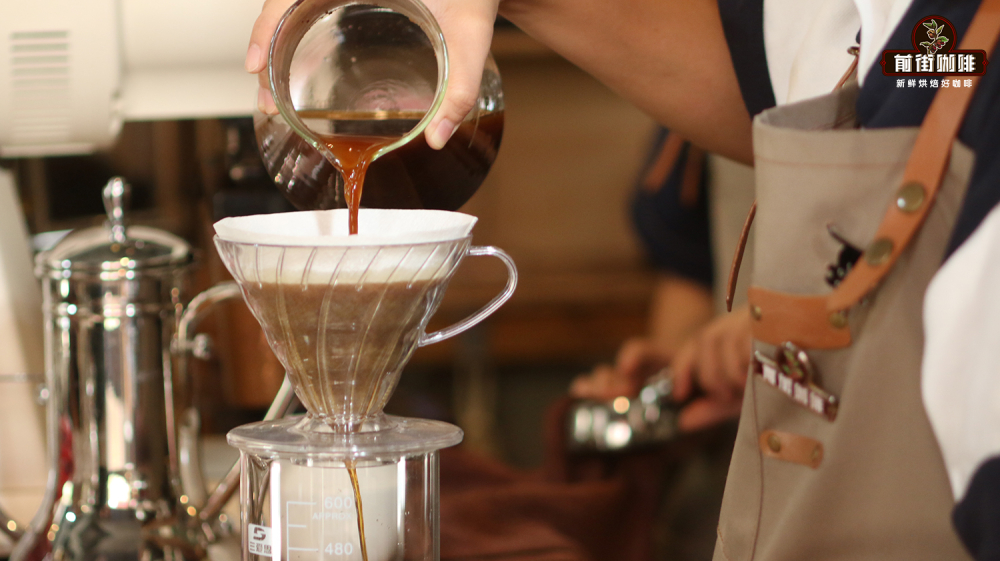
Therefore, the early, middle, and late stages of ice drip extraction have different flavors, and the finished cup tastes clearer with richer layers. Although ice drip can usually be completed in 5-8 hours, putting the finished coffee in an odor-free refrigerator compartment to stabilize and develop overnight often yields unexpected aromas.
As for which tastes better, cold brew or ice drip, Front Street’s view is: both are delicious. Cold brew is richer, while ice drip is clearer and has stronger layering, and ultimately it still depends on personal taste preference.
The above content is compiled by CoffeeHunters, a coffee news website.


