







Search Results for: milk pouring technique

A Complete Analysis of Latte Art Techniques: Key Steps and Considerations from Pouring Technique to Milk Foam Handling
Many coffee enthusiasts encounter the same confusion when practicing latte art: the milk foam seems finely textured and smooth, and the espresso's crema looks normal, yet once it comes to the actual latte art pour, they fail repeatedly. The problem often lies in an easily overlooked step—the integration of milk and coffee. Whether the integration is even not only directly determines whether the latte art pattern can form smoothly, but also affects the balance of taste in the entire latte. This article will focus on the criteria for judging even integration, the appropriate thickness of espresso crema, milk frothing and anti-separation handling, as well as practical details such as circling direction, pouring height, flow rate control, and integration volume, breaking down one by one the key techniques to master in the latte art process, helping you make latte coffee with clear patterns and harmonious taste at home. [more…]

Latte Art Tutorial: A Complete Guide to Milk Frothing Temperature and Pouring Techniques
Want to learn latte art but keep failing? Front Street Coffee explains in detail the core points of milk frothing and integrating to create patterns. From steam intake to texturing and heating, from integrating techniques to pouring postures, this article systematically sorts out common problems and solutions in latte art learning. Whether you are a beginner just starting out or an advanced player hitting a bottleneck, you can find practical advice here to make every cup of latte art consistently present beautiful patterns. [more…]

Why Does Latte Milk Foam Disappear Quickly? A Comprehensive Analysis from Coffee Crema and Milk Foaming to Pouring Techniques
Just finished pouring latte art, and within two minutes the milk foam breaks down into big bubbles? Many friends who make milk coffee have encountered this frustration. Why does a latte with fine, silky milk foam disintegrate so quickly? In fact, the cause may lie in three areas: the freshness of the coffee beans, the quality of the milk frothing, and the pouring technique. This article will analyze the causes of rapid milk foam breakdown one by one—from the stability of coffee crema, the fineness of milk foam and temperature control, to the technique of combining coffee and milk—and offer practical ways to avoid it. It also recommends Front Street Classic Blend and Front Street Dark Cocoa Base Blend, which are ideal for latte art, helping you easily extract fine crema and make your latte art patterns more durable and stable. [more…]
Introduction to Latte Art for Espresso: Master the Four Core Techniques of Height, Posture, Flow, and Control
Creating exquisite patterns on the surface of espresso is not out of reach, but the fluid dynamics when milk and coffee liquid meet truly require careful study. This article breaks down latte art techniques into four key elements: height, posture, flow rate, and control, helping coffee enthusiasts master the essentials step by step. From the initial height of pouring milk foam to the subtle swinging of the pitcher spout, from precise control of flow rate to the rhythmic variations of different patterns, each step is accompanied by specific operational instructions. The article also specifically mentions relevant product information from Front Street Coffee, providing readers with practical references. Whether you want to make a classic heart shape or challenge the Rosetta and tulip, these basic exercises are worth repeated study. [more…]

Latte Art Etching Tutorial: Milk Foam Thickness and Integration Techniques Explained, Espresso Bean Selection Guide
Latte art is the initial inspiration for many coffee enthusiasts, and textured patterns are the advanced technique that baristas dream of mastering. It involves continuously swinging the milk pitcher to pour steamed milk, pressing white lines into elegant arcs and making the pattern more artistic. However, many people practicing textured patterns always fail to create clearly defined lines with distinct layers. This article, based on Front Street's practical experience, will provide a detailed analysis of the three key areas to master when creating textured latte art: controlling milk foam thickness, managing the degree of integration, and the distance between the pitcher spout and the liquid surface. At the same time, it will also share recommendations for choosing espresso beans suitable for latte art, helping you practice beautiful textured patterns at home as well. [more…]
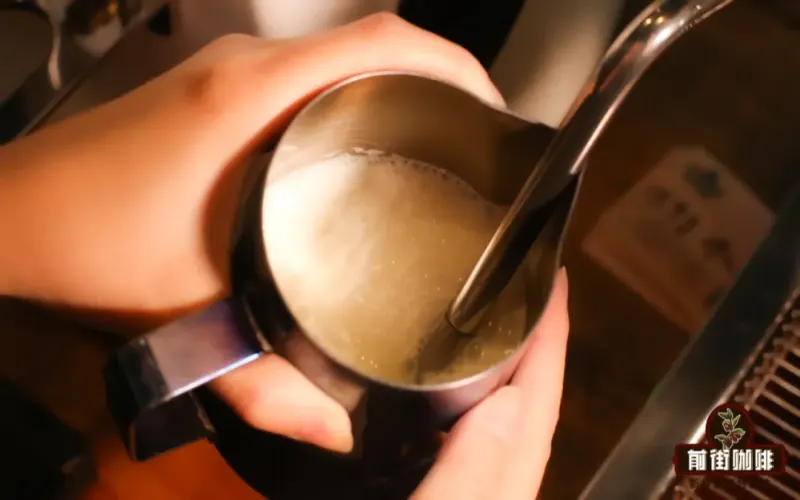
How to practice latte art from zero basics? Latte art techniques and common issues explained
To learn latte art from scratch, repeated practice alone isn't enough—identifying the reasons behind your failures is key. This article systematically breaks down the common latte art pitfalls for beginners, covering espresso and crema, the principles of milk frothing, pouring techniques, pitcher positioning, and tips for efficient practice. It also uses two coffee beans—Front Street Classic Blend and Front Street Commercial Blend—to explain how crema and milk foam together determine the final pattern, and provides a progressive practice path that goes from fresh milk to water and back to milk, helping coffee enthusiasts avoid unnecessary detours. [more…]
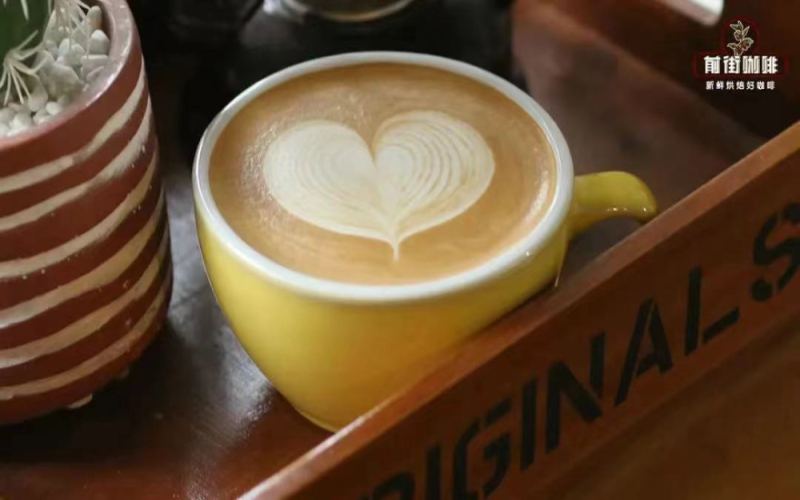
Espresso Latte Art from Beginner to Pouring Patterns: Milk Frothing Techniques and Five Core Principles Explained with Illustrations
Latte art is one of the most important skills for a barista. A beautiful cup of latte art may look effortless, but behind it lies repeated practice and accumulated experience. This article, from the practical perspective of Front Street Coffee, systematically explains the foundational points of espresso latte art: how to choose espresso beans suitable for latte art, how to steam fine and smooth milk foam, and five key details in the milk steaming process. It then further breaks down the five core principles of pouring latte art patterns, including the integration technique, high and low pouring, the trajectory of the pour point, the rhythm of the wobble, and the finishing technique, using a heart pattern as an example for an illustrated demonstration. Whether you are a complete beginner or an enthusiast hoping to improve your consistency, you can find actionable directions for practice here. [more…]

The Key to Latte Art Success or Failure: From Milk Fusion Techniques to Practical Steps, Front Street Coffee Teaches You to Improve Latte Quality
Many coffee enthusiasts long to pour beautiful patterns, yet overlook a more fundamental step—incorporation. Incorporation determines whether the latte's flavor is balanced, and it also affects whether the latte art can be presented smoothly. In this article, Front Street will guide you through a deeper understanding of the definition of incorporation, its evaluation criteria, and specific techniques, from controlling the quality of espresso and milk foam to the choice of pitcher spout height, incorporation technique, and incorporation volume, helping you overcome this challenge step by step. Whether you are a beginner just starting out or a barista looking to refine your skills, this content can take your latte art technique to the next level. [more…]
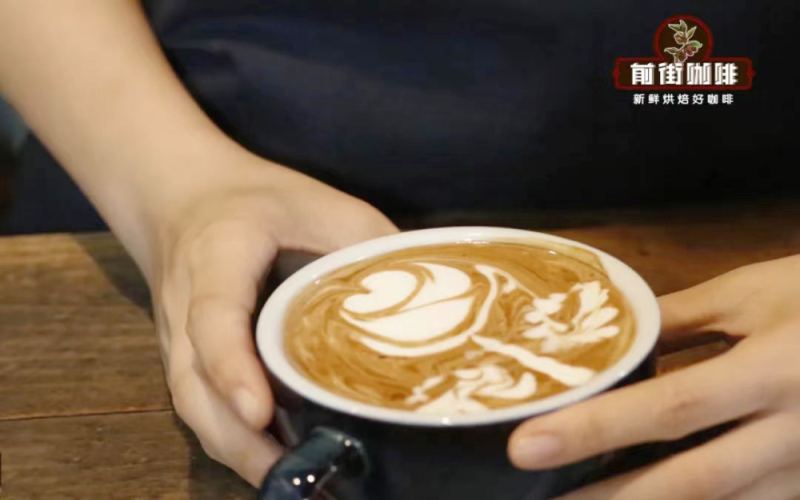
A Complete Guide to Latte Art Patterns and Milk Selection: A Practical Guide from Pouring Technique to a Clean Surface
Many coffee enthusiasts, when practicing latte art, tend to focus only on whether the white pattern looks good, while overlooking whether the surface of the liquid is clean. In fact, an excellent latte art piece requires not only a neat pattern, but also a well-integrated state between the brown crema and the milk in the background. If the integration is insufficient, the surface will show an uneven "dirty" look, and it may even affect the taste. This article will systematically explain how to make the surface of latte art clean and tidy from three dimensions: the quality of the milk foam and crema, the integration technique, and the pouring height, and will also answer what kind of milk should be chosen for latte art. Drawing on practical experience, Front Street Coffee provides you with actionable improvement solutions to help you make beautiful and delicious lattes at home. [more…]
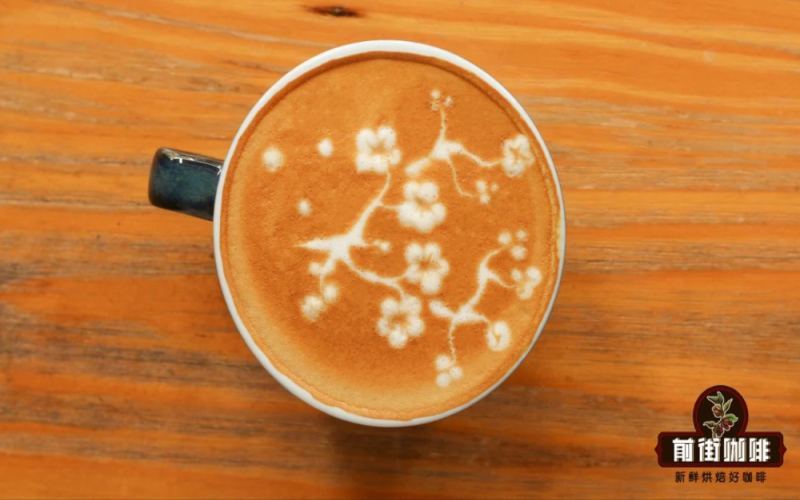
Coffee Latte Art Tutorial: Pouring Point and Swirling Techniques for Tulip and Leaf Patterns, and a Learning Path
Latte art is a visual art created by the collision of milk and espresso, mainly divided into two forms: free pouring and etching, where free pouring tests technique and etching tests creativity. This article systematically outlines the five steps to learning milk latte art, from choosing equipment and extracting espresso to steaming milk foam, and then to flow control and pattern practice, gradually guiding you through the basics. It focuses on explaining the injection point selection, flow control, and swinging rhythm for two basic patterns—the tulip and the leaf—and recommends using Front Street Coffee's specialty blend to make espresso, allowing the nutty caramel flavor to better blend with the milk's sweetness. Whether you are a coffee enthusiast just starting out or a barista looking to refine your skills, you can find practical practice methods here. [more…]

Latte Art from Beginner to Advanced: A Full Breakdown of Pouring and Design Techniques Plus Practice Tips
Latte art is what draws many people into the world of coffee, but how long does it actually take to master? In this article, Front Street Coffee shares the core principles and practical details of latte art, starting from the two main actions of integration and drawing, breaking down key elements such as height control, the timing of returning the cup, the use of force, the offset of the landing point, and the finishing technique, and offering four practical practice tips to help enthusiasts avoid detours and quickly get the hang of basic patterns like hearts, leaves, and tulips, and even take on more difficult combination patterns. [more…]

A Complete Guide to Making Latte Coffee: Ingredient Selection, Coffee-to-Milk Ratios, and Pouring Techniques
To make an excellent latte, three things matter most: the choice of coffee beans and milk, the ratio of coffee to milk, and the specific techniques of extraction and incorporation. Different coffee beans directly shape the flavor profile of a latte, and the texture of the milk likewise influences the final mouthfeel. Get the ratio wrong and you either lose the coffee flavor to too much milk or end up with harsh bitterness from too little. And if the incorporation step is handled poorly, you get one sip that's all milk followed by another that's all coffee. Drawing on Front Street's practical experience, this article breaks down material selection, the coffee-to-milk ratio, and incorporation techniques one by one, helping coffee lovers consistently produce a delicious latte at home. [more…]
From Heart to Swan: An Advanced Coffee Latte Art Tutorial, Mastering the Shaping Techniques of Multi-Layer Heart, Rosetta, and Tulip
Want to make coffee-shop-quality latte art at home? This tutorial will take you from the basics to advanced techniques. The article first emphasizes the importance of steaming milk, and points out that integration is the key step that determines whether the milk coffee has an even texture. Then, we break down the specific techniques for five classic patterns—heart, layered heart, rosetta, tulip, and swan. From choosing the pour point and controlling the flow to the timing of bringing the cup back and the finishing motion, every step is explained in detail. Whether you are a complete beginner or an advanced player looking to break through a plateau, you will find practical tips and practice directions here. [more…]
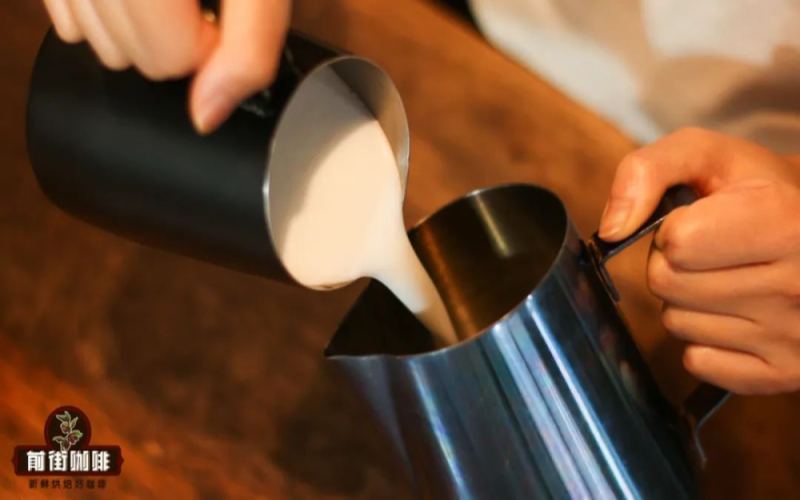
Why Is It Necessary to Transfer Milk for Latte Art? A Detailed Explanation of Milk Froth Fineness and Key Latte Art Techniques
In the process of coffee latte art, transferring milk between pitchers is an operation that is often mentioned but easily confuses people. Why is it necessary to pour the steamed milk foam from one latte art pitcher into another? What benefits does this actually bring? Starting from Front Street Coffee's sharing, this article provides a detailed analysis of how transferring milk improves milk foam quality, including effects such as re-integration, eliminating large bubbles, and breaking up clumps. It also explores how transferring milk reduces the difficulty of latte art, as well as details to note when creating latte art, such as pitcher selection, the amount of integration, and the tilt angle, helping coffee enthusiasts more systematically understand the principles and techniques behind latte art. [more…]

Latte Art Beginner Tutorial: Detailed Guide to Milk Foam Requirements, Pouring Techniques, and Step-by-Step Instructions for the White Heart Pattern
Latte art is one of the techniques that many coffee enthusiasts are most eager to master after stepping into the world of espresso. Common patterns include the solid white heart, multi-layered heart, swan, tulip, and rosetta, among which the solid white heart is regarded as the most basic yet most skill-testing design. Based on the latte art teaching experience of Front Street Coffee, this article systematically explains the two major prerequisites for making a solid white heart—a qualified espresso and milk foam suitable for pouring—and breaks down in detail the key steps such as the amount of milk used for incorporation, the pouring point for forming the pattern, and the injection technique. It also introduces how espresso beans such as Front Street Classic Blend perform in latte art practice, helping beginners stably produce espresso with golden crema at home and laying a solid foundation for subsequent latte art. [more…]

Latte Art Beginner's Illustrated Tutorial: Detailed Step-by-Step Analysis from Principles to Techniques and a Guide to Choosing Milk Foam
Want to learn latte art but don't know where to start? This article uses illustrations to break down the core principles and practical techniques of latte art, from integrating milk foam with coffee to controlling the landing point when pouring the design, helping you build muscle memory step by step. It also answers the common question of "what milk to use for latte art" and recommends espresso bean recipes suitable for latte art. Drawing on years of experience, Front Street Coffee tells you that learning a basic pattern usually takes 4 days: the first day to understand the principles, the second day to practice hands-on, the third day to review the key points, and the fourth day to consolidate and improve. As long as the milk foam quality is up to standard, pouring a beautiful pattern is not difficult. The article also shares the landing-point patterns for basic designs like hearts and leaves, as well as practice suggestions for using real milk and real coffee to get a feel for it. [more…]
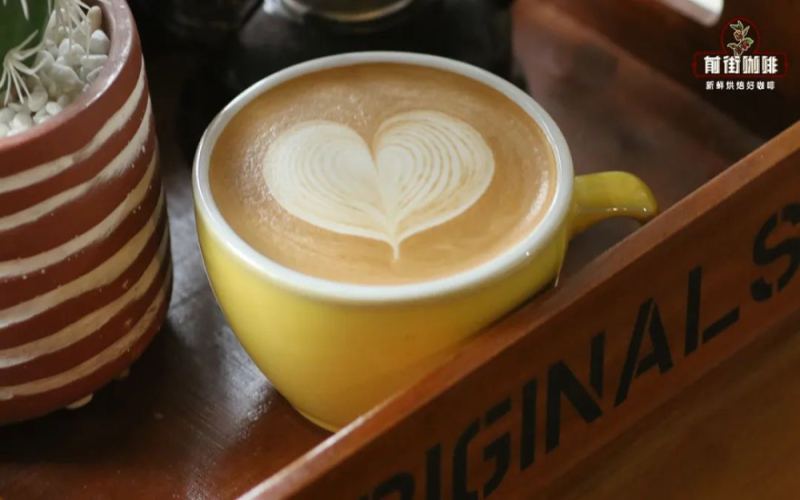
Latte Art Layered Heart Tutorial: A Detailed Guide to Milk Foam Thickness, Flow Control, and Pitcher Movement Techniques
The multi-layered heart is a variation pattern within heart-shaped latte art that boasts a strong sense of layering. Its operational foundation is very close to that of the large桃心, but it has stricter requirements in details. In this article, Front Street Coffee will guide you through the process of creating the large桃心 and focus on breaking down the key differences of the multi-layered heart in milk foam thickness, milk pouring flow rate, and pitcher manipulation techniques. Through the combination of pictures, text, and video explanations, we aim to help coffee enthusiasts who have mastered the large桃心 to smoothly advance to the multi-layered heart latte art with fine lines and distinct layers. [more…]
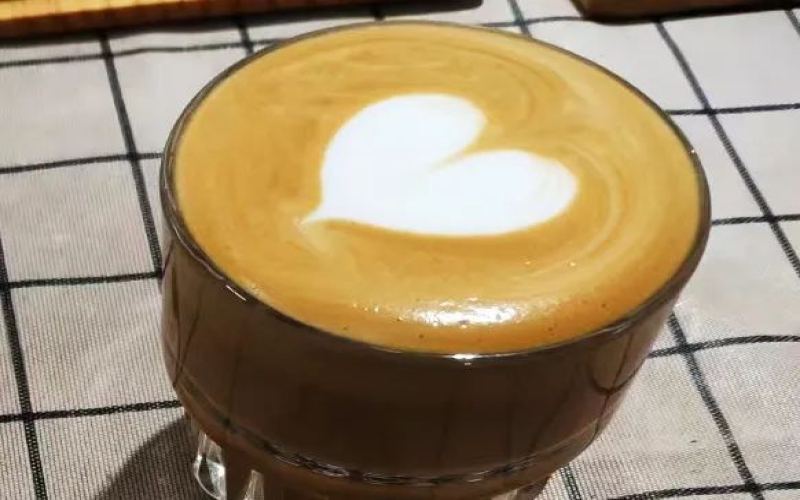
Beginner Latte Art Lesson 1: A Detailed Guide to Milk Foam Thickness, Pouring Integration, and Finishing Techniques for the Large Heart Pattern
If you want to learn latte art, the large heart is the most suitable first pattern for beginners, and it is also the foundation for many complex patterns that follow. In this tutorial brought to you by Front Street Coffee, we break down the key points of making a large heart one by one, from the standards for steaming milk foam and controlling the amount of blending, to choosing the pouring point and the finishing technique. The article also includes images of common failure cases and analysis of their causes to help beginners quickly identify problems. Whether you are just starting out with latte art or always fall short at the finishing stage, this content will give you clear guidance. [more…]

Latte Art | What is latte art? How do beginners make latte art? What are the techniques for making a tulip pattern?
Latte art mainly includes three forms: free pouring, etching, and stenciling. Stenciling uses a stencil to sprinkle cocoa powder, chocolate powder, or cinnamon powder onto the coffee to create a pattern. Free pouring and etching are collectively known as Latte Art; the former involves pouring hot [more…]
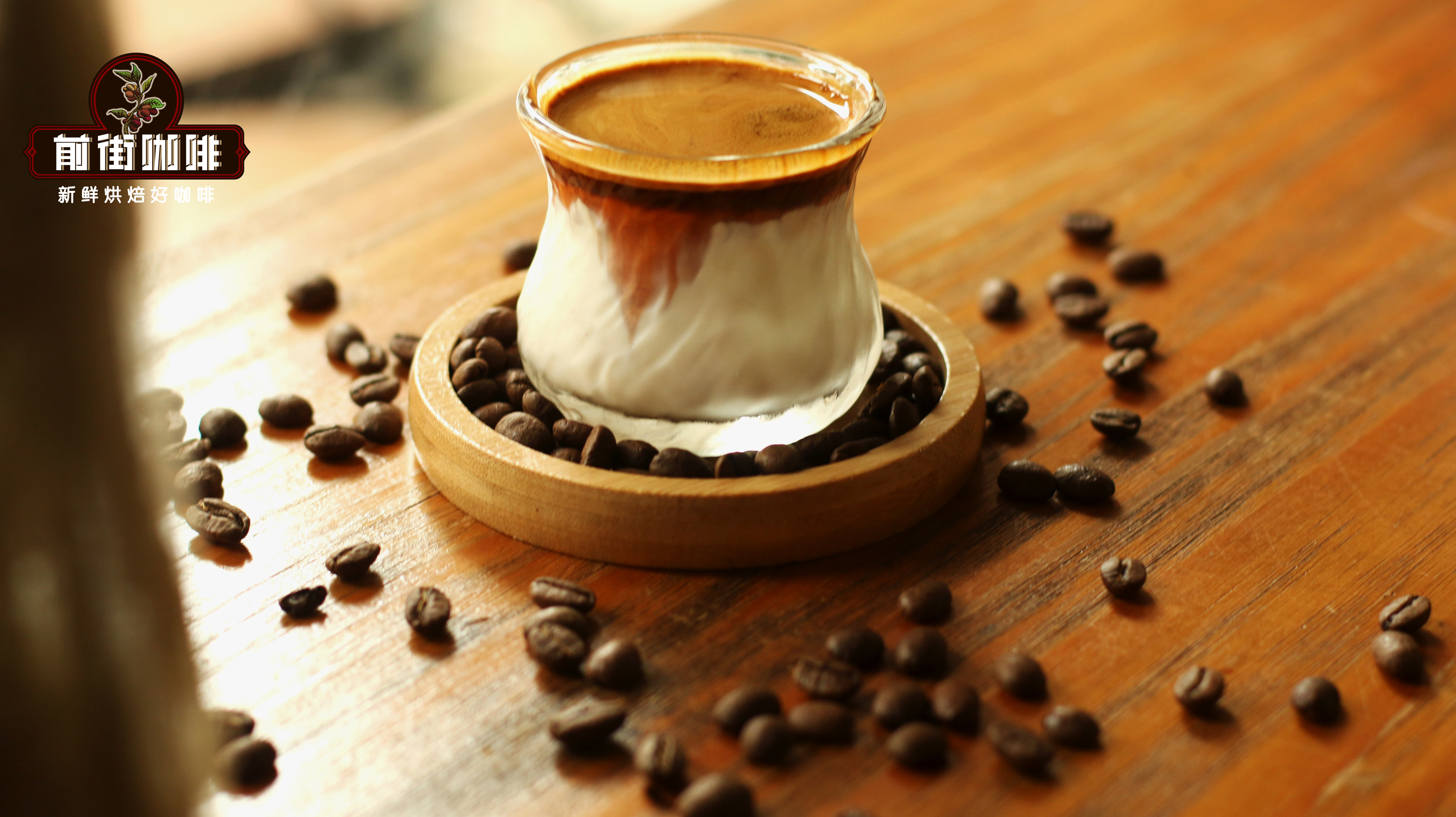
How Should You Drink a Dirty Coffee Correctly? A Full Analysis of Making Techniques and the Flavor and Mouthfeel Differences from Iced Latte
In recent years, Dirty coffee has quickly risen to fame, and many people who once loved lattes have switched camps. Unlike an iced latte, a Dirty is made by letting espresso and milk merge naturally, creating a fascinating layered gradient effect. The first sip delivers an intense coffee impact, which then turns into a smooth, sweet milky aroma—a true feast for both the eyes and the palate. Starting from the definition of a Dirty, this article will explain in detail how to make it, three key techniques, and its essential differences from an iced latte in terms of cup volume, mouthfeel, and flavor. At the same time, Front Street Coffee will also share how to choose suitable espresso beans and milk to help you make a perfectly layered, full-bodied Dirty at home. [more…]