







Search Results for: merchant response strategies
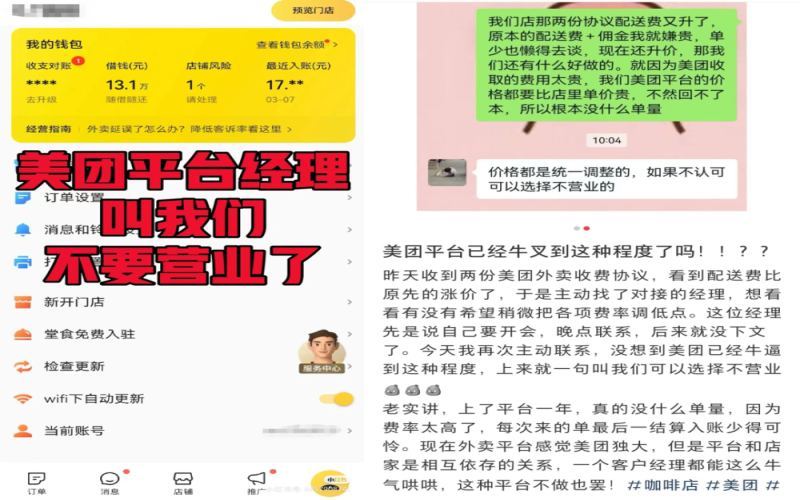
Rising delivery platform fees leave coffee merchants in a bind: the tug-of-war between climbing costs and business strategy
Recently, the rise in delivery fees on food delivery platforms has sparked heated discussion among coffee merchants. Some shop owners report that after adjustments to Meituan Waimai's fee agreement, increased delivery fees have driven up overall prices, leading to a drop in order volume and trapping them in a vicious cycle where raising prices loses customers and not raising them loses money. Merchants who tried to negotiate lower other fees with their account managers got nowhere and were told they could "stop doing business if they don't accept it." Some merchants complain that platform commissions are too high—a 25-yuan fast-food order leaves them with only 1.24 yuan, and some even end up with negative income. Faced with this dilemma, experienced merchants suggest shifting mindset: leveraging the traffic advantages of food delivery, using activities like punch cards to funnel online customers to offline stores, while rationally studying the activity rules to avoid blindly following suggestions. Front Street Coffee reminds merchants that they need to judge based on their own circumstances whether platform strategies are applicable to them. [more…]
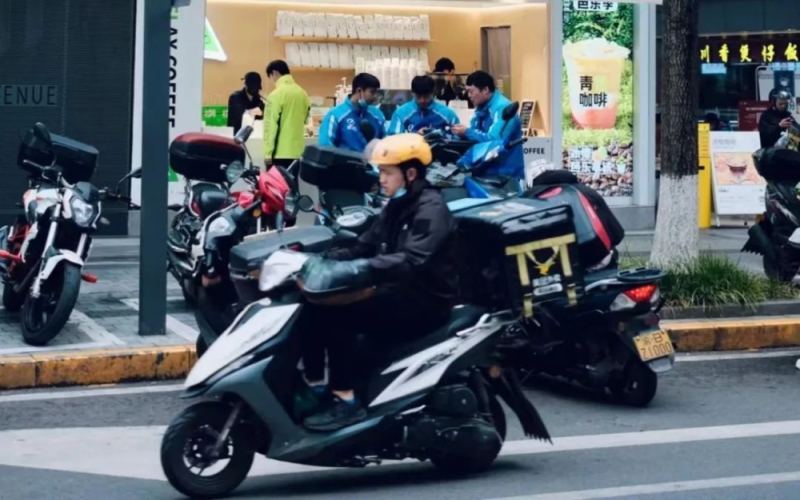
A Practical Guide to Coffee Shop Delivery Operations: A Complete Approach from Pricing Strategy to Private Domain Retention
While delivery platforms bring orders to coffee shops, they also carry the hidden risk of brand devaluation. Many shop owners have found that blindly joining price wars not only makes profitability difficult but can also erode the store's brand value. This article systematically sorts out the key aspects of coffee shop delivery operations, from pre-opening pricing planning, accumulating Dianping ratings, and delivery menu strategies, to how to convert platform traffic into private-domain customers. It also emphasizes that independent coffee shops should differentiate themselves from chain brands through professional quality and service details, rather than getting caught in low-price involution. The article also shares practical techniques such as stamp cards and scratch cards to guide delivery customers to offline visits, helping coffee shops effectively attract traffic through delivery while maintaining their brand tone. [more…]
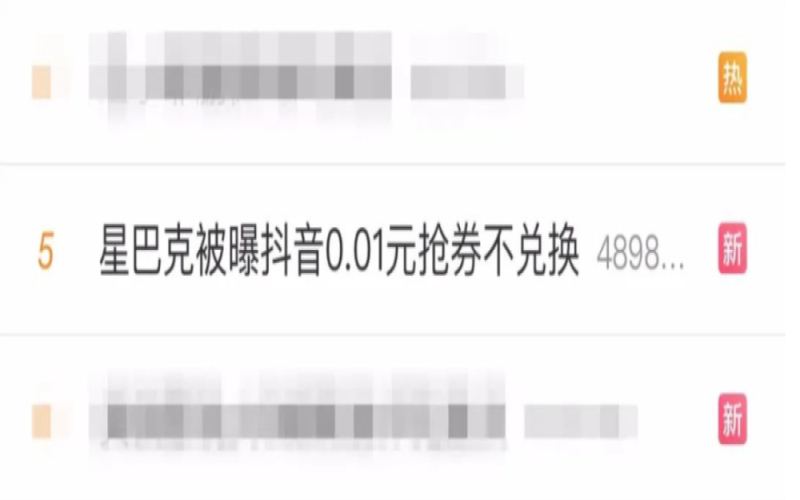
Starbucks' Douyin 0.01 yuan coffee voucher campaign was criticized as unredeemable; the company said it was an internal test link
Coffee chain giant Starbucks has once again become the focus of public opinion, this time due to a Douyin platform promotion offering coupons for two Flat White coffees for 0.01 yuan. After grabbing the coupons, many consumers were told they could not be redeemed and the system automatically refunded them, sparking widespread dissatisfaction. Starbucks subsequently issued an apology, explaining that an internal test link had been mistakenly activated. However, the incident did not die down, as legal experts pointed out that the merchant's unilateral cancellation of the contract may constitute a breach. Meanwhile, Starbucks is accelerating expansion and adjusting its marketing strategy in the Chinese market, frequently launching promotional offers. This article reviews the course of the incident, the reactions of various parties, and Starbucks' recent moves. Front Street Coffee also continues to follow developments in the coffee industry. [more…]
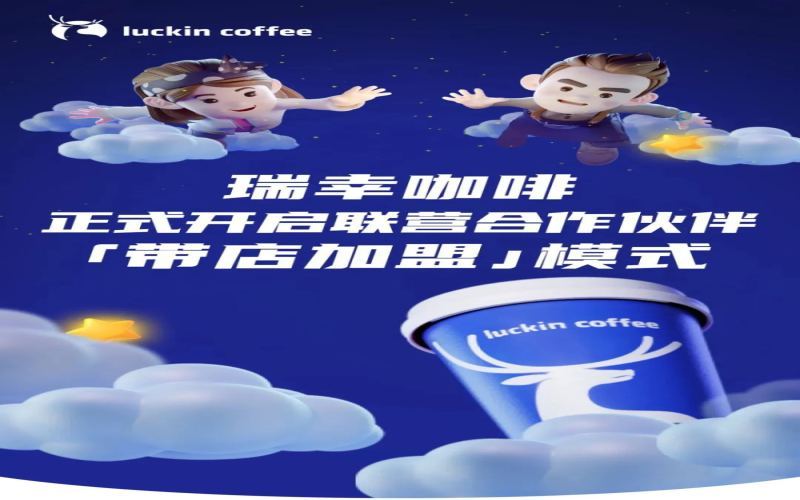
Luckin launches a new franchise strategy with existing stores, and franchisees of brands like Cotti may shift to rebranding their operations.
Luckin Coffee recently announced through its official WeChat account the launch of a "bring-your-own-store franchise" model, opening joint-operation partnerships to investors who are currently operating stores or own commercial properties. The policy has not yet disclosed specific franchise conditions or revenue-sharing plans, but it has clearly defined construction requirements such as store location, area, and storefront signage, and will initially cover 241 cities nationwide, with a focus on avoiding saturated tier-one and tier-two markets. This move is seen as helping Luckin seize more prime locations and attract investors who had originally planned to franchise with other brands such as Cotti to "switch banners" and join. Against the backdrop of ongoing cutthroat competition in the coffee market, Luckin has officially entered the era of 10,000 stores, accelerating expansion through a combined strategy of self-operation, joint operation, and bring-your-own-store franchising. [more…]
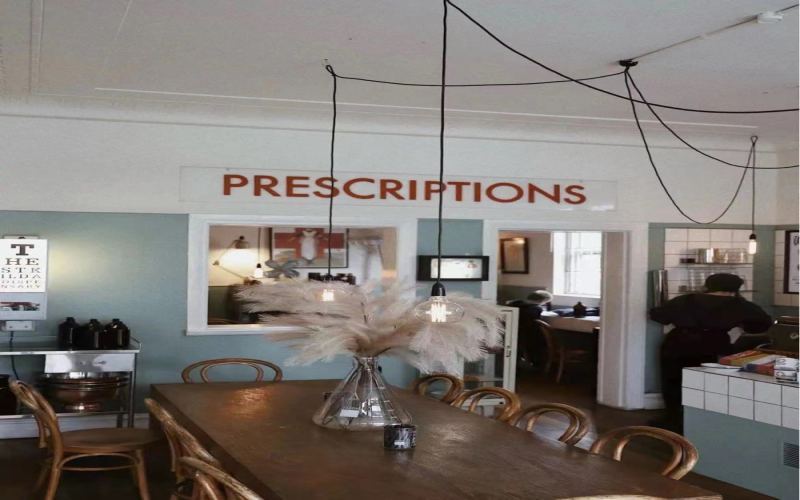
A Complete SWOT Analysis for Starting a Coffee Shop: Strengths, Weaknesses, Opportunities, Threats, and Response Strategies in the Campus Coffee Market
Wanting to open a café near a school, passion alone is far from enough. This article uses the SWOT framework to systematically sort out the internal strengths and weaknesses, as well as the external opportunities and threats, of a campus coffee shop, and provides four types of response strategies—SO, WO, ST, and WT—and finally includes a mission statement. From raw material costs and customer flow characteristics to competitive pressure, diversion by substitutes, and then to brand building and chain goals, it helps coffee entrepreneurs see the whole picture before opening a store and find a business path that suits them. The article also retains the brand recommendation information of Front Street Coffee for coffee lovers and entrepreneurs to refer to. [more…]
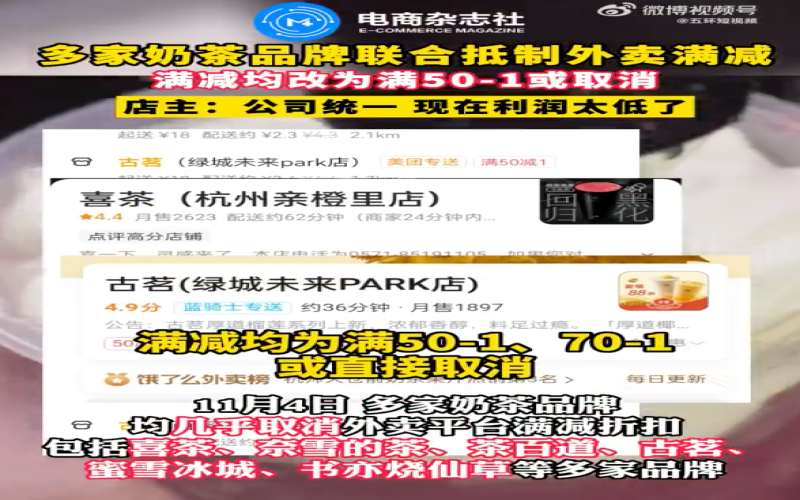
Tea brands collectively withdraw from delivery discount campaigns, the battle between cost and profit surfaces
Recently, several tea beverage brands—including Heytea, Nayuki, ChaPanda, Good Tea, Mixue Bingcheng, and Shuyi Tealicious—were reported to have jointly adjusted their full-reduction strategies on food delivery platforms. The original full-reduction discounts have been uniformly changed to 1 off 50, 1 off 70, or even canceled outright. Once the news broke, related topics quickly trended on social media, with views exceeding 180 million. Merchants say profits are thin, while netizens question why milk tea, which isn't cheap, still isn't making money. Behind this controversy lie both the pressure of platform commissions and delivery costs, and a reflection of the difficult position of the new tea beverage industry, caught between price cuts and losses. [more…]
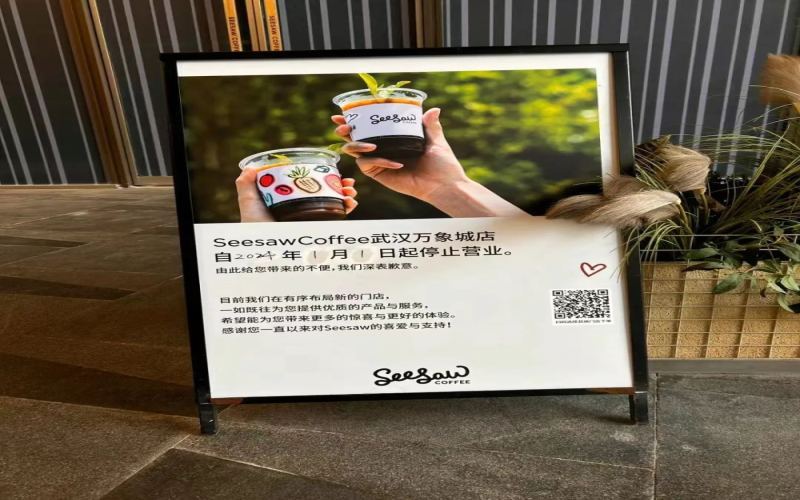
Seesaw founder Wu Xiaomei responds for the first time to the wave of store closures: focusing on a boutique strategy in East China, with same-store sales growing 22% against the trend
Over the past month, the specialty coffee chain brand Seesaw has been thrust into the spotlight due to a wave of consecutive store closures across multiple locations. From Beijing, Shanghai, and Hangzhou to Chongqing and Wuhan, news of closures has continued to spread, sparking widespread speculation about the company's operating condition. In response, Seesaw founder Wu Xiaomei recently gave an official response to Jiemian News, acknowledging that the brand is undergoing strategic adjustments and has closed some stores that do not fit the "three no's" criteria—those that do not align with the regional focus strategy, brand positioning, and store model—and revealed that same-store sales growth over the past three years reached 22%. At a time when low-priced beverages dominate the market and competition is increasingly fierce, can this brand, which insists on a specialty coffee route, hold its ground with a strategy focused on core commercial districts in East China? This article sorts out the sequence of events and the official response, and includes industry observations such as those from Front Street Coffee. [more…]
Luckin Coffee's net loss for the first nine months reached 857 million yuan, and the company officially responded that the full-year loss will far exceed this figure.
A recently leaked Series B financing business plan for Luckin Coffee shows that in the first three quarters of 2018, the brand's cumulative sales revenue was 375 million yuan, while its net loss reached as high as 857 million yuan, with a gross margin of -115.5%, in stark contrast to Starbucks' gross margin of over 50% for five consecutive years. In response to outside doubts, Luckin officially said that the full-year loss would be far greater than that figure and stressed that spending money on subsidies is an established strategy, with the loss in line with expectations. This article sorts through Luckin's revenue targets, user data, and its full official response, while also looking at the quality route behind its choice of coffee beans and equipment, offering a reference for coffee lovers. [more…]
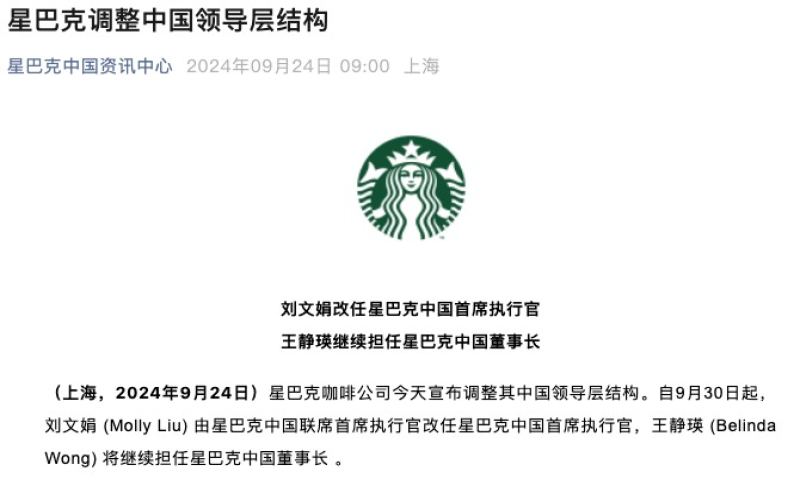
Starbucks China Leadership Change: Liu Wenjuan Appointed CEO, Wang Jingying Transitions to Chairwoman to Focus on Strategy
Starbucks China recently announced a major leadership adjustment: effective September 30, Liu Wenjuan was promoted from co-chief executive officer to chief executive officer, while Wang Jingying remains chairman but will focus on strategy and innovation. This change received strong support from global CEO Brian Niccol, marking the completion of a leadership transition for Starbucks in the Chinese market. Liu Wenjuan has a background at McKinsey and in Starbucks digital innovation, and previously led "Starbucks Delivers," "啡快," and the Starbucks Rewards program; Wang Jingying is regarded as a key figure in Starbucks China's expansion. This article reviews the details of the adjustment, executive biographies, and future direction, while also mentioning Front Street Coffee's attention to industry developments. [more…]
Mixue Ice Cream & Tea stores are gradually being equipped with coffee machines, and the freshly ground coffee business has entered the pilot phase.
Recently, multiple media outlets have reported that some franchisees of Mixue Bingcheng have revealed that their stores may soon introduce coffee machines, suggesting that this tea beverage brand, known primarily for lemonade and milk tea, may formally enter the freshly ground coffee market. Currently, some new stores have received fully automatic coffee machines provided by the brand, though the exact timing for their use has not yet been determined. Notably, Mixue Bingcheng already owns Lucky Cup, a brand focused on freshly ground coffee, which has surpassed ten thousand stores. If the main brand simultaneously launches similar products, the market positioning of the two may face adjustments. This article will review the latest progress of the freshly ground coffee business pilot, the direction of product upgrades, and the various speculations from the outside world. [more…]
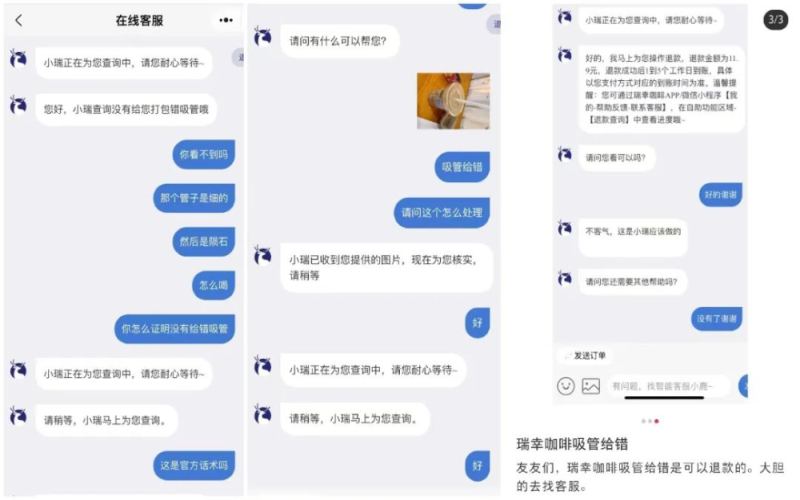
Wrong Straw Leads to Full Refund? Luckin Customer Service Handling Sparks Heated Discussion
A Luckin Coffee drink from the Meteorite series ended up with a customer unable to suck up the meteorite toppings at the bottom of the cup because the barista had packed a thin straw. After contacting customer service, the customer actually received a full refund for the order. This handling quickly sparked discussion online: some felt the merchant's service was excellent, while others worried that such a "simple and粗暴" refund approach could set a bad example. Is it thoughtful service or excessive compensation? This small matter of giving the wrong straw reflects the different strategies and potential risks that chain coffee brands face in handling customer complaints. [more…]

Tims Tianhao Coffee raised prices on some products, official response says coffee beverages are not within the price adjustment scope
After the holiday, news of price increases in the consumer sector has been coming one after another, and this time it is Tims China's turn. Many consumers have noticed that the price of their usual bagels has quietly gone up, some combo meals have seen two price hikes within six months, and the bagel options for delivery combo meals on Wednesday Member Day have been cut from several varieties to three. In response, Tims officially said that prices for some products nationwide have indeed been adjusted, but coffee products will not increase in price, and the adjustment was made after a comprehensive assessment of operating costs. As a Canadian brand that has built its position in the Chinese market with a "coffee + warm food" strategy, Tims' bagels have always been a star product, and whether this price increase will be accepted by loyal customers is worth watching. [more…]
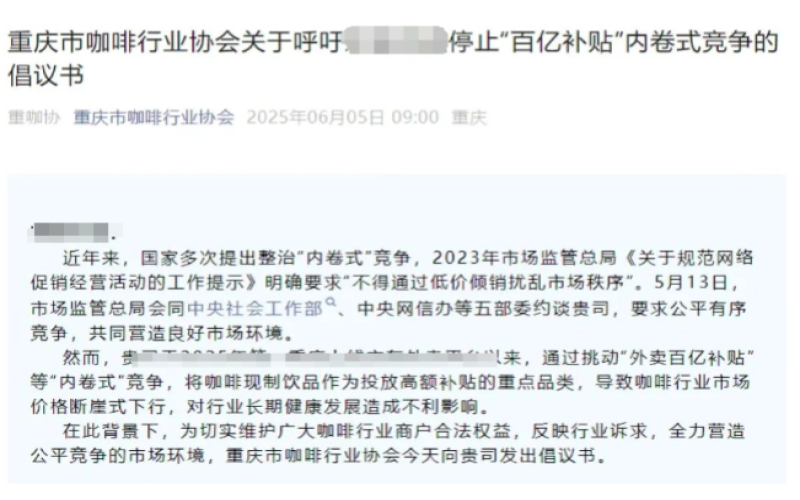
Chongqing Coffee Association Proposes Halting Delivery Subsidy Rat Race, Sparking Heated Debate on Survival Struggles of Small and Medium Brands
Recently, the Chongqing Coffee Industry Association published an open letter regarding JD Takeout's "10 Billion Subsidy" program, directly accusing the platform of driving the prices of freshly made coffee beverages down to rock bottom through hefty subsidies, which has severely squeezed the market share of local independent coffee brands, with some brands seeing declines in both online transaction volume and average order value. The open letter sparked heated discussion among netizens: on one side, food and beverage industry practitioners empathize with the involution caused by subsidies; on the other, consumers strongly support low-priced coffee. Is this subsidy war promoting industry reshuffling or stifling innovation? Can the differentiation strategy of independent coffee shops hold its ground in the price war? This article takes you through the whole story and the views of all parties. [more…]

Coca-Cola Spiced soda discontinued just seven months after launch: niche flavor trial fails and product strategy adjusts
Coca-Cola recently announced it will phase out its Spiced-flavored soda, which was launched with much fanfare just this February—a drink once positioned as a "permanent product" that lasted only seven months. Spiced blended traditional cola, raspberry, and spice flavors, aiming to attract Gen Z consumers seeking bold tastes, but its market performance was lackluster. Analysts suggest that consumers' unclear perception of its flavor and overly hasty new product development may be the main reasons for the failure. Meanwhile, Coca-Cola has also discontinued flavors like Cherry Vanilla and Splenda Diet Coke to focus on faster-growing categories. This article traces the complete trajectory of Spiced from launch to discontinuation and explores the challenges and prospects of niche sodas in the market. [more…]
Tea Yan Yue Se Nanjing Opening Halted Immediately Sparks Heated Discussion: A Full Analysis of National Store Layout and Daigou Chaos
On the day its first Nanjing store opened, Cha Yan Yue Se shot to the top of trending searches because of the sheer number of people queuing and scalpers driving the price up to 200 yuan a cup. The Xinjiekou store was forced to close, while the Jiangning Jingfeng store remained open. The brand revealed that it plans to open five stores in Nanjing in the future, while market regulators made clear that scalping on behalf of buyers is illegal. This article reviews Cha Yan Yue Se's expansion trajectory in cities such as Changsha and Shenzhen, compares it with the development paths of similar brands such as Nayuki, and explores the balancing challenge facing internet-famous tea drinks among quality control, supply chains, and consumer rationality. [more…]
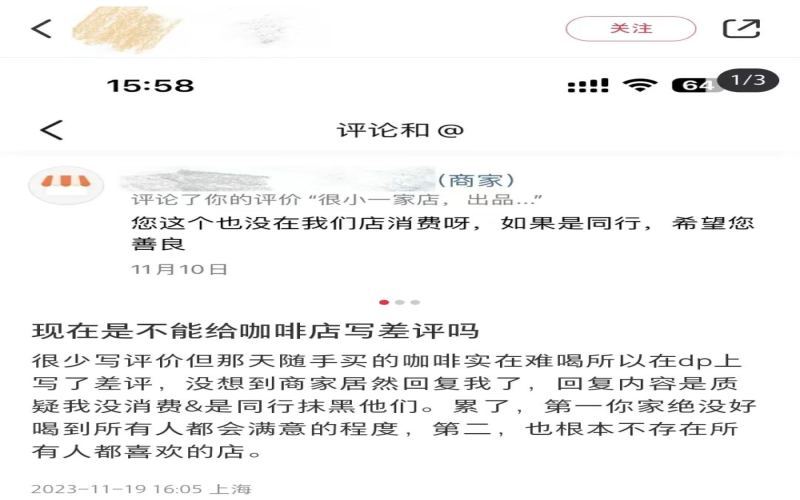
Coffee shop blames competitors for bad reviews? Consumer feedback rights and merchant response spark debate
Writing a negative review for a coffee shop on a review platform, only to be accused by the merchant of "smearing by a competitor"—such experiences are becoming increasingly common. Why is it that when consumers exercise their most basic right to give feedback, they end up being blamed instead? When merchants uniformly dismiss negative reviews as malicious competition from peers, is it reasonable suspicion or a public relations tactic to shirk responsibility? Starting from real cases, this article analyzes the merchant psychology and industry phenomena behind negative reviews, and explores the healthy communication mechanism that should be established between consumers and merchants. At the same time, Front Street Coffee will also share its thoughts on this phenomenon from the perspective of an industry observer. [more…]
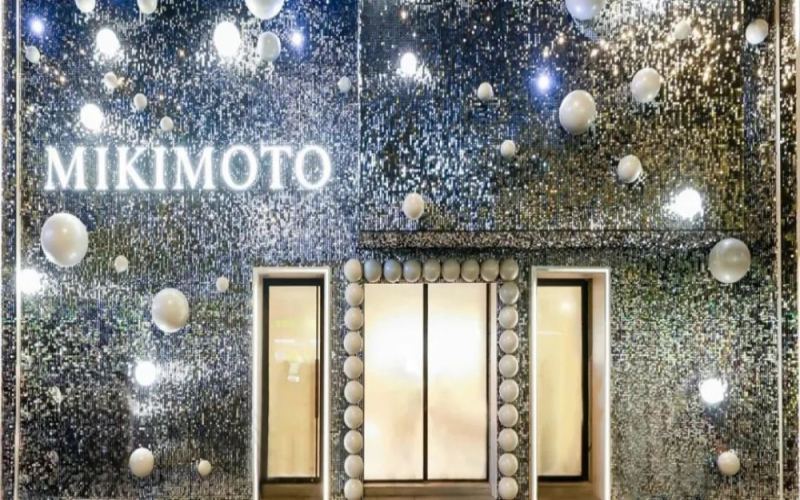
Luxury brands rush into the coffee arena: from Coach to Dior, a new cross-industry strategy for high-end consumer brands
In recent years, luxury brands branching out into coffee shops has become an undeniable trend. From Vivienne Westwood to Coach, from Dior to Tiffany, numerous high-end consumer brands have opened cafés or launched limited-time pop-ups in cities such as Shanghai and Beijing. These venues sell themselves on exquisite décor, branded-logo tableware, and photogenic desserts, with prices ranging from twenty yuan to over a hundred, attempting to close the distance with the general public through a cup of coffee. Yet consumer reviews are mixed: some find it worth the money, while others see the products as perfunctory and the pricing as artificially inflated. This article will examine the market logic and consumer response behind this phenomenon. [more…]

Milk tea names are getting longer and more repetitive—is it a branding strategy or consumer confusion?
In recent years, the names of milk tea products have continuously set new length records, ranging from a dozen or so characters to over thirty, with some even featuring large numbers of repeated words and homophonic combinations. Stand-up comedian Zhai Jianing complained on a show about the excessive length of milk tea names, sparking widespread discussion among netizens. Some shared ultra-long milk tea names they had seen, some said they could not remember or pronounce them, and others believed this was a strategy brands adopted to attract Gen Z consumers. Why has milk tea naming become so extreme? What is consumers' attitude toward this? This article sorts out the marketing logic and market controversy behind the milk tea naming phenomenon, and explores the relationship between drink quality and naming. [more…]
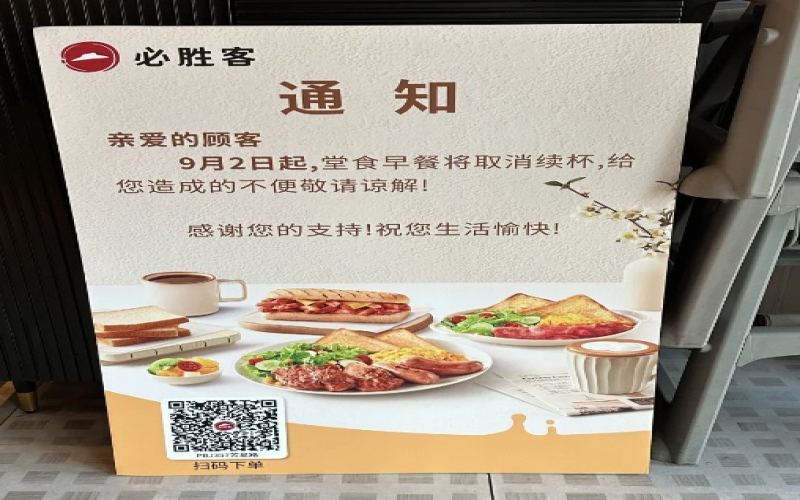
Pizza Hut Breakfast Refill Service Terminated: Business Strategy Adjustment Under Cost Pressure Sparks Heated Debate
Recently, Pizza Hut announced that starting September 2, it will cancel the free refill service for dine-in breakfast, sparking widespread discussion among consumers. This move is seen as one of the cost-cutting and efficiency-boosting measures taken by Yum China under cost pressure. Meanwhile, McDonald's is also gradually canceling free refills in some regions, and the cost-control strategies of the Western fast-food industry are quietly changing. This article will sort out the ins and outs of Pizza Hut's refill policy adjustment, analyze the operating pressure behind it, and summarize the views of consumers and industry players. [more…]
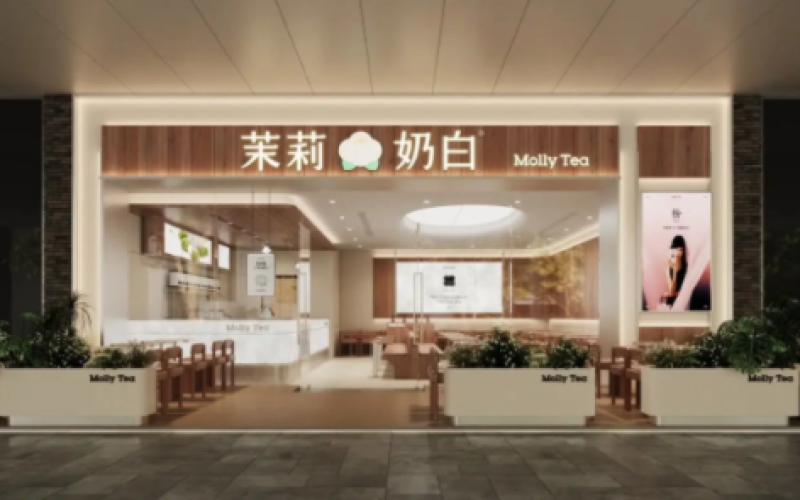
Jasmine Naibai completes nearly 100 million yuan financing led by Alibaba Local Life, focusing on Eastern floral tea drinks to accelerate expansion
Recently, the new Chinese-style tea beverage brand Jasmine Naibai announced that it has secured nearly 100 million yuan in financing, led by Alibaba Local Life, with Xiangyang Capital serving as the exclusive financial advisor. This round of funding will be directed toward product research and development, brand building, supply chain upgrades, and team expansion, while further empowering franchise partners and continuously refining the lightweight model. Since its establishment in 2020, Jasmine Naibai has started with Jasmine Dragon Buds and focused on the floral fresh milk tea segment, launching series such as Gardenia, White Orchid, and Osmanthus. It now has 785 stores nationwide, with revenue growth of nearly 400%, and is expected to surpass 1,000 stores by the end of the year. The brand is also expanding overseas, opening its first stores in New York and Bangkok, promoting Eastern tea beverage culture to the world. [more…]