







Search Results for: merchant cost-sharing
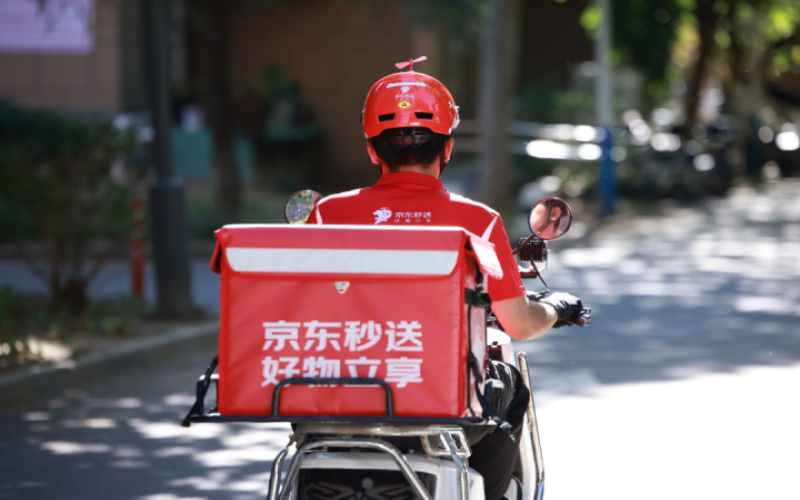
Changes to JD Takeaway's subsidy rules spark merchant discontent, Grid Coffee founder Chen Ziyu speaks out in criticism
Recently, JD Delivery adjusted the cost-sharing method for its "10 Billion Subsidy" campaign, changing it from being fully borne by the platform to a 50-50 split with merchants, which sparked strong backlash from many participating merchants. Many merchants reported that the new rules not only severely squeezed their profit margins but also exposed them to pressure such as forced participation and traffic downgrading, with some orders even generating negative revenue. Chen Ziyu, the owner of the coffee chain brand Grid Coffee, publicly called out, "Stop it, Ah Dong," pushing the conflict into the spotlight of public opinion. As the incident continues to escalate, the trust relationship between merchants and the platform is facing a severe test. [more…]
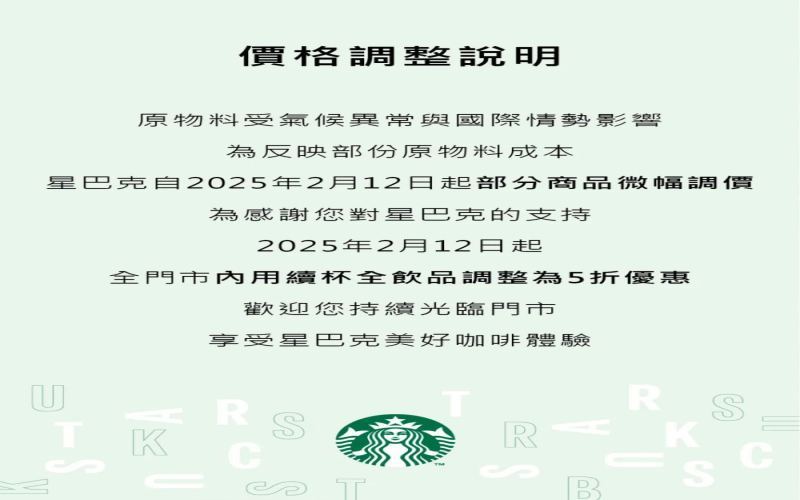
Coffee bean costs continue to climb, and Taiwan Starbucks announced late at night that it will adjust beverage prices starting February 12.
Coffee bean prices have been soaring relentlessly, and chain coffee brands can finally no longer hold out. Starbucks Taiwan posted an announcement on its official website without warning in the early hours of February 11, announcing a slight price adjustment for some drinks starting February 12, with increases ranging from NT$5 to NT$10. The company attributed the price hike to rising raw material costs caused by abnormal weather and the international situation. At the same time, Starbucks also launched a Valentine's Day buy-one-get-one-free promotion to cushion consumers' feelings. It is worth noting that coffee futures recently broke through 430 cents per pound on the ICE exchange in the United States, setting a new 47-year high, with a gain of 118.57% over the past year. Whether this wave of price increases will prompt competitors to follow suit has become the focus of industry attention. This article will sort out the specific categories involved in this price adjustment, the extent of the increases, and the coffee bean market trends behind it. [more…]
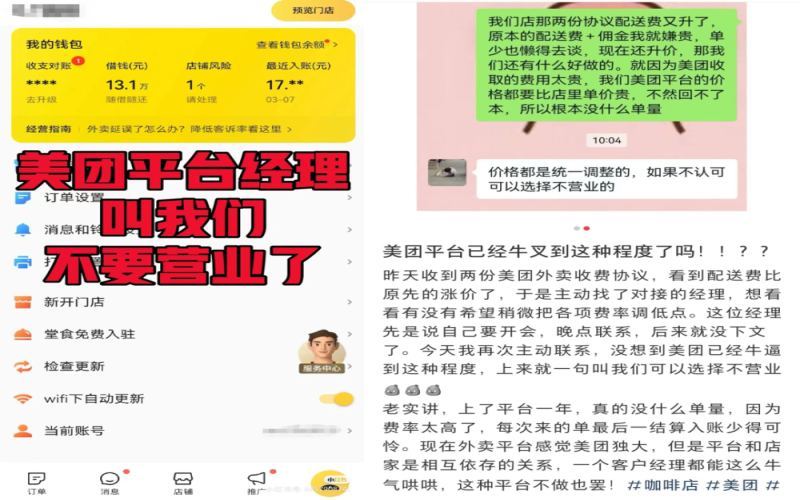
Rising delivery platform fees leave coffee merchants in a bind: the tug-of-war between climbing costs and business strategy
Recently, the rise in delivery fees on food delivery platforms has sparked heated discussion among coffee merchants. Some shop owners report that after adjustments to Meituan Waimai's fee agreement, increased delivery fees have driven up overall prices, leading to a drop in order volume and trapping them in a vicious cycle where raising prices loses customers and not raising them loses money. Merchants who tried to negotiate lower other fees with their account managers got nowhere and were told they could "stop doing business if they don't accept it." Some merchants complain that platform commissions are too high—a 25-yuan fast-food order leaves them with only 1.24 yuan, and some even end up with negative income. Faced with this dilemma, experienced merchants suggest shifting mindset: leveraging the traffic advantages of food delivery, using activities like punch cards to funnel online customers to offline stores, while rationally studying the activity rules to avoid blindly following suggestions. Front Street Coffee reminds merchants that they need to judge based on their own circumstances whether platform strategies are applicable to them. [more…]

Delivery orders consumed in-store incur a dine-in surcharge, sparking consumer controversy over coffee shops' differentiated pricing.
Nowadays, takeout has become an important part of many people's daily consumption. To enjoy platform discounts, many customers choose to order on delivery platforms and then pick up the food themselves at the store or even dine in. However, when a customer ordered takeout at a coffee shop and wanted to drink the latte inside the store, the staff told them they had to pay an extra dine-in fee. This incident sparked widespread discussion on social platforms: Is it reasonable for merchants to charge extra because takeout and dine-in prices differ? How should the consumer experience be safeguarded? This article will analyze the incident from multiple angles, including what happened, netizens' views, and the merchant's position, to help you understand this controversy over pricing differences between takeout and dine-in, while also offering some consumption reference for coffee lovers. [more…]
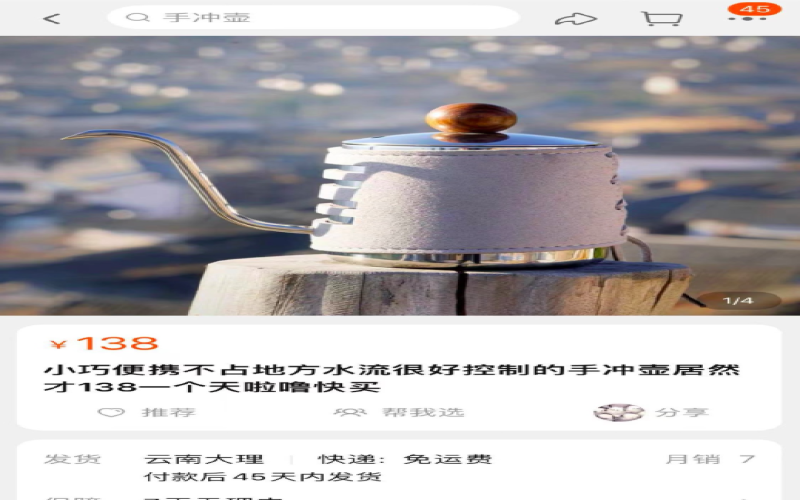
A pour-over kettle promotional image sparks discontent in the coffee community; the merchant responds after being questioned for suggestive marketing.
Pour-over kettles are essential tools for coffee enthusiasts, and many people keep several at home, using them separately for boiling water, brewing drip bags, or matching different occasions and bean types. Besides well-known brands like the B kettle, many also favor uniquely designed niche kettle styles. However, recently some netizens discovered that a Taobao merchant used revealing images of a female model in a corset on the product details page for a pour-over kettle, accompanied by ambiguous text, sparking strong disgust among coffee lovers. The relevant screenshots quickly spread on platforms like Xiaohongshu and Douban, with many condemning the marketing approach as vulgar and objectifying women. The merchant subsequently responded on WeChat Moments. The incident also brings to mind a previous controversy involving a coffee machine brand that used nude models for promotion. [more…]
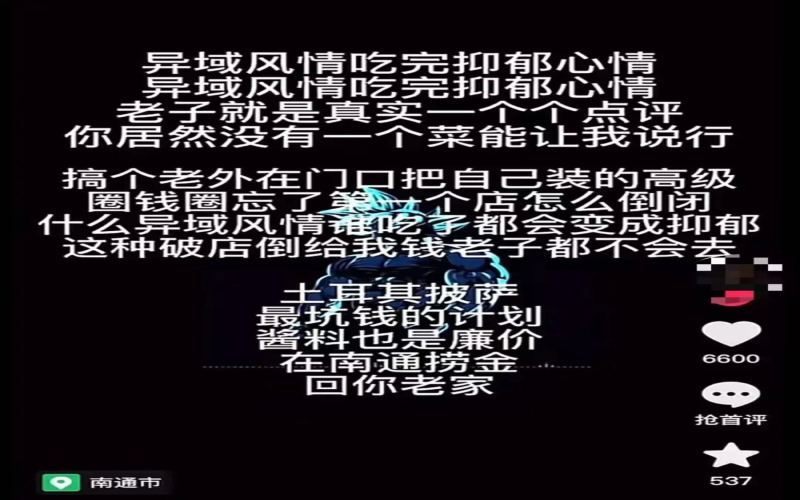
After skipping out on a 710-yuan bill, a探店 blogger apologizes and deletes the video, reigniting debate over the gray areas of influencer探店
Recently, a food exploration blogger in Jiangsu spent 710 yuan at a restaurant and left without paying. After being chased back by the waiter, the blogger posted a negative review video targeting the restaurant, and the incident quickly went viral and sparked widespread discussion. As the number of food exploration bloggers surges, chaos such as accepting money for false promotion, threatening free meals with bad reviews, and occupying seats for long periods to take photos keeps emerging. How should merchants and platforms respond? This article will recount the incident and take an in-depth look at the gray areas and industry dilemmas behind influencer food exploration. [more…]
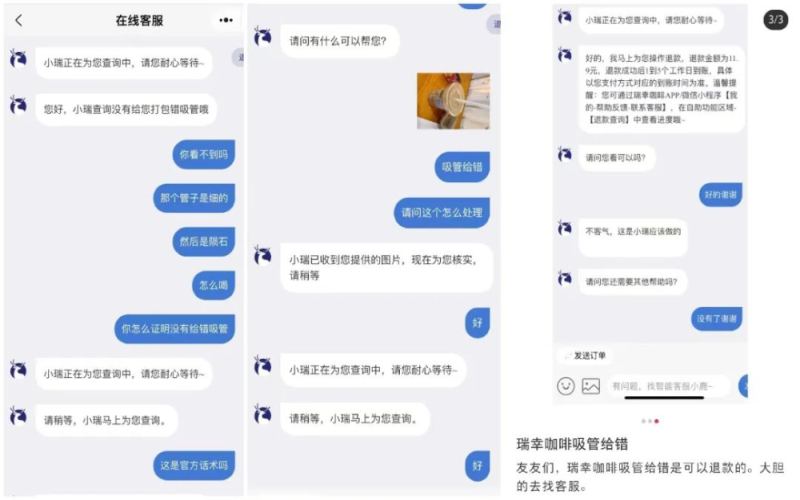
Wrong Straw Leads to Full Refund? Luckin Customer Service Handling Sparks Heated Discussion
A Luckin Coffee drink from the Meteorite series ended up with a customer unable to suck up the meteorite toppings at the bottom of the cup because the barista had packed a thin straw. After contacting customer service, the customer actually received a full refund for the order. This handling quickly sparked discussion online: some felt the merchant's service was excellent, while others worried that such a "simple and粗暴" refund approach could set a bad example. Is it thoughtful service or excessive compensation? This small matter of giving the wrong straw reflects the different strategies and potential risks that chain coffee brands face in handling customer complaints. [more…]

Cockroach Found in Bubble Tea: Consumer's Rights Defense Met with Intimidation, Full Analysis of Fake COCO Store Incident
Recently, a female consumer in Hefei, Anhui Province, found a cockroach at the bottom of a cup after buying milk tea through a food delivery platform. Even more shockingly, after she exposed the incident on Weibo, she received threatening private messages from an anonymous person. The incident quickly escalated and became a trending topic on Weibo, with 84.574 million views. An investigation found that the shop involved was not the authentic "COCO都可" but a counterfeit store called "与COCO茶饮". The merchant initially refused compensation and accused the consumer of extortion, but later expressed willingness to apologize, compensate, and fire the store manager. This incident not only exposed the difficulty of identifying counterfeit brands on food delivery platforms but also once again sounded the alarm for food safety. Front Street Coffee reminds you that when encountering similar problems, you must preserve evidence at the first opportunity and defend your rights in accordance with the law. [more…]
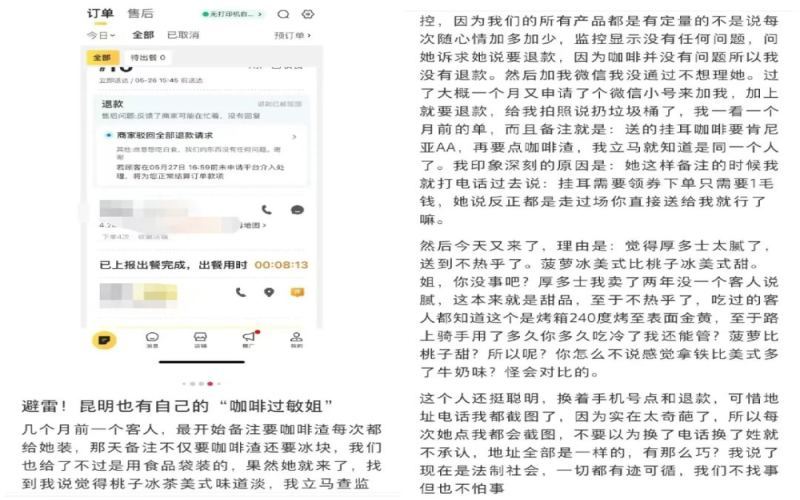
Customers repeatedly apply for refunds citing poor taste, multiple coffee shop owners expose encounters with the same person
Recently, the "Allergy Sister" incident in Wuhan has sparked widespread attention in the coffee community, and similar phenomena of customers requesting refunds from merchants for various reasons are not uncommon in the food and beverage industry. Some coffee shop owners have reported encountering a customer who repeatedly applied for refunds on the grounds that the drinks' taste was not to their liking, suspected to be an "Allergy Sister alt account." Investigations revealed that this customer had placed orders at multiple shops and repeatedly applied for refunds, citing reasons such as the drink being too bland, too sweet, or too cloying. Some merchants chose to appease the customer to protect their reputation, but others refused to compromise and warned their peers to be vigilant. Such behavior not only harms merchants' interests but also encourages a culture of malicious claims. This article reviews the course of events and explores reasonable ways for merchants to defend their rights when responding to consumer complaints. [more…]
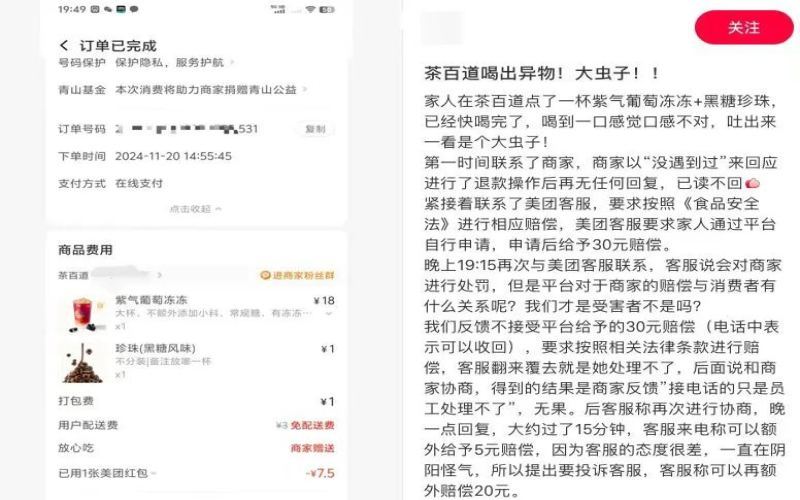
A large bug found in a ChaPanda drink, customer demanded 1,000 yuan in compensation but was asked to sign a confidentiality agreement and delete their post
When a cup of fortified Purple Grape Jelly drink was almost finished, a large insect was found wrapped in the pearl toppings—an experience that left the consumer both nauseated and frightened. Even more surprising, during compensation negotiations with the ChaPanda merchant, although the other party eventually verbally agreed to pay 1,000 yuan, they required the consumer to sign an agreement and delete related posts and comments. The consumer believed this move was an attempt to portray them as a malicious claimant and refused to sign. Both sides stuck to their own accounts, and the local food and drug administration has also intervened and summoned the parties. How will this food safety dispute ultimately end? What obstacles did the consumer encounter on the path to defending their rights? This article sorts out the entire process of the incident for you. [more…]
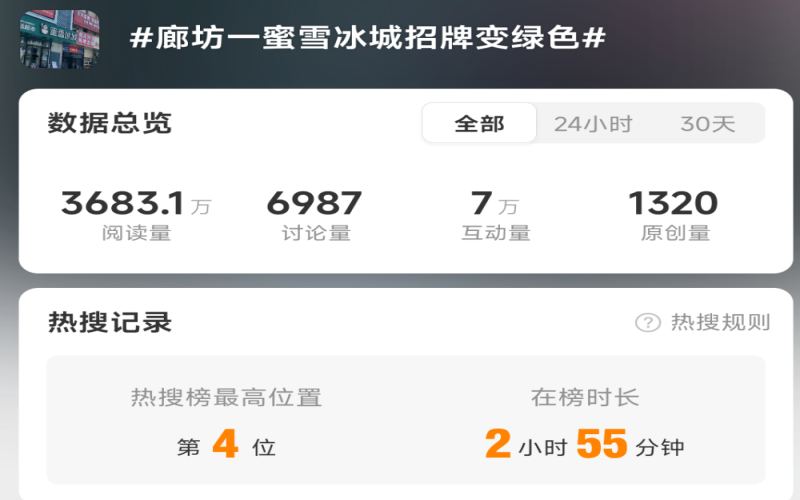
Sanhe City Signage Color Change Controversy: Mixue Bingcheng Required to Change to Green, Red, Blue, and Black Backgrounds Banned
Recently, a notice in Yanjiao, Sanhe, Hebei regarding the color rectification of merchant signs has drawn attention. The local urban management department verbally notified merchants that red, blue, and black storefront signs must be changed to other colors, and the costs of removal and replacement must be borne by the merchants themselves. Signboards of brand stores such as Mixue Bingcheng were forced to change to green or gray-black, and the incident quickly topped Weibo's trending searches. The Sanhe City Urban Management Bureau responded that this move was one step ahead in accordance with urban planning, but the relevant documents had not yet been issued. The similar phenomenon of "unified store signs" is not an isolated case, and this time targeting only common basic commercial color schemes not only lacks sufficient justification but also weakens brand recognition, sparking widespread controversy. [more…]
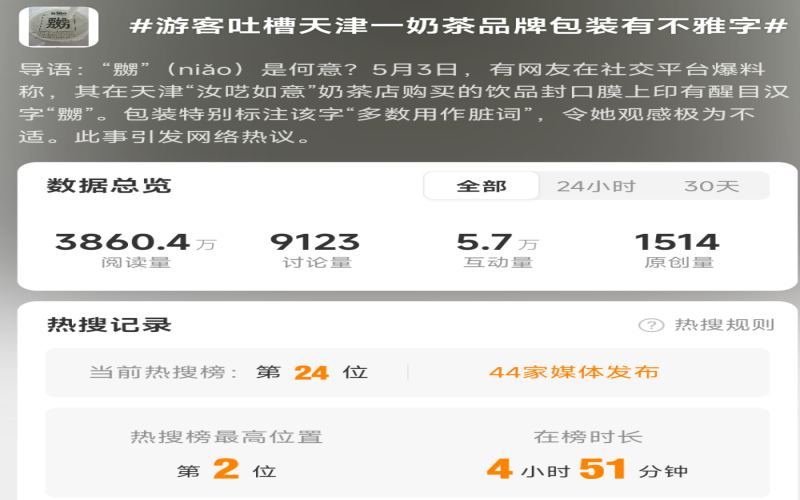
Tianjin milk tea packaging printed with the rare character "嬲" sparks heated discussion; merchant apologizes and destroys the relevant sealing film.
Recently, a milk tea brand in Tianjin trended on Weibo and sparked widespread discussion because the sealing film on its drinks featured the rare character "嬲 (niǎo)." Many netizens pointed out that in the Tianjin dialect, this character carries an indecent or even insulting meaning, making some consumers uncomfortable. Although the brand's original intention may have been to promote awareness of rare characters, the note on the packaging that it is "mostly used as a dirty word" further fueled the controversy. On May 4, the merchant publicly apologized and said it had uniformly destroyed the sealing films printed with the character and would no longer use them. As coffee lovers, Front Street Coffee also took note of this incident, reminding the beverage industry to be more cautious in packaging design to avoid misunderstandings caused by cultural differences or dialect ambiguity. [more…]
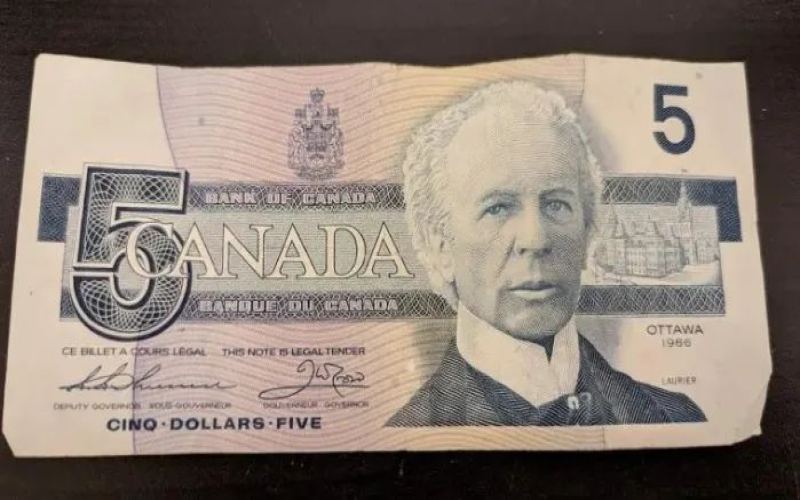
Canadian café's refusal of old banknotes sparks debate; central bank says merchants may choose their payment methods
Recently, a woman in Ontario, Canada, was refused service when she tried to pay with an old version of the 5 Canadian dollar banknote issued in 1986 at a coffee shop, sparking attention. The Bank of Canada responded that merchants have the right to decide which payment methods to accept, and can even refuse specific denominations of banknotes. This incident has once again pushed the trend of cashless payment into the spotlight of discussion. Meanwhile, Starbucks in the UK announced that it would completely stop accepting cash payments starting from October 2022, and the cashless trend seems to be accelerating. However, for the elderly, people with disabilities, and consumers in areas with limited internet access, cashless payment still brings many inconveniences. This article will walk you through the whole story and the views of all parties. [more…]
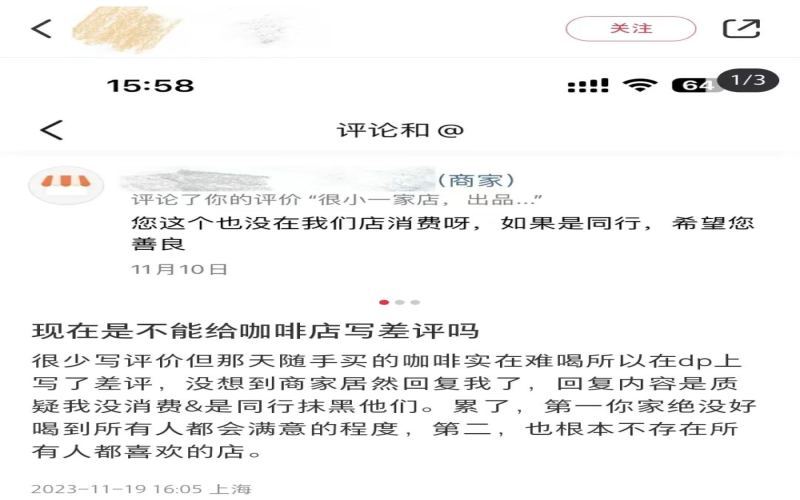
Coffee shop blames competitors for bad reviews? Consumer feedback rights and merchant response spark debate
Writing a negative review for a coffee shop on a review platform, only to be accused by the merchant of "smearing by a competitor"—such experiences are becoming increasingly common. Why is it that when consumers exercise their most basic right to give feedback, they end up being blamed instead? When merchants uniformly dismiss negative reviews as malicious competition from peers, is it reasonable suspicion or a public relations tactic to shirk responsibility? Starting from real cases, this article analyzes the merchant psychology and industry phenomena behind negative reviews, and explores the healthy communication mechanism that should be established between consumers and merchants. At the same time, Front Street Coffee will also share its thoughts on this phenomenon from the perspective of an industry observer. [more…]
Legal Interpretation of the Luckin Low-Price Order Incident: Consumer Red Lines and Platform Liability Under System Vulnerabilities
The unusual pricing incident involving Luckin Coffee's delivery platform packages has drawn widespread attention. After consumers placed orders at extremely low prices, their orders were unilaterally cancelled, giving rise to legal disputes. Citing the views of a legal blogger, the People's Court Daily pointed out that when a merchant's pricing error results from staff mistakes, the merchant may claim a major misunderstanding to rescind the contract, but this must be resolved through litigation or negotiation. Ordinary consumers who unintentionally buy low-priced drinks have not broken the law, but those who knowingly exploit a system loophole and maliciously place large numbers of orders may run afoul of the law. This article will analyze the course of events, the legal basis, and Luckin's compensation measures in detail, while reminding coffee lovers that when enjoying discounts they must hold fast to the bottom line of good faith and avoid crossing the red line of the law. [more…]
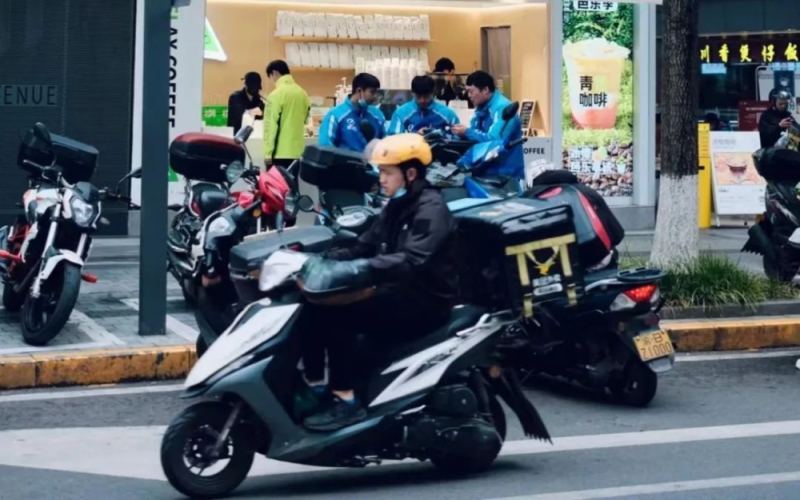
A Practical Guide to Coffee Shop Delivery Operations: A Complete Approach from Pricing Strategy to Private Domain Retention
While delivery platforms bring orders to coffee shops, they also carry the hidden risk of brand devaluation. Many shop owners have found that blindly joining price wars not only makes profitability difficult but can also erode the store's brand value. This article systematically sorts out the key aspects of coffee shop delivery operations, from pre-opening pricing planning, accumulating Dianping ratings, and delivery menu strategies, to how to convert platform traffic into private-domain customers. It also emphasizes that independent coffee shops should differentiate themselves from chain brands through professional quality and service details, rather than getting caught in low-price involution. The article also shares practical techniques such as stamp cards and scratch cards to guide delivery customers to offline visits, helping coffee shops effectively attract traffic through delivery while maintaining their brand tone. [more…]
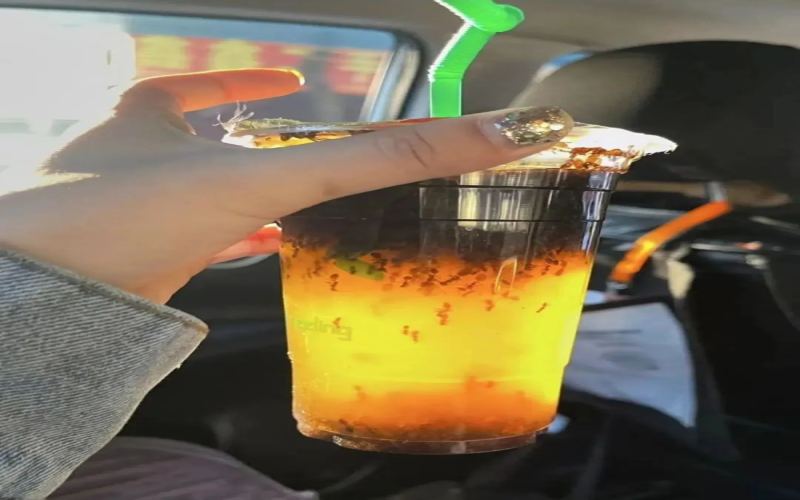
Ants Found in Takeout Coffee? Merchant Claims Wrong Order Picked Up, Front Street Coffee Highlights Beverage Safety
Recently, news about a large number of ants being found in takeaway coffee has sparked heated discussion on social media. According to consumer reports, the coffee drink purchased through a takeaway platform actually contained dense swarms of ants, and the scene was unpleasant to look at. The merchant later responded, saying that it was caused by the delivery rider picking up the wrong order, and that there was no problem in its production process. What is the truth of the incident? How should the food safety of takeaway drinks be guaranteed? This article summarizes the course of the incident and the responses from all parties, and also includes professional coffee knowledge exchange channels and Front Street Coffee recommendations for coffee lovers' reference. [more…]
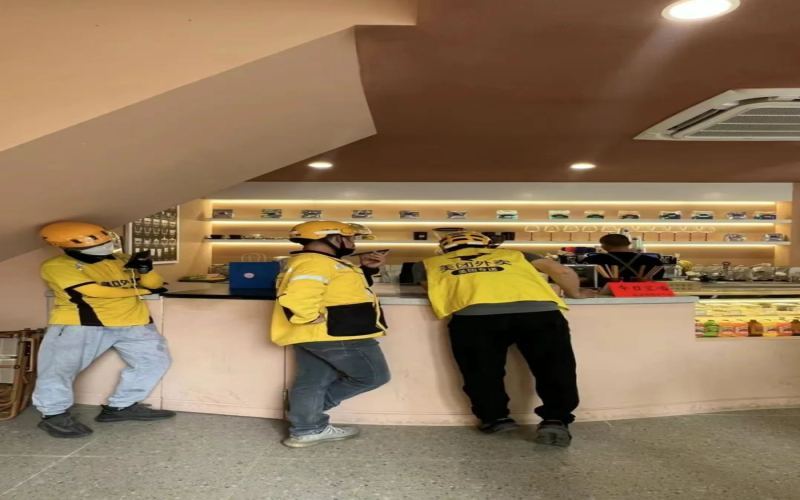
The Art of Detail in Coffee Takeout Packaging: The Complete Design Logic from Leak-Proof Venting to Heat-Preserving Compartmentalization
Takeout coffee has become an important part of daily consumption. From the moment a store hands off an order to the moment a rider delivers it, packaging design directly determines whether the cup of coffee the customer receives is intact, whether the temperature is right, and whether the taste is as good as it was fresh. Behind a cup of takeout coffee lies a series of detailed considerations: vent holes, leak-proof paper, foil insulation, separate packing and bagging, and even rain bags and custom packing boxes. These seemingly inconspicuous packaging steps not only affect order efficiency and the consumer experience, but also serve to spread word of mouth for the brand. This article will break down, one by one, the often-overlooked tricks of the trade in coffee takeout packaging, and look at how merchants strike a balance between preventing spills, keeping coffee warm, and preserving taste. [more…]
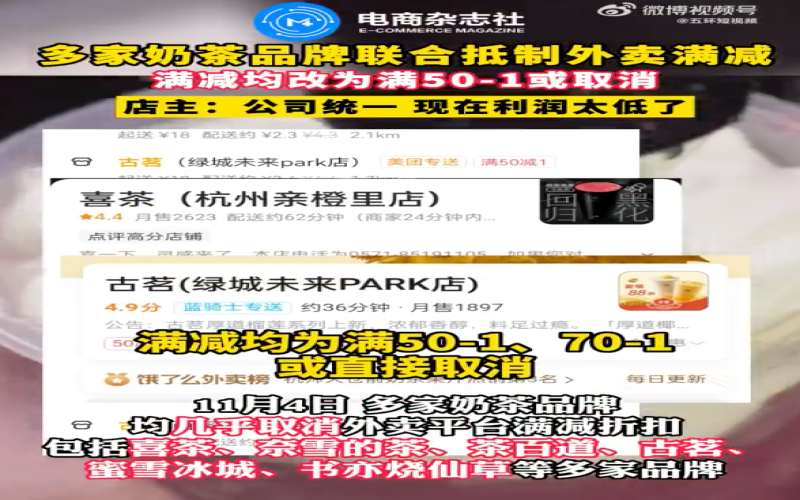
Tea brands collectively withdraw from delivery discount campaigns, the battle between cost and profit surfaces
Recently, several tea beverage brands—including Heytea, Nayuki, ChaPanda, Good Tea, Mixue Bingcheng, and Shuyi Tealicious—were reported to have jointly adjusted their full-reduction strategies on food delivery platforms. The original full-reduction discounts have been uniformly changed to 1 off 50, 1 off 70, or even canceled outright. Once the news broke, related topics quickly trended on social media, with views exceeding 180 million. Merchants say profits are thin, while netizens question why milk tea, which isn't cheap, still isn't making money. Behind this controversy lie both the pressure of platform commissions and delivery costs, and a reflection of the difficult position of the new tea beverage industry, caught between price cuts and losses. [more…]

Gulangyu coffee shop sparks debate over refusing free public toilet access: the clash between business boundaries and moral obligations
Recently, a coffee shop in Gulangyu, Xiamen, sparked heated online discussion after refusing to let non-paying customers use its restroom for free. In the video, a father gets into an argument with an employee because his child urgently needed to use the toilet, questioning whether the shop "only cares about money," to which the employee bluntly replies, "Yes, only money." Behind the incident lies the complex relationship between the boundaries of commercial spaces and public moral expectations. Some argue that one should make a purchase first or find a public restroom, some criticize the merchant for being insufficiently accommodating, and others firmly support the merchant's refusal to be morally coerced. As coffee lovers, we might take this incident as a starting point to reflect on the balance between cafés as commercial spaces and their role in the community. [more…]