







Why do americano iced or hot orders lead to repeat refund claims?
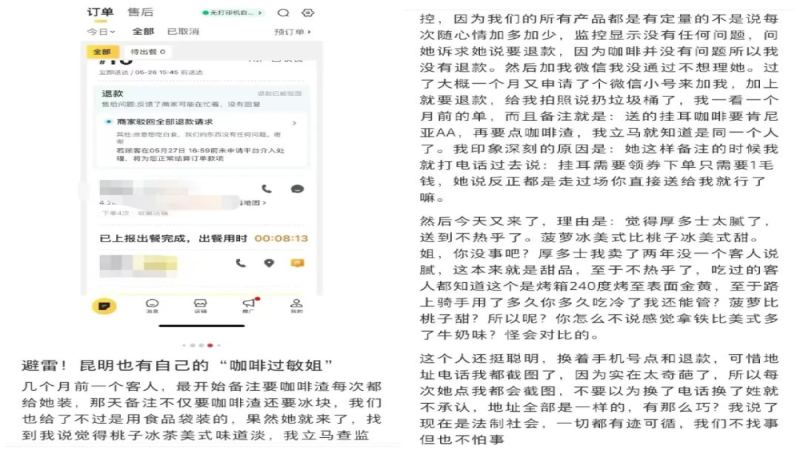
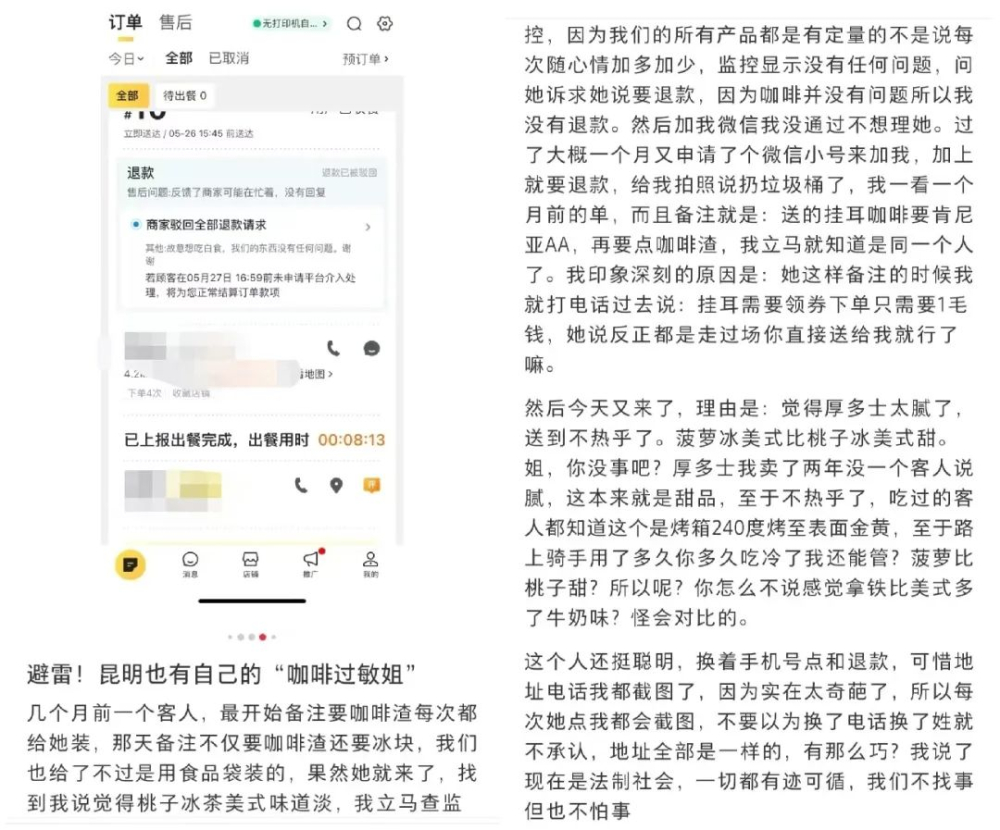
Coffee shop owners report a customer who repeatedly applied for refunds saying drinks did not suit her taste, sometimes described as too light, too sweet or too greasy. One owner traced a WeChat refund demand back to the same peach iced tea americano he had already declined, judging the second account a possible alternate. The case follows the Wuhan allergy incident that drew wide attention in the coffee community.
The disputes raise a practical question for merchants: when is a complaint genuine and when is it a pattern. Reviewing order notes, product photos and surveillance gives owners evidence before answering, and some refuse refunds while warning peers. Handling americano coffee orders, whether iced or hot, is where several of these claims started, since taste is subjective and hard to verify after delivery.
Recently, the "Allergy Sister" incident in Wuhan has sparked widespread attention in the coffee community, and similar phenomena of customers demanding refunds from merchants for various reasons are not uncommon in the food and beverage industry. Some coffee shop owners have reported encountering a customer who repeatedly applied for refunds on the grounds that the drink's taste was not to her liking, suspected to be an "Allergy Sister alt account." Investigations revealed that this customer had placed orders at multiple shops and repeatedly applied for refunds, citing reasons such as the taste being too light, too sweet, or too greasy. Some merchants chose to smooth things over to protect their reputation, but others refused to compromise and reminded their peers to be vigilant. Such behavior not only harms merchants' interests but also encourages a culture of malicious claims. This article reviews the course of events and explores reasonable ways for merchants to defend their rights when responding to consumer complaints.
▲
Click to follow | Daily specialty coffee culture magazine Coffee Workshop
Last month, Wuhan's "Allergy Sister" made this "legendary figure" known to more than half the coffee community. Recently, however, another coffee shop owner came forward claiming to have encountered a customer who repeatedly applied for refunds, suspected to be an "Allergy Sister alt account."
According to the shop owner, when this woman first applied for a delivery refund at his shop, her reason was that the peach iced tea Americano she purchased tasted too light. To verify whether there had been a mistake in the preparation process, the owner reviewed the surveillance footage and confirmed it was not an operational error, then declined her refund request and her WeChat friend request.
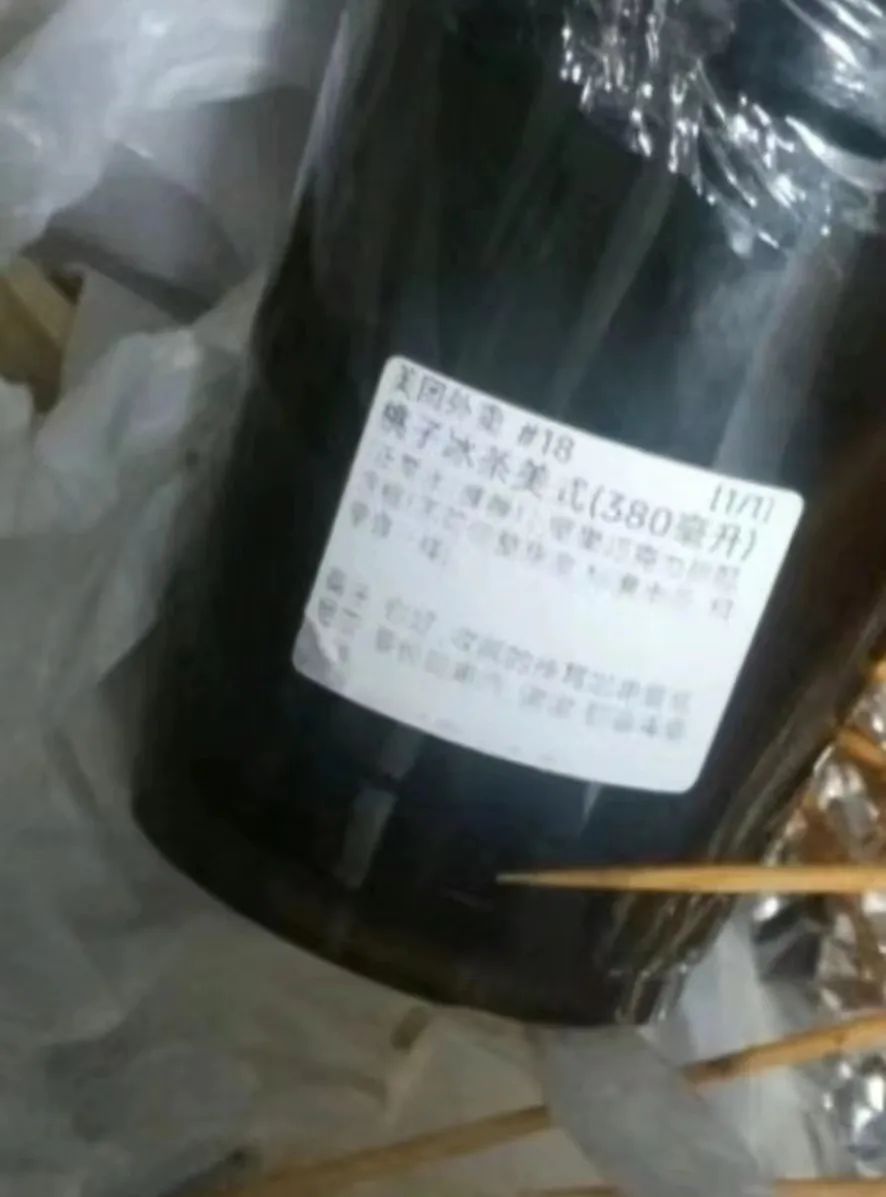
About a month later, a customer contacted the owner via WeChat, claiming the product had issues and demanding a refund. The owner checked the product photos sent by the other party and recognized from the note information on the label that it was exactly the same cup of peach iced tea Americano that had been denied a refund earlier, so he suspected the WeChat account might be her alternate account and again refused the refund request.
Yesterday, another customer on the delivery platform requested a refund on the grounds that the meal was too greasy and too sweet. Although the orderer's name and phone number on the order differed from the previous refund order, the owner noticed the delivery address was completely identical, concluding that this refund requester was the same female customer as before.
The owner roughly tallied that this customer had placed six or seven orders but applied for refunds three times in a row on the grounds that the drink's taste was unsuitable. Although no actual financial loss was incurred, the owner was very angry about this and posted on social media to remind peers to watch out for this delivery user.
Unexpectedly, after the post was published, several shop owners proactively contacted her, stating that through the phone number's last digits and partial delivery address information from the delivery orders, they confirmed this customer had also placed orders at their shops and similarly applied for refunds citing reasons such as the drink tasting too light or too sweet.
Among these shops with similar experiences, some accommodated the customer's requests to retain business, while others refused the applications believing the fault was not on their side.
In fact, behavior like "Allergy Sister's" of finding various excuses to demand refunds from merchants is not uncommon in the food and beverage industry. Some customers request refunds on grounds such as "found foreign objects in the food" or "got diarrhea after eating," and even claim medical expenses. Many merchants, in order to protect their shop's reputation, mostly choose to smooth things over, while also hoping customers will let bygones be bygones and patronize again.
However, what merchants get in return for "taking a step back" may not be a customer's second order, but malicious claims from certain individuals.
According to Hongcan Net, a man repeatedly placed flies in delivery meals and then filed complaints to claim over 8,000 yuan from 29 delivery restaurants. A delivery user in Shanghai also fabricated claims, "finding" hair and steel wire in nearly 200 delivery orders over 3 years, demanding refunds and compensation from merchants. Ultimately, the parties in both cases were sentenced by the court to 7 months' imprisonment and fined a certain amount.
Merchants say that these refund orders requested for various reasons usually involve small amounts, and the photos, videos, and other evidence provided by customers appear quite sufficient, immediately making one feel as if they've really gotten into trouble. Therefore, when choosing between the time-consuming and laborious process of appealing and calling the police versus simply paying compensation, most merchants choose the latter. This choice invisibly fuels the arrogance of these deliberately troublesome customers, leading to repeated occurrences of similar incidents.
When facing consumer complaints, operators should first examine themselves and respond normally, while retaining relevant evidence, and report to the police as appropriate to protect their lawful rights and interests, rather than continually yielding and giving these "Allergy Sisters" an opportunity to succeed repeatedly.
Image source: Internet
Disclaimer: Some images in this article are from the Internet. For some content on the website such as images, we will respect the original author's copyright and indicate the source. However, due to the large quantity, some images and texts may not have been credited in time. Please forgive us. If the original author has any disputes, they can contact the website for handling. Once verified, we will immediately correct it. Compiled and edited by "Coffee Workshop." Please indicate the source when reposting. If there is any infringement, please inform us for deletion. Thank you~!
The above content is compiled by CoffeeHunters, a coffee news website.


