







How does takeout packaging keep coffee intact and hot?
Takeout coffee packaging depends on a few small design choices that decide whether a drink arrives intact. A tiny vent hole in a hot cup lid releases internal pressure so the cup does not burst, while leak-proof paper and sealed seams stop liquid from escaping into the bag. Foil insulation, separated packing, raincoat bags, and custom delivery boxes then work together to hold temperature and protect the cup in transit.
Spills remain the most common failure in delivery, and they often lead to refund requests and negative reviews. Riders moving quickly rarely handle bags gently, so merchants balance spill prevention, heat retention, and taste preservation in one system. Steps such as sealing lids, using foil liners, and separating hot items from cold ones help preserve coffee flavor and reduce damage on the route from store to customer.
Takeaway coffee has become an important part of daily consumption. From the moment an order leaves the store to the rider's delivery, packaging design directly determines whether the cup of coffee customers receive is intact, whether the temperature is right, and whether the taste is as good as it was freshly made. Behind a cup of takeaway coffee lies a series of detailed considerations: vent holes, leak-proof paper, foil insulation, separated packing, raincoat bags, and custom delivery boxes. These seemingly inconspicuous packaging steps affect not only service efficiency and the consumer experience but also serve as a way to spread brand reputation. This article will break down, one by one, the often-overlooked tricks of coffee takeaway packaging and see how merchants strike a balance among spill prevention, heat retention, and taste preservation.
▲
Click to follow | Daily specialty coffee culture magazine Coffee Workshop
The takeaway market is maturing. Nowadays, whether at home, in the office, or outdoors, a rider will deliver coffee after just placing an order on a delivery platform. Throughout the entire chain from order preparation to delivery, packaging plays a pivotal role. Its most basic mission is to ensure food reaches customers intact, while packaging is also tied to service speed, consumer experience, and brand image building.
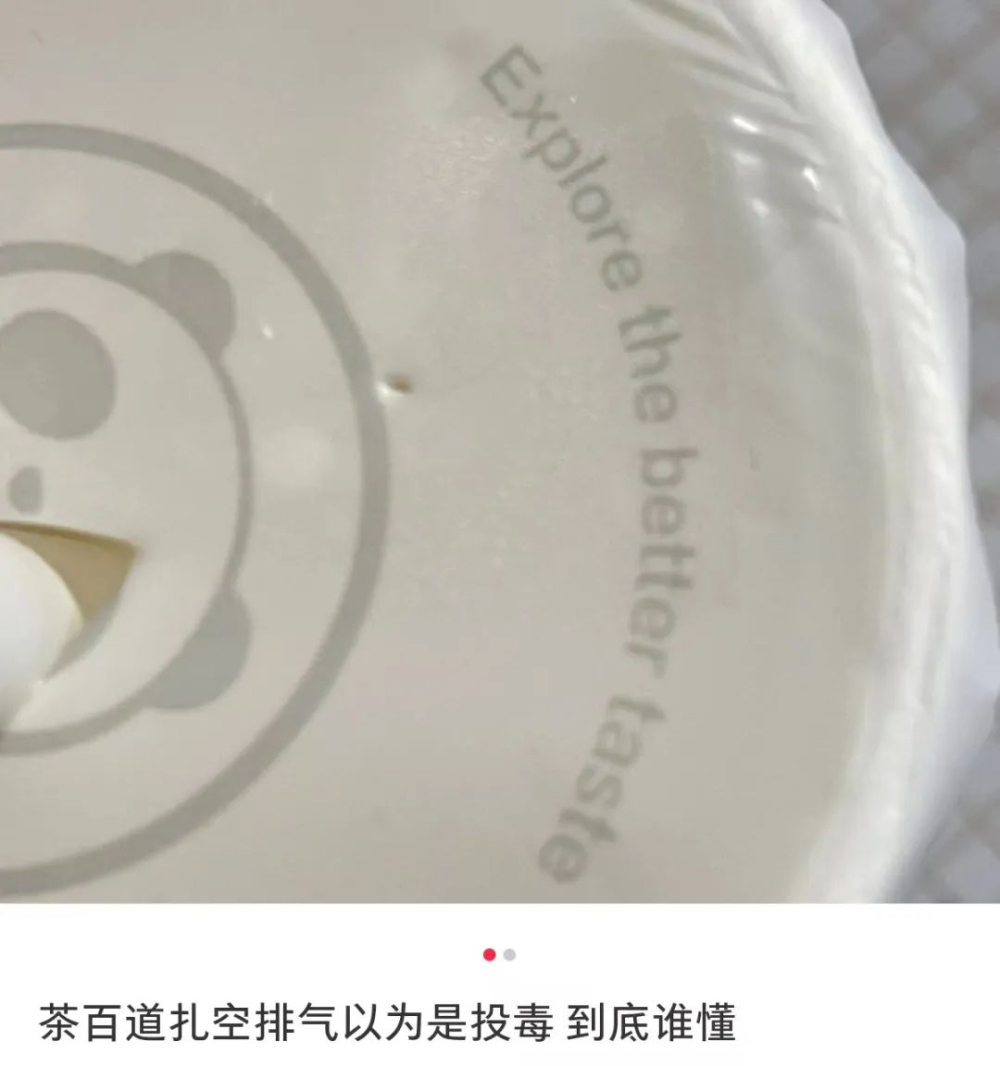
Recently, some netizens noticed a small hole on the lid of hot drink cups, which raised concerns about food safety or material processing defects. In fact, this hole is a vent intentionally designed by merchants to prevent pressure from building up inside hot drinks and causing the cup to burst. Such an inconspicuous feature directly affects the customer experience, yet in daily operations, coffee shops need to pay attention to far more than just this one detail.
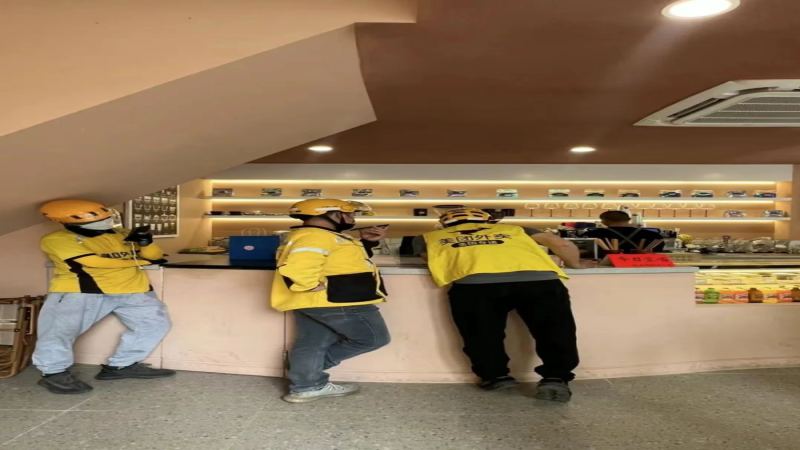
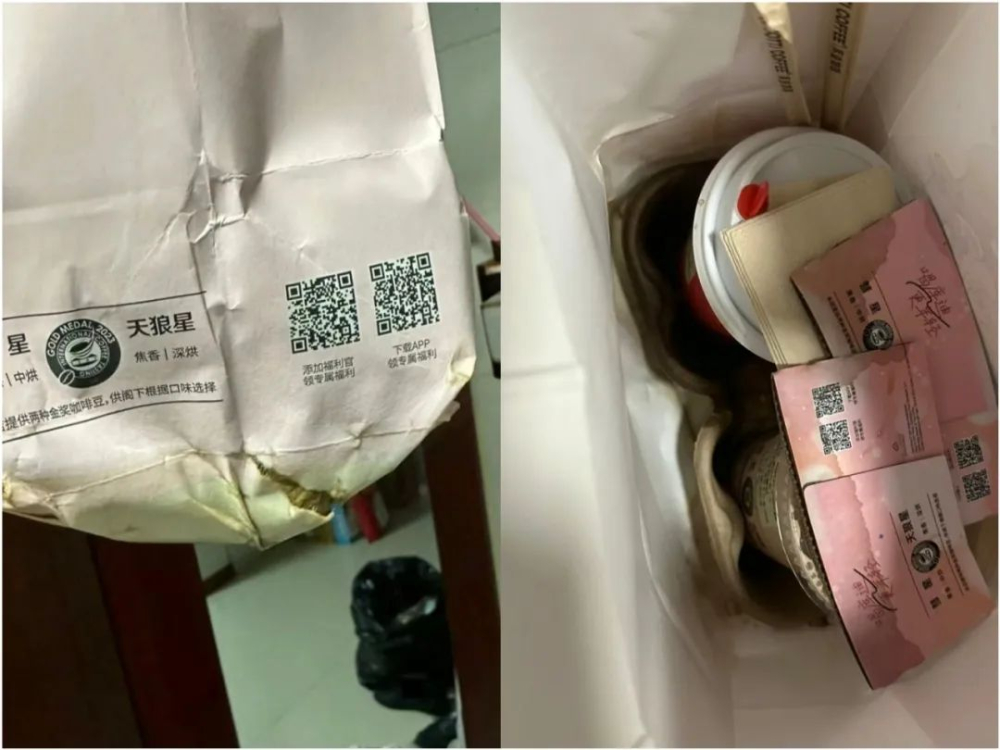
In the takeaway scenario, drink spills are probably the most frequent occurrence. Many people intend to enjoy a cup of coffee, only to find that most of it has leaked out by the time it arrives: coffee liquid seeps from inside the bag to outside, and the packaging bag is damaged. Not only do customers fail to get a full cup, but they also have to clean up the mess themselves. It is not uncommon for this to lead to dissatisfaction, refund requests, or even negative reviews.
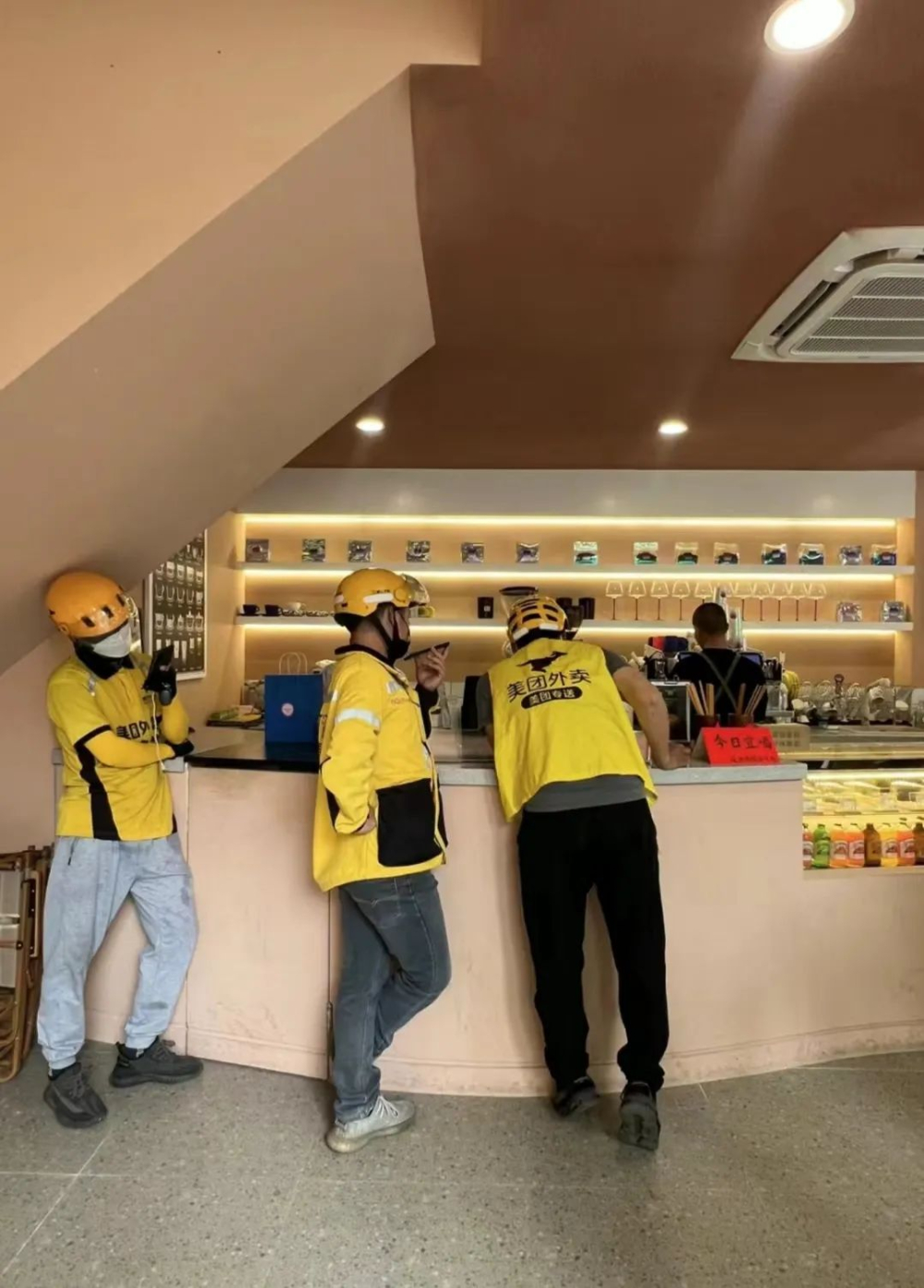
Some riders, in their rush to deliver quickly, do not pay much attention to keeping the ride smooth. To avoid complaints and negative reviews, stores can only make up for it on their own end. Some coffee shops use leak-proof paper cups and matching lids specially designed for delivery, adding a layer of leak-proof paper over the cup rim before snapping on the lid. Some stores also wrap an additional layer of plastic wrap around the cup body or secure the cup rim firmly with multiple sealing stickers. Although these methods cannot be absolutely foolproof, they can significantly reduce the probability of spills.
Beyond spills, heat retention is also a thorny issue. Hot coffee ordered in the cold of winter often arrives already completely cold. Currently, most takeaway coffee on the market is packed in paper bags, whose insulation performance is almost negligible. To let customers enjoy a warm taste, coffee shops add insulating cup sleeves or wrap each cup of coffee tightly in foil.
Compared with insulated bags, aluminum foil costs less and provides both heat retention and a certain degree of leak protection. Doing well in both leak prevention and heat retention can indeed win customer praise in winter, and when customers casually share coffee photos on social platforms, it is another good opportunity for merchants to build word-of-mouth.
As for cold drinks, merchants focus on the problem of coffee becoming diluted and weaker after the ice melts, so many coffee shops have introduced separated packaging solutions. A latte can be divided into espresso, ice cubes, and milk, each placed in three separate containers, and Americano is handled the same way. Some customers find this approach over-packaged, neither environmentally friendly nor particularly convenient to drink, but many consumers still say they prefer it, believing it reduces flavor loss caused by delivery distance. The process of assembling the drink before consuming it also brings a sense of "ceremony," making it both thoughtful and fun.
From the merchant's perspective, this kind of packaging requires extra time and cost, but in order to preserve the taste of coffee as much as possible upon delivery and give customers a better experience, they are still willing to provide separated packaging. In addition, some merchants are quite particular about choosing cold drink cups. To avoid the cup rim cutting customers, they deliberately choose takeaway cups with softer, more rounded edges.
On rainy days, coffee is also placed in "raincoat bags" to prevent ordinary paper bags from being soaked through and damaged by rain, which could cause spills. If a customer orders multiple cups of coffee at once, some merchants also use custom delivery boxes to hold the order. Manner's multi-cup takeaway boxes once attracted attention online.
In our daily lives, takeaway has gradually become an indispensable part. Merchants rack their brains to upgrade and replace takeaway packaging, continuously polishing those potential details, which constitutes a key part of optimizing the customer experience. They shape takeaway packaging into a "mobile" advertisement that can serve the product itself, completing promotion while also increasing the likelihood that customers will order again.
Disclaimer: Some images in this article are from the internet. For some content on the website, such as images, we will respect the original author's copyright and indicate the source. However, due to the large quantity, there may be individual images or texts that have not yet been credited. Please forgive us. If the original author has any dispute, they may contact the website for handling. Once verified, we will correct it immediately. Compiled and edited by "Coffee Workshop." Please indicate the source when reposting. If there is any infringement, please inform us for deletion. Thank you~!
The above content is compiled by CoffeeHunters, a coffee news website.


