







Search Results for: mask quality

New masks at Luckin Coffee stores cause skin problems for employees, lightweight material suspected as the source of irritation.
In the food service industry, it is already the norm for employees to wear masks at work. However, during the hot summer days, keeping one's mouth and nose covered under a mask for long periods inevitably causes discomfort. Recently, employees at Luckin Coffee stores noticed that the new masks distributed by headquarters differ noticeably from the old version—lighter in color and thinner in material, yet breathability does not seem to have improved as expected. After wearing them for a few days, many employees developed red bumps and itching on their chins and cheeks, and some suspect this batch of "veil masks" is the culprit behind their skin breakouts. Employees also reported that the new masks have an odor, and a few sensitive individuals experienced itching in the nose after putting them on. Everyone worries that these thin masks not only have questionable protective effectiveness but may also trigger allergies due to material issues. Some employees have already said they will buy their own masks as replacements. Although requiring masks is intended for food safety reasons, the skin problems reported this time may be worth Luckin re-examining the quality of its masks. [more…]
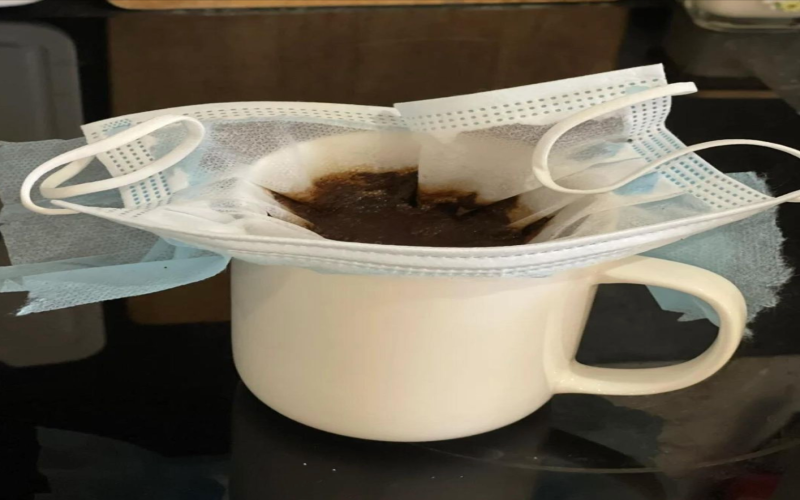
Expired Masks Used as Coffee Filters? Experts Explain Polypropylene Material Risks; Front Street Coffee Advises Against Trying It
Recently, a social media post in which a user brewed drip coffee using a face mask instead of filter paper sparked heated discussion. In the photo, the mask was hung over the rim of the cup to serve as a filtering tool, and the caption claimed it had a "unique taste." This move quickly drew a flood of criticism and concern. Some questioned whether the mask's water-resistant layer and adhesive layer might release toxic substances, while others joked that this was an attempt to compete with "Lianhua Qingwen coffee." In fact, this practice stemmed from a "clever trick" some netizens came up with to avoid wasting expired masks, but medical experts point out that the non-woven fabric in the inner layer of masks is made of polypropylene (PP), and although the amount of harmful substances released when heated is trace, it is still not recommended for contact with food. Front Street Coffee reminds everyone that coffee filter paper costs about the same as a mask, and choosing standard filter paper is the safe and reliable way to brew coffee. [more…]
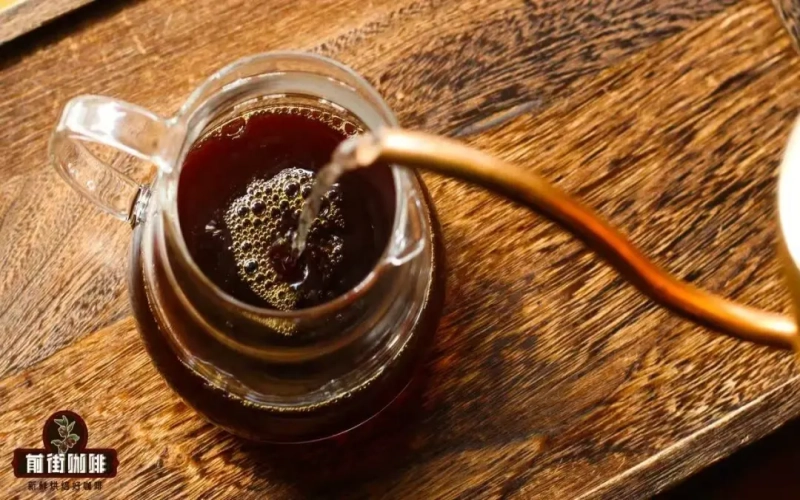
The Bypass Technique of Adding Water to Dilute Pour-Over Coffee: Why It Can Restore Flavors Masked by High Concentration
In the coffee world, adding water directly to brewed coffee has a special name—By pass. This operation bypasses the coffee grounds, does not participate in extraction, and is only used to adjust the concentration in the final cup. Many people are curious: can adding water really make coffee taste better? The answer depends on the situation—if the coffee itself is bitter and astringent, no amount of water will save it; but if the cup is properly extracted and just too concentrated, suppressing its flavors, then adding an appropriate amount of water can actually restore the deliciousness it should have. From Front Street's perspective, this article combines examples such as making Americano from espresso and adjusting concentration in pour-over to explain the sensory principles behind it and practical methods for judgment. [more…]

The Evolutionary Logic Behind the Latte Craze: From Masking Bitterness to Tasting, How Milk and Espresso Move Toward Balance
For many people, their first impression of coffee often comes from a latte: not as bitter as they imagined, but instead carrying the sweetness and smoothness of milk. Latte coffee, "caffè latte," literally translates to "milk coffee." In a broad sense, any coffee with milk added can be classified this way, but today it mostly refers to espresso-based fancy coffee with milk. Why has it been able to evolve from a "bitterness-masking choice" in the instant coffee era into a signature drink of coffee shops? Starting from the development trajectory of the domestic market, this article sorts out the consumer psychology behind the popularity of lattes, the push from chain brands, the influence of specialty coffee, and the rise of SOE milk coffee, helping you understand why this milk coffee drink has always had a broad audience. [more…]

Why Does Coffee Taste Sour? A Complete Analysis from Roast Development to Acidity Quality
Many people feel confused when they taste acidity in coffee, but coffee beans themselves are rich in a variety of acidic substances. Before the turn of the millennium, mainstream dark roasting caused the acidity to break down or be masked, and it was only after light roasting became popular in the specialty coffee era that acidity could be clearly perceived. But coffee is not better the more acidic it is—what we should pursue is "acidity quality" rather than simple "acidity level." Acidity level is the intensity of the sour taste, and when too high it becomes sharp and hard to accept; acidity quality, on the other hand, combines with other sensory impressions and can evoke positive flavors such as citrus or smoked plum. The quality of acidity is influenced by many factors, including growing altitude, soil fertility, processing, and brewing. Front Street Coffee will break down these factors in detail in this article to help you truly understand coffee acidity. [more…]
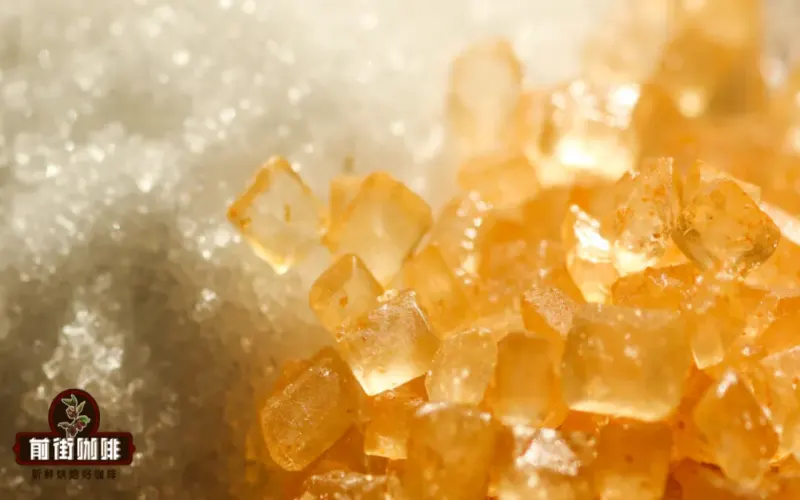
A Complete Guide to Coffee and Sugar: What's the Difference Between White Sugar and Brown Sugar? Sharing How to Make a Caramel Latte
At a time when coffee quality is steadily improving, many enthusiasts still habitually add sugar to their cups. Adding sugar not only masks bitterness but also gives coffee a rounder, fuller mouthfeel. With such a wide variety of sugars on the market, which one pairs best with coffee? This article starts with the differences between white granulated sugar and yellow sugar, analyzes how different sugars affect coffee flavor, and brings you the specific method for making a Caramel Latte. At the same time, Front Street Coffee will also share practical views on sugar for coffee based on our store experience, helping you make more suitable choices in your daily brewing or café visits. [more…]
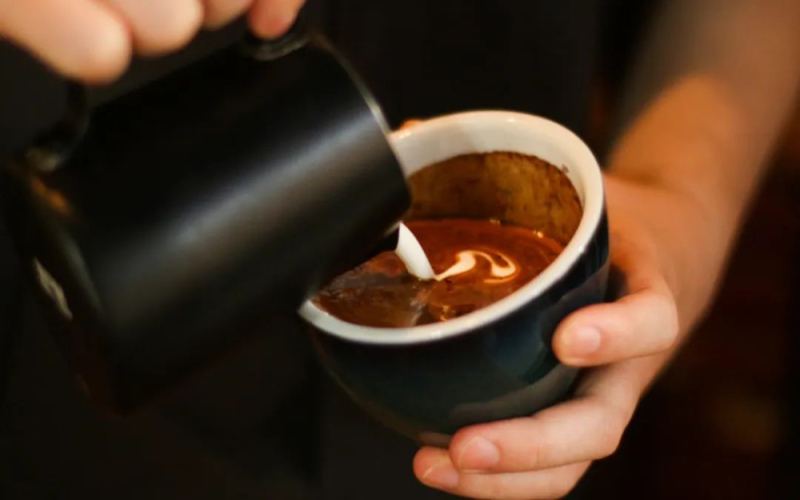
Why Is Mocha Coffee Fading from Menus? A Complete Trace from Yemen's Mocha Port to Italian Chocolate
Mocha was once a classic on Italian menus alongside latte and cappuccino, but it is now increasingly disappearing from specialty coffee shops. Its name originates from the Port of Mocha in Yemen—from the 15th century onward, coffee beans were shipped through this port, and the sacks were marked "MOCHA," so Europeans collectively called the beans exported from there mocha coffee, and in the early period it even became synonymous with coffee. In the 18th century, Italy, in an attempt to recreate the chocolate notes of mocha beans, tried adding cocoa powder to coffee, which later evolved into a chocolate-added milk coffee with the spread of espresso machines. During the second wave, the combination of dark-roasted blend beans with chocolate sauce, cream, and other additions made mocha a representative sweet drink used to mask bitterness. The third wave of specialty coffee emphasized origin flavors, and together with the low-sugar healthy trend, the high-sugar, high-calorie mocha gradually fell out of favor in the market. The article sorts out its historical context and shares Front Street's method and recipe for making iced mocha. [more…]
The Origins of Coffee Acidity and the Quality of Acidity: A Complete Analysis from Roast Development to Growing Environment
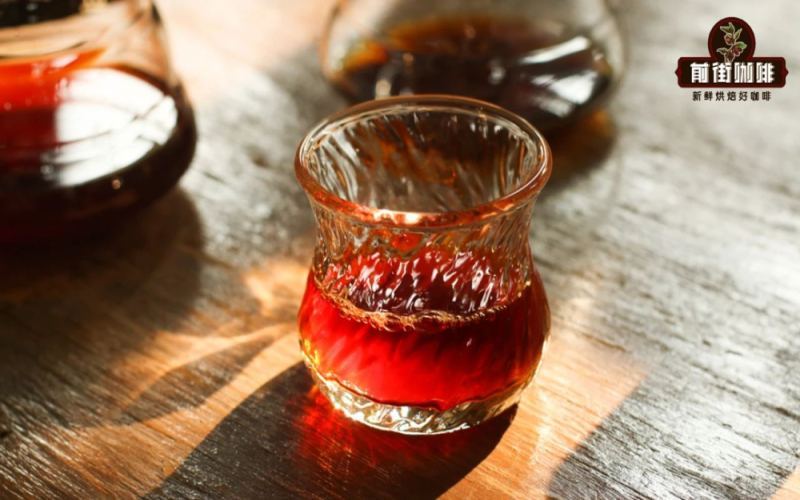
Why is coffee sour? This question puzzles many friends who are new to specialty coffee. Actually, the answer isn't complicated: coffee beans themselves are rich in various sour-tasting compounds. Before the turn of the millennium, dark roasting was the mainstream—long roasting times broke down much of these sour compounds, and the bitter, charred flavors masked what remained, so people once believed coffee was only bitter, never sour. With the arrival of the specialty era, roast levels shifted from dark to light, and sourness was rediscovered. But stronger sourness isn't necessarily better—what we truly pursue is "acidity quality," not "acidity level." The quality of acidity is influenced by multiple factors: growing altitude, soil, processing, roasting, and brewing. This article, from Front Street's perspective, will systematically sort out the origins and logic of coffee sourness and how to judge its quality. [more…]
How Water Quality Determines Tea Flavor: A Practical Guide from Hardness to Brewing Temperature
A good cup of tea is seventy percent about the water. Many people focus only on the tea leaves when brewing, overlooking the decisive influence water quality has on flavor. Water hardness, pH, chlorine content, and total dissolved solids all directly affect the clarity and aromatic layers of the tea liquor. Drawing on real-world cases, this article explains why hard water causes iced tea to turn cloudy, how chlorine masks tea aroma, and offers actionable testing and filtration solutions. It also includes target water temperatures and steeping times for the six major tea categories, along with flavor references for common tea varieties. Whether you run a coffee shop or are a tea enthusiast, you'll find practical methods here to improve the consistency of your output. At the end, there's also information about Front Street Coffee's related products, which is worth checking out. [more…]

What stages affect coffee cleanliness? Looking at the history of Brazilian coffee harvesting and processing through COE cupping protocols
Cleanliness is an important dimension in judging coffee quality. It reflects whether a cup of coffee carries negative flavors such as earthiness, hay, or woodiness, or unpleasant sensations like astringency and dryness. From harvesting and processing to roasting and brewing, every stage can influence the level of cleanliness. This article starts with the emphasis COE cupping places on cleanliness, traces the historical problems Brazil—the world's largest coffee-producing country—has faced due to machine harvesting and rough sun-drying, and then extends to the impact of the roasting and brewing stages on cleanliness, helping coffee lovers systematically understand the industry chain logic behind a clean cup of coffee, while also retaining relevant recommendations for the Front Street brand. [more…]
Can Blended Coffee Beans Be Used for Cold Brew? A Detailed Guide to Cold Brew Ratios and Practical Experience
In the heat of summer, a refreshing glass of cold brew is the go-to choice for many coffee lovers looking to beat the heat. But have you ever considered that coffee beans blended from two or more varieties can also produce an outstanding cold brew? Cold brew, due to its low-temperature, long-duration extraction, has a richer, smoother mouthfeel, yet its floral and fruity notes gradually fade with storage time. This article draws on the hands-on experience of Front Street Coffee, first outlining the characteristics of cold brew and the advantages of blended beans, then recreating several blending experiments one by one: from Sidra with Geisha, Pacamara with Red Cherry, to Huakui paired with Strawberry Candy and Wangshan Geisha, and finally challenging the dark-roasted Queen's Estate blended with Flower God. Some of these recipes are full-bodied and layered, while others flop into a "mask of pain," yet they perfectly showcase the fun and possibilities of blended cold brew. [more…]
Coffee Bean Recommendations | Is Good Coffee Always Sour? Which Regions Produce Coffee Beans with Bright Acidity? Which Coffee Beans Should You Choose for Pour-Over Coffee That Is Neither Sour Nor Bitter?
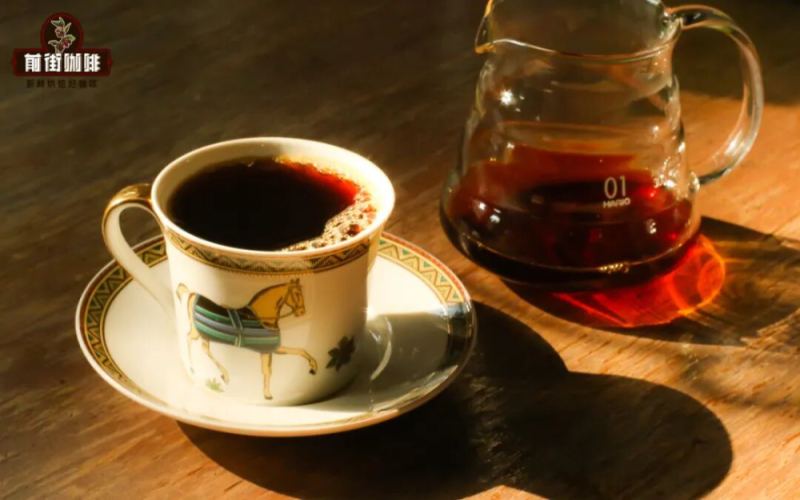
One of the defining features of Front Street's shops is the wide selection of beans available for pour-over coffee. Although not every bean sold on Taobao and Tmall has been brought into the physical stores, a rough count still puts the number at over thirty—so the choices can be considered quite abundant. And even though the bean selection runs to more than thirty options, [more…]
From the Port of Mocha to Italian Coffeehouses: The Historical Origins, Evolution, and Contemporary Circumstances of Mocha Coffee
Mocha coffee was once a classic beverage on Italian menus, standing shoulder to shoulder with lattes and cappuccinos, but today it is gradually disappearing from specialty coffee shops. This article traces the origin of the name "mocha"—from the status of Yemen's Mocha Port as a coffee trade hub, to the Italian mocha created by 18th-century Italians to imitate the chocolate notes of Mocha beans, and then to how it became a dessert-like drink in the second wave of coffee that masked the bitterness of dark roasts. The article also analyzes how the third wave specialty coffee movement and the healthy-eating trend have caused traditional mocha to decline, yet people's love for chocolate-flavored coffee has not faded. Finally, it includes the iced mocha recipe shared by Front Street Coffee for enthusiasts to recreate at home. [more…]
Is Kopi Luwak Really Cat Poop? A Comprehensive Analysis of the Reasons Behind the High Price of Indonesian Civet Coffee and Its Flavor Characteristics
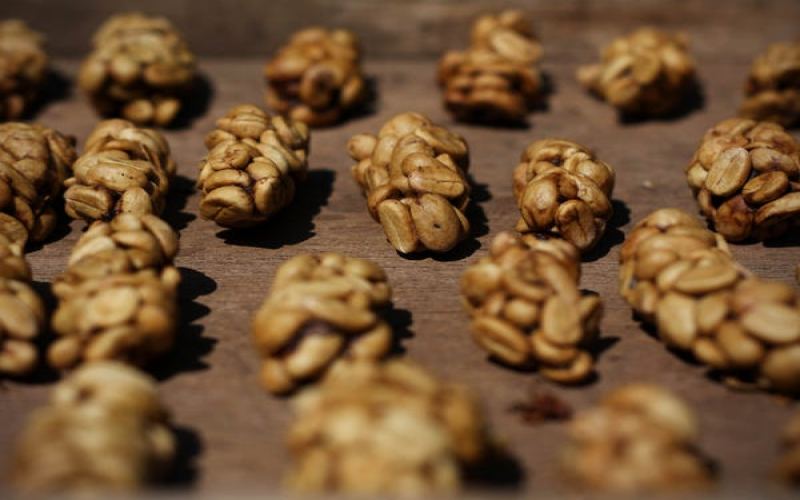
Kopi Luwak is regarded as one of the most unique and luxurious coffees in the world, and its high price often makes people wonder what exactly makes it so expensive. This article begins with the Kopi Luwak beans once sold by Front Street Coffee at 260 yuan per 100 grams, and sorts out the production principles of Indonesian civet coffee, the source of its flavor, and the reasons for its high price, while comparing it with the hand-picked all-red-cherry philosophy of the Red Cherry Project. The article also discusses the animal welfare issues behind the Kopi Luwak industry, as well as Front Street's friendly production method of insisting on cage-free civets, and finally explains that Kopi Luwak is safe to drink after washing and high-temperature roasting, with a flavor profile dominated by smoothness, dark chocolate, herbal notes, and a fermented feel. [more…]
Recreating Café-Style Iced Lattes at Home: A Complete Guide from Espresso Extraction to Coffee-to-Milk Ratios
Making an iced latte at home that rivals what you'd get at a café isn't simply a matter of pouring ice, milk, and coffee into a glass one after another. From the espresso machine's extraction pressure and the selection and resting of espresso beans to the ratio of espresso to milk, every step directly affects the final flavor. Drawing on Front Street's hands-on experience, this article breaks down the three key elements of making an iced latte at home: how to achieve a stable, well-balanced espresso shot, how to choose milk and set the ratio based on the bean's style, and how to use ice and pour the drink. Whether you're using a budget home machine or more advanced equipment, you'll find practical adjustment ideas here. [more…]
Why Does Espresso Need a Blend? A Complete Guide to Choosing Beans for Café and Home Espresso Recipes
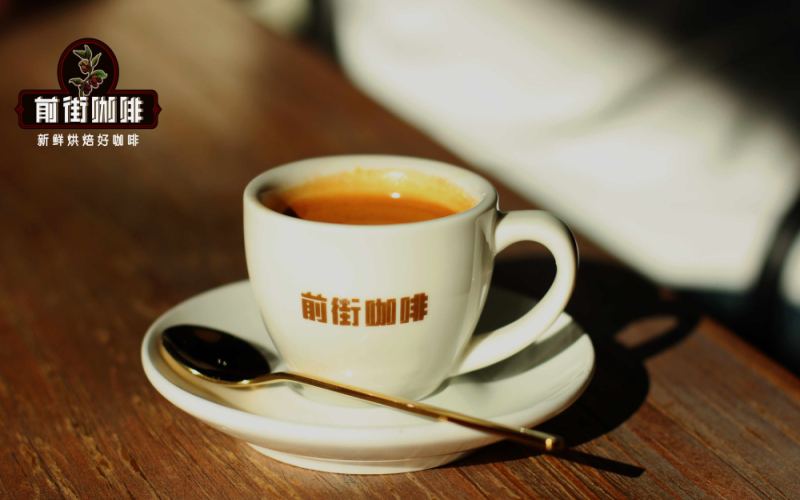
To make an espresso with a balanced mix of acidity, sweetness, and bitterness at home or in a shop, choosing the right beans is the first step. Single-origin beans perform brilliantly in pour-over, but often lack complexity when used for espresso, so blending has become the mainstream approach. Blending was initially intended to mask defective beans, but over time it evolved into an important means of creating a brand's signature flavor and ensuring consistent output. This article focuses on two scenarios—home use and opening a shop—explaining how to choose blended beans, and for five needs—rich and mellow, fruity, nutty notes, rich crema, and high cost-effectiveness—provides specific blending solutions from the Front Street brand, including Classic Italian, Strawberry Candy Espresso, Specialty Italian, Commercial Italian, and Basic Italian, helping readers quickly select beans according to their positioning. [more…]
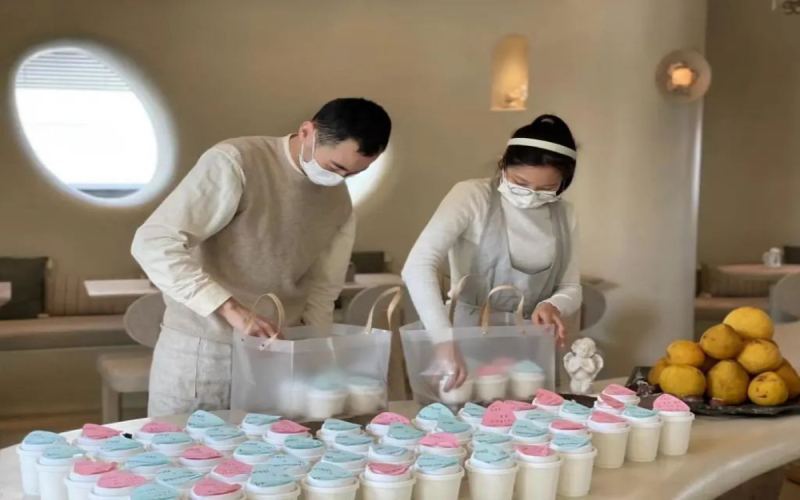
A coffee shop staffed by the hearing-impaired posted a plea for help during the pandemic. After reopening, with zero foot traffic, how did they save themselves through original drip coffee bags?
A silent coffee shop in Shanghai, staffed mainly by hearing-impaired baristas, published an article titled "Please rest assured, we are still alive. But..." on June 14, quickly gaining over 80,000 views. Under the impact of the pandemic, dine-in service was suspended, delivery communication was hindered, and masks obscured lip-reading, plunging the shop into a situation of zero revenue and zero foot traffic. The baristas hand-drew 12 touching moments from those months into illustrations and launched an original themed drip-bag coffee set as a self-rescue effort. The article reviewed the real difficulties this special coffee shop faced, its self-rescue methods, and business adjustment ideas that coffee shops could draw on during the pandemic, including joining delivery platforms, ensuring product quality, designing offline discounts to bring customers back, and developing peripheral products such as drip bags and coffee beans to meet consumers' shifting demand from "going to the shop" to "having it at home." [more…]
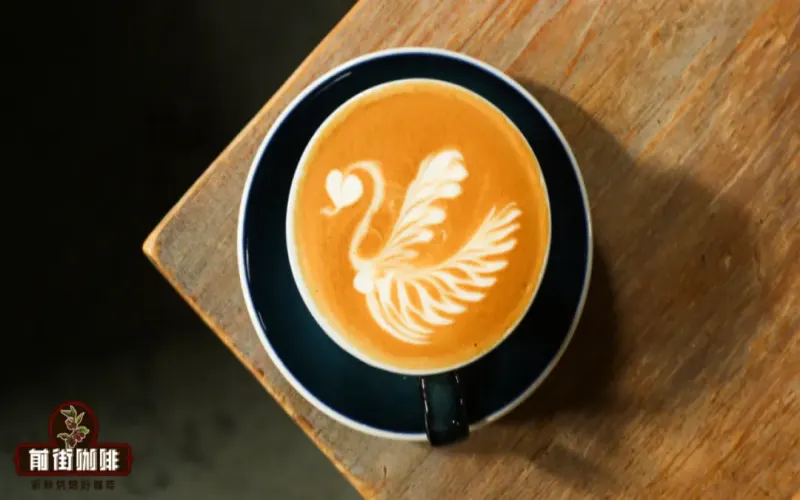
The Ratio Range of Espresso to Milk in Latte: Blending Methods for the Classic Italian Combination
As temperatures drop, hot lattes once again become the top choice for coffee lovers. Many people who try making lattes at home often run into the problem of unbalanced flavor—either the coffee is too bitter, or the milk masks the coffee's character. Drawing on Front Street Coffee's hands-on experience, this article systematically shares how to make a rich, well-balanced hot latte, covering the choice of coffee bean roast level, principles for pairing milk, adjustments to espresso extraction, and the optimal ratio range between milk and coffee, helping readers find the latte recipe that best suits their own ingredients. [more…]
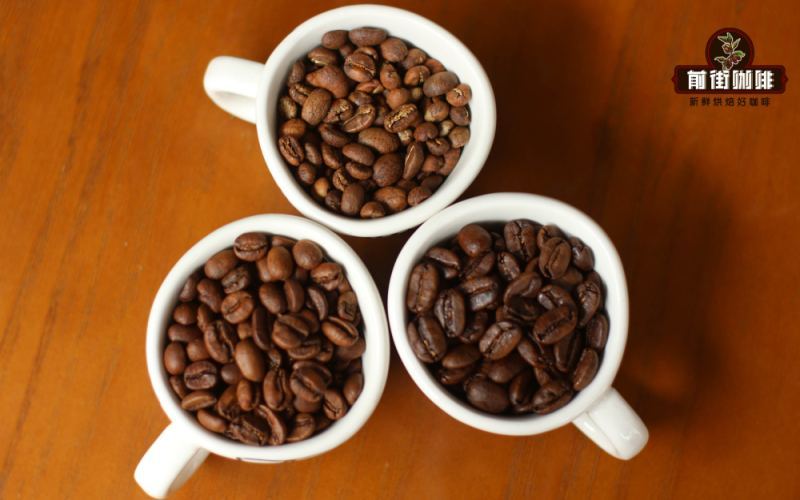
Advanced Pour-Over Guide: A Breakdown of Grind, Water Temperature, and Pouring Techniques for Dark Roast Single-Origin Coffee
Many coffee enthusiasts hold a prejudice against dark roast beans, believing that the burnt bitterness masks the floral and fruity acidity that specialty coffee should have. However, dark roast beans are not doomed to taste bad—as long as you master the right brewing strategy, they can equally present a rich, full-bodied flavor with a long-lasting finish. Front Street Coffee will, drawing on years of experience, systematically sort out the key points for brewing dark roast single-origin coffee, from grind size, water temperature control, and coffee-to-water ratio to pouring technique. The article also uses [Front Street Jamaica Blue Mountain] as an example, providing specific parameters and operating steps to help you avoid over-extraction and bitterness, and unlock the chocolate, caramel, and lingering sweet aftertaste of dark roast beans. [more…]
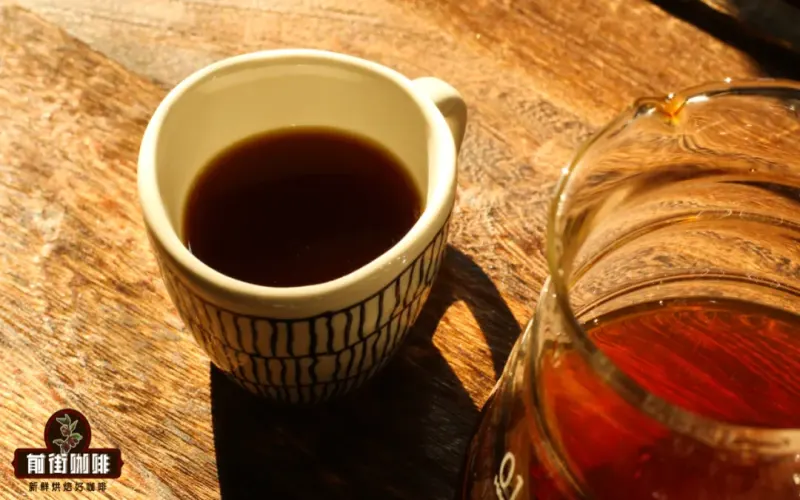
Why Does Coffee Taste Salty After Extraction? Analyzing the Causes of Salty Flavors in Brewing and the Specific Signs of Under-Extraction
Saltiness in coffee has always been present, mainly coming from the various minerals contained in the bean itself, but because its proportion is low it is often masked by other flavors. When a cup of coffee shows a noticeable salty taste, it often means there is a problem with quality or the extraction process. This article, from the perspective of Front Street, sorts out the sources of saltiness, analyzes how factors such as the growing environment and defective beans bring saltiness to the surface, and explains what characteristics coffee shows when it is under-extracted, helping enthusiasts judge brewing conditions more accurately. [more…]