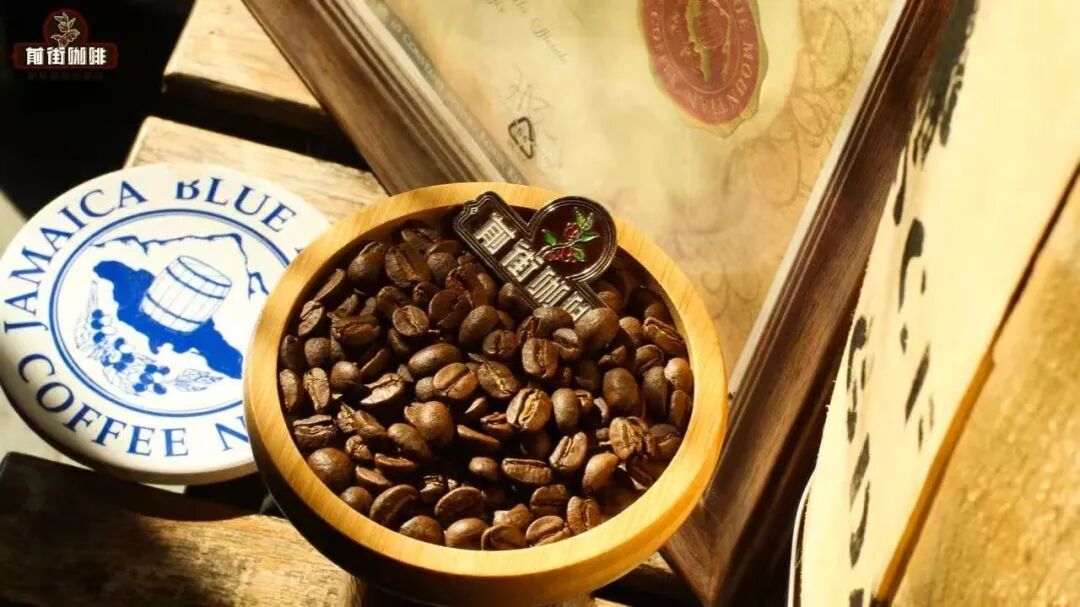
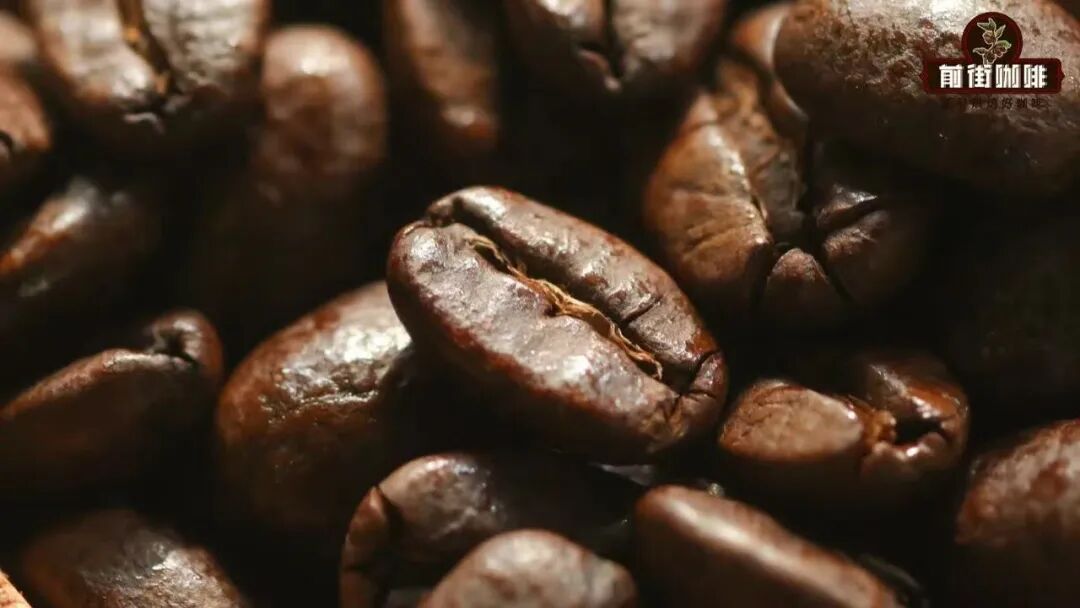
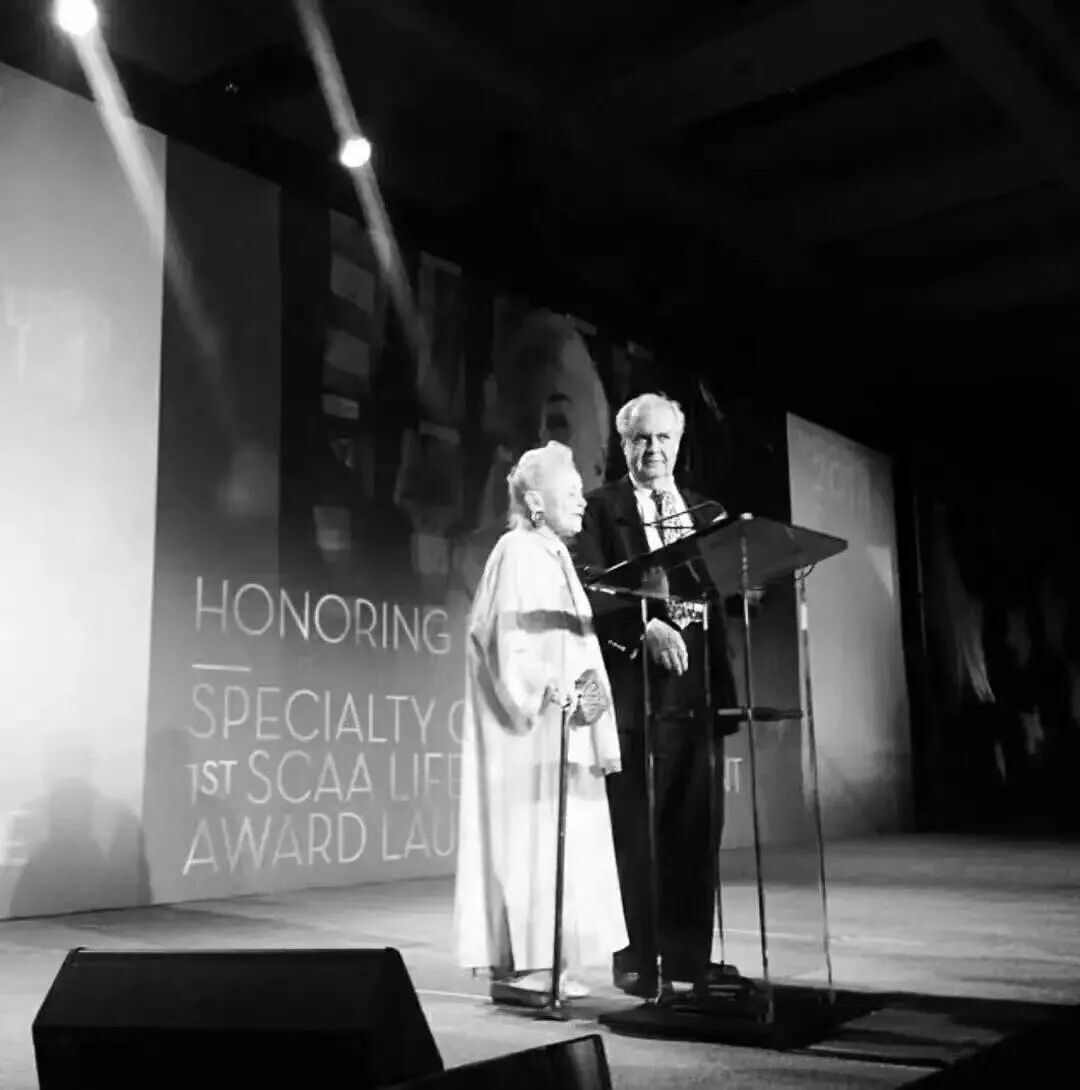
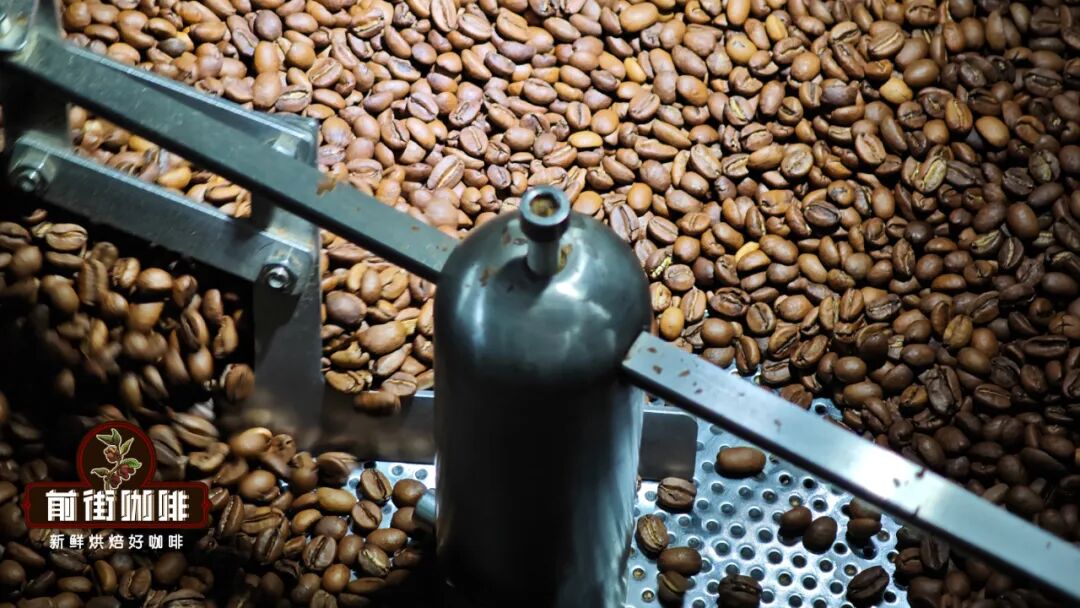
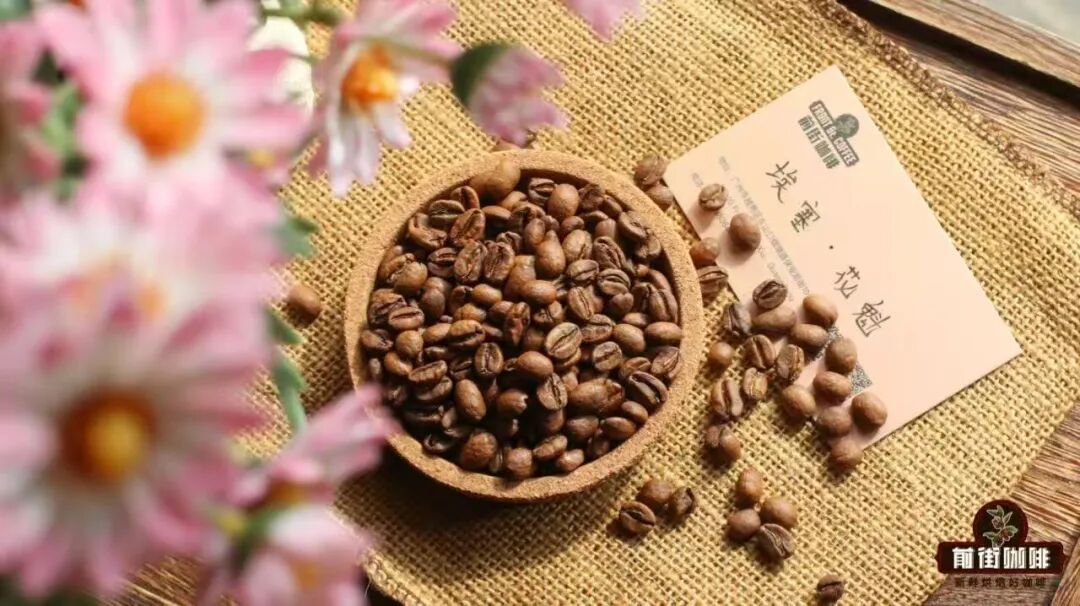
One of the defining features of Front Street Coffee shops is the wide selection of beans available for pour-over coffee. Although we haven't brought all the beans from our Taobao and Tmall stores offline, a rough count puts the number at over thirty, which makes for a quite abundant selection.Even with over thirty bean options, many friends have noticed that coffees primarily bitter in taste — those with the so-called "coffee flavor" — account for less than 10%, while the remaining 90% are acidic coffees. This has sparked curiosity among many: Why are most coffees today acidic? Is it true what people online say — that good coffee is all acidic?These questions mainly come from somewhat older customers and friends, whose impression of coffee is that it should be dark, bitter, and richly aromatic. Because before 2000, coffee almost always tasted primarily bitter, they can't help but sigh and question this shift.First, we need to understand that good coffee isn't necessarily acidic. Front Street Coffee believes the statement "good coffee is all acidic" carries a certain ambiguity. Our understanding of good coffee is generally "of higher quality." While it's undeniable that most higher-quality coffees on the market are acidic, there are also some high-quality coffees whose taste is primarily bitter. For example, on Front Street Coffee's bean list, there is Front StreetJamaica Blue Mountain No. 1.Jamaican Blue Mountain coffee was a highly renowned representative of high-quality coffee in the last century, and its taste is primarily bitter. Chocolate, caramel, cream, nuts — this is the very classic "coffee flavor" it presents.The quality of coffee is not what determines its taste; it is merely one of the factors that decides the direction of coffee's flavor. If you regularly read Front Street Coffee's posts, you'd know that whether coffee is acidic or bitter mainly depends on the roast level of the beans. The lighter the roast, the more acidic the coffee; the darker the roast, the more bitter the coffee. The reason many coffees today are acidic is simply that not all coffees are dark-roasted anymore.Coffee in the past was almost always dark-roasted, so the taste was primarily bitter. The reason dark roast was the mainstream back then is that there was no distinction between dark and light roasts at the time. People's original understanding of coffee roasting was just like stir-frying — you roast the beans until they're done.The standard for roasting coffee "done" back then was that the beans had to go through second crack, what we commonly call "second crack." Beans that had undergone second crack invariably had a rich, smoky aroma and a dark, glossy appearance. And this was what people at the time thought coffee should look like.If that's not concrete enough, we can think of tofu pudding. Before the internet became widespread, most people never imagined that tofu pudding could be made savory, sweet, or spicy. The same logic applied to people back then.Of course, Front Street Coffee also believes that people back then did try roasting coffee light, whether intentionally or by accident. But after all, light roast wasn't the mainstream at the time — just as someone used to a certain flavor of tofu pudding would consider another flavor inferior, people couldn't accept acidic coffee.Add to that: the quality of coffee beans at the time wasn't high, roasting theory wasn't as mature, roasting methods weren't as refined, and other reasons. In short, in the past, coffee that came out acidic would be seen as a failure, inferior, and under-roasted. So for a long time, the mainstream roast for coffee was dark roast.The main turning point that shifted everyone's perspective was the release of the concept of "specialty coffee."Ms. Erna Knutsenbelieved that some high-quality coffee beans should be singled out to shine, rather than being buried among commodity goods. But unexpectedly, this practice indirectly led to a shift in roasting philosophy, because as coffee quality improved, people found a "breakthrough point" and developed entirely new approaches.What pushed the wheels of history forward were the new forces whose ideas hadn't been too influenced yet! Front Street Coffee believes everyone has more or less heard of "Nordic light roast," right? At the time, coffee roast levels were often named after the mainstream roast level of a region — Italian roast, French roast, Japanese roast... And Nordic light roast meant that the mainstream roast in the Nordic region was light roast.Compared to places like Italy and France, where ideas were already deeply entrenched, the Nordic region came to coffee relatively late, so it was comparatively younger and less influenced by established ideas. Precisely because of this, they could break tradition and become the first place where light-roasted coffee became popular.If we judge the Nordic light roast of that time by color value, it was more at the medium roast level, not yet reaching the degree of lightness we recognize today as light roast. But compared to Italian roast back then, it was a very, very light roast level.And lighter roasting doesn't just make coffee more acidic — it also reduces the roasty, smoky aromas that mask coffee's flavors. As a result, the floral and fruity notes within the coffee are revealed. People began to taste more flavors in coffee — no longer monotonous bitterness, but a colorful spectrum of acidity.This kind of taste is very suited to the general public's palate, because people, after all, generally don't like bitterness. So in regions or countries that haven't been overly baptized by bitter coffee culture, those acidic coffees that don't taste like "coffee" are actually more readily accepted. Therefore, in these regions and countries, coffee tends to be roasted relatively lighter — whether espresso or single origin! Both because lighter-roasted coffee is more acceptable to people, and because it better showcases the differences between coffees.But then again, not all coffee beans can be light-roasted. Some lower-quality beans don't have high enough sweetness, or carry less pleasant defect flavors. If we light-roast such lower-quality beans, the former will produce a stimulating, sharp acidity due to insufficient sweetness, while the latter will result in unpleasant off-flavors.Beans like these are more suited to dark roasting, which generates more smoky aromas to mask the coffee's defect flavors. In other words, light roasting is also a litmus test — only beans that meet the criteria and are of relatively excellent quality can be prepared with a light roast.But again, this doesn't mean the statement "good coffee is all acidic" is correct. Because what coffee ultimately tastes like and what roast level is used mainly depends on the specific needs! For example, Front Street Ethiopia Huakui sold in Front Street Coffee's Taobao and Tmall stores has two selectable roast levels. One is a light roast for pour-over and single-origin coffee, and the other is a medium roast suitable for espresso preparation.The former better highlights Huakui's flavor characteristics — when we use it for pour-over, we can taste the aromas of orange blossom, citrus, strawberry, and cream, with a taste primarily sweet and acidic. If you want to use this bean for espresso-based drinks, then Front Street Coffee recommends choosing the latter — medium roast.Because espresso isn't just black coffee — there are also milk-based drinks like lattes, flat whites, and Dirty. Only by roasting the coffee a bit darker will the coffee's flavor not be easily masked by milk, allowing us to taste more coffee flavor in milk-based coffee.In summary, we can understand that the reason many coffees today are acidic is both because these non-bitter coffees better suit the general public's palate, and because they better showcase the differences between different coffee beans and better express the regional flavors of each producing area. Coffee's taste isn't entirely determined by quality — it mainly depends on the roaster's needs~ The above content is compiled by CoffeeHunters, a coffee news website.