







How does the roasting process affect coffee acidity?
Coffee tastes sour because the beans themselves contain a range of acidic compounds. Before the millennium, dark roasting was the mainstream style, and the long roasting process broke down many of these acids while burnt-bitter notes masked what remained, so coffee was widely thought to be only bitter. Lighter roasting in the specialty era brought acidity back into the cup.
What matters is acidity quality, not acidity level. Growing altitude, soil, processing, roasting, and brewing all influence how that acidity shows up. Level simply describes how strong the sour taste is, while quality covers how the acidity integrates with sweetness and body, which is where words to describe coffee taste become useful for comparing cups.
Why does coffee taste sour? This question puzzles many friends who are just getting into specialty coffee. Actually, the answer isn't complicated: coffee beans are inherently rich in various acidic compounds. Before the millennium, dark roasting was the mainstream, and the long roasting process broke down a large amount of these acidic substances, while the bitter, burnt flavors masked them, so people once thought coffee was only bitter, not sour. After the specialty era arrived, roasting degrees shifted from dark to light, and only then was the acidity rediscovered. But sourness isn't better the stronger it is—what we truly pursue is "acidity quality," not "acidity level." The quality of acidity is influenced by multiple factors, including growing altitude, soil, processing, roasting, and brewing. This article will systematically sort out the origins and quality-judging logic of coffee acidity from the perspective of Front Street.
Front Street has previously discussed why most coffee has a sour taste and the reasonableness of this sourness. Afterwards, quite a few friends gave feedback: the reasoning is clear, but new questions have arisen—how exactly is the acidity in coffee produced?
It's actually quite simple: coffee beans themselves contain a considerable variety of acidic compounds. Most people find it odd for coffee to be sour, which is mainly related to the mainstream roasting style before the millennium, when dark roasting almost dominated everything.
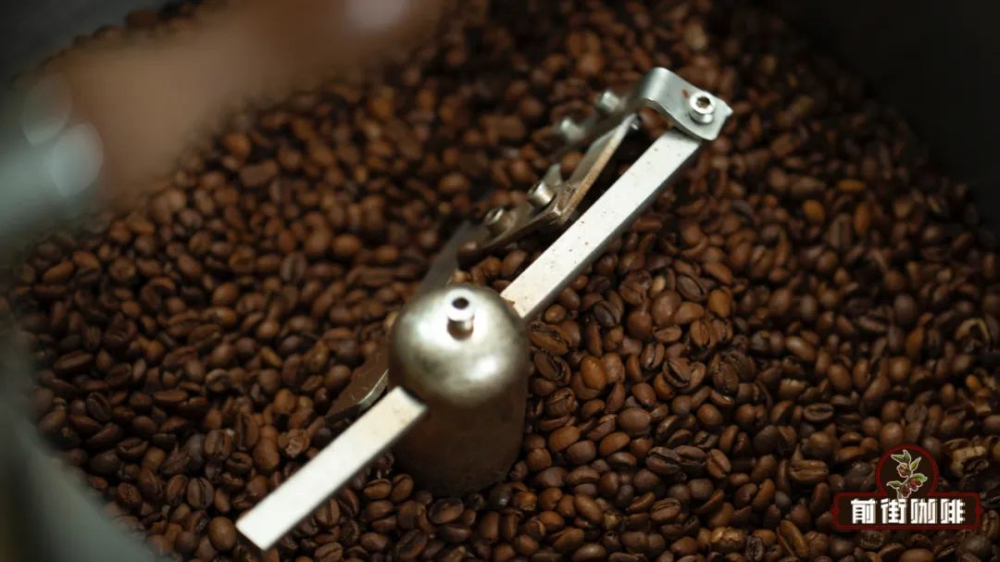
During dark roasting, the original acidic substances in the beans are continuously broken down and converted into other components. Although not all sourness disappears, the burnt-bitter aroma unique to dark roasting is enough to suppress the remaining sourness. For this reason, people in the past generally believed that coffee was bitter and had nothing to do with sourness.
After the specialty coffee wave emerged, the roasting trend shifted from dark to light. Without the long roasting time and without bitterness masking it, the acidity in coffee was finally tasted. However, a higher or lower acidity level does not directly equate to better or worse quality.
Why isn't coffee better the more sour it is?
Because what we want from coffee is "acidity quality," not "acidity level." Acidity level refers to how strong the sour taste is in a cup of coffee.
Everyone knows that the coffee flavors humans can perceive are mainly four: sour, sweet, bitter, and salty. These four constrain one another. Once one flavor clearly overwhelms the others, its expression in the cup becomes especially abrupt, sharp, and unpleasant.
Just like oranges and lemons in the citrus family: one is pleasantly sweet and sour, while the other is stimulatingly sour. The difference lies in the strength of acidity. Front Street thinks very few people would bite directly into a lemon. So coffee is not better the more sour it is.
Acidity quality is different: it refers to the kind of sourness experienced not only by the taste buds but also by engaging other senses together. Most of the flavors we describe are actually associations produced after perceiving acidity quality. Therefore, acidity quality is what we truly want to taste in coffee.
Acidity quality also has good and bad distinctions. Good acidity quality is often accompanied by obvious sweetness and can evoke rich fruity aromas—that is, the sweeter type of sourness.
Lighter examples include citrus, star fruit, and pineapple, such as Front Street Sidamo Alo and Front Street Elto coffee beans; deeper examples include smoked plum, purple grapes, and ripe fruit, such as Front Street Kenya Little Tomato and Front Street Peru Geisha, among others. In short, these are all acidity qualities that can evoke positive flavors.
Bad acidity quality, on the other hand, brings unpleasant feelings, such as the sourness that bursts out when herbs are crushed and chewed, or the sourness of some kind of vinegar, and in more severe cases, a sour and astringent taste with strong astringency.
It should be made clear that roast level is not the only factor determining whether acidity quality is good or bad. Although roasting can steer the direction of flavor, and the lighter the roast, the more sour the coffee, as Front Street said earlier, what we want is acidity quality, not acidity level. So how dark a bean should be roasted depends on the roast level at which it performs best.
The acidity quality perceived in coffee mainly comes from various organic acids that are broken down and transformed after roasting. In other words, the level of organic acid content in coffee beans determines the level of acidity quality expression. It sounds a bit convoluted, but that's exactly how it is.
The organic acid content of a coffee bean mainly depends on growing altitude and soil fertility, and these conditions positively promote the formation of organic compounds in the bean. The higher the altitude and the more fertile the soil, the more organic acids the coffee bean can accumulate; conversely, the less it can.
Front Street will give another intuitive example to make it easier to understand: if coffee beans grown at 1,600 meters are given a light roast, they will show a very solid, full fruity acidity quality; but if this bean is grown at 1,000 meters and given the same light roast, the sourness it shows will be quite hollow, without obvious fruity aroma, and not very sweet either—only nutty flavors will be strong. This is the gap brought by the growing environment.
Of course, whether the acidity quality of a cup of coffee is good or bad is not entirely determined by the growing environment. Processing methods, roasting, and even brewing techniques all affect acidity quality. When mistakes occur in these "cooking" stages, acidity quality will develop in a negative direction, letting us taste unpleasant flavors. So in every stage, it's best to operate with full attention and try to avoid messing up.
The above content is compiled by CoffeeHunters, a coffee news website.


