








How Did the Moka Pot and Milk Shape Latte Culture?
Latte coffee, literally milk coffee, began as a way to soften the bitterness of dark-roasted Robusta in the instant coffee era. Any brewing method, including a moka pot, French press, siphon or pour-over, can produce a latte in the broad sense once milk is added. Today the term usually means espresso-based milk drinks served in coffee shops.
As specialty coffee spread, drinkers moved from masking bitterness toward tasting origin flavors, and single-origin espresso milk coffee, known as SOE, rose alongside the shift. Chain brands pushed lattes into the mainstream, while the milk-to-coffee ratio stayed the lever that decides whether the cup tastes sweet, smooth or flat. Balance, not sweetness alone, drives the trend.
Many people's first impression of coffee often comes from a latte: it's not as bitter as one might imagine, but rather carries the sweetness and smoothness of milk. Latte coffee, "caffè latte," translates literally to "milk coffee." In a broad sense, any coffee with milk added can be classified as such, but today it mostly refers to espresso-based fancy coffee with milk. Why has it evolved from a "bitterness-masking choice" in the instant coffee era into a signature drink of coffee shops? This article starts from the development trajectory of the domestic market, sorting out the consumer psychology behind latte's popularity, the push from chain brands, the influence of specialty coffee, and the rise of SOE milk coffee, to help you understand why this milk coffee has always had a broad audience.

Many people's first coffee experience begins with a latte recommended by a friend. After taking a sip, they're often a bit surprised: the bitterness isn't as intense as expected, and instead they can taste the subtle sweetness brought by milk, finding it smooth and pleasant to drink. It's precisely because of this cup that many people develop an interest in coffee, gradually start learning about it, and go deeper the more they drink. So what exactly makes latte coffee so appealing?
Latte coffee, "caffè latte," translates literally to "milk coffee." In a broad sense, coffee made with an espresso machine, moka pot, French press, siphon, pour-over, or even boiled coffee, and even instant coffee, can all be called latte coffee as long as milk is added—there are no particularly strict production restrictions, and it can be served cold or hot. The latte coffee that everyone generally recognizes today, however, refers to fancy coffee made with espresso and milk.
How did latte coffee become popular in the domestic coffee market?
After the reform and opening up, various types of coffee entered the country as imported goods, and what people could access at the time was mostly canned or instant coffee. These products were mostly made from Robusta beans, and because Robusta lacks appealing flavors, it is usually dark-roasted, which made the deepest impression on early coffee drinkers: "So bitter."
For most people, bitterness is not easy to accept. When people learned from coffee packaging that coffee could be drunk with milk, more and more chose to pour in a large amount of milk to soften the overly heavy bitterness, while enjoying the smooth texture and fresh sweetness that milk brings. This was the earliest reason people drank lattes, even though they might not have known at the time that this way of drinking was called "latte coffee."
After instant and canned coffee, international chain brands like Starbucks also began entering China and expanding rapidly. Initially, they wanted to bring Italian espresso into the Chinese market to break new ground, and the concept of "freshly ground coffee" spread along with it. Independent coffee shops gradually became common, but the taste of coffee still leaned toward heavy bitterness.
Later, people gradually discovered that if they ordered a latte at a coffee shop, they could not only drink a sweet, smooth, less bitter coffee, but also get a beautiful latte art pattern, which gradually expanded the audience for latte coffee. Some even regarded latte art skills as a standard for judging whether a coffee shop was professional. Ordering a beautiful and delicious hot latte and quietly enjoying the atmosphere of the coffee shop also became one of the reasons people went out for coffee at the time.
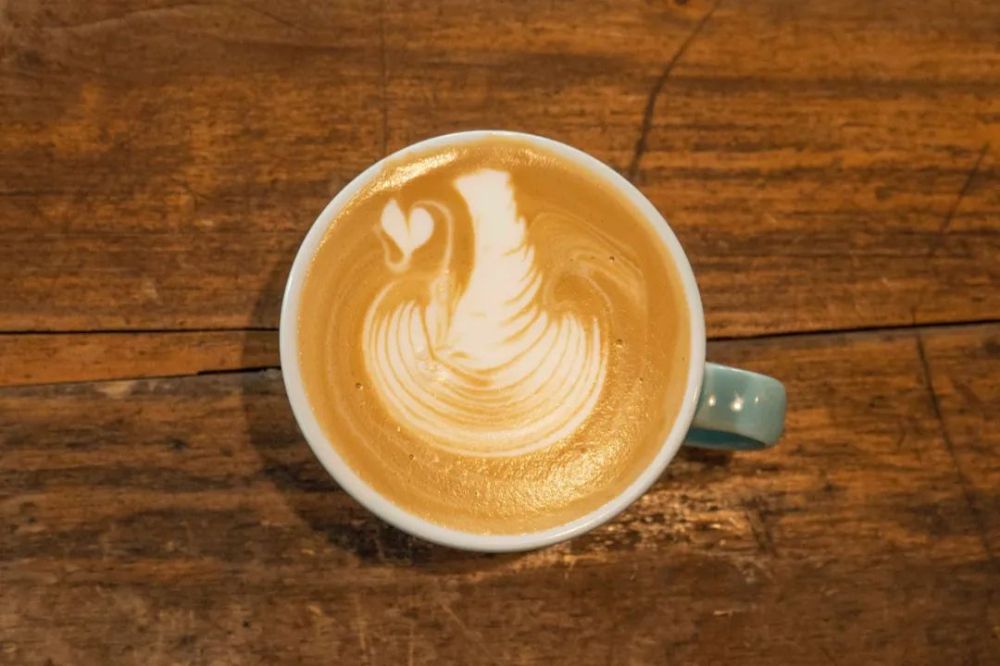
After the concept of "specialty coffee" was widely spread, coffee quality became increasingly controllable and kept rising. People gradually realized that coffee doesn't only have bitterness—it can also have rich flavors like floral notes, fruity acidity, almond, and chocolate. As for latte coffee, people no longer just wanted to use milk to cover up the bitterness of coffee, but hoped to use milk to further stimulate the coffee's flavors, achieving an effect of 1+1>2.
If you want to taste coffee flavors more meticulously, adjusting the ratio of coffee to milk and finding the right concentration becomes unavoidable. In response, the domestic coffee market also began introducing small-volume milk coffees like Piccolo and Dirty, allowing milk coffee to also clearly showcase the flavors of a single bean.
As SOE became sought after by many coffee enthusiasts and a major internet sensation in the coffee world, more and more people hoped to experience the terroir in a single-origin espresso, while also expecting milk to bring more new breakthroughs to SOE, making coffee taste even better. This also prompted many coffee lovers to choose milk coffee drinks like SOE Dirty and SOE Flat White.
So for people who are already used to drinking coffee, the reason for choosing a latte is more likely the desire to taste the different flavors that coffee presents when paired with milk, as well as the smooth texture experience that milk brings.
Of course, a latte is ultimately just a coffee drink. While being accepted by the public, it has also brought more possibilities to coffee—that is the biggest reason it is loved by everyone.
- END - Front Street Coffee
No. 10, Bao'an Front Street, Yandun Road, Dongshankou, Yuexiu District, Guangzhou, Guangdong Province
The above content is compiled by CoffeeHunters, a coffee news website.


