







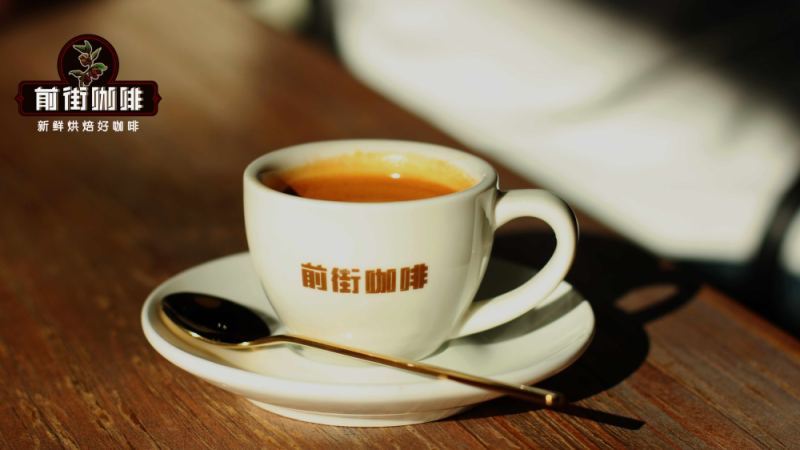
Why do espresso coffee beans usually come as a blend?
Single-origin beans shine in pour-over but often taste flat as espresso, so most cafes pull shots from blends that combine origins and varieties to balance acidity, body, and sweetness. Blending began as a way to hide defective beans, then developed into a tool for building a signature flavor that stays consistent across seasons and lots.
The right choice depends on the setting. At home, freshness and personal taste matter most; for a shop, output consistency and cost control come into play too. Common directions include rich and mellow, fruity, nutty, heavy crema, and high cost-performance, each matched to a different drink lineup and extraction setup.
To make a balanced espresso with sweet, sour, and bitter notes at home or in a shop, choosing the right beans is the first step. Single-origin beans shine in pour-over, but often lack complexity in espresso, so blends have become the mainstream approach. Blending was initially used to mask defective beans, but gradually evolved into an important means of creating a brand's signature flavor and ensuring consistent output. This article focuses on two scenarios—home use and opening a shop—explaining how to select blend beans, and for five needs—rich and mellow, fruity, nutty, rich crema, and high cost-performance—provides specific blend solutions from Front Street Coffee, including Classic Italian, Strawberry Candy Espresso, Specialty Italian, Commercial Italian, and Basic Italian, helping readers quickly choose beans according to their positioning.
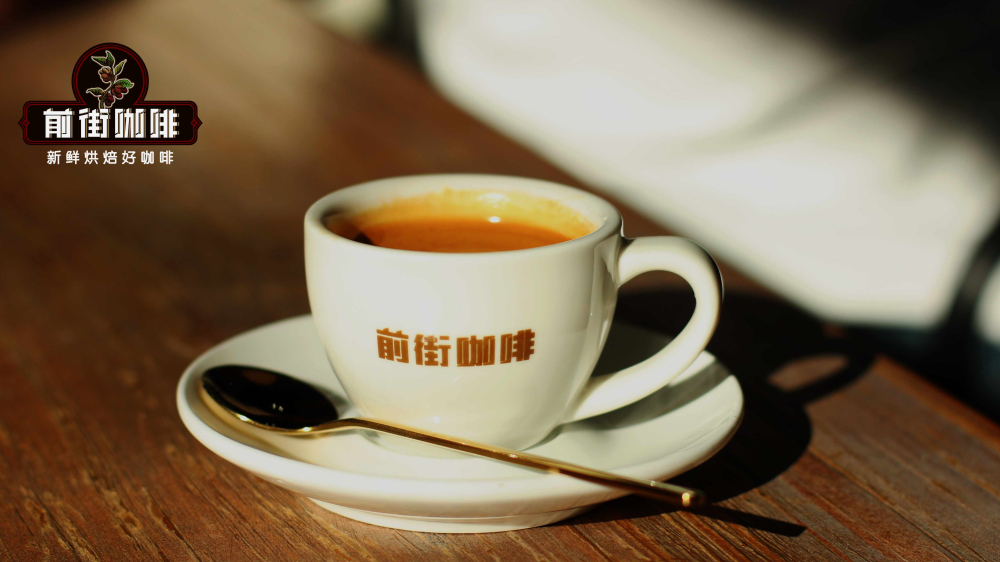
A well-balanced espresso can elevate the entire espresso-based drink. To create an espresso with harmonious acidity, body, and sweetness, the starting point is choosing the right coffee beans—in other words, knowing how to combine different beans. Single-origin coffee is highly favored in pour-over, but when used for Espresso, it often lacks complexity. For this reason, espresso is mostly made with blend beans, adjusting the ratio of each bean type to present a higher-quality taste.
In the early days, roasters simply mixed different coffees together, aiming only to mask a small number of defective beans. As coffee consumption became increasingly widespread, more café owners and roasters wanted their own signature flavor—a flavor that could be consistently produced and not limited by a particular origin or season.
If you're making espresso at home, the most important thing is to confirm the freshness of the blend beans and your own taste preference; but if you're planning to open a coffee shop, you also need to consider output consistency and cost control. When choosing a blend for a shop, first understand customer preferences, then clarify the drink positioning, and find the most suitable extraction parameters for different drinks. This process may be time-consuming and labor-intensive, but the effort put into creating a signature espresso blend is ultimately worth it.
Below is a list of espresso blend beans for those planning to open a coffee shop—just match by positioning:
For a rich and mellow espresso flavor, choose "Front Street Coffee Classic Italian Blend Coffee Beans"
Most coffee lovers have only heard of Mamba coffee, but may not know its recipe and origins. In fact, Mamba is simply a combination of Indonesian Mandheling beans and Brazilian beans, complementing and harmonizing with each other in flavor. This blend was popular in early Taiwanese coffee shops and can be considered a nostalgic old-school coffee taste. Front Street Coffee Classic Italian Blend adds Robusta to the Mamba recipe, significantly enhancing crema performance and making the body of the espresso more substantial. It's suitable for home use and also for latte art.
For an espresso flavor with prominent fruit notes, choose "Front Street Coffee Strawberry Candy Espresso Italian Blend"
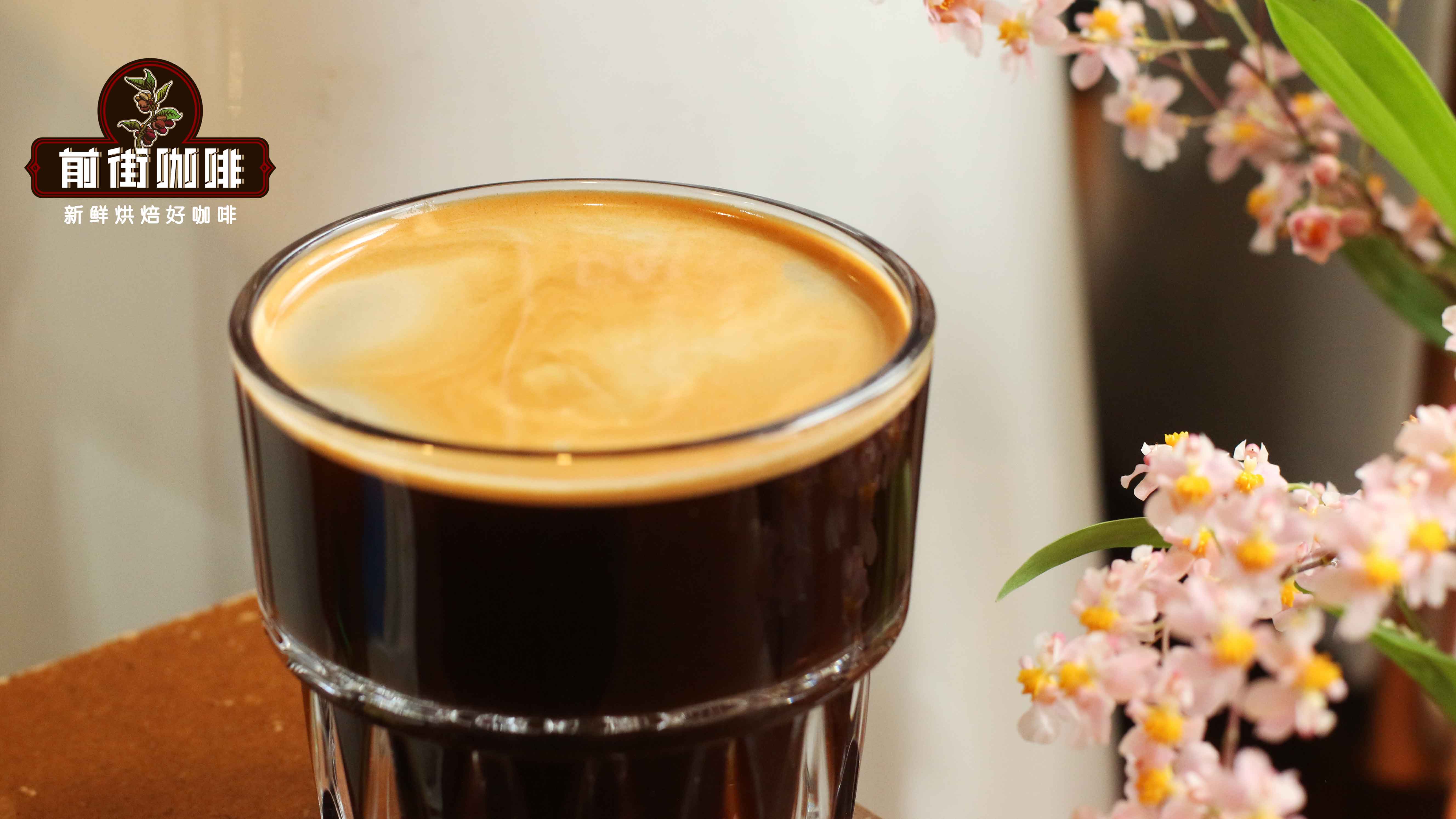
If your goal is to make an espresso with floral and fruity notes, medium-roasted beans should be the main component. Here we recommend Front Street Coffee Strawberry Candy Espresso Coffee Beans, which can be ordered directly from the Taobao or Tmall store. This bean features the honey-processed Front Street Coffee Costa Rica Tarrazu, paired with beans from two major regions of Ethiopia, the birthplace of coffee, and supplemented with Colombian coffee beans. The resulting espresso is smooth on the palate, with good crema performance and a dense texture after extraction, while carrying a sweet-and-sour sensation similar to strawberry gummy candy.
For a rich, nutty espresso flavor, choose "Front Street Coffee Specialty Italian Blend"
Brazil and Colombia are both among the world's top coffee-producing countries, long renowned. Front Street Coffee combines beans from these two regions: the nutty aroma and balanced taste of Brazilian beans meet the chocolate notes of Colombian beans, achieving an effect where one plus one is greater than two. The extracted espresso presents flavors of cream cookies, cocoa, and roasted nuts.
For an espresso flavor with rich crema, choose "Front Street Coffee Commercial Italian Blend"
If you want to recreate the same Americano or Latte as in a coffee shop, you can get Front Street Coffee Commercial Blend Coffee Beans. It is a blend of three major regions—Brazil, Colombia, and Vietnam. After medium-dark roasting, it has rich crema and roasted aromas. Used for Americano, it tastes sweet and mellow, very easy to drink; made into a Latte, it is rich and smooth, leaving a lingering fragrance after drinking. It is also affordable, making it very suitable as an everyday staple bean for home use.
For a high cost-performance espresso flavor, choose "Front Street Coffee Basic Italian Blend"
For beginners, cost-performance is naturally the first consideration, and this coffee is enough to meet the needs of most home users. It has soft fruit acidity, caramel-like sweetness, and nutty and dark chocolate flavors, with a smooth and viscous mouthfeel. It is also affordable, suitable for shop owners and home users who prioritize cost and don't have high demands for flavor.
The above content is compiled by CoffeeHunters, a coffee news website.


