







What sugar goes in coffee, and does the choice matter?
There is no single sugar that suits every cup. White granulated sugar, refined from sugarcane or sugar beet, dissolves quickly and adds clean sweetness, while yellow or brown sugars carry molasses notes that can round out a darker roast. As coffee quality has improved, less sugar is often needed, since the sharp, burnt bitterness of older beans has largely faded.
Sugar does more than mask bitterness. It adds body and a fuller, smoother mouthfeel, which is why the same beans taste different depending on what is stirred in. The practical rule is to match the sugar to the drink and the need: a light, bright pour-over may need none, while a caramel latte or a milk-heavy drink can carry a sweeter, more aromatic sugar without losing balance.
At a time when coffee quality is steadily improving, many enthusiasts still habitually add sugar to their cup. Adding sugar not only masks bitterness but also gives coffee a rounder, fuller mouthfeel. With such a wide variety of sugars on the market, which one pairs best with coffee? This article starts from the differences between white granulated sugar and yellow sugar, analyzes how different sugars affect coffee flavor, and provides a specific method for making Caramelo Latte. At the same time, Front Street Coffee will also share practical views on sugar for coffee based on store experience, helping you make more suitable choices in daily brewing or cafe visits.
It is already the 21st century, and coffee bean quality has made great strides compared with the past; that sharp, burnt bitterness is long gone. However, a considerable number of friends still habitually add sugar to coffee. Masking bitterness is certainly one reason, but sugar does far more than that—it can also make coffee's texture smoother and its mouthfeel fuller and thicker.
Just recently, a customer came to the Front Street Coffee store with a question: with so many categories of sugar, is there one that matches coffee best?
Indeed, sugar comes from a wide range of sources; it can be extracted from fruits and vegetables or obtained through secondary processing. Different kinds of sugar each have their own strengths in sweetness and flavor. But if forced to choose the single most suitable sugar for coffee, Front Street Coffee's answer is none. This is like the various milk coffees in the espresso system: although the base is espresso plus milk, they present very different styles because of differences in ingredients and techniques. Sugar is likewise: each sugar brings a different effect to coffee through its own characteristics. Different needs naturally call for different matching sugars. That is why Front Street Coffee says there is no so-called best match.
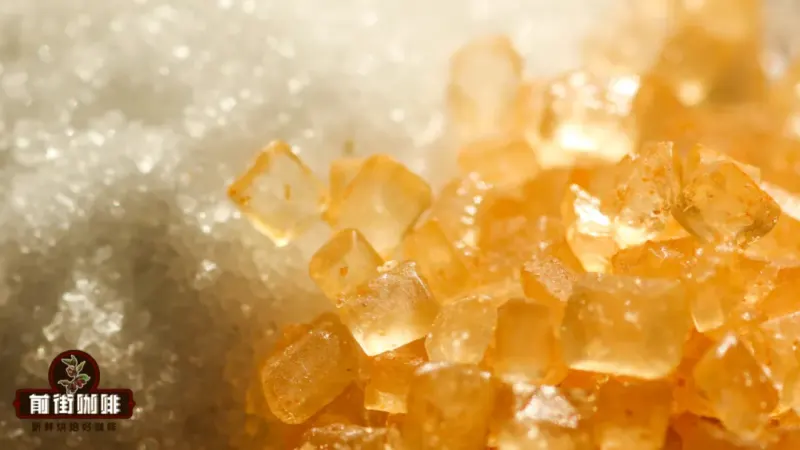
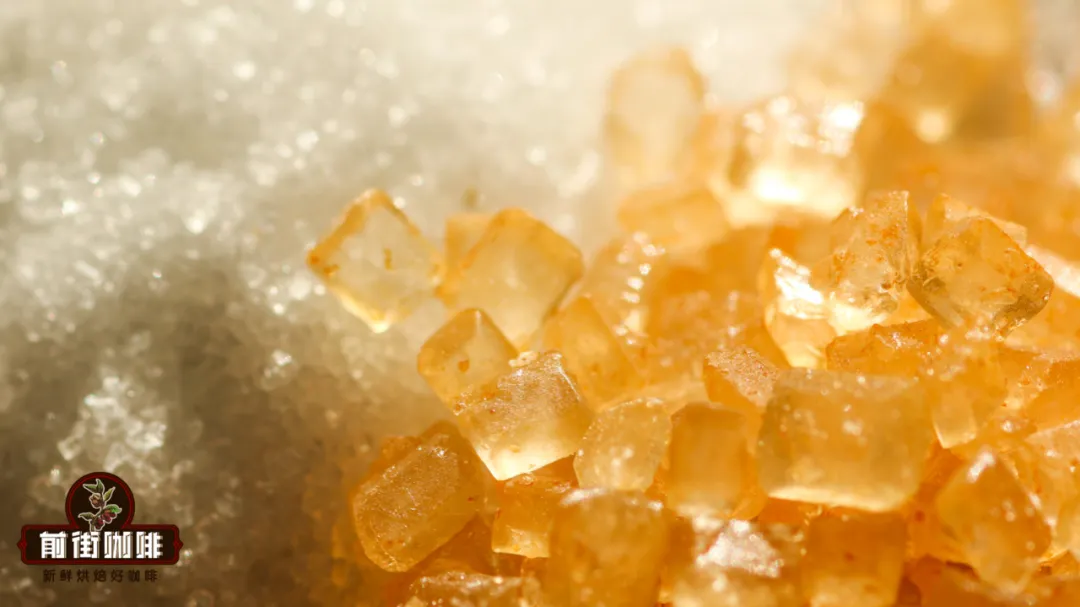
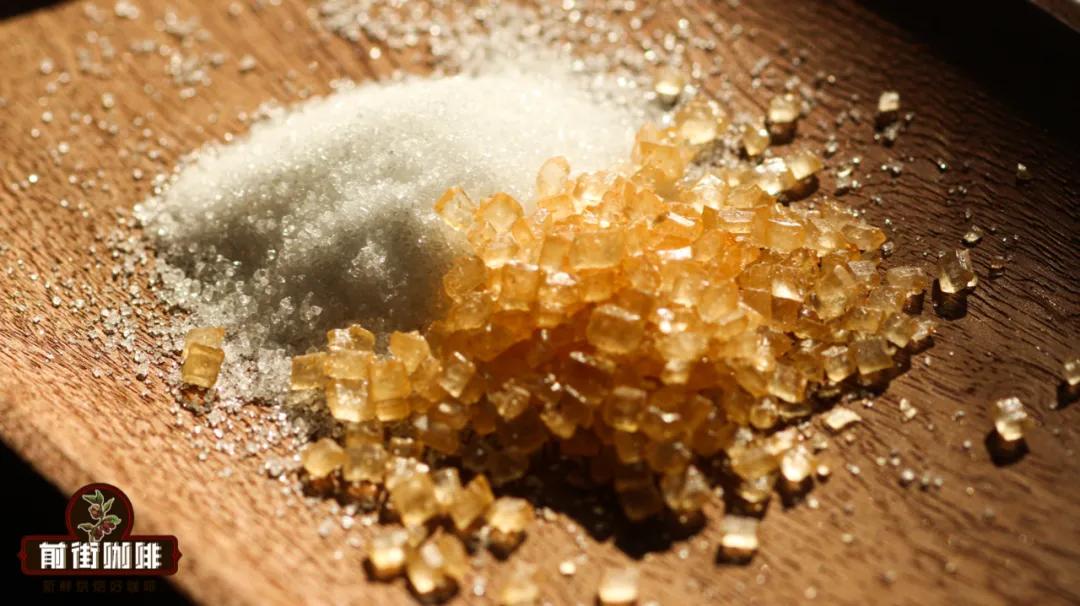
However, not all sugars are suitable for adding to coffee. Although there are many varieties of sugar, only a few are commonly seen in coffee shops at present (here we discuss only sugars used in hot drinks, not syrups). White granulated sugar White granulated sugar is extremely common not only in coffee shops but also in daily life. It is refined from the juice of sugarcane or sugar beet. Because it undergoes multiple purifications during production, the final crystals are white and pure, containing almost no impurities. Also because of multiple purifications, white granulated sugar has a very simple flavor; apart from sweetness, it has almost no other taste.

The above content is compiled by CoffeeHunters, a coffee news website.


