








What Makes Coffee Taste Salty Instead of Balanced?
Saltiness is always present in coffee, coming from minerals in the bean such as sodium, magnesium, calcium, bromide, iodide and nitrate. Normally these stay below the perception threshold and are masked by other flavors. A clearly salty cup usually signals a problem with coffee quality or with the extraction rather than a normal flavor.
Growing environment and defective beans are common causes, since altitude and growing conditions change how minerals concentrate in the cherry. Under-extraction is the other main trigger: when brewing pulls too few compounds from the grounds, sweetness and body stay low and saltiness surfaces. Checking extraction and bean condition helps separate the two.
Saltiness in coffee has actually always been present, mainly coming from the various minerals contained in the bean itself, but because its proportion is relatively low, it is often masked by other flavors. When a cup of coffee shows a noticeable salty taste, it often means there is a problem with quality or the extraction process. From the perspective of Front Street, this article sorts out the sources of saltiness, analyzes how factors such as the growing environment and defective beans allow saltiness to surface, and explains what characteristics coffee will show when it is under-extracted, helping enthusiasts judge brewing conditions more accurately.

Coffee always contains saltiness, and this taste mainly comes from the minerals carried by the coffee beans themselves, such as cyanide, bromide, iodide, nitrate, sodium, magnesium, calcium, and other inorganic components. Because the proportion of these substances is not high, they are usually suppressed by other flavors, making it difficult for people to perceive them directly. So compared with acidity, sweetness, and bitterness, saltiness is more like a role quietly supporting things from behind the scenes, and its presence actually has a positive effect on coffee quality. In the article "Does Adding Salt to Coffee Make It Sweeter?", Front Street once mentioned that flavors check and balance one another, and adding an appropriate amount of salt to coffee can achieve the effect of increasing sweetness, reducing bitterness, and enhancing body, while the saltiness contained in coffee itself also has a similar function. However, all of this has one prerequisite: the saltiness must remain within an appropriate range and not be noticed by the drinker.
Most of the time people do not specifically discuss saltiness, because as long as the extraction is normal and the beans have no defects, saltiness, as mentioned above, is very difficult to perceive. If you taste a prominent salty flavor in a cup of coffee, then it most likely indicates that there is a problem with the quality of this cup of coffee, and the root cause may lie in the brewing extraction, or it may come from the coffee beans themselves. Next, Front Street will explain exactly what causes people to taste obvious saltiness in coffee.
1. The impact of the coffee bean growing environment
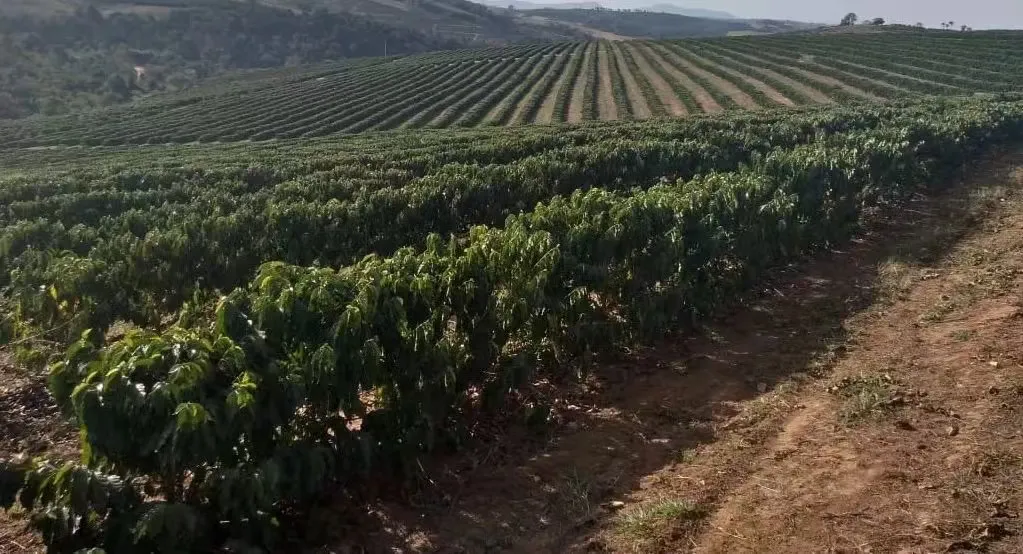
As is well known, the higher the altitude at which coffee is grown, the low-temperature environment slows down the growth rate of the coffee, and at the same time the plant produces more substances to resist the cold, including sugars, which also helps the formation of high-quality flavors. Conversely, when coffee is grown in low-altitude areas, the growth rate tends to be ordinary, and it will not specifically produce organic acids and sugars to resist extreme environments, so naturally it lacks enough acidity and sweetness to cover up the saltiness.
In addition to altitude, factors during the growing period such as fertilizer use, sunlight duration, and rainfall also affect the accumulation of substances in coffee. The fewer the substances that can form acidity and sweetness are produced, the higher the relative proportion of saltiness in coffee will be. When brewing this type of coffee bean, it is also easier to release the saltiness.
2. The impact of defective beans
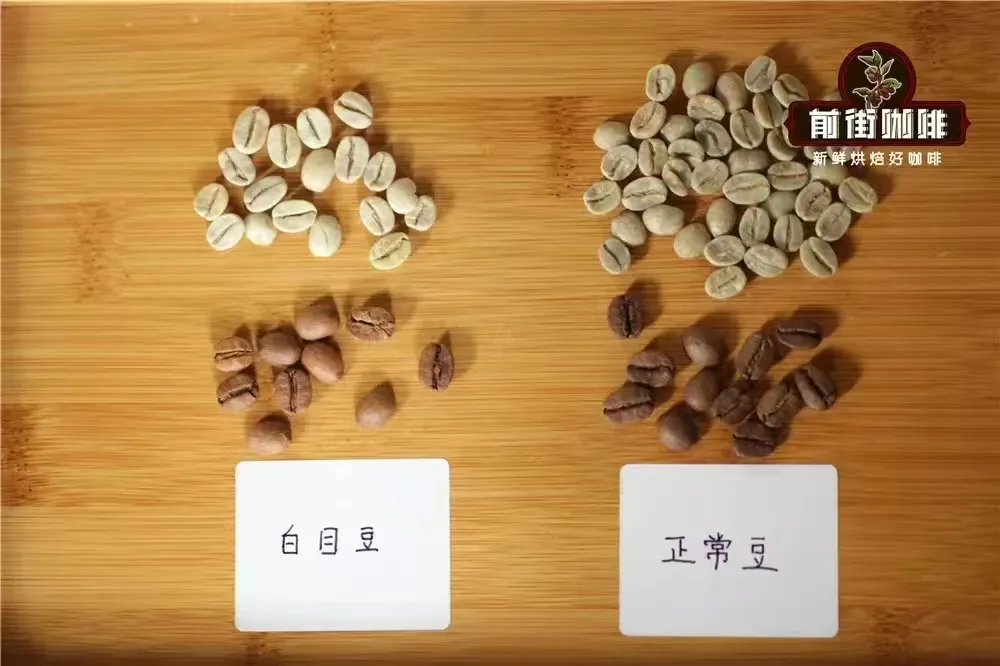
Before and after roasting, if the roaster does not screen out defective beans, then the brewed coffee may carry an obvious salty taste. Among all kinds of defective beans, the one most likely to make coffee taste salty is the "unripe bean," also known as the "white-eye bean."

The above content is compiled by CoffeeHunters, a coffee news website.


