







Search Results for: market research
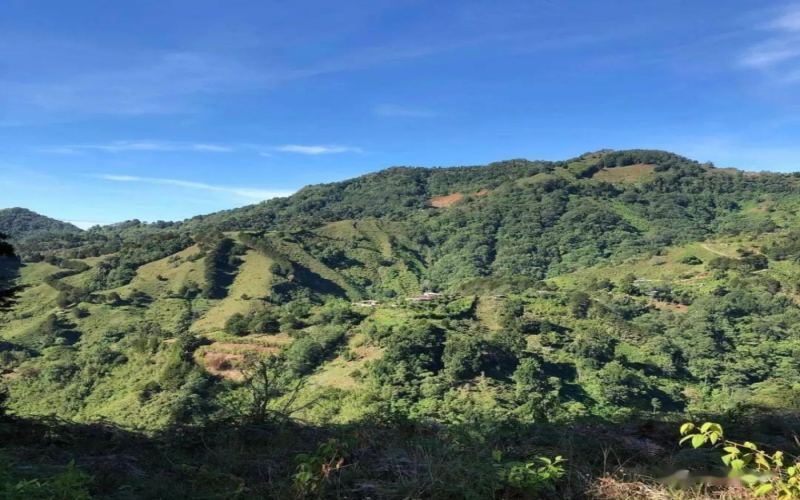
Brazil's IAC natural decaf coffee breeding enters a critical validation phase, with promising commercial prospects.
The natural decaffeinated coffee breeding program at Brazil's Campinas Agronomic Institute (IAC), which has spanned more than two decades, has now entered the stage of definitive verification. Researchers are cultivating and screening hybrid coffee plants derived from different varieties, with the goal of developing coffee varieties that are naturally low in caffeine or even caffeine-free without the need for industrial decaffeination. If this breakthrough ultimately comes to fruition, it will profoundly change the commercialization landscape of decaffeinated coffee in major markets such as the United States and Europe. According to forecasts by market research institutions, the global decaffeinated coffee market will reach US$28.86 billion by 2030, with young health-conscious consumers as the main driving force. Front Street Coffee will also continue to follow the subsequent progress of this transformative research. [more…]

Caffeine and Shopping Impulses: Research Reveals How Beverages Influence Consumer Decisions and Spending Behavior
Coffee is one of the most popular beverages in the world. Not only can it refresh the mind, but it may also quietly change your shopping habits. A study published in the Journal of Marketing found that consuming caffeine before shopping significantly increases spending and the number of items purchased, especially non-essential goods. Researchers at the University of South Florida, through offline retail store and online laboratory experiments, revealed how caffeine affects impulse control by releasing dopamine. This article will explain in detail the design of the study, its results, and its implications for everyday consumption, while also reminding coffee lovers to be mindful of the potential financial effects while enjoying coffee. [more…]
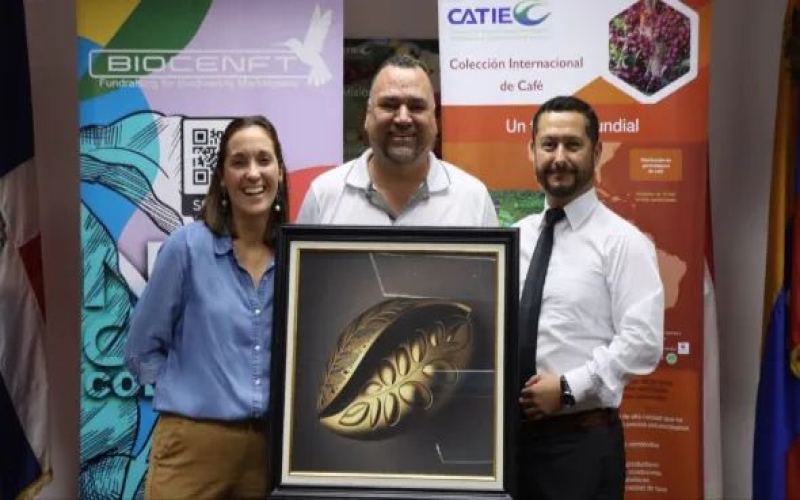
Costa Rica releases 12 coffee variety NFT artworks, with proceeds to be invested in coffee research and species conservation
The Specialty Coffee Association of Costa Rica (SCACR), in collaboration with the Tropical Agricultural Research and Higher Education Center (CATIE) and NFT marketing company BIOCENFT, has jointly issued 12 NFT digital artworks themed around coffee varieties. These works cover varieties such as Geisha, Wush-Wush, Mibirizi, and Java, and are divided into three tiers: Gold, Silver, and Standard, with prices ranging from US$20 to US$12,000. All proceeds from the sale will be used to support CATIE's international coffee collection, coffee breeding programs, and SCACR's daily operations. Under the framework of the global strategy for the conservation of coffee genetic resources, whether this cross-sector experiment can inject new vitality into Costa Rica's coffee industry is worth watching. [more…]

The Luckin vs. Cotti Coffee War Trends on Social Media Again: From Price Battles to Market Research, the Bundling and Hidden Concerns of Low-Priced Coffee
The competition between Luckin and Cotti has once again become a hot topic on Weibo, staying on the trending list for over nine hours with over 16.59 million views. The two brands have been going head-to-head from store locations to product pricing, with 9.9 yuan and 8.8 yuan coupons becoming the focus of consumers' attention. However, industry observers point out that the two are not evenly matched, and Cotti seems to be chasing Luckin's pace. Behind this business war, consumers' pursuit of value for money is the core, and whether the price war can continue and what impact a truce would bring are issues worth watching. [more…]
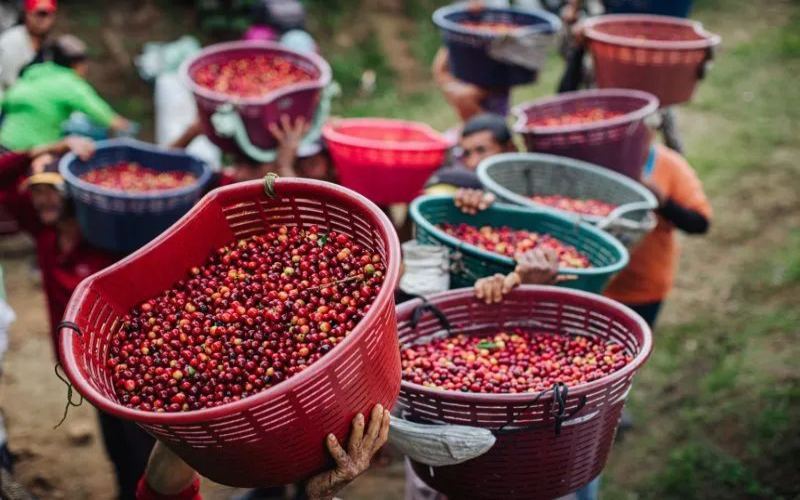
The Trend of Patenting Coffee Varieties Emerges: What Kind of Impact and Transformation Will Global Coffee Farmers Face?
Climate change, the spread of pests and diseases, deforestation, and continuously rising temperatures are posing severe challenges to global coffee production capacity. Some studies predict that by 2050, both the suitable cultivation areas and suitability levels of the world's top five coffee-producing countries will decline. To address this situation, many countries have established dedicated coffee research institutions, and multinational companies such as Starbucks and Nestlé have also set up their own R&D teams, committed to breeding new varieties with higher yields, better quality, stronger disease resistance, and adaptability to different environments. However, when variety research and development results led by private capital enter the market, the boundary issues of intellectual property and patent protection come to the surface. There are already precedents for plant patents, and Monsanto's genetically modified seed rights protection case is even more sobering. If coffee varieties are patented, what fate will small farmers and growers face? Front Street Coffee will continue to follow this issue. [more…]
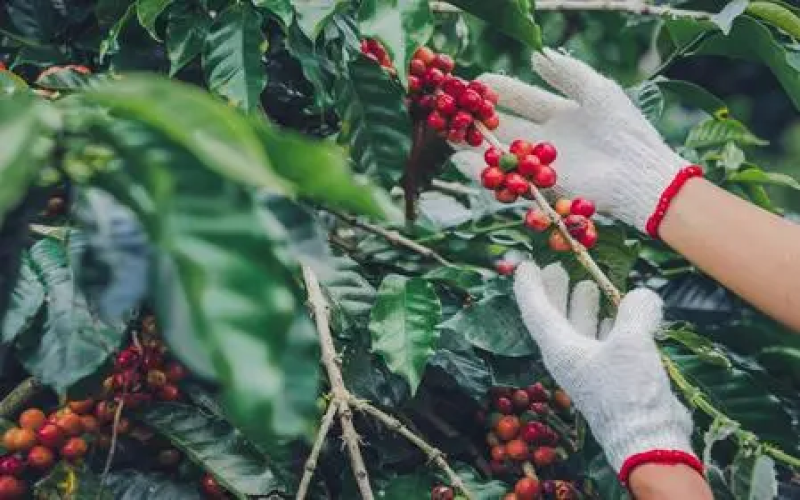
Philippine Coffee Industry Achieves Breakthrough: ACDI/VOCA Partners with WCR to Complete Five-Year Project, Legally Introduces New Arabica Varieties for the First Time
Recently, the five-year Philippine Coffee Advancement and Farm Enterprise (PhilCAFE) project, funded by the United States Department of Agriculture and implemented through a partnership between ACDI/VOCA and World Coffee Research (WCR), has officially concluded. Launched in 2019, the project aimed to improve coffee production and quality, empower farmers, and support the skills development of national researchers and producers. The project legally introduced new Arabica varieties to the Philippines for the first time, established 18 on-farm technical trials and 2 coffee variety trial sites, paving the way for innovation in the Philippine coffee industry. Front Street Coffee notes that this initiative is expected to help the Philippines cope with climate change-induced yield declines and provide farmers with more high-yielding, climate-resilient, and pest- and disease-resistant variety options. [more…]
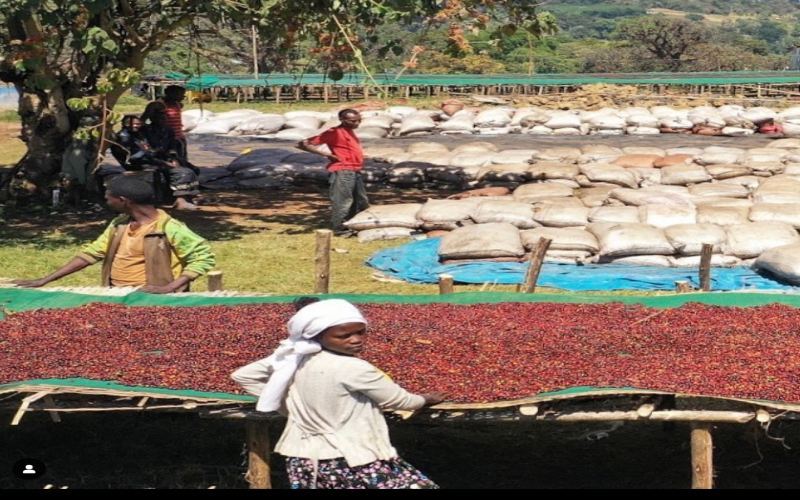
Colombia Huila Birch Estate Wush Wush Coffee: The Legend of a Rare Variety from Ethiopia to South America
In Ethiopia, in addition to the widely known heirloom varieties, recent years have seen the emergence of varieties such as the 74 series, Wush Wush, and Dega. Among them, Wush Wush, with its cute name and unique flavor, though uncommon, always catches the eye of coffee enthusiasts. Today, Front Street Coffee will take you on an in-depth look at this variety: it originates from Wush Wush village in the Gimbo district of Ethiopia, and belongs to the heirloom coffee family along with Geisha. In the 1970s, to combat anthracnose, the Jimma Agricultural Research Center bred disease-resistant varieties, and Wush Wush was officially released in 2006. However, most of the Wush Wush on the market today comes from Colombia—what's the story behind this? Front Street recently acquired a natural Wush Wush from Birch Estate in the Huila region of Colombia, and this article will reveal its flavor and brewing suggestions. [more…]
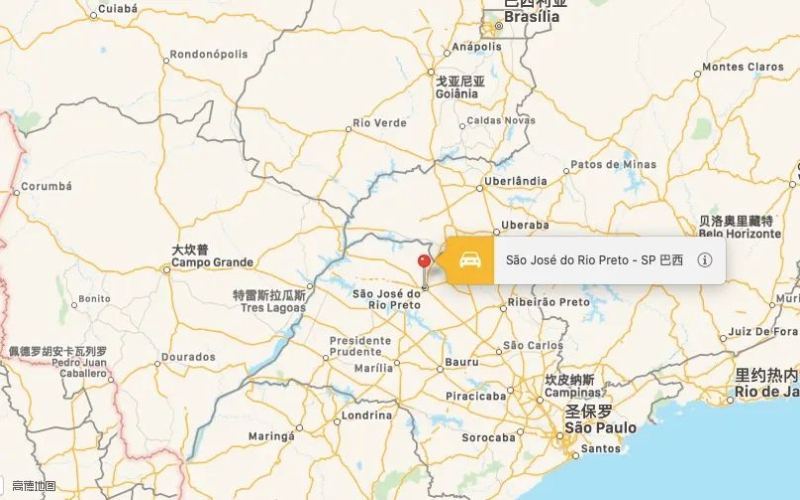
São Paulo State Plans to Transfer IAC Coffee Experimental Station and Germplasm Bank, Sparking Industry Concerns
The São Paulo state government in Brazil plans to sell a 7-hectare plot of land located in the state, which belongs to the Santa Elisa farm of the Campinas Agronomic Institute (IAC). This move has been strongly opposed by the IAC and the São Paulo State Association of Scientific Researchers. The farm hosts one of the world's largest coffee germplasm banks, preserving about 5,000 germplasm accessions, including the world's oldest Arabica coffee population. As one of the oldest agricultural research institutions in the world, the IAC's research achievements underpin 70% of the world's commercial coffee varieties. If the farm is sold, multiple coffee and crop research projects will be forced to halt, with far-reaching impacts on Brazil and the global coffee industry. [more…]
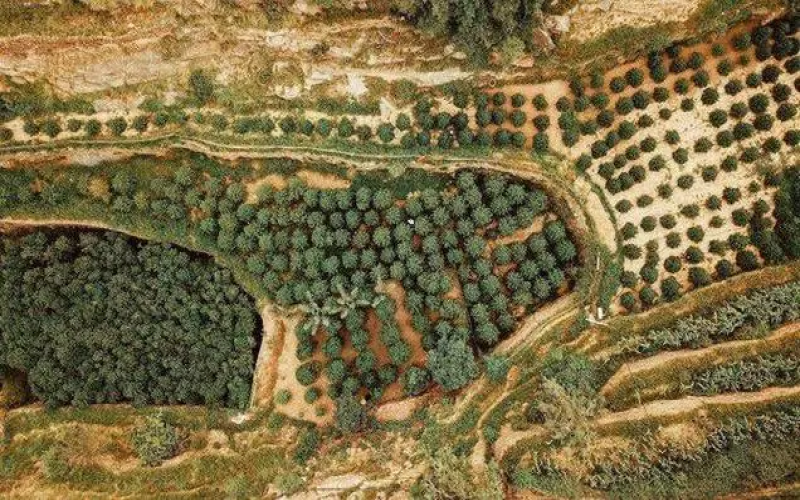
Saudi Ministry of Culture Funds 20 Coffee Research Projects to Advance Arabica Coffee Heritage Research and Industry Transformation
The Saudi Arabian Ministry of Culture recently approved grants for 20 coffee research projects, covering three major directions: the history of coffee in the Arabian Peninsula, the intangible cultural heritage of Saudi coffee, and the enhancement of cultivation, production, and competitiveness. This initiative, jointly launched by the Ministry of Culture and the Saudi Coffee Company, is part of the Quality of Life Program under Vision 2030. Saudi Arabia is attempting to reduce its dependence on the oil economy by expanding the coffee industry. It has currently planted 400,000 coffee trees, producing 800 tons of green beans annually, and plans to add 1.2 million more by 2026. Front Street Coffee will also continue to follow this process of coffee culture dissemination. [more…]

Paper Straws from Viral Fame to Discontinued Production: Can PLA and Edible Straws Become the New Eco-Friendly Alternatives?
Paper straws once swept through the food service industry in the name of environmental protection, yet they have been widely criticized for their poor mouthfeel and tendency to degrade in the mouth, and are now gradually exiting the market. Their replacement, PLA straws, are made from plant starch, are fully biodegradable, and withstand temperatures ranging from cold to hot drinks, but they have a short shelf life and relatively high cost. Meanwhile, research teams have developed edible bacterial cellulose-based straws that completely decompose within 60 days when buried in soil. From paper straws to PLA to coconut jelly straws, behind the iteration of eco-friendly straws lies a trade-off among cost, experience, and degradation performance. This article reviews the current state of paper straw production being discontinued, the market prospects for PLA straws, and the research progress on new edible straws, and includes Front Street Coffee's specialty bean news. [more…]
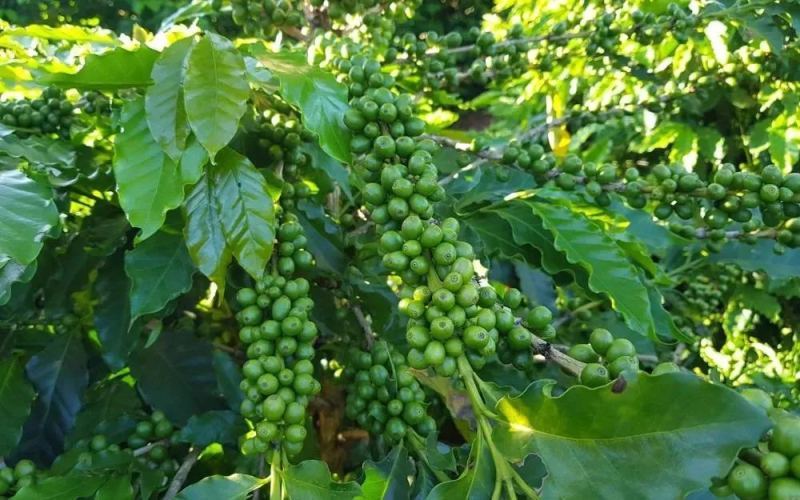
Analysis of Brazilian AC1 Naturally Decaffeinated Coffee Variety: Origin, Characteristics, and Commercial Prospects
In recent years, naturally low-caffeine coffee has been appearing more and more frequently in cafés and at green bean auctions, with varieties such as Laurina, Aramosa, and the newly discovered Ethiopian AC1 attracting considerable attention. AC1's caffeine content is only about 0.76 mg/g, far lower than that of ordinary Arabica. This variety originated from Ethiopian seed resources and was later discovered and studied by the Brazilian Agronomic Institute (IAC) at Santa Elisa Farm. Although AC1 is chemically similar to mainstream varieties and has strong resistance to coffee leaf rust, its low yield and demanding growing conditions pose challenges to its commercialization. The IAC is now developing new varieties with even lower caffeine content and higher yields through crossbreeding. Front Street Coffee continues to follow the latest developments in this field. [more…]

Feihe denies rumors of importing Japanese ingredients, saying a cooperation intention was misunderstood and it has reported the matter to police
On October 18, Feihe Dairy issued a statement regarding false information circulating online about "imported Japanese raw materials" and other rumors, stating that it had reported the matter to public security authorities and that a case had been opened. The controversy stemmed from a letter of intent for technical cooperation signed between Feihe and Japan's Kyowa Hakko, which was originally intended for the joint research and development of fermented lactoferrin technology, but was distorted into claims of raw material imports and even capital injection. Feihe emphasized that the cooperation remains only at the letter-of-intent stage and does not involve raw materials or capital. As a representative of domestic infant formula, Feihe has long been committed to breaking dependence on imported lactoferrin, as demonstrated by its first domestic production line. This article will sort through the ins and outs of the incident and restore the facts. [more…]
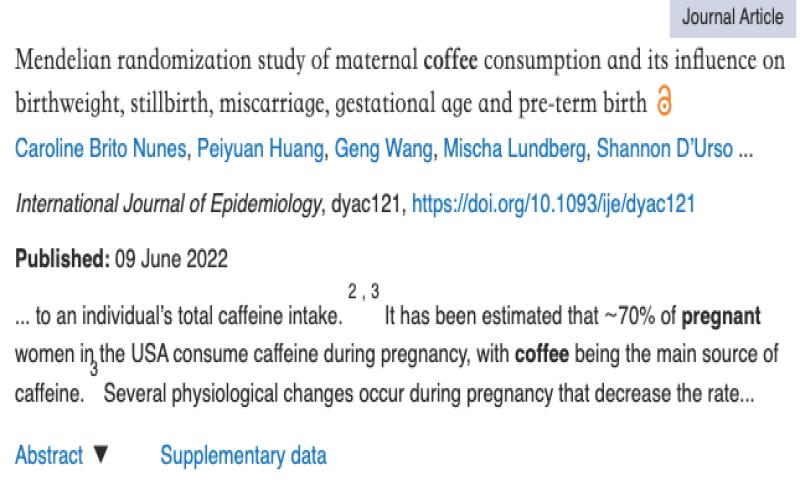
Can You Safely Drink Coffee During Pregnancy? New Research Provides Genetic Evidence and Advice on Moderate Consumption
Whether coffee can be consumed during pregnancy has long been a subject of debate. A team from the Institute for Molecular Bioscience at the University of Queensland published a Mendelian randomization study in the International Journal of Epidemiology, using genetic data to explore the causal relationship between coffee consumption during pregnancy and adverse pregnancy outcomes such as miscarriage, stillbirth, preterm birth, and low infant birth weight. The results suggest that, provided the body's condition allows it, moderate coffee consumption during pregnancy does not necessarily lead to adverse outcomes, but caffeine may still affect fetal development. This article will review the key findings of the study and offer practical advice on coffee consumption and caffeine intake during pregnancy, helping coffee lovers make safer choices. [more…]
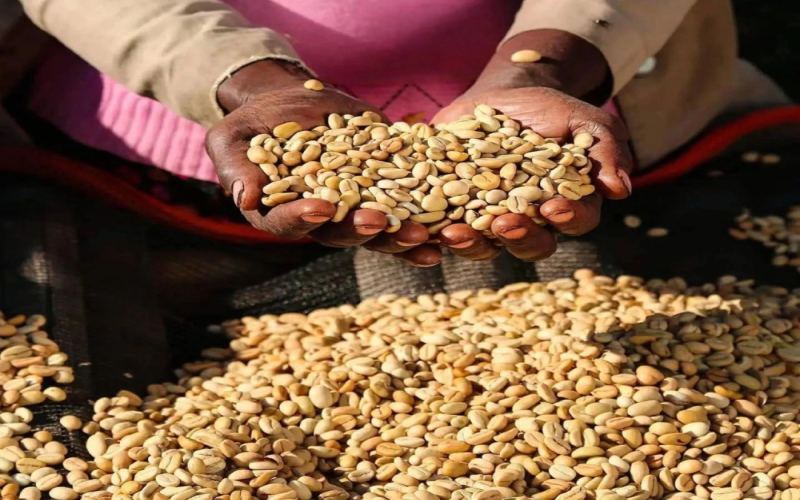
A Complete Analysis of the Ethiopian Wush Wush Variety: From Anthracnose-Resistant Breeding to Its Second Home in Colombia
In Ethiopia, besides the well-known heirloom varieties, varieties such as Wush Wush, the 74 series, and Dega have gradually come into the view of coffee enthusiasts in recent years. Among them, Wush Wush, with its endearing name and excellent flavor performance, always attracts attention despite being rare on the market. Where exactly did this variety come from? How did it travel from a small village in Ethiopia to the world, and why did it take root and thrive in Colombia? Today Front Street Coffee will systematically sort out the origins and spread of Wush Wush for everyone, from the anthracnose-resistant breeding program in the 1970s, to its official release in 2006, and then to its introduction and spread in Colombia—understanding this heirloom variety's past and present in one article. [more…]
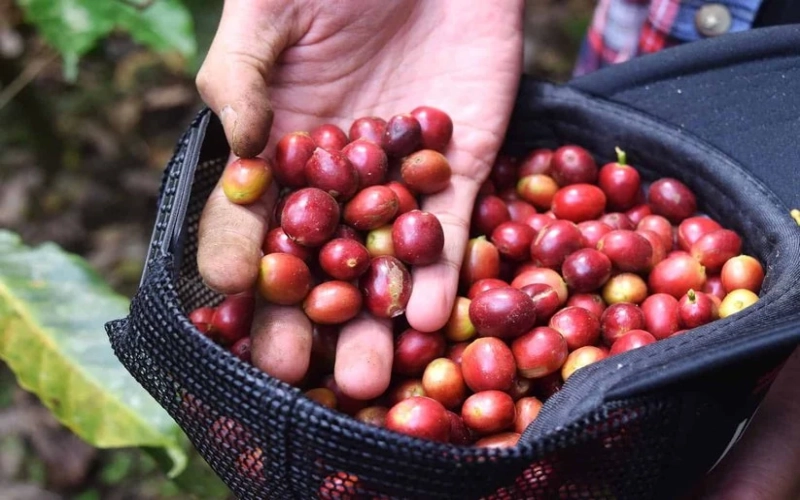
Flavor analysis of Indonesian West Java coffee beans: The honey processing method and cultivation history of the Jember variety
When it comes to Indonesian specialty coffee, most people first think of Sumatra. Yet coffee from West Java presents a completely different character—no heavy herbal and spicy notes, but instead a warm, gentle tropical fruit sweetness and acidity. This West Java bean, now available at Front Street Coffee, comes from the Arumanis Estate on Mount Malabar, and the variety is S795, known locally as Jember, processed using the honey method. This article will walk you through the terroir of the Java growing region, the winding history of coffee cultivation, the role of the ICCRI research institute, as well as the cupping performance of this bean and Front Street's brewing recommendations. [more…]
The Past and Present of Indonesian West Java Coffee Beans: Variety Tracing, Planting History, and Honey Processing Flavor Analysis
When it comes to Indonesian specialty coffee, most people first think of Sumatra's Mandheling. Yet in West Java, there is another coffee bean with a completely different style—it lacks herbal and spice notes, instead presenting a soft tropical fruit acidity. This article will guide you through the geography and climate of the West Java producing region, the cultivation history of Java coffee from the Dutch colonial period to the ICCRI research institute, the classification of major Arabica varieties, and the details of the S795 (Jember) variety and honey processing method. This honey-processed bean from the Arimani Estate, offered by Front Street Coffee, perfectly showcases the delicate aroma, soft acidity, and refined mouthfeel characteristic of the Java producing region. Brewing parameters and flavor descriptions are included at the end for coffee enthusiasts' reference. [more…]

The Origin Story, Flavor Characteristics, Best Producing Regions Worldwide, and Market Price Analysis of Kopi Luwak
Kopi Luwak, also known as civet coffee, is one of the most legendary coffees in the world. Its origin stems from the Indonesian civet's natural selection of ripe coffee cherries; after fermentation through the digestive system, the coffee beans undergo a remarkable flavor transformation, resulting in a mellow, round taste with greatly reduced bitterness and astringency. Due to differences between wild and farmed production methods, the quality of kopi luwak varies widely, and truly high-quality wild kopi luwak is scarce in supply and expensive in price. This article will guide you through the history, unique flavor, best origins, and market conditions of kopi luwak, while also reviewing the many health benefits of drinking coffee. Front Street Coffee will also recommend worthy specialty selections for you to try. [more…]
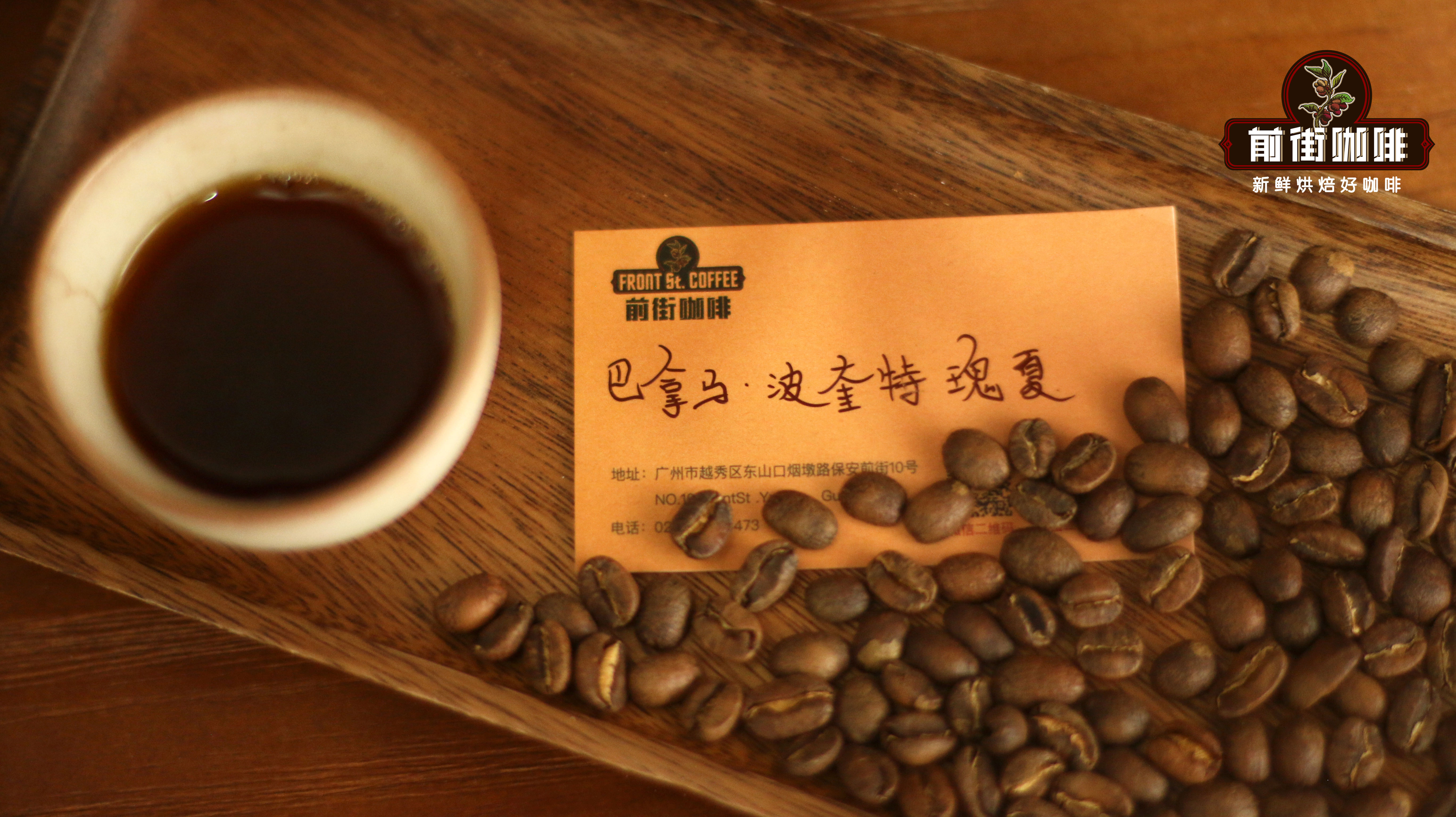
A Comprehensive Analysis of Yunnan Geisha Coffee Varieties: Cultivation Status and In-Depth Flavor Evaluation in the Baoshan and Pu'er Production Regions
In recent years, domestically grown Yunnan Geisha has gradually entered the specialty coffee market, with producing regions such as Baoshan, Pu'er, and Xishuangbanna successively introducing this legendary variety. Geisha originated in the Gesha forest of Ethiopia, then spread via Kenya and Tanzania to Costa Rica and Panama, rising to fame through its breakthrough performance at the 2004 BOP competition. Yunnan began trial-planting Geisha around 2011, mostly at altitudes between 1,300 and 1,800 meters, and due to soil and climatic conditions, its flavor profile shows a different tonality from that of Panama and Ethiopia. Starting from the origin and history of Geisha and the terroir characteristics of the two representative producing regions, Panama and Ethiopia, this article will systematically review the cultivation background, variety performance, and cupping flavors of Yunnan Geisha, and share Front Street Coffee's recommended tasting experience of Yunnan Baoshan Natural Geisha, helping coffee lovers gain a comprehensive understanding of the true quality level and flavor potential of domestic Geisha. [more…]

Can you still open a coffee shop during the pandemic? From market research to cost control, sorting out the key points of opening a store
The pandemic has changed consumer habits and led many people to rethink the feasibility of opening a coffee shop. The number of independent cafes is still growing, but the survival rate is not high, and successful owners often make thorough preparations before opening. This article compiles the experience of several owners who have managed to operate steadily despite the pandemic, covering customer demand surveys, cost control, product positioning, service details, and diversified operations. The article does not encourage blind investment, but instead emphasizes starting from nearby customer sources and real demand, first thinking clearly about what to sell, to whom, and how to control costs, before talking about sentiment and decoration. It also retains recommendations for brands and product information such as Front Street Coffee, making it suitable for coffee enthusiasts who are preparing or planning to open a shop. [more…]

Post-Pandemic Coffee Shop Business Strategy Analysis: Practical Rules from Passion to Profit
After the pandemic, the coffee industry has entered a new round of reshuffling, and many aspiring entrepreneurs are starting to think about how to open a successful coffee shop. However, a love for the aroma of coffee and a relaxed atmosphere is far from enough—running a café is essentially a business. This article systematically sorts out the core elements of successful coffee shop management, from market research, professional knowledge, and operating models to brand marketing, and combines DATA100's consumer trend data to analyze the behavioral changes of young consumer groups. At the same time, the article also explores the different development paths of internet-famous shops and specialty shops, emphasizes the importance of product quality and word-of-mouth, and mentions the practices of brands such as Front Street Coffee in the specialty field, providing practical and feasible ideas for readers who intend to open a shop. [more…]