







Search Results for: CATIE
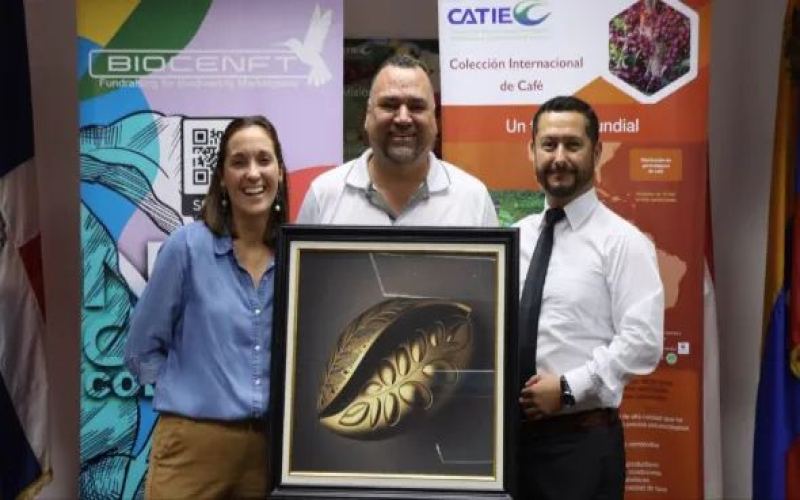
Costa Rica releases 12 coffee variety NFT artworks, with proceeds to be invested in coffee research and species conservation
The Specialty Coffee Association of Costa Rica (SCACR), in collaboration with the Tropical Agricultural Research and Higher Education Center (CATIE) and NFT marketing company BIOCENFT, has jointly issued 12 NFT digital artworks themed around coffee varieties. These works cover varieties such as Geisha, Wush-Wush, Mibirizi, and Java, and are divided into three tiers: Gold, Silver, and Standard, with prices ranging from US$20 to US$12,000. All proceeds from the sale will be used to support CATIE's international coffee collection, coffee breeding programs, and SCACR's daily operations. Under the framework of the global strategy for the conservation of coffee genetic resources, whether this cross-sector experiment can inject new vitality into Costa Rica's coffee industry is worth watching. [more…]
Panama Hacienda La Esmeralda Green-Tip Geisha Quality Analysis: From BOP Champion Flavor to Front Street Coffee Brewing Suggestions
Every year during green coffee competition season, the coffee world enjoys a wave of excitement, and the Best of Panama (BOP) is undoubtedly the stage that Geisha lovers watch most closely. Geisha was discovered in the forests of Ethiopia, then made its way to Costa Rica's CATIE where it was labeled T2722, and later blossomed in Panama—all after a long period of obscurity. In 2004, Hacienda La Esmeralda won the BOP championship with Geisha and set a new auction record, turning this variety into the center of everyone's attention. Panamanian Geisha is mainly the green-tip variety, with outstanding green bean grades and flavor performance far surpassing other producing regions. Front Street Coffee's bean list brings together Geisha from Ethiopia, Costa Rica, Colombia, and Panama, with Panamanian estates including Hacienda La Esmeralda and Finca Deborah. This article will take you through the variety's history, the terroir of its producing regions, and the specific brewing parameters for Front Street Coffee's Deborah Savage series, giving you a comprehensive understanding of the charm of Panamanian Geisha. [more…]
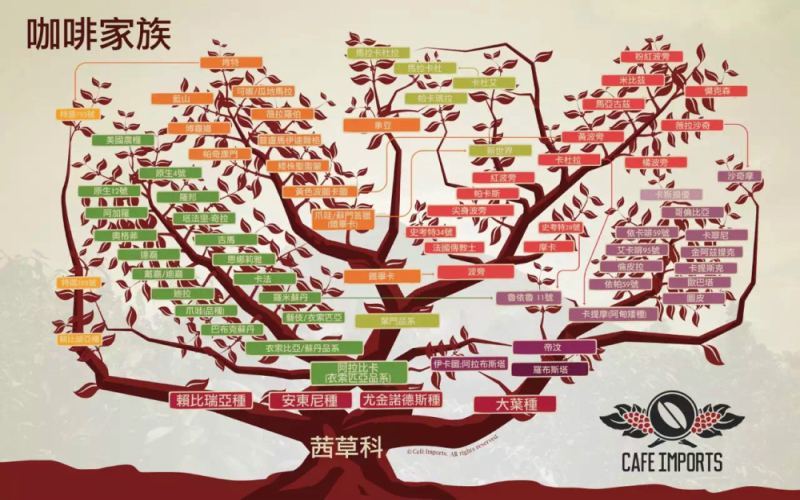
Geisha Coffee Variety Classification and Flavor Analysis: The Legendary Journey from Ethiopian Heirloom Varieties to Panama's Hacienda La Esmeralda
Geisha is a highly acclaimed top-tier variety in the coffee world, but which variety does it actually belong to? Is it Arabica? What makes its flavor and mouthfeel so unique? How does its acidity perform? This article traces Geisha's legendary journey from its discovery in the forests of the Gesha region of Ethiopia in 1931, through Kenya, Costa Rica's CATIE, and finally to its spectacular rise at Hacienda La Esmeralda in Panama. It also compares the differences in bean appearance and flavor between Panamanian Geisha and Ethiopian Geisha, and shares Front Street Coffee's brewing reviews of Hacienda La Esmeralda's Red Label and Gesha Village's Gold Label, offering you a comprehensive understanding of this fascinating variety. [more…]
A brief description of the development history of Panama coffee bean cultivation.
Panama coffee is highly renowned in the global coffee market. At the end of the 19th century, when European immigrants settled in Panama, they brought coffee to Panama; the first area where these immigrants grew coffee was the province of Chiriquí. T [more…]
A Comprehensive Analysis of Costa Rican Coffee: From Introduction History to Eight Major Producing Regions and the Variety Classification System
Although Costa Rica is often jokingly referred to as a homophone of "Godzilla," it is a pivotal specialty coffee-producing country in Central America. Since the first coffee seedling was introduced from Cuba in 1729, this country has been inextricably linked with coffee. High altitudes, microclimates, and fertile volcanic soil provide exceptional growing conditions for Arabica. From government tax incentives encouraging cultivation, to legislation limiting production to Arabica only, to institutions like ICAFE and CATIE promoting quality improvement, Costa Rica has pursued a path of quality supremacy in coffee. This article will guide you through its introduction history, the terroir differences of its eight major producing regions, its main cultivated varieties, and its altitude-based grading system, along with Front Street Coffee's brewing recommendations. [more…]
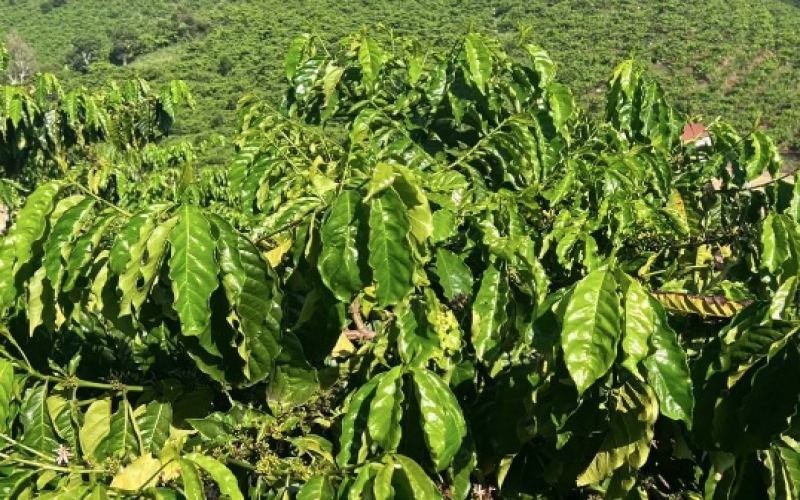
Why do some origin places only produce a fixed number of coffee varieties?
At present, some coffee-producing countries basically only produce a few fixed coffee varieties, such as Brazil mainly produces Bourbon, and Jamaican Blue Mountain mainly produces Typica, etc. In fact, in many cases, it is due to the spread of coffee [more…]

Panama Geisha coffee has outstanding flavor but a high price? A full analysis from variety origins to Front Street Coffee brewing parameters.
Geisha coffee is widely recognized as a star variety in specialty coffee, conquering countless coffee lovers with its intense floral aroma and citrus and berry notes. But with prices often reaching hundreds or even thousands of dollars per pound, it also makes people wonder: why is Geisha so expensive? This article begins with Geisha's discovery in Ethiopia, tracing how it made its way through CATIE to Panama, was discovered by the Peterson family of Hacienda La Esmeralda, and won first place in one fell swoop. It then analyzes the terroir advantages of the Boquete production region, Hacienda La Esmeralda's red, green, and blue label grading system, and the specific brewing parameters and flavor performance of Front Street Coffee's Emerald Red Label Natural Geisha, helping readers fully understand this variety's value and charm. [more…]
Why Is Panama Geisha So Expensive? A Full Analysis of Hacienda La Esmeralda Geisha Coffee's Variety Origins and Plots
Today, as the specialty coffee wave sweeps the globe, Geisha has long become synonymous with high-end coffee, and Hacienda La Esmeralda in Panama is the core driving force behind this legendary variety. From the T2722 seedlings introduced from CATIE in the 1960s, to the stunning breakthrough at the 2004 BOP, to the establishment of grading systems such as Red Label and Green Label, Hacienda La Esmeralda spent decades elevating Geisha to iconic status. This article will systematically review Geisha's varietal characteristics, Hacienda La Esmeralda's three major Geisha-growing plots, the microclimate differences among the farms, and the flavor distinctions between Red Label and Green Label, along with a hands-on comparison from Front Street Coffee, to help coffee enthusiasts understand why this cup of coffee, as elegant as floral-fruity tea, is so precious. [more…]
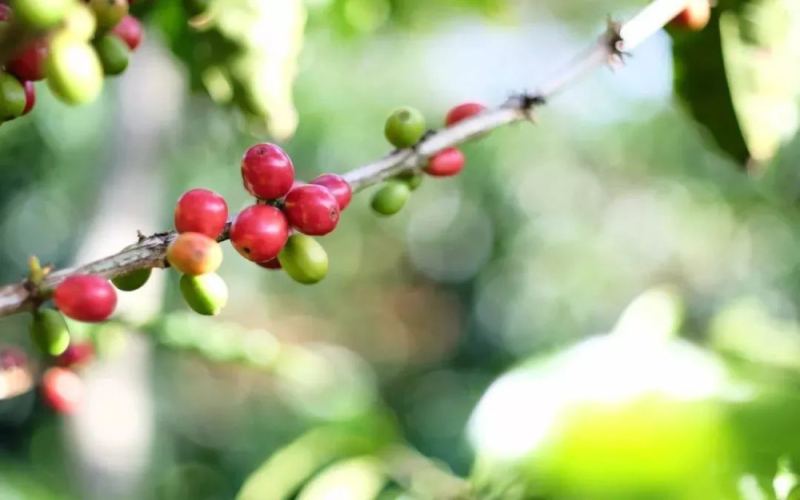
What exactly does the coffee variety F1 refer to? Analyzing the breeding process of the first filial generation and its representative bean varieties.
In the naming of coffee varieties, combinations of letters and numbers are not uncommon, but F1 is not a single variety—it is a collective term for a class of hybrid progeny. It originated from a breeding program promoted jointly by the French Agricultural Research Centre for International Development and the Coffee Institute of Costa Rica, among other institutions, after the major leaf rust outbreak of the 1970s, aimed at cultivating a new generation of coffee that is high-yielding, disease-resistant, and excellent in flavor. Although F1 varieties possess many advantages, they are also difficult to promote on a large scale due to the difficulty of propagation and high costs. This article will guide you through the background of F1's creation, its selection process, its main characteristics, and important commercialized representatives such as H1 and Ruiru 11, while combining recommendations from Front Street Coffee to present this innovative achievement in the field of coffee breeding. [more…]
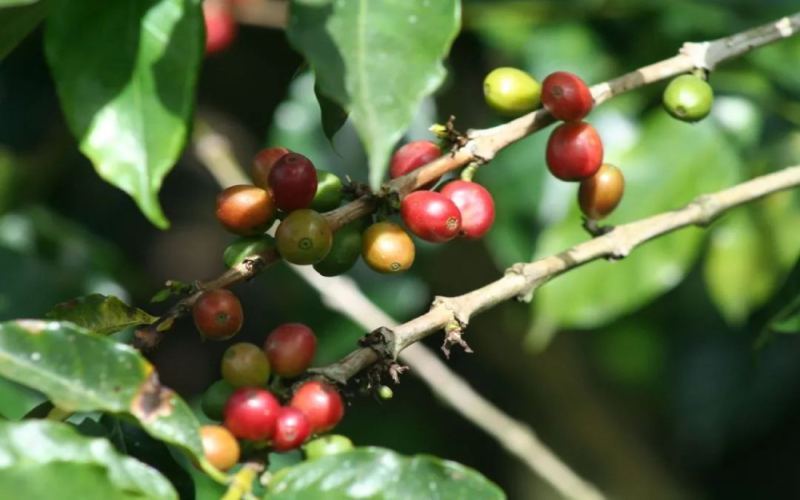
Detailed Guide to Costa Rica Tarrazú Region Canet Estate Musician Series Bach Coffee Beans
Costa Rica is an important representative of coffee cultivation in Central America, and the Tarrazú region is the country's highest-altitude and largest-producing star origin. In the town of San Marcos in Tarrazú, Canet Estate is famous for its Musician Series coffee beans, among which the Bach coffee beans use raisin honey processing and the F1 variety, offering rich and full flavor layers. This article will guide you through Costa Rica's coffee-growing environment, the unique advantages of the Tarrazú region, the origins of Canet Estate's Musician Series, and the breeding background and flavor performance of the F1 variety, as well as introduce the brewing experience of the Bach coffee beans recommended by Front Street Coffee. [more…]
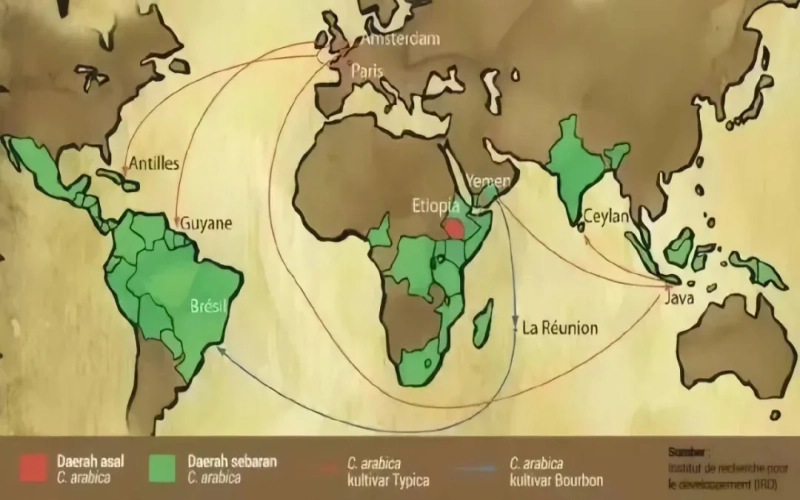
Why Do Coffee-Producing Countries Stick to Certain Varieties for So Long? A Panoramic Analysis from the History of Leaf Rust to Laboratory Breeding
When you shop for coffee beans, have you ever noticed that certain origins always seem to grow just a few fixed varieties? Brazil, for instance, is dominated by Bourbon, while Jamaica Blue Mountain is inseparable from Typica. Behind this lies both the logic of variety dissemination and natural adaptation, as well as a chapter of coffee history rewritten by leaf rust. That devastating disease at the end of the 19th century forced many producing countries to turn to research on disease-resistant new varieties, leading to the establishment of national coffee research institutes. This article will walk you through the origins and development of common laboratory varieties such as Catuai, SL28, SL34, Ruiru 11, and H1, and how they became the mainstays of today's producing regions. It will also mention related beans selected by Front Street Coffee, offering you a practical buying reference. [more…]
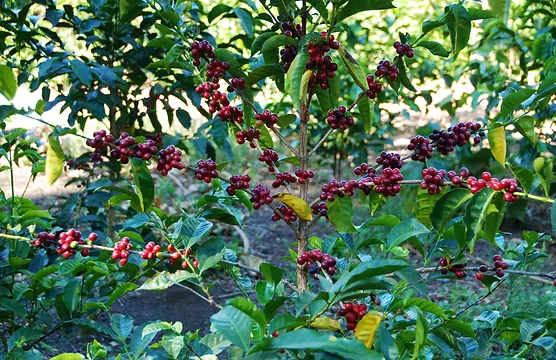
Panama Geisha | How is the quality of Hacienda La Esmeralda Green Tip Geisha coffee beans? What are the flavor characteristics of Panama BOP champion Geisha?
Every year, when the green coffee bean competition season arrives, the coffee community starts to get excited. Rubbing their hands in anticipation, they wait for the latest results, then immediately look for opportunities to taste the beans on the list. Besides classic regions like Ethiopia and Brazil, a new rising star region has emerged in recent years. Because of Panama's Geisha [more…]
Panama Geisha Flavor Analysis and Hacienda La Esmeralda Red Label Pour-Over & French Press Brewing Guide
Geisha coffee has won over countless coffee lovers with its signature floral aroma and juicy mouthfeel, and the Red Label Geisha from Panama's Hacienda La Esmeralda stands out as the cream of the crop. This article begins with the historical origins of the Geisha variety, tracing its journey from the forests of Ethiopia to the Boquete estates of Panama, and explores how Hacienda La Esmeralda discovered and popularized this legendary flavor. At the same time, Front Street Coffee will share a complete brewing recipe for Hacienda La Esmeralda's Red Label Geisha, covering both the V60 pour-over and French press methods, so you can recreate at home that clean cup with white florals, berry-like sweetness and acidity, and honeyed sweetness. [more…]
Why Is Panama Geisha Coffee So Expensive? A Comprehensive Analysis of Flavor Characteristics and Brewing Parameters
Geisha coffee is an extremely talked-about variety in the specialty coffee world, with the Geisha produced by Panama's Hacienda La Esmeralda being the most classic of all. From being recorded in Ethiopia in 1931 to Hacienda La Esmeralda in Panama making its name overnight at the BOP competition, Geisha has traveled a long road of turnaround. This article sorts out the variety's spread and its rise to fame, compares the flavor differences between Panamanian Geisha and Ethiopian Geisha, and introduces Hacienda La Esmeralda's Red Label and Green Label grading system as well as brewing suggestions and specific parameters for Green Label Geisha, helping coffee lovers understand why a single cup is so hard to come by. [more…]
How Much Does Geisha Coffee Cost? The Origins, Flavor, and Aroma of the Authentic Geisha Variety Explained
Geisha coffee is also known in China as "艺伎咖啡" (Geisha coffee), and is a member of the Ethiopian strain within the Arabica family, originally from Africa. Although it originated in Ethiopia, it rose to fame in Panama. Interestingly, the Geisha grown today in Panama and Central and South America is actually a different variety from the native Geisha of Ethiopia. Through comparison, Front Street Coffee has found that the two differ noticeably in flavor expression. This article will take you through the history of Geisha's discovery, analyze the varietal relationship between the two major producing regions, and introduce in detail the various Geisha coffee beans currently sold by Front Street Coffee along with their flavor characteristics, providing coffee lovers with a complete guide to Geisha knowledge. [more…]
Tracing the Origins of the Geisha Coffee Variety: Flavor Differences and Genetic Lineage Between Ethiopian Native Gesha and Panamanian Geisha
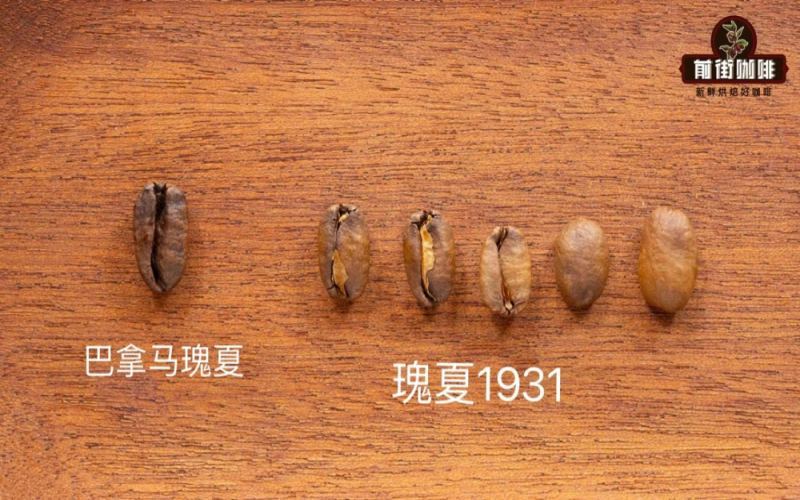
Although Geisha coffee originated in Ethiopia, it rose to world fame in Panama. What many people do not know is that the Geisha grown in Central America today and the native Geisha of Ethiopia are actually two different varieties, a fact hinted at by the difference in spelling between Gesha and Geisha. Through comparison, Front Street Coffee found that Panamanian Geisha is known for its refined fruit acidity, floral aroma, and tea-like body, while native Ethiopian Gesha presents notes of citrus, almond, and tea, with slightly less complexity. This article traces Geisha's century-long journey from being collected in the Kaffa forest to achieving fame in Panama, sorts out the genetic relationship between T2722 and Gesha1931, and introduces the flavor characteristics of the Ethiopian Gesha Village and Panamanian Hacienda La Esmeralda series Geisha coffee beans currently sold by Front Street Coffee. [more…]
Unraveling the Origins of the BOP Champion Geisha: The Varietal Legend from Ethiopia's Gesha Forest to Panama's T2722
Geisha is the most renowned specialty coffee variety after Blue Mountain, and it is also the priciest signature treasure of many cafés. Yet beans sold under the Geisha name can differ wildly in flavor. This article begins with the 2004 BOP competition, tracing Geisha's complete journey from the Gesha forest in Ethiopia to Kenya, Tanzania, and Costa Rica, before it finally shone at Hacienda La Esmeralda in Panama. It explains the origin of the key designation T2722 and answers why Geisha from Ethiopia and Costa Rica tastes noticeably different from Panama's. Front Street Coffee helps you understand the varietal truth behind sky-high Geisha in one article. [more…]
Gesha Village Gold Label Geisha Pour-Over Guide: A Full Breakdown of Grind Size, Water Temperature, and Extraction Time
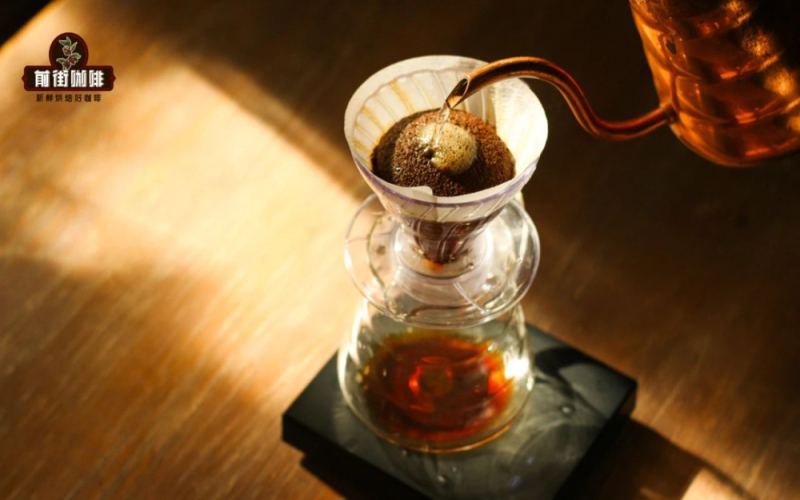
Geisha Village's Gold Label Geisha has always been a treasure coveted by coffee lovers, but do you know exactly how it differs from Hacienda La Esmeralda's Red Label? This article starts with the "label color" confusion that Front Street baristas are often asked about, systematically sorting out Geisha Village's geographical background, the varietal origin and grade classification of Gold Label Geisha, and includes the brewing parameters for the Gold Label Geisha from the Oma plot that Front Street purchased—including grind size, water temperature, coffee-to-water ratio, and the three-pour rhythm—to help you steadily extract the complete flavor of this rare bean. [more…]
Ethiopia Gesha Village Gold Label Gesha: A Full Analysis of the Grades and Varieties of Gold Label Batch Geisha Beans
Geisha coffee is often classified in China by terms such as Red Label, Gold Label, and Green Label, but what exactly do these "labels" represent? What are the similarities and differences between the labeling systems of Gesha Village and Hacienda La Esmeralda? Starting from the common questions at Front Street Coffee's stores, this article systematically sorts out the naming logic of Gold Label Geisha, the geographical and varietal background of Gesha Village, and the grade positioning of Gold Label lots. It also explains in detail the relationship between Geisha 1931 and Panama Geisha, and includes the origin information and brewing suggestions for Front Street Coffee's Gold Label Geisha, helping coffee enthusiasts fully understand the origins and development of this rare treasure. [more…]
A Detailed Analysis of Gesha Village Gold Label Geisha: From Grade Markings to the Flavor Origins of Variety 1931
In the world of specialty coffee, Gesha Village's "Gold Label" often leaves enthusiasts both longing and confused—what exactly is the difference between it and Hacienda La Esmeralda's Red Label? And why is Gesha Village able to produce such expensive coffee? This article will begin with the Chinese-language context of "label" naming, sorting out the English product names and grading logic behind labels such as Gold Label, Red Label, and Green Label, then take a deeper look at Gesha Village's geographical location, growing conditions, and variety selection history, and break down in detail the variety origin, plot management, and cupping performance of Gold Label Gesha. Finally, Front Street Coffee will share a complete brewing recipe for a Gold Label Gesha to help you extract the rich layers of this rare treasure at home. [more…]