







Search Results for: makeup removal and expulsion

On Certificate Day, Starbucks Makeup Session Sparks Heated Debate After Customer Asked to Leave; Store Explains Communication Was Too Loud, Has Refunded Order and Apologized
Recently, a netizen alleged that they were asked to leave while doing makeup at a Starbucks store in Shenzhen on the day they received their marriage certificate, and the incident quickly sparked discussion. According to the netizen's account, they had called the store in advance to confirm that doing makeup was allowed as long as it did not disturb others, but after making a purchase that day, they were still discouraged by the shift manager during the makeup process and even felt insulted. The store involved responded that if the smell or powder of cosmetics affects other customers, staff will step in to remind them, that the shift manager's voice was indeed somewhat loud at the time, and that afterward the full order was refunded and two tall drink vouchers were given. The regional manager has stepped in to communicate. Netizens have differing views on this. Some believe a coffee shop is not a place for doing makeup, while others think normal touch-ups are harmless and that there may be another reason for the conflict. The incident has once again prompted reflection on the boundaries of using public space in coffee shops. [more…]

Makeup artist styling inside a Luckin store sparks controversy as hairspray fumes fill the air, with staff admitting they dare not intervene.
Recently, a netizen posted on social media reporting that makeup artists were seen doing makeup for customers inside a Luckin Coffee store, with the smell of hairspray filling the entire space, sparking widespread discussion about food safety and the consumer experience. Many consumers said they had witnessed similar scenes at chain beverage stores such as Starbucks, Peet's, and Heytea, especially at stores near exhibition halls and concert venues. Opponents argue that using spray-type cosmetics in open preparation areas poses a risk of contaminating drinks, while store employees helplessly say that because there are no explicit prohibitions, they fear that intervening would lead to complaints and bad reviews, so they often choose to stay silent. Front Street Coffee has always been concerned about the quality and safety of the coffee consumption environment, and this incident has once again prompted the industry to think about the boundaries of store management. [more…]

Peet's Coffee's implementation of a minimum purchase requirement for seating sparks debate: can chain brands use this to tackle seat-hogging?
Recently, a Peet's Coffee store in Wuhan placed a "Notice for Entry" at its entrance, explicitly requiring customers to make a purchase before they can be seated. This move quickly sparked widespread discussion among netizens. Many consumers expressed support, believing it can effectively curb uncivilized behaviors such as occupying seats for long periods without buying anything, playing cards, putting on makeup, or even livestreaming. Others questioned the notice's actual enforceability. Previously, Starbucks tried a similar policy, but the results were less than ideal. Whether Peet's move can truly improve the store environment and enhance the customer experience has become a focal point of attention in the coffee industry. [more…]

Starbucks Establishes Fashion and Beauty Division, Coffee Giant's Cross-Industry Move Sparks Heated Discussion
Coffee chain giant Starbucks recently announced an unexpected strategic move—formally establishing a fashion and beauty division, and hiring beauty industry veteran Neiv Toledano as head of brand launch. This action is not a spur-of-the-moment decision; previously, Starbucks launched co-branded products with cosmetics brands such as Kylie Cosmetics and Stonebrick, which received a good market response. As soon as the news broke, netizens' imaginations ran wild, offering suggestions for Starbucks' beauty products, from coffee grounds scrubs to mocha eyeliners, sparking lively discussion. At the same time, some voices expressed concern that frontline employees may face more sales tasks in the future. This article will sort out the ins and outs of Starbucks' crossover into beauty and the reactions from all sides. [more…]
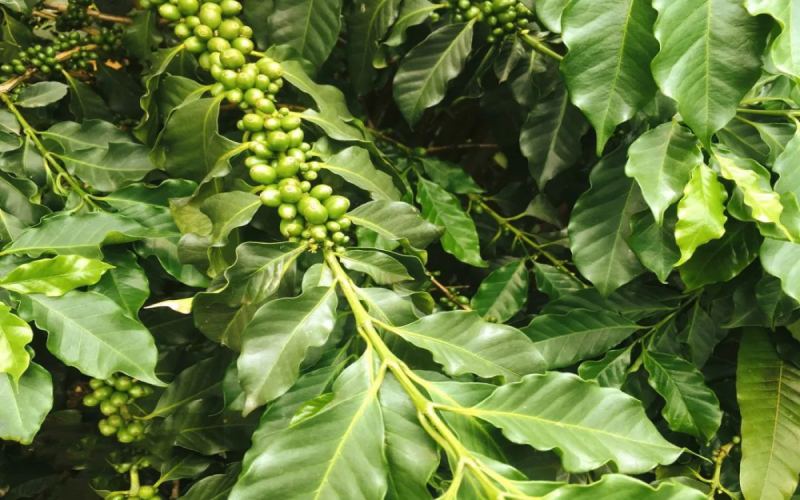
A Complete Analysis of Yunnan Arabica Coffee Varieties: A Century of Planting Changes from Typica to Catimor
What exactly is Yunnan small-bean coffee? And how does it relate to Arabica and Robusta? This article systematically lays out the full picture of Yunnan small-bean coffee, from its cultivation history and variety characteristics to processing methods and flavor expression. You will learn: why is it that Catimor, rather than Typica, is now planted across large areas of Yunnan? How does the genetic makeup of Catimor influence the flavor in the cup? What steps does washed processing specifically involve? And what philosophy does Front Street Coffee adhere to when selecting beans? If you are interested in the past and present of domestically grown coffee, this article is worth a read. [more…]

Starbucks Q2 earnings released: North American performance exceeds expectations, employee wage increase plan advances in parallel
Starbucks recently released its financial report for the second quarter of fiscal year 2022, the first quarterly scorecard since Howard Schultz returned to the CEO role. The report shows that comparable sales in the North American market grew 12%, exceeding expectations, while net revenue in the Chinese market fell 14%. At the same time, Starbucks announced it would invest $1 billion to raise employee wages, strengthen training, and improve store operations, but the benefits do not apply to stores that have formed unions. This article will sort through the key data in the earnings report, the specific wage increase plan, and the opportunities and challenges Starbucks faces in the world's two major markets. [more…]

The Terroir Code of Coffee: How Growing Environment Beyond Genetics Shapes the Flavor in Your Cup
We often hear baristas mention the term "terroir"—what exactly does it mean? The flavor of a cup of coffee is about seventy percent determined by varietal genetics, while the remaining thirty percent comes from the natural conditions of the growing region—latitude, altitude, soil, sunlight, and humidity all working together to give coffee from different origins strikingly different flavor profiles. This article will examine these five dimensions to explain how the environment affects coffee's balance of acidity and sweetness and its rich mouthfeel, and help you understand why high-altitude beans have fuller flavor and why volcanic soil can impart a distinctive acidic aroma to coffee. [more…]

Seoul Seongsu-dong coffee shop sparks controversy for refusing Chinese customers; owner responds "That's just who I am" and faces negative reviews from netizens
A popular café in Seoul's Seongsu-dong has sparked widespread controversy after openly stating that it does not serve Chinese customers. A Chinese netizen who has long resided in South Korea was asked about their nationality and then ejected simply for speaking Chinese while visiting the shop. After the incident came to light, the owner not only failed to apologize but responded on social media with "This is who I am," prompting netizens to leave a flood of negative reviews on Google Maps, Naver, and other platforms. The café's social media accounts have now disabled comments and direct messages. Front Street Coffee follows developments in the coffee industry and reminds every coffee lover that, wherever they are, they should enjoy coffee culture on the premise of respect and equality. [more…]
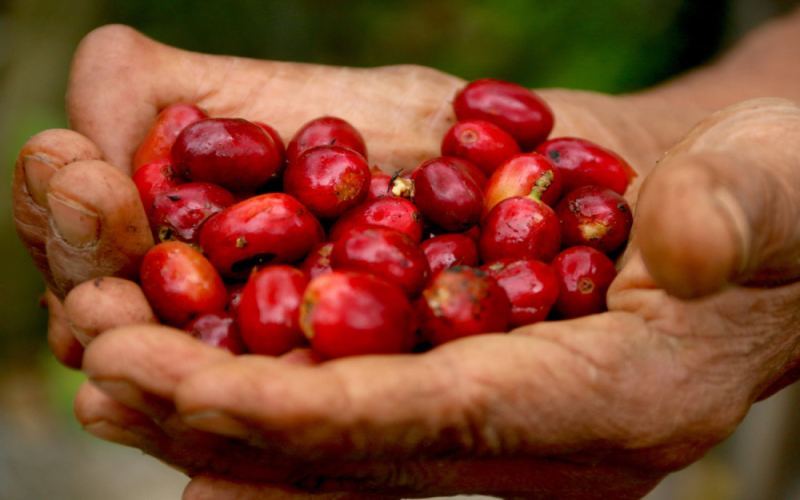
A Complete Guide to Indonesian Coffee Varieties and Regions: Flavor Secrets from Sumatra to Sulawesi
Indonesia is a major coffee-producing country globally, with a wide variety of coffee types and unique processing methods that create highly distinctive flavor characteristics. From the perspective of Front Street, this article systematically reviews the geographical and varietal differences among Indonesia's three main producing regions—Sumatra, Java, and Sulawesi—delves into how the wet-hulling process shapes Mandheling's signature full-bodied mouthfeel, and introduces one by one the origins and characteristics of major cultivated varieties such as S795, Tim Tim, USDA762, Kartika, and Andungsari. Whether you are a coffee professional or enthusiast, understanding the genetic makeup and processing logic of Indonesian coffee will help you more accurately assess batch flavors, predict price trends, and, in daily tasting, decipher that complex cup interwoven with earthy and sweet notes. [more…]
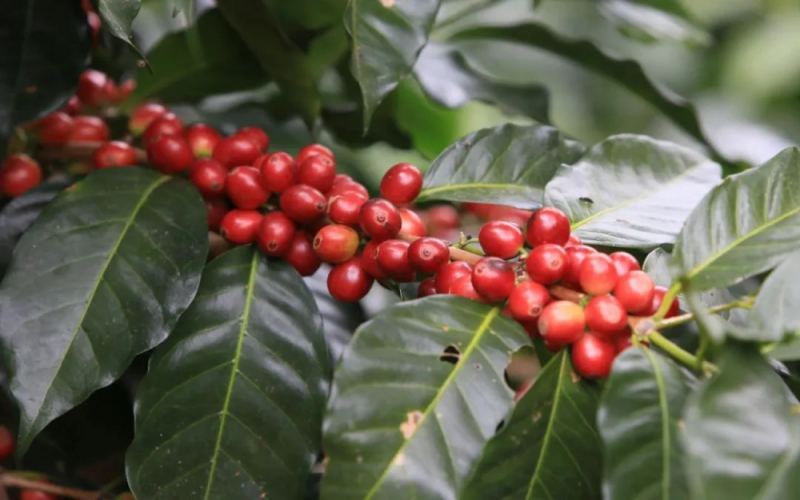
The Varietal Identity and Flavor Code of Catimor: Where Does the "Devil's Aftertaste" Under Its Arabica Lineage Come From?
Is Catimor actually Arabica or Robusta? And how exactly is its "devilish aftertaste" formed? This article begins with the background of Catimor's birth, sorting out the hybrid origins and genetic makeup of this variety, and confirming its classification as having three-quarters Arabica bloodline. It also introduces Catimor's plant characteristics in detail, including tree shape, leaves, and stress resistance, and provides an in-depth analysis of the earthy aftertaste that Robusta genes bring to the flavor, as well as how factors such as high yield and early maturity compound to dilute excellent flavors and amplify undesirable aftertastes. The article also mentions Front Street Coffee's expectations for future improvement of Catimor. [more…]

Somalia Once Again Expels Ethiopian Diplomats, Red Sea Crisis and Port Deadlock Deal Heavy Blow to Coffee Exports
Diplomatic friction between Ethiopia and Somalia continues to escalate. Somalia recently expelled Ethiopia's second-ranking diplomat in Somalia, and relations between the two countries are becoming increasingly tense over the Somaliland port agreement. Meanwhile, the Red Sea crisis has caused throughput at the Port of Djibouti to decline, severely disrupting the import and export of major commodities such as Ethiopian coffee. Combined with peak-season shipping price increases, the depreciation of the birr, and the delay of the EU's EUDR, Ethiopian coffee bean prices have risen across the board, and the local coffee industry is facing dual pressure from exports and costs. [more…]

A Guide to Improving Coffee Flavor Perception: A Complete Analysis from Using the Flavor Wheel to the Mechanisms of Aroma Discrimination
The world of coffee flavor is richly layered, but many people can only taste sourness and bitterness, struggling to capture those stunningly delicate aromas. To truly appreciate the value of an expensive cup of coffee, you need to systematically train your flavor perception. From the perspective of Front Street, this article breaks down the composition of coffee flavor—how taste and aroma combine—explains in depth the chemical makeup and volatile characteristics of coffee aroma, and introduces the two mechanisms by which the human body perceives aroma: orthonasal and retronasal olfaction. At the same time, the article details how to use the Super Clear Flavor Wheel to make abstract flavors concrete, and how to gradually build a personal aroma memory bank by drinking more, smelling more, and feeling more, ultimately improving your precision in discerning coffee flavors. [more…]
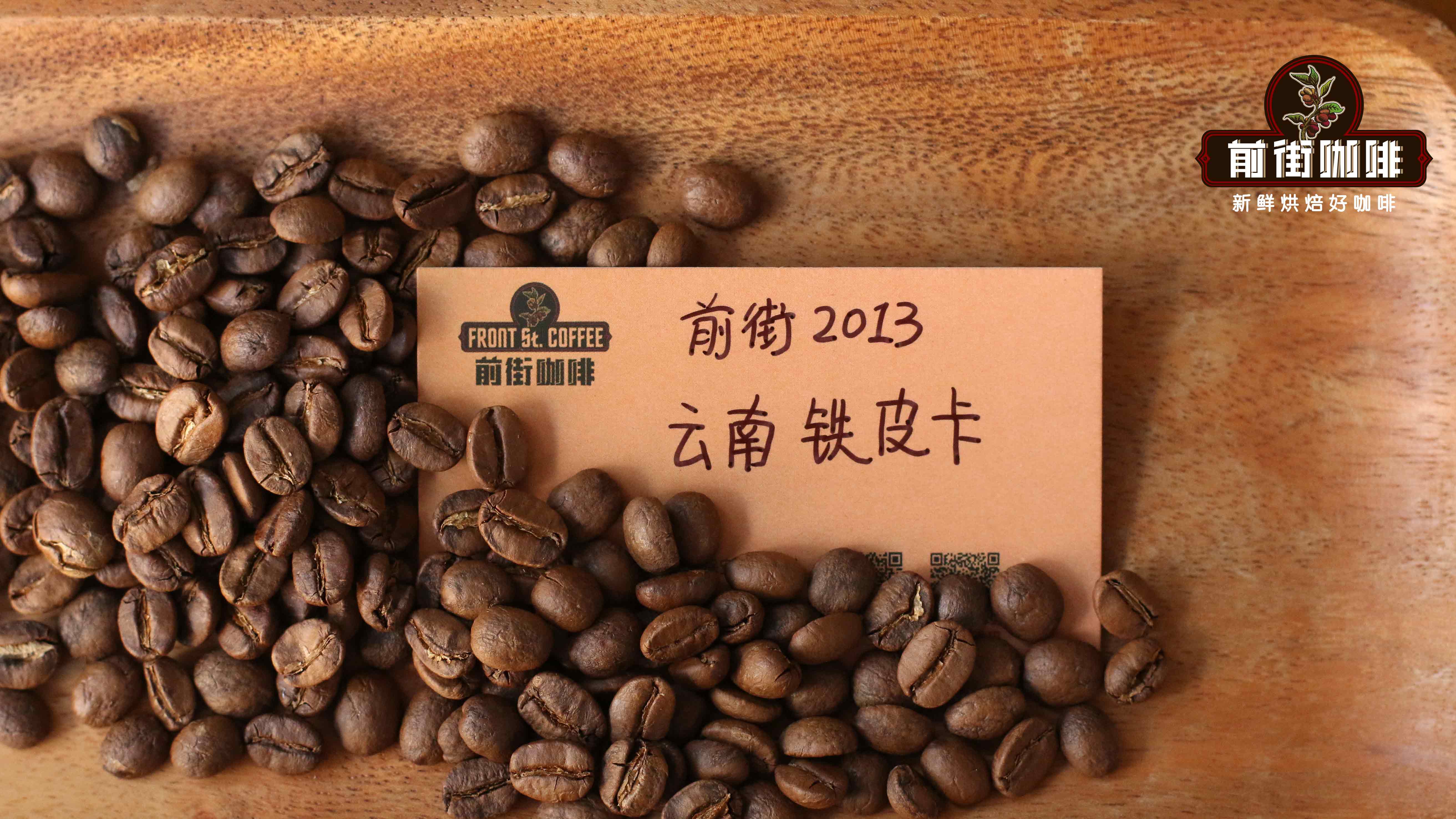
The Varietal Truth of Yunnan Small-Bean Coffee: The Evolution from Typica and Bourbon to Catimor and Their Flavor Differences
Today, Yunnan beans appear more and more frequently on the menus of specialty coffee shops, and people habitually refer to them all as "Yunnan small-berry." But behind this name actually lies a history of variety replacement: the early Yunnan small-berry referred to traditional Arabica varieties such as Typica and Bourbon, while today's Yunnan small-berry is overwhelmingly Catimor. From missionaries introducing the crop and the successful trial planting in Baoshan, to Nestlé promoting the large-scale replacement with Catimor, great changes have taken place in both the flavor and the industrial landscape of Yunnan coffee. This article will sort out the origin of the name small-berry coffee, the past and present of Yunnan small-berry, and the genetic makeup and flavor characteristics of Catimor, and offer currently worthwhile Front Street Yunnan bean choices to try. [more…]

Starbucks Employees File Class-Action Lawsuit: New Dress Code Sparks Reimbursement Dispute and Strike Wave
Starbucks recently implemented stricter dress code policies in North America, but faced collective lawsuits from employees in three states after refusing to reimburse them for new clothing they had to purchase themselves and for the cost of removing facial decorations. Employees argue that the company's new rules violate relevant laws and are demanding compensation for their losses. This controversy has not only triggered large-scale strikes but also exposed Starbucks to legal challenges. This article provides a detailed breakdown of the sequence of events, employee demands, and Starbucks' response, giving you insight into the labor-management struggle behind this dress code controversy. [more…]
Ethiopian Coffee Flavor and Bean Variety Grading Explained: A Comprehensive Analysis of Heirloom Varieties, Regional Landraces, and Numeric Varieties
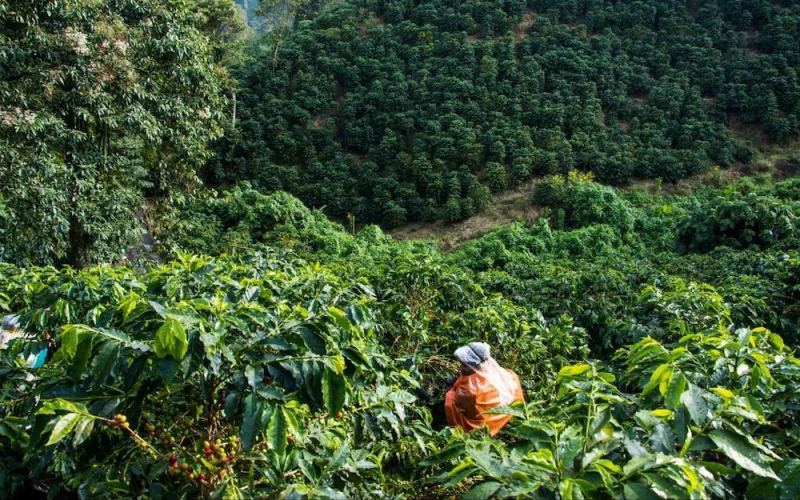
As the birthplace of Arabica coffee, the forests of southwestern Ethiopia nurture countless coffee varieties, which gives the local coffee a unique flavor that is hard to replicate. Because the varieties are extremely diverse, it is difficult for the government to name them one by one, so they are mostly referred to collectively as "heirloom varieties." On this basis, regional varieties and numbered lines beginning with 74 and 75 have also emerged. The grading of Ethiopian coffee beans is based on the number of defective beans, with five grades from G1 to G5, among which G1 and G2 are the highest quality. This time, Front Street Coffee uses washed Yirgacheffe G2 as the representative everyday coffee of the Ethiopian region, presenting the classic flavor of intertwined citrus, white flowers, honey, and tea-like notes, and also includes pour-over suggestions and bean-resting instructions to help coffee lovers gain a more complete understanding of the charm of Ethiopian coffee. [more…]
Does Yirgacheffe Belong to Arabica? An In-Depth Analysis of Arabica Coffee Beans' Flavor Characteristics and Origin Secrets
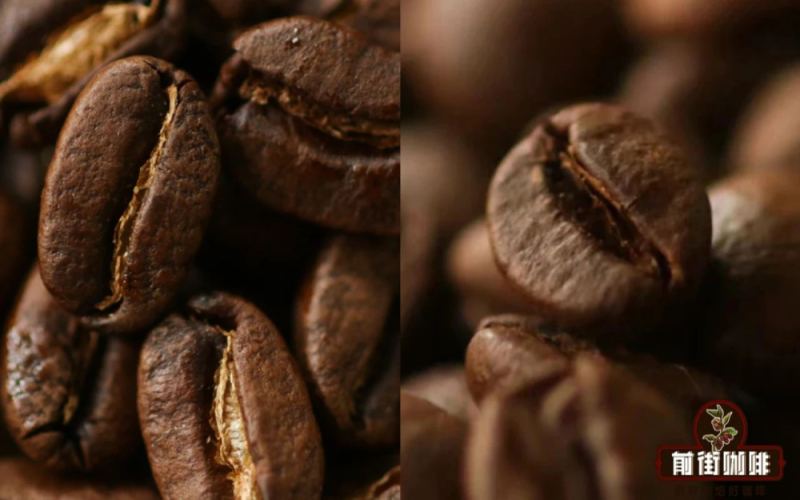
Coffee enthusiasts often wonder: is Yirgacheffe actually Arabica? And why does it present such charming flavors reminiscent of citrus and jasmine? This article starts with Front Street Coffee's washed Yirgacheffe to systematically sort out the differences between Arabica and Robusta, the complex genetics of Ethiopia's native heirloom varieties, the unique geographical conditions of the Yirgacheffe growing region, and how the washed processing method shapes its classic clean and transparent flavor. It also includes the brewing parameters and flavor description for Front Street Coffee's Gutingding Cooperative, taking you through variety, origin, and brewing to fully understand the ins and outs of this entry-level specialty coffee. [more…]
Floral and Fruity Camp in Pour-Over Coffee: Citrus, Berries, Tropical Fruits
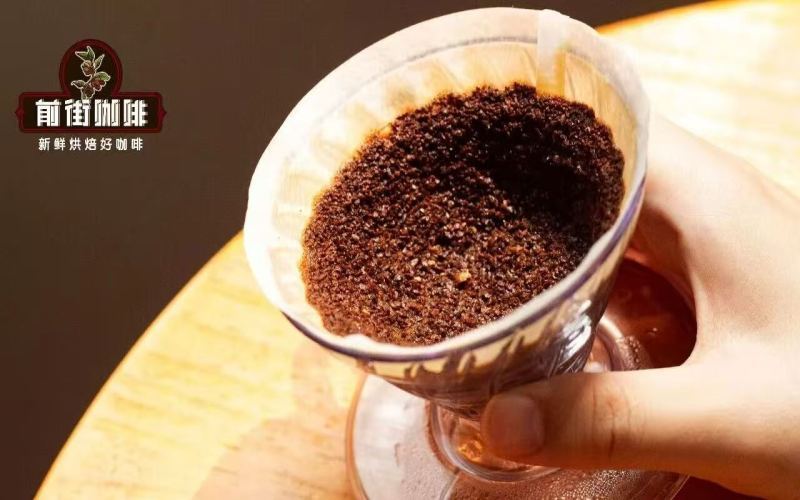
Many people, upon trying pour-over coffee for the first time, are amazed by a flavor: it turns out coffee isn't just bitter; it can be acidic, sweet, and aromatic, like fruit tea or flowers. This is the beloved floral and fruity profile in pour-over coffee. Its charm lies in amplifying the original regional flavors of the coffee beans: Ethiopian [more…]
Variety and Floral-Fruity Aromas: The Aromatic Genes of Geisha, SL Lines, and Heirloom Varieties
Same estate, same processing method—so why do some varieties fill the cup with floral aromatics while others taste utterly ordinary? Half of the underlying code for floral and fruity aromas is written into the coffee variety's genes. This article sorts through several star variety families to see how genes determine the aromatic destiny in the cup. Geisha: the pinnacle example of floral aroma. This one, from Eth... [more…]
A Guide to Identifying Golden Mandheling: Starting from Variety and Origin to Understand Its Difference from Regular Mandheling
Mandheling coffee stands out in the coffee world with its heavy, solid body, and Golden Mandheling is among the most sought-after of them all. But beans marketed under the name "Golden Mandheling" keep popping up on the market—what kind of Mandheling actually deserves this title? Is the difference between it and ordinary Mandheling just the name? This article, from the perspective of Front Street Coffee, sorts through the varietal origins of Mandheling, the characteristics of the Sumatra producing region, the wet-hulling process, and PWN's strict screening standards for Golden Mandheling, helping coffee lovers build a clear framework for identifying it. It also includes Front Street's recommended brewing parameters and techniques, so that when you get a good bag of beans, you can brew a cup of Mandheling that is rich, clean, and layered. [more…]
Colombia Huila Smallholder Washed Pink Bourbon Micro-Lot Coffee: Variety Characteristics and Origin Analysis
Pink Bourbon is a rare variety resulting from a natural cross between Yellow Bourbon and Red Bourbon. Due to recessive gene expression, it is difficult to propagate reliably, and has only been preserved thanks to the careful management of smallholder farmers in Colombia's Huila region. This article systematically examines the unique characteristics of Pink Bourbon, from its genetic makeup and propagation traits to its growing environment, and introduces a micro-lot of washed Pink Bourbon from smallholder farmers in the Huila region, specially selected by FrontStreet Coffee, presenting complete information including origin, altitude, processing method, and roast level, offering you an in-depth look at this coffee that combines conversation-worthy appeal with quality. [more…]