







How does the new dress code affect Starbucks specialty coffee staff?
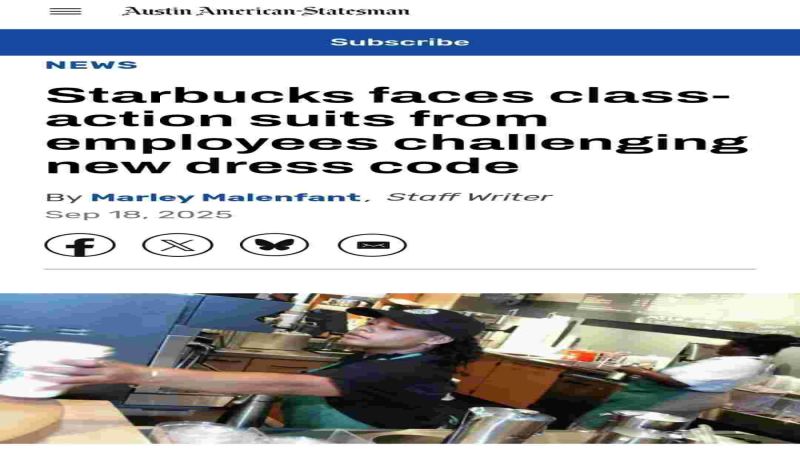
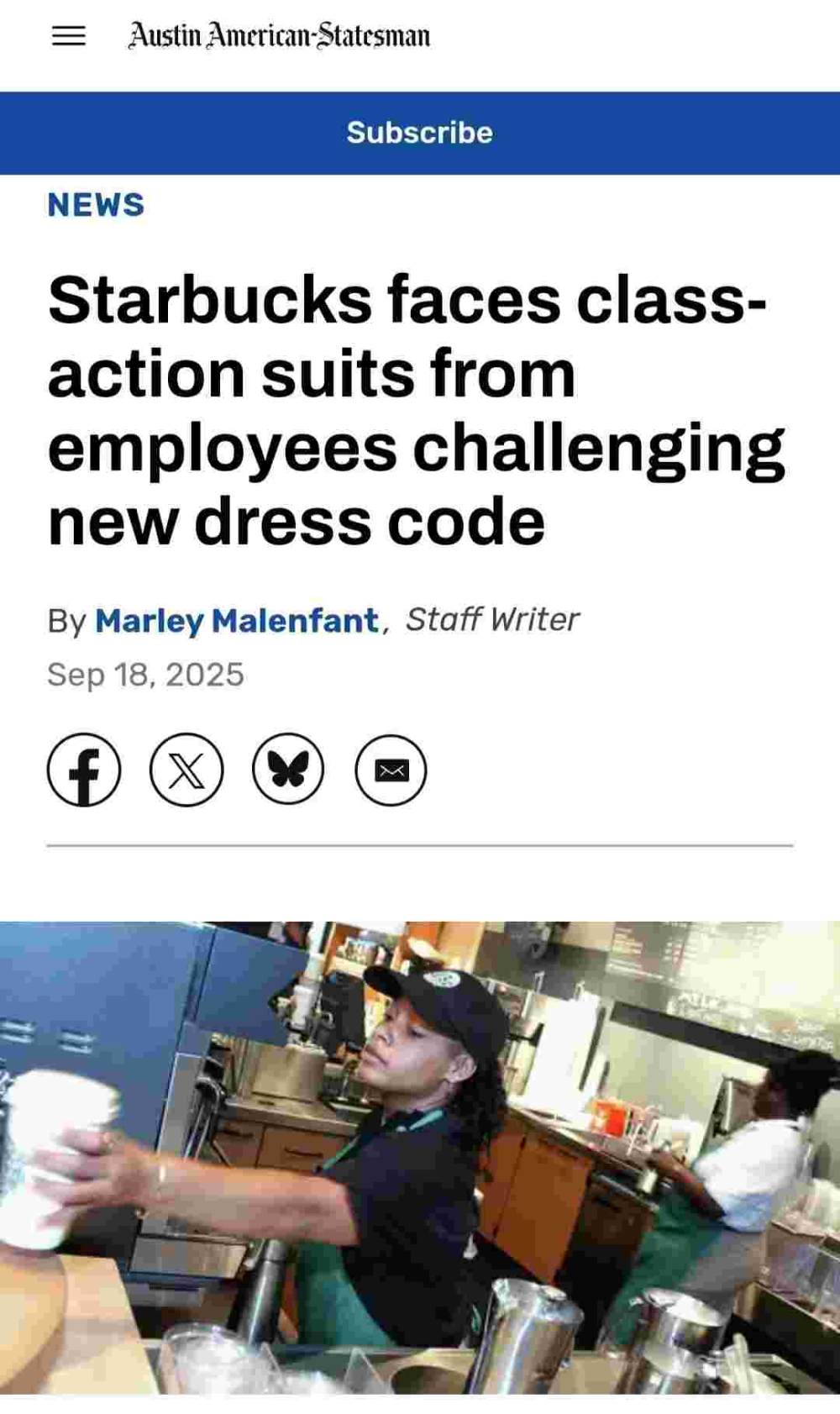
Starbucks employees in three U.S. states have filed class-action lawsuits and complaints over a dress code introduced in April, which requires black shirts, khaki, black or blue jeans, water-resistant shoes and bans facial tattoos, piercings and heavy makeup. Workers say the company refused to reimburse the clothing and grooming costs the rules forced on them, and argue this breaks state law.
The union-backed suits were filed in state courts in Illinois and Colorado, with a separate complaint to California's Labor and Workforce Development Agency and a threatened California class action. Before the rules took effect in early May, more than 2,000 baristas at 120 stores struck in protest. Starbucks maintains the standards support its brand image and counters that it has responded through existing processes.
Starbucks recently implemented stricter dress code rules in North America, but was hit with class-action lawsuits from employees in three states after refusing to reimburse them for new clothing they had to buy themselves and for the cost of removing facial adornments. The employees argue that the company's new rules violate relevant laws and are demanding compensation for their losses. This controversy has not only triggered a large-scale strike but also exposed Starbucks to legal challenges. This article provides a detailed breakdown of the sequence of events, the employees' demands, and Starbucks' response, giving you insight into the labor-management battle behind this dress code controversy.
▲
Click to follow | Daily specialty coffee culture magazine Coffee Workshop
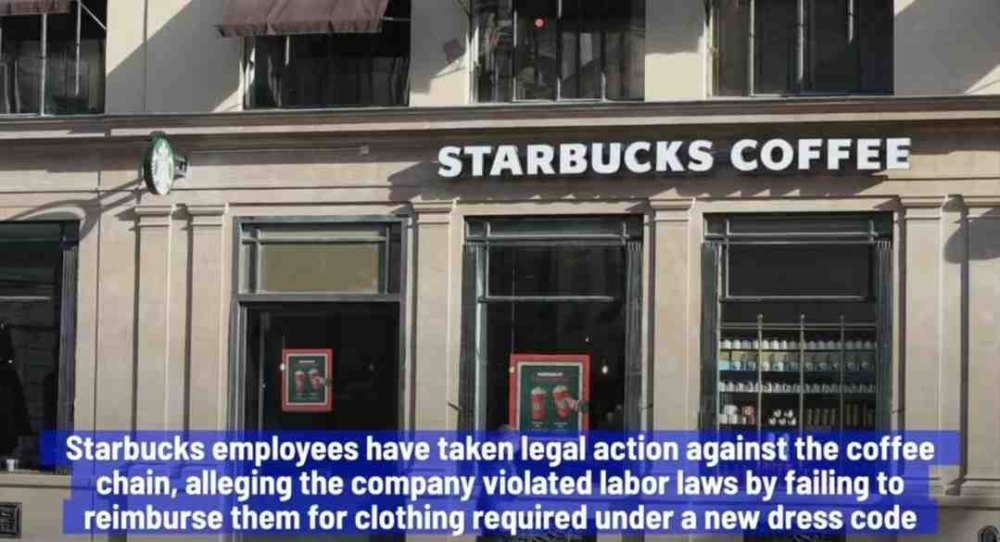
Recently, multiple media outlets including the Associated Press reported that Starbucks employees in three U.S. states have taken legal action against the coffee giant, claiming the company changed its dress code but refused to reimburse employees for new clothing they were required to purchase, alleging violations of relevant laws.
According to reports, these Starbucks employees, with the support of the company's union, filed class-action lawsuits in state courts in Illinois and Colorado. Starbucks employees also submitted complaints to California's Labor and Workforce Development Agency, stating in their complaints that if the agency decides not to penalize Starbucks, they intend to file a class-action lawsuit in California courts.
It is understood that in April of this year, Starbucks released a new dress code requiring employees in North America to wear black short-sleeved or long-sleeved shirts under their iconic green aprons, paired with khaki, black, or blue jeans without patterns. In addition, Starbucks required employees to wear water-resistant shoes in designated colors and prohibited facial tattoos, facial piercings, tongue rings, exaggerated makeup, and more.
This new rule greatly dissatisfied workers who had grown accustomed to relaxed dress code standards, as they felt the brand's move deprived them of the opportunity to express themselves. Consequently, before the new rules took effect in early May, more than 2,000 baristas from 120 Starbucks stores across the United States took to the streets in a collective strike to protest the company's mandatory new uniform policy.
However, the workers' protests did not stop the company from implementing the new policy, and the "everyone wears black" dress code was enforced across North America. Multiple Starbucks employees said in media interviews that after the new rules took effect, staff not wearing the required uniforms would receive verbal warnings from managers, and some employees who did not dress according to the rules would be sent home before their shift began, or even risked being fired.
So in order to continue working normally, many Starbucks employees had to spend their own money to buy the clothing and shoes required by the new rules, remove nose rings, and otherwise make themselves conform to the company's dress code.
However, when Starbucks employees who had spent anywhere from a dozen to over a hundred dollars to comply with the rules presented their bills and asked the company to reimburse them for the clothing costs and facial adornment removal expenses they had paid out of pocket, the brand refused.
According to court documents, the plaintiffs claim that relevant state laws require companies to reimburse employees for expenses that benefit the employer. Therefore, in their view, Starbucks' refusal to reimburse employees for costs incurred in complying with the new dress code is already unlawful, and they are demanding that the brand pay compensation to all employees across the three states, regardless of whether their store is unionized.
Facing the lawsuits and complaints filed by workers in court, Starbucks did not comment directly, but stated that the new rules simplified employee dress requirements, making the green apron more prominent, giving customers a sense of warmth, and thereby creating a warmer and more welcoming in-store experience. The company also claimed that it provides each employee with two compliant branded T-shirts for free.
Image source: Internet
Disclaimer: Some images in this article are from the internet. For some content on the website such as images, we will respect the original creators' copyright and cite the source. However, due to the large volume, some images and text may not have been credited in time. We ask for your understanding. If the original creators have any disputes, they may contact the website for resolution. Once verified, we will correct it immediately. Compiled and edited by "Coffee Workshop." Please indicate the source when reposting. If there is any infringement, please inform us for removal. Thank you~!
The above content is compiled by CoffeeHunters, a coffee news website.


