







What exactly is Yunnan small-bean coffee? How does it relate to Arabica and Robusta? This article systematically lays out the full picture of Yunnan small-bean coffee, from its cultivation history and varietal characteristics to processing methods and flavor expression. You will learn: why is Catimor, rather than Typica, now planted across large swaths of Yunnan? How does Catimor's genetic makeup influence the flavor in the cup? What steps does washed processing specifically involve? And what philosophy does Front Street Coffee uphold when selecting beans? If you are interested in the past and present of domestically grown coffee, this article is worth a read.
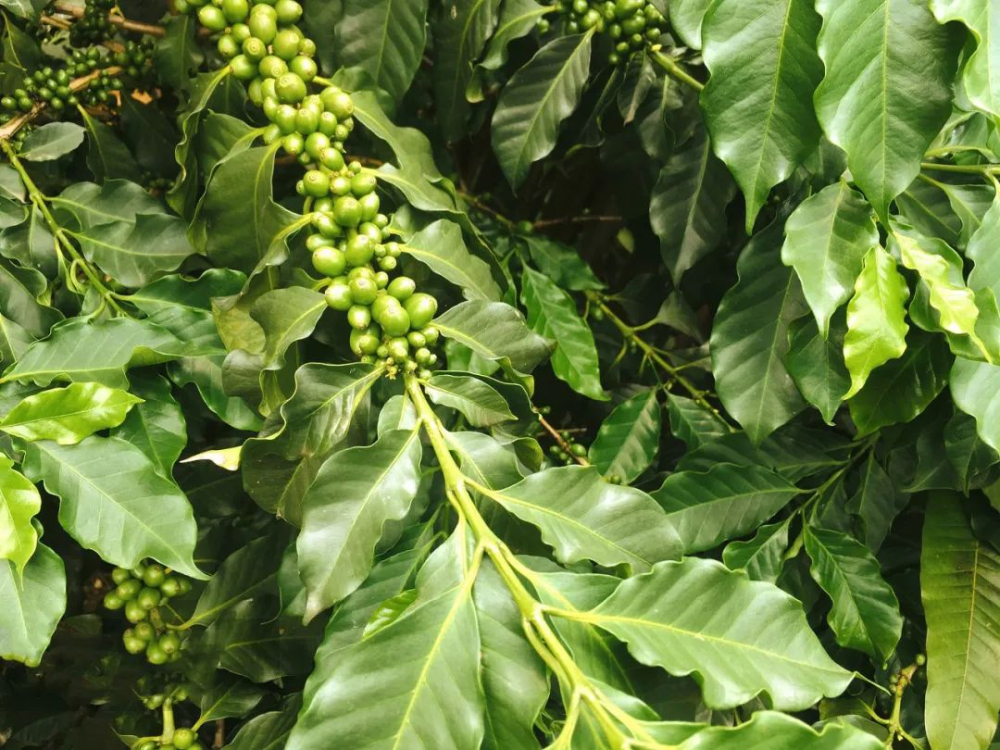
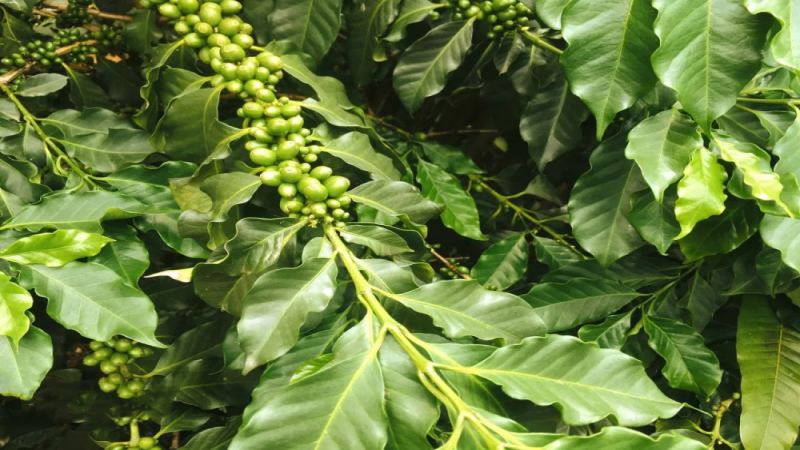
Botanically, small-bean coffee belongs to the Arabica species, and the name "Yunnan small-bean" is mainly used to distinguish it from the medium-bean Robusta grown in Hainan, China. In terms of Yunnan's current planting landscape, Catimor is the absolute mainstay, because it combines disease resistance with high yield; however, a small amount of Typica and Bourbon is still kept in the Baoshan area. The Yunnan small-bean everyday coffee on Front Street's bean list is of the Catimor variety, while another one is of the Typica variety.
Cultivation of Yunnan small-bean coffee
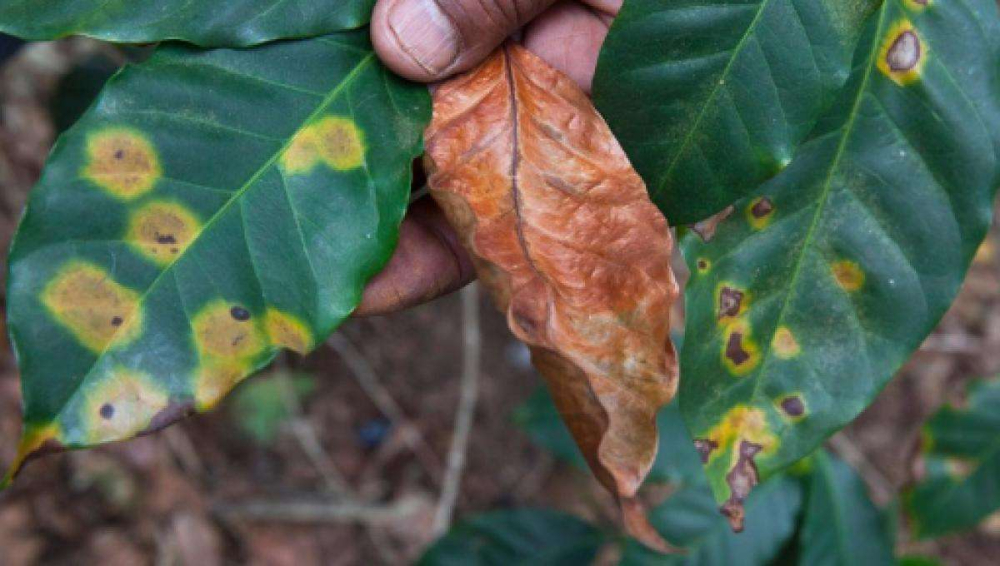
Counting from 1904, when a French missionary planted the first coffee tree, Yunnan's connection with coffee has lasted more than a hundred years. Later research confirmed that what the missionary planted back then was precisely Typica. Yet today, the vast majority of Yunnan's coffee farms grow Catimor. The reason is that Typica plants have relatively weak resistance to disease and are highly susceptible to leaf rust, and on top of that, their per-mu yield is very low, making it hard for farmers who rely on coffee for a living to earn a stable income.
In the 1980s, leaf rust swept through major coffee-producing regions around the world, and people in the industry searched for solutions. In 1990, driven by foreign companies such as Nestlé, Yunnan introduced Catimor from Latin America—more disease-resistant and higher-yielding—to replace the "unprofitable" Typica. After that, Catimor spread rapidly across Yunnan, and production climbed steadily, but its flavor was not outstanding; combined with the fact that Yunnan's green bean processing technology was still lacking at the time, most of the batches produced were sold to Europe at low prices and reduced to raw material for instant coffee.
Characteristics of the Catimor variety of coffee
From a genetic standpoint, Catimor is a hybrid descendant of Arabica and Robusta—produced by crossing Caturra with Timor (a Robusta species)—and carries about 25% Robusta genes. Anyone with a little knowledge of coffee varieties knows that Robusta is often labeled with the "devil's flavor." Catimor inherits both Robusta's stress-resistant genes and Arabica's quality genes, so it is both disease-resistant and high-yielding; the roasted beans are rich in oils, and the flavor also retains the acidity of native Arabica varieties.
High-quality Arabica coffee often depends on high altitude and microclimates. When Yunnan farmers plant Catimor on slopes above 1,200 meters, the local fertile soil, abundant sunlight and rainfall, and the pronounced day-night temperature difference brought by high altitude provide ideal growing conditions for Catimor. But precisely because Catimor carries Robusta blood, while it has disease and pest resistance and high yield, it also lacks the delicate and refined character of purebred Arabica. So in cupping, its score often falls short of varieties such as Caturra and Catuai.
Washed processing
The washed process is as follows: first pour the coffee cherries into a tank and use buoyancy to remove impurities and unripe fruit. Then use a depulper to remove the outer skin and most of the pulp, and put the beans into a clean tank to ferment, allowing the mucilage layer to separate from the bean under the action of acidic substances; afterward rinse off the remaining mucilage with clean water to obtain green beans that still have the parchment layer (i.e., parchment coffee). Finally, depending on the weather, choose natural drying or machine drying to bring the moisture content down to about 12%, then use a huller to remove the parchment layer, and you get the coffee bean itself.
Front Street has noticed that many Yunnan coffees on the market today use special processing methods to enhance flavor and make the aroma more attention-grabbing. Front Street has always believed that to truly understand Yunnan coffee, one should start from the flavor of the bean itself, rather than using trendy processing methods to mask its original taste. Therefore, several beans on Front Street's bean list use traditional washed and natural methods—the everyday coffee representing Yunnan small-bean uses the washed method, presenting the coffee flavor unique to the producing region. Front Street also has a popular bean, "Front Street 2013," and from the name it is not hard to guess that this is Front Street's exclusive product. It comes from Front Street's own estate in Lincang, Yunnan, uses the elegantly flavored Typica variety, and employs a natural sun-dried processing method to enhance sweetness.
Flavor characteristics of Yunnan small-bean coffee
In Front Street's view, the flavor profile of Yunnan coffee is neutral—it has acidity but is not lacking in a rich bitterness—so a medium roast was chosen for the roast level. Through cupping, Front Street tasted the sweet-and-sour notes of plum, as well as the aromas of dried fruit, chocolate, and nuts, in "Front Street 2013 Yunnan Typica," with all the flavors blending just right.
To let more people taste the charm of Yunnan small-bean, Front Street has also launched the Front Street Dark Cocoa Base Blend, designed specifically for moka pots and espresso machines. It combines the creamy nutty aroma of Brazilian coffee with the soft fruit acidity of Yunnan small-bean; when made as an espresso, the taste is balanced with moderate crema, and when mixed with milk or iced water it can be made into a latte or iced Americano.
In choosing coffee beans, Front Street uses freshly roasted Front Street Yunnan small-bean coffee. After roasting, coffee beans go through a 4-to-7-day resting period and then enter their best-tasting window; once this period is missed, the aroma escapes more quickly and both flavor and mouthfeel decline noticeably. In order to let everyone drink coffee in its best condition, Front Street only ships beans within 5 days after roasting, so that when they arrive in your hands the aroma is at its peak.
The above content is compiled by CoffeeHunters, a coffee news website.


