







Search Results for: macro environment
An Analysis of the Evolution of the Coffee Industry from a Macro Perspective and the Future Path of Yunnan Coffee
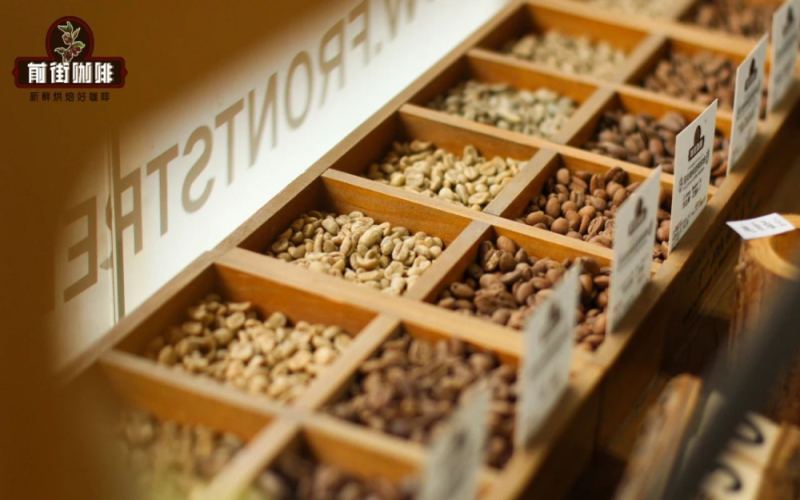
Coffee consumption continues to heat up globally, and China's urban market holds enormous potential, while Yunnan, as the country's core producing region, has drawn considerable attention for its quality improvements and industrial upgrading. This article starts from the macroeconomic environment and industry trends, traces the origins and spread of coffee, and focuses on Yunnan coffee's growing conditions, varietal differences, and Front Street Coffee's efforts to promote specialty-grade practices. By analyzing the characteristics of varieties such as Typica and Catimor, it explores possible paths for Yunnan coffee to move toward specialty standards, offering enthusiasts a perspective that weighs both industry and flavor. [more…]
How Does Climate Change Impact Assam Tea Gardens? Micro-Level Yield Data Reveals the Critical Influence of Short-Term Weather Fluctuations
Assam is the world's largest tea-producing region, contributing one-fifth of global output and half of India's tea, and supporting about 1.2 million workers. Yet disruptions to rainfall and temperature patterns are putting this land under growing pressure—droughts in Africa, intense rainfall erosion in India, and the accelerating melting of Himalayan glaciers are all sounding alarms at the macro level. But what truly affects each tea leaf is often a more micro-level climate variable. A study based on 82 tea gardens spanning 2004 to 2013 reveals how short-term weather fluctuations directly influence yields. This article will walk you through these findings and what adaptive measures tea gardens can take. Front Street Coffee has always paid attention to the long-term impact of climate change in producing regions on the flavor in the cup. [more…]
Costa Rica Tarrazu Coffee Region Analysis: Raisin Honey Process Mirasu Flavor, Brewing Parameters, and Growing Advantages
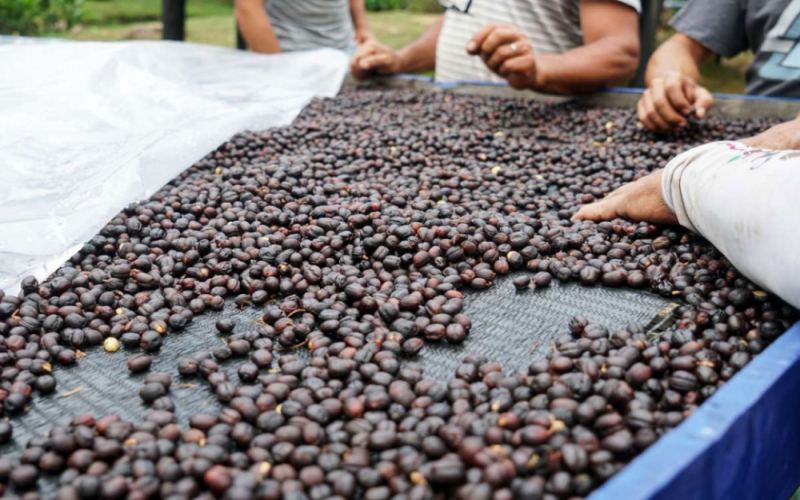
Costa Rica is world-renowned for its honey-processed coffee, and the Tarrazú region is among the very best. This article focuses on Front Street Coffee's Costa Rica Mirazu coffee, tracing the history of coffee cultivation in Costa Rica and the birth of the honey process, explaining in detail the difference between raisin honey processing and traditional honey processing, and introducing the terroir conditions, grading standards, and variety composition of the Mirazu estate in the Tarrazú region. It also includes Front Street's V60 pour-over extraction parameters to help coffee lovers gain a comprehensive understanding of this Costa Rican coffee that combines floral aromas with berry sweetness. [more…]
Espresso Medium Roast Bean Buying Guide: Acidity Differences Between Light and Medium Roasts and Front Street Coffee's Recommended Bean List
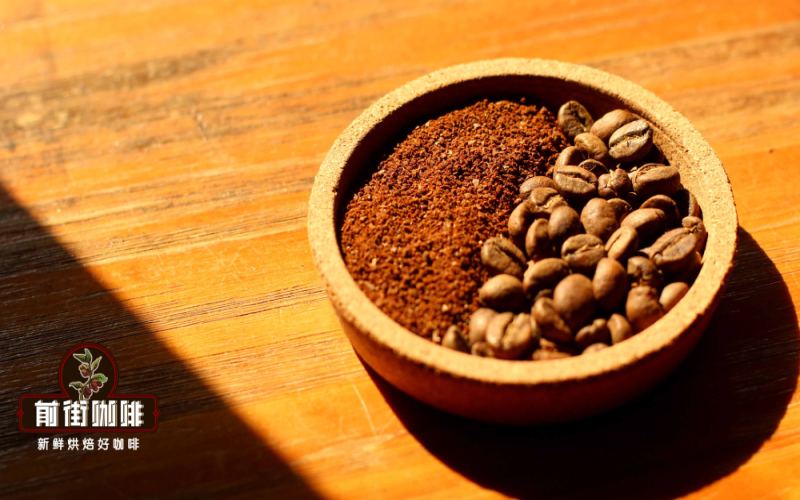
Coffee flavors are endlessly varied, but from a macro perspective, they boil down to three main directions: sour, bitter, and balanced sweet-and-sour, which correspond exactly to light, dark, and medium roasts. The degree of roasting largely determines the final flavor expression of coffee beans. If you want to make good espresso, choosing the right roast level is the first step. In this article, Front Street will systematically sort out the flavor characteristics and suitable uses of light, medium, medium-dark, and dark roasts, with a focus on medium-roast coffee beans suitable for making espresso, and will include a specific list of Front Street recommended beans to help coffee lovers quickly find the right choice according to their taste preferences. [more…]

Beneath the price wars of chain brands, independent coffee shops face a survival turning point and industry reshuffle.
When major chain coffee brands launched an all-out price war, independent coffee shops were pushed to the brink of survival. Nearly 70,000 new stores opened in the past year, yet net growth was only just over 40,000, meaning that more than 30,000 stores quietly exited amid the industry wave. From closing notices saying "We've graduated" to store owners each seeking their own way out—transferring their shops to cut losses, offering discounts, building differentiation, or even leaving the coffee industry altogether—the survival plight of independent coffee shops can no longer be avoided. An imbalance between supply and demand, consumers' growing preference for standardized chain brands, and cutthroat price competition—these factors together form the real picture of today's coffee market. This article examines the many faces of independent coffee shops under siege by chain brands and explores the logic behind the industry reshuffle and the way forward. [more…]
The Survival Status After the Number of Cafes Nationwide Broke 100,000: Opening a Shop in Shanghai and Other Cities Is Easy, but Making a Profit Is Hard, and Industry Consolidation Is Accelerating
The coffee consumer market is expanding at an annual rate of 16%, far exceeding the global average, and young customers are becoming the core driving force of this industry. In 2016, the total number of coffee shops nationwide crossed the threshold of 100,000 for the first time, but in the same year there was also a clear negative growth, and a new round of reshuffling quietly unfolded in the second half of the year. Low barriers to opening a shop but increasingly difficult profitability have become a common experience for many shop owners. Based on the first big data report on the beverage industry jointly released by the Meituan Dianping Research Institute and Kamen, this article sorts out the real survival status of coffee shops in China from the dimensions of changes in the number of stores, urban distribution patterns, migration of consumer groups, as well as products, environment, and services. At the same time, combined with the actual observations of brands such as Front Street Coffee, it provides practitioners with reference basis for judgment. [more…]
A Beginner's Guide to Choosing Home Pour-Over Coffee Beans: Six Major Regions' Affordable Specialty Front Street Coffee Daily Drink Recommendations
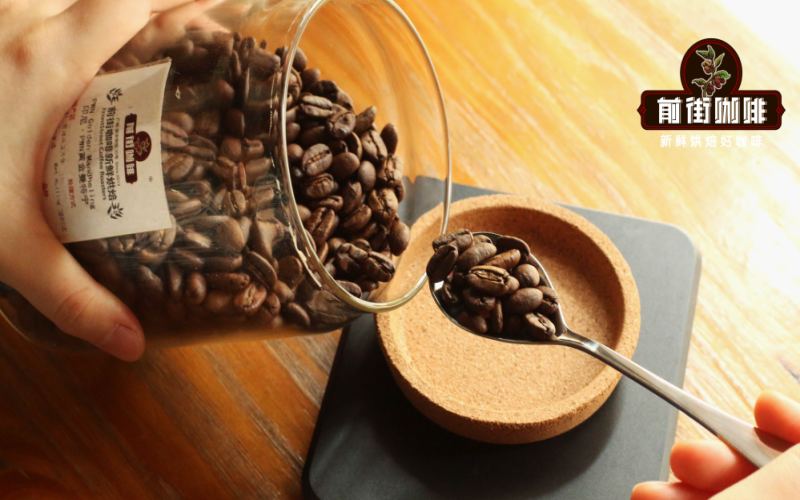
For friends who are just getting into pour-over coffee, choosing the right coffee beans is the key step that determines whether a cup of coffee tastes good or not. The quality of the coffee beans directly affects the final flavor performance—if the beans themselves aren't good enough, even the best brewing technique can hardly save the cup. So for beginners making pour-over at home, which coffee beans from which producing regions should they start with? This article organizes the representative flavors of six classic producing regions according to the three major areas of Africa, the Americas, and Asia, and recommends the corresponding Front Street Coffee everyday beans, including Ethiopia Yirgacheffe, Colombia Huila, Brazil Cerrado, Costa Rica Tarrazu, Yunnan small-bean, and Indonesian Mandheling, to help everyone quickly find the one that suits their taste. [more…]

Independent coffee shops hit by the 9.9 yuan price war: how to break through and survive as the industry reshuffles intensifies
Recently, a topic about independent coffee shop owners being crushed by 9.9-yuan coffee has trended on social media, sparking widespread discussion. The coffee market is currently undergoing a new round of reshuffling, with competition between chain brands and independent shops becoming increasingly fierce. Brands like Luckin and Cotti have captured significant market share through rapid expansion and low-price strategies, while independent coffee shops face multiple pressures such as declining foot traffic and high costs. Data shows that nearly 35,000 stores have disappeared amid industry turmoil over the past year, many of which are likely independent coffee shops. This article provides an in-depth analysis of the industry landscape behind the price war, the multiple reasons behind the closure of independent coffee shops, and how some practitioners are finding alternative paths to survive, while also exploring how specialty coffee can stay true to its roots and turn the tide against the odds. [more…]
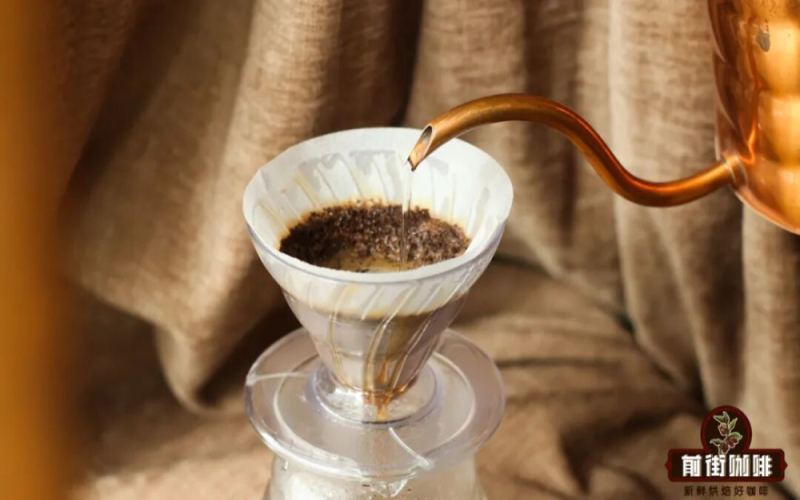
How to Choose Beginner Pour-Over Coffee Beans? A Full Analysis of the Flavor Characteristics and Brewing Key Points of Six Major Regions
Want to step into the world of manual pour-over coffee? Choosing the right beans is the first step. This article begins with the origins of pour-over coffee and systematically outlines the flavor characteristics of six representative producing regions across three continents—Africa, the Americas, and Asia—covering Ethiopia Yirgacheffe, Colombia Huila, Brazil Cerrado, Costa Rica Tarrazu, Yunnan small bean, and Indonesia Mandheling, along with beginner recommendations based on Front Street Coffee's specific products. It also breaks down in detail the six key factors affecting pour-over extraction—bean freshness, grind size, coffee-to-water ratio, water temperature, pouring technique, and extraction time—helping coffee lovers build a clear brewing framework and quickly find the cup that suits them. [more…]
A Beginner's Guide to Pour-Over Coffee: Getting to Know Filter Coffee and the Signature Flavors of Six Classic Origins from Scratch
For friends who are just getting into pour-over coffee, understanding its basic principles and choosing a suitable starter bean are equally important. Pour-over coffee is essentially a drip extraction method, invented and popularized as early as 1908 by the German Melitta Bentz. When choosing beans, beginners usually start with representative coffees from the three major producing regions of Africa, the Americas, and Asia, as these beans tend to have highly recognizable flavors and are affordably priced. This article will systematically introduce the basics of pour-over coffee and analyze one by one the flavor characteristics of classic regions such as Ethiopia Yirgacheffe, Colombia Huila, Brazil Cerrado, Costa Rica Tarrazu, Yunnan small-bean, and Indonesia Mandheling, while also including the key factors affecting extraction and the operational process, to help you quickly build an overall understanding of pour-over coffee. [more…]

How to Choose Coffee Beans for Pour-Over? A Guide to Flavor Differences Across the Three Major Regions from Africa to Central and South America, with Single-Origin Recommendations for Beginners
Want to get into pour-over coffee, but overwhelmed by the dazzling array of single-origin beans? Actually, choosing beans isn't hard—the key is to first understand the flavor profiles of the three major producing regions: African beans are known for bright acidity and floral notes, Central and South American beans have a balanced mouthfeel with nutty and chocolatey tones, while Asian beans are mellow, sweet-bitter, and low in acidity. This article follows that thread, outlining the flavor differences and brewing points of representative beans sold by Front Street Coffee, such as Ethiopia Yirgacheffe, Kenya Little Tomato, Indonesia Mandheling, Colombia Huila, and Brazil Red Bourbon, to help those new to pour-over lock in a direction based on their own taste preferences and gradually transition from entry-level options to estate-grade single origins. [more…]
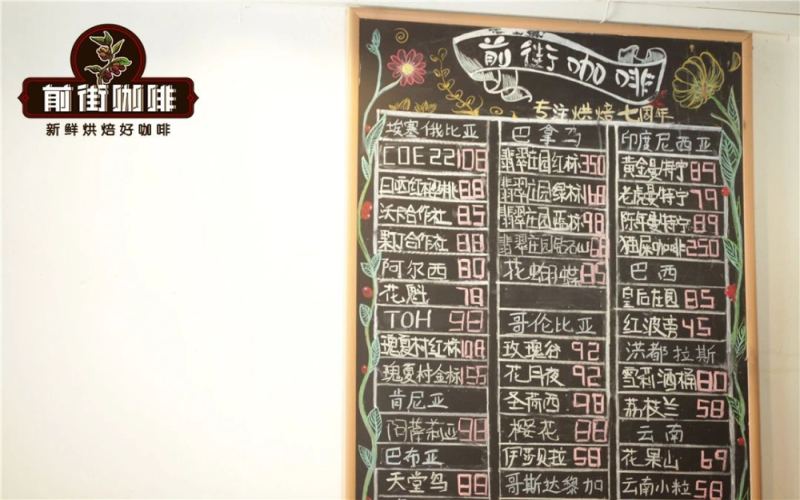
A Detailed Guide to Coffee Bean Variety Classification: Flavor Comparison of Arabica, Robusta, Liberica, and Derivative Species Such as Typica and Bourbon
The flavor of coffee is not only influenced by its origin—the coffee bean variety itself is also a key factor determining the direction of its taste. About 66 countries around the world grow coffee, broadly divided into three major producing regions: Latin America, Africa, and Asia, each presenting different styles such as full-bodied, fruity and citrusy, and a blend of richness and fruity acidity. At the bean variety level, Arabica, Robusta, and Liberica are the three main categories, among which Arabica-derived varieties such as Typica, Bourbon, Pacas, Caturra, Catuai, and Catimor each have their own characteristics. In this article, Front Street Coffee systematically sorts out the origins, plant characteristics, disease resistance, and flavor performance of these varieties, helping coffee enthusiasts build a clear framework of variety knowledge so they can more precisely select coffee beans suited to their own taste. [more…]

Pour-Over Coffee Bean Selection Guide: Recommended Representative Coffee Beans from Asia, Africa, and Latin America
Want to make pour-over coffee at home but don't know where to start when choosing beans? Front Street Coffee systematically recommends specialty coffee beans suitable for pour-over, organized by the three major regions: Asia, Africa, and Latin America. Asian beans are full-bodied with spicy and herbal notes, represented by Indonesian Mandheling and Yunnan beans; African beans are bright and lively, with Yirgacheffe, Sidamo, and Kenya each offering their own character; Latin American beans are balanced and sweet, with Brazil, Costa Rica, and Colombia each having their highlights. This article introduces the origin, altitude, variety, processing method, and flavor of representative bean types from each region one by one, helping you find the cup that suits your taste. [more…]
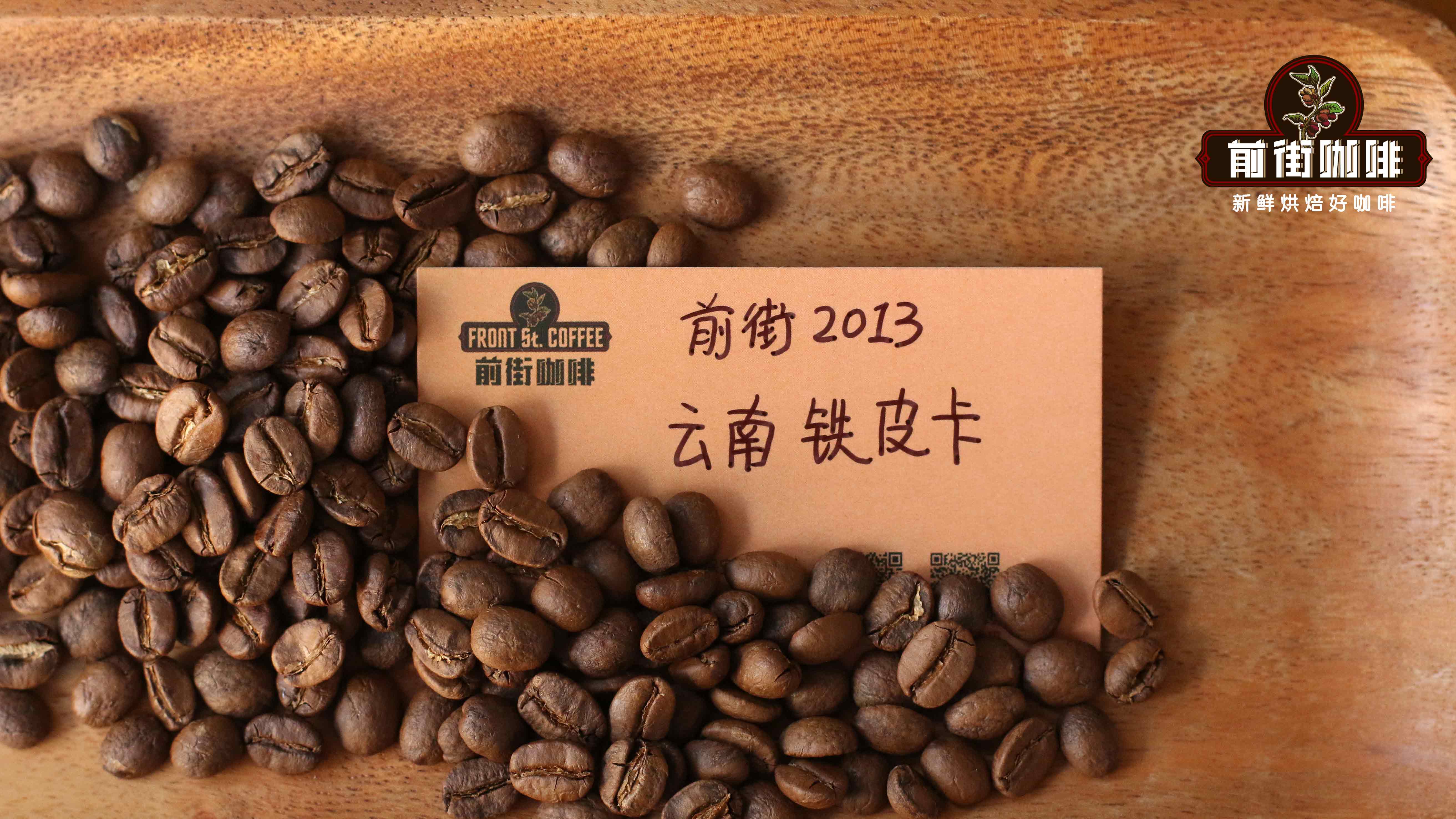
How to Choose Hand-Brewed Coffee Beans? A Guide from the Flavors of Asia, Africa, and Latin America to Front Street Coffee's Single-Origin Bean Recommendations
Want to brew pour-over at home, but feel overwhelmed by the dazzling array of single-origin beans and don't know where to start? The key to choosing lies in first understanding the flavor profiles of different regions. Front Street Coffee stores carry over two hundred types of single-origin beans, with more than fifty available year-round. This article will outline the flavor characteristics of the three major regions—Asia, Africa, and Latin America—and introduce representative beans such as Front Street Mandheling, Yirgacheffe, Huakui, Kenya Little Tomato, Brazil Queen's Manor, Costa Rica Musician Series, Colombia Pink Bourbon, and Rose Valley, helping coffee lovers pinpoint the one that suits their taste preferences. [more…]
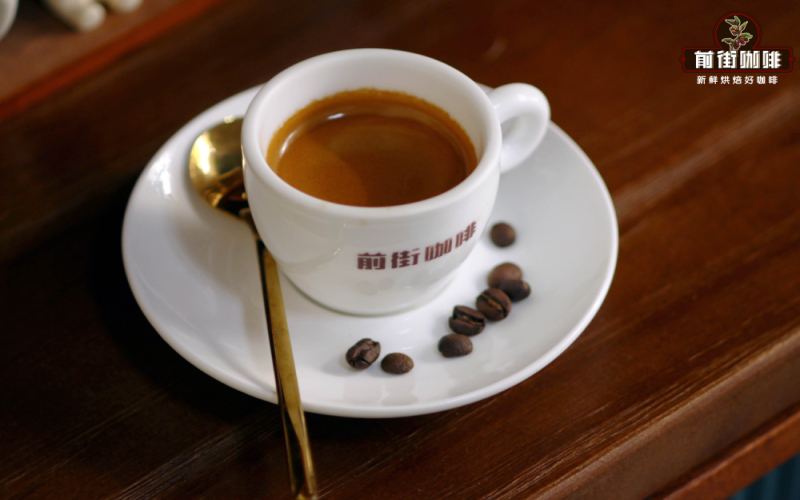
Espresso Tasting Guide: From Sensory Characteristics to the Correct Way to Drink It Based on Extraction Parameters
Espresso was born in Italy around 1946 and subsequently became popular in Southern European countries for a long time, only spreading globally through Starbucks around 1986. This dark coffee, with a capacity of only about 50 milliliters, is covered with a fine, bright reddish-brown foam on its surface, concentrating the aroma, taste, and visual beauty of coffee. This article will systematically review the sensory characteristics of Espresso—including the visual crema, the body in the mouthfeel, the balance of sourness, sweetness, and bitterness in taste, and the lasting aftertaste—analyze the manifestations of under-extraction and over-extraction in the foam, and provide SCA-standard parameters for dose, yield, time, pressure, and water temperature, while introducing Front Street Coffee's four Italian blend beans and their brewing suggestions. [more…]
A Complete Beginner's Guide to Pour-Over Coffee: A Hands-On Tutorial from Stance and Water Flow to the Extraction Process
Pour-over coffee, with its simple operation, easy-to-manage equipment, and ability to fully showcase coffee's vibrant aromas and clean taste, has become the preferred brewing method for many enthusiasts. However, behind the seemingly simple act of pouring water lie strict requirements for details such as water temperature, extraction time, water flow rate, and blooming rhythm. This article systematically outlines the fundamental operating standards of pour-over coffee—from stance adjustment, kettle-holding techniques, and the three-part water flow practice to the complete brewing process—helping beginners build a solid foundation and gradually achieve stable, gentle extraction. [more…]
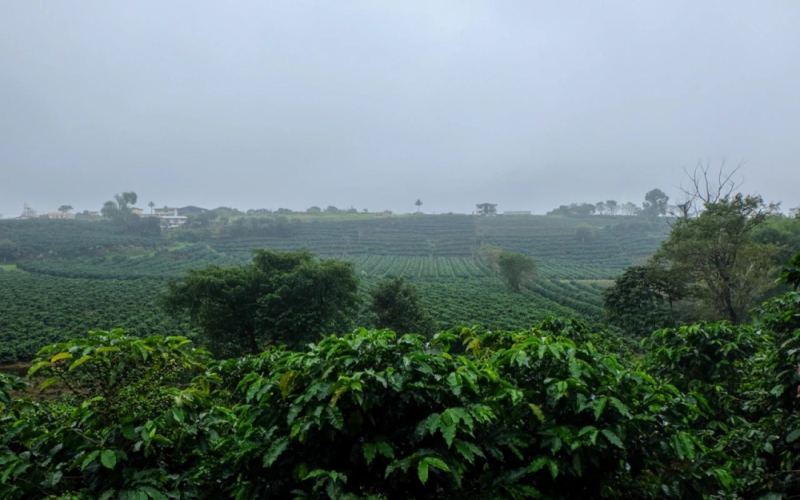
A Complete Guide to Costa Rican Coffee Regions: Tarrazu Specialty Flavors, Honey Processing, and Front Street Recommendations
Costa Rica, with its high-altitude volcanic soil and exquisite processing techniques, has become a representative producing region for specialty coffee in Central America. This article systematically reviews the eight major producing regions of Costa Rica, with a focus on analyzing Tarrazu's outstanding terroir and COE performance, and provides an in-depth introduction to well-known coffees such as Mirazu Estate and Canet Estate's Musician Series. It also explains in detail the birth, classification, and unique flavors of the honey processing method, including the raisin honey processing technique. Front Street Coffee's Mirazu Geisha blend, Mozart, and Bach coffees all come from the Tarrazu producing region. The article also introduces major varieties such as Bourbon, Caturra, Catuai, Villa Sarchi, and Villalobos, and provides Front Street brewing parameters and flavor descriptions, helping coffee enthusiasts gain a comprehensive understanding of the charm of Costa Rican coffee. [more…]
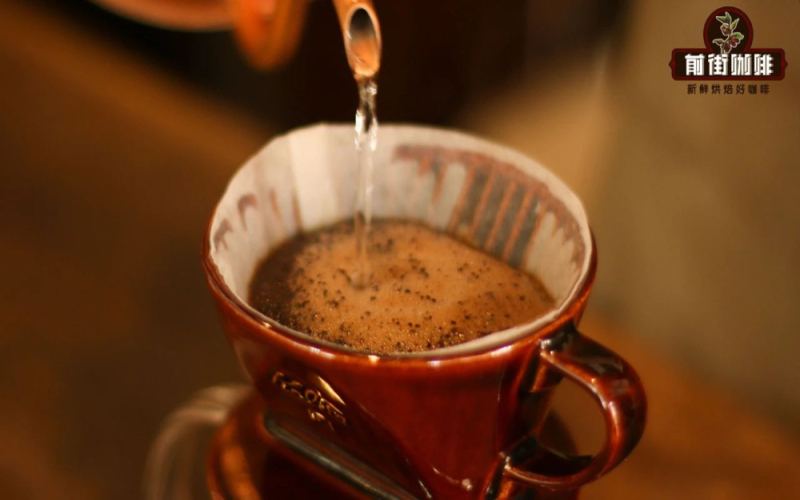
Pour-Over Coffee Beginner's Guide: 10 Key Techniques for Mastering Grind, Water Temperature, Coffee-to-Water Ratio, and Pouring
To brew a full-flavored single-origin coffee at home, having good coffee beans alone is not enough. From grind size, water temperature, coffee-to-water ratio to pouring rhythm, every step directly affects the taste in the final cup. In this article, Front Street Coffee systematically sorts out the core knowledge of pour-over coffee, including the flavor characteristics of coffee beans from different regions, the impact of various brewing parameters on extraction results, and the detailed operating steps of the three-stage pouring technique. It also reviews the seven categories of equipment needed for pour-over, and using Ethiopian Yirgacheffe Gutingting coffee beans as an example, shares complete brewing data and flavor performance, helping coffee lovers reliably reproduce a good cup of coffee at home. [more…]

Pour-Over Coffee Tips | Freshly Roasted Coffee Beans, Freshly Ground Coffee: How to Brew a Delicious Black Coffee? Ethiopian Washed Gutingding Black Coffee Pour-Over Parameters Shared
With the growing popularity of specialty coffee culture, more and more coffee enthusiasts are starting to study at home how to brew pour-over coffee in order to bring out the flavor of single-origin coffee beans, but they don't know how to do it. They always feel that the coffee they brew doesn't taste as good as what they drink in a café. So how can you brew out the flavor of a single-origin coffee bean? [more…]

The Terroir Code of Coffee: How Growing Environment Beyond Genetics Shapes the Flavor in Your Cup
We often hear baristas mention the term "terroir"—what exactly does it mean? The flavor of a cup of coffee is about seventy percent determined by varietal genetics, while the remaining thirty percent comes from the natural conditions of the growing region—latitude, altitude, soil, sunlight, and humidity all working together to give coffee from different origins strikingly different flavor profiles. This article will examine these five dimensions to explain how the environment affects coffee's balance of acidity and sweetness and its rich mouthfeel, and help you understand why high-altitude beans have fuller flavor and why volcanic soil can impart a distinctive acidic aroma to coffee. [more…]