







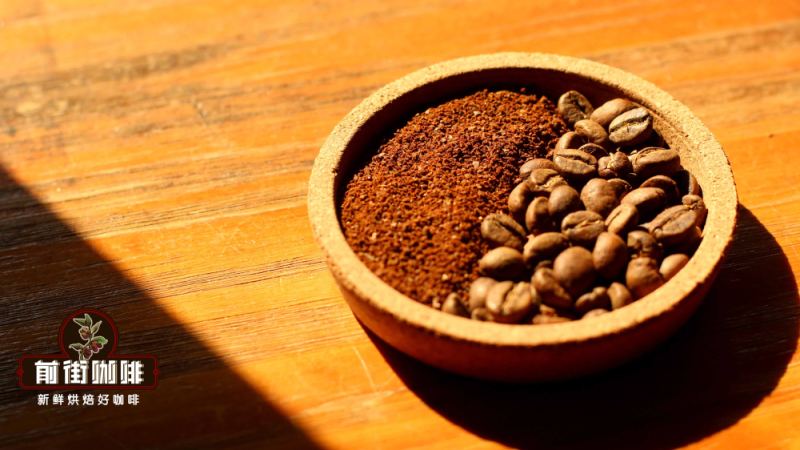
Which roast level suits espresso coffee beans?
Roast level decides how coffee beans finally taste, and the flavors fall into three broad directions: sour, bitter, and balanced sour-sweet-bitter. Light roast leans sour, dark roast leans bitter, and medium roast delivers the balanced, sweet-bitter cup that most espresso drinkers are looking for.
Beans drop from the roaster at different points to set that level. Light roast is dropped around the end of first crack, leaving organic acids intact with little roasted aroma, while a medium roast sits between light and dark and keeps some acidity alongside sweetness, which suits milk drinks and straight espresso alike.
The flavors of coffee are endlessly varied, but from a macro perspective, they can be summed up into three main directions: sour, bitter, and balanced sour-sweet-bitter — which correspond exactly to light roast, dark roast, and medium roast. The degree of roasting largely determines the final flavor expression of coffee beans. To make a delicious espresso, choosing the right roast level is the first step. In this article, Front Street will systematically sort out the flavor characteristics and applicable scenarios of light roast, medium roast, medium-dark roast, and dark roast, with a focus on organizing medium-roast coffee beans suitable for making espresso, along with a specific Front Street recommended bean list, to help coffee lovers quickly find a suitable choice based on taste preferences.
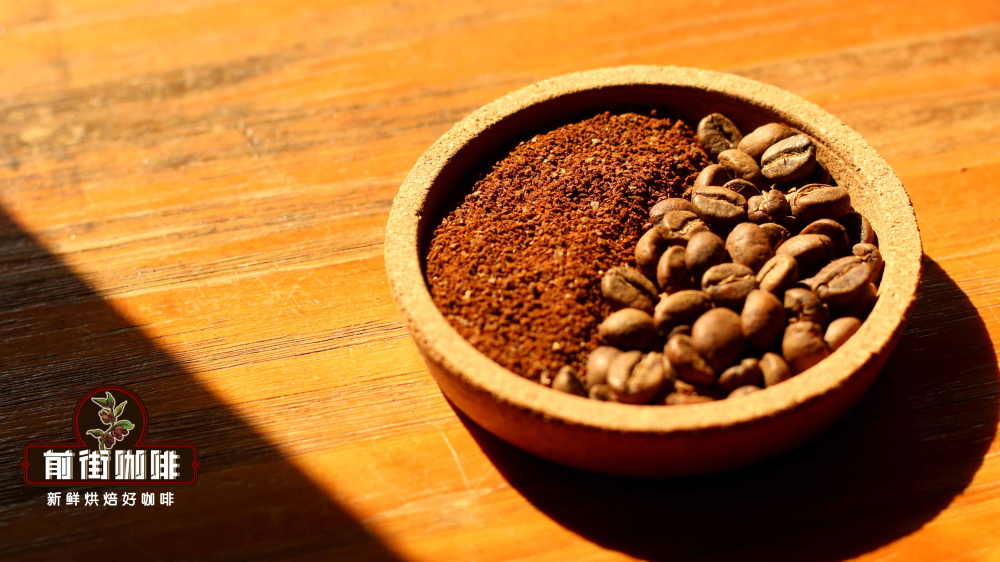
We often hear baristas describing all kinds of flavors, which sound quite mysterious, but ultimately, these descriptions can be roughly grouped into three types: sour-leaning, bitter-leaning, and balanced sour-sweet-bitter. They correspond respectively to light roast, dark roast, and medium roast. Today, Front Street will talk with everyone about the characteristics of each of these roast levels, and also organize medium-roast coffee beans suitable for making espresso.
Coffee Roast Levels
What final flavor direction a coffee bean presents depends largely on its roast level. To put it simply, coffee bean roasting can be divided into three tiers: light roast, medium roast, and medium-dark or dark roast.
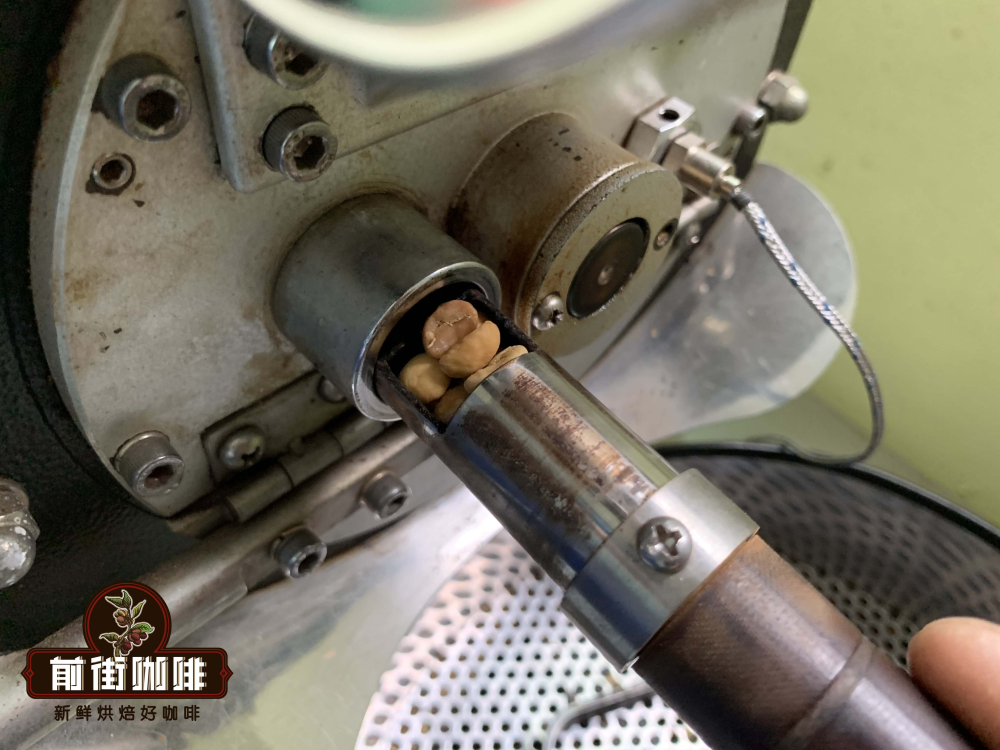
So-called coffee roasting can be understood as using heat to make green beans release captivating aroma and flavor — a process fundamentally no different from roasting peanuts or nuts. Green coffee beans stay in a high-temperature roaster for about ten minutes or so, during which, due to high-temperature roasting, the beans undergo a series of complex chemical changes.
Light Roast / Cinnamon Roast
Light roast refers to the roast level where beans are dropped from the roaster within the interval from the start of first crack to just after the end of first crack. Beans dropped at this point, because organic acids have not yet been fully decomposed and the roasted aroma is not obvious, are dominated by sourness, with relatively weak bitterness and a light mouthfeel.
Flavor: The bean surface appears cinnamon-colored, grassy notes have disappeared, acidity is strong, with a slight aroma; usually used for brewing pour-over coffee.
Recommended coffee beans: Front Street Butterfly Coffee (white floral, green tea, citrus), Front Street Sidamo Alo (mango, guava, strawberry, black tea)
Medium Roast / Medium Roast
Medium roast generally refers to dropping after the end of first crack and before the start of second crack. At this point, the coffee beans have undergone more caramelization reactions and Maillard reactions. The proportion of sourness in the overall flavor is no longer as prominent as in light roast, though a certain acidity is still retained. The taste leans balanced, with higher sweetness.
Flavor: The bean surface appears chestnut-colored, with a balanced mouthfeel, slight acidity with bitterness, moderate aroma, able to retain the original flavor of the coffee beans; commonly used for pour-over coffee or blended coffee.
Recommended coffee beans: Front Street Bird of Paradise Coffee (nuts, cocoa, creamy chocolate, citrus), Front Street Yunnan Small-Bean Typica (brown sugar, chocolate, nuts)
Medium-Dark Roast / City Roast
Drop time: After the first crack, i.e., between first crack and second crack.
Flavor: The bean surface appears brown, with mouthfeel and sourness, bitterness, and sweetness reaching balance, relatively low acidity, while noticeably releasing caramel-type flavors in the coffee. Most espresso coffee beans adopt this roast level, and it is also one of the most popular roast levels among the general public. Medium-roast and medium-dark-roast coffee beans can be used both for pour-over extraction and to make delicious espresso, serving as the base for Americano and latte.
Recommended coffee beans: Front Street Queen's Estate Coffee (roasted peanuts, cream, nuts, sucrose), Front Street Huilan Coffee (dark chocolate, cocoa, roasted nuts), Front Street Classic Espresso Blend (almond, cocoa, milk chocolate, rich crema), Front Street Specialty Espresso Blend (nuts, toffee, dark chocolate cocoa, not sour)
Dark Roast / Italian Roast
Dark roast is also called "Italian roast."
Dark-roasted beans refer to beans dropped after second crack. Because the beans have undergone very thorough caramelization reactions, the coffee itself carries extremely rich caramel, chocolate, nut, and similar aromas. The sourness of the coffee is basically decomposed entirely; even if a small amount of sourness remains, it is masked by a large amount of roasted aroma. The mouthfeel of the coffee becomes more full-bodied.
Flavor: The bean surface appears black; before the coffee bean fibers carbonize, the mouthfeel is intense and complex, with strong bitterness, carrying a thick roasted and charred aroma; mainly popular in Italy, mostly used for making espresso.
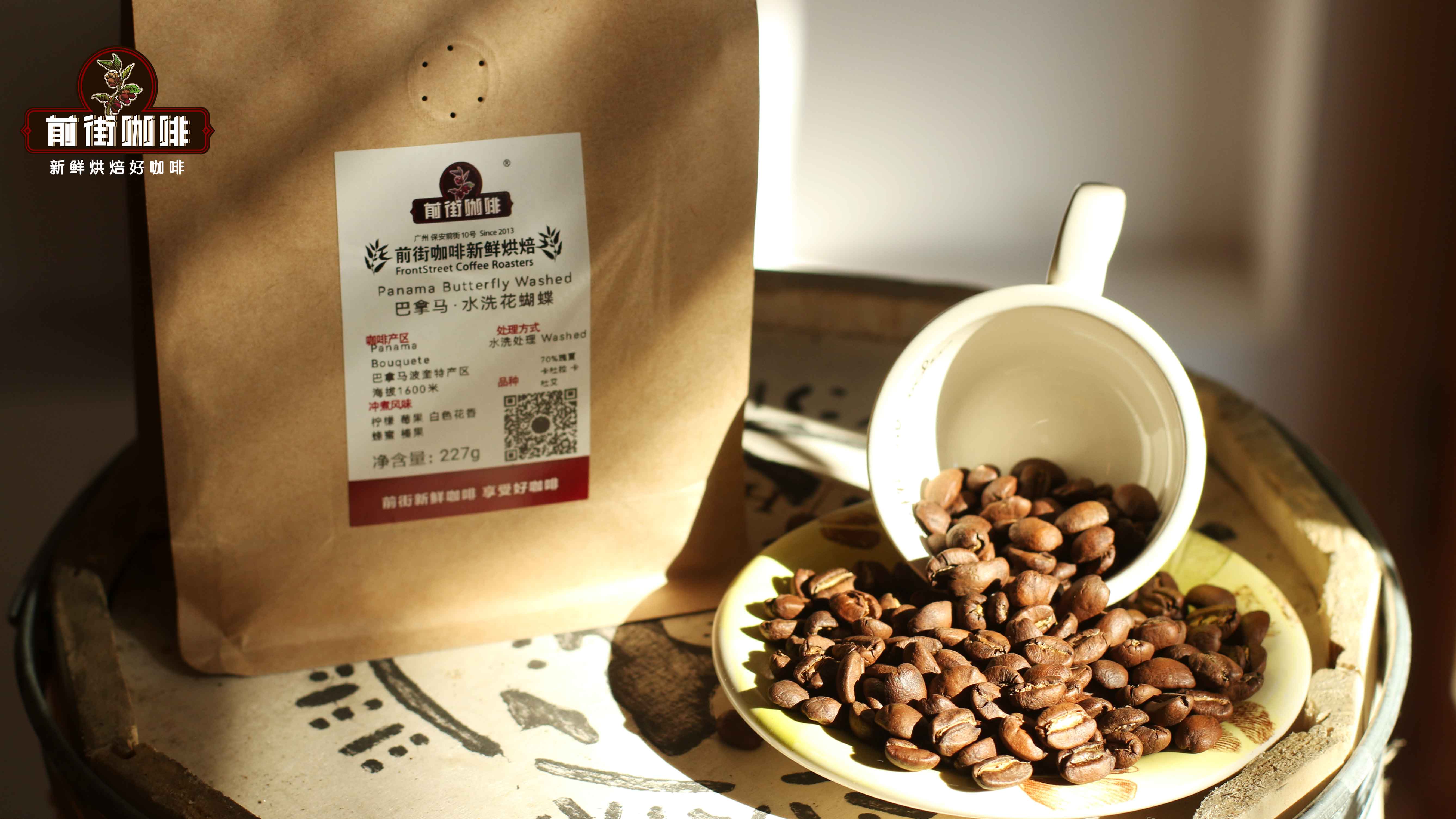
Recommended coffee beans: Front Street Commercial Espresso Blend (nuts, spices, caramel, rich crema)
The above content is compiled by CoffeeHunters, a coffee news website.


