







What Should Beginners Know About Coffee Trees and Origins?
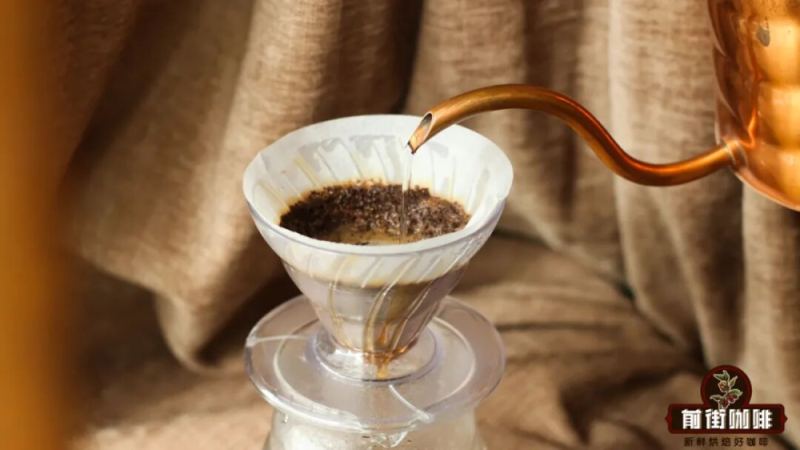
Pour-over coffee is a manual drip method: hot water is poured over grounds, soluble compounds dissolve, and the liquid passes through a paper filter or mesh by gravity into the vessel below. The method was created and popularized by Melitta Bentz in Germany in 1908, the same year she founded Melitta to make brewing equipment.
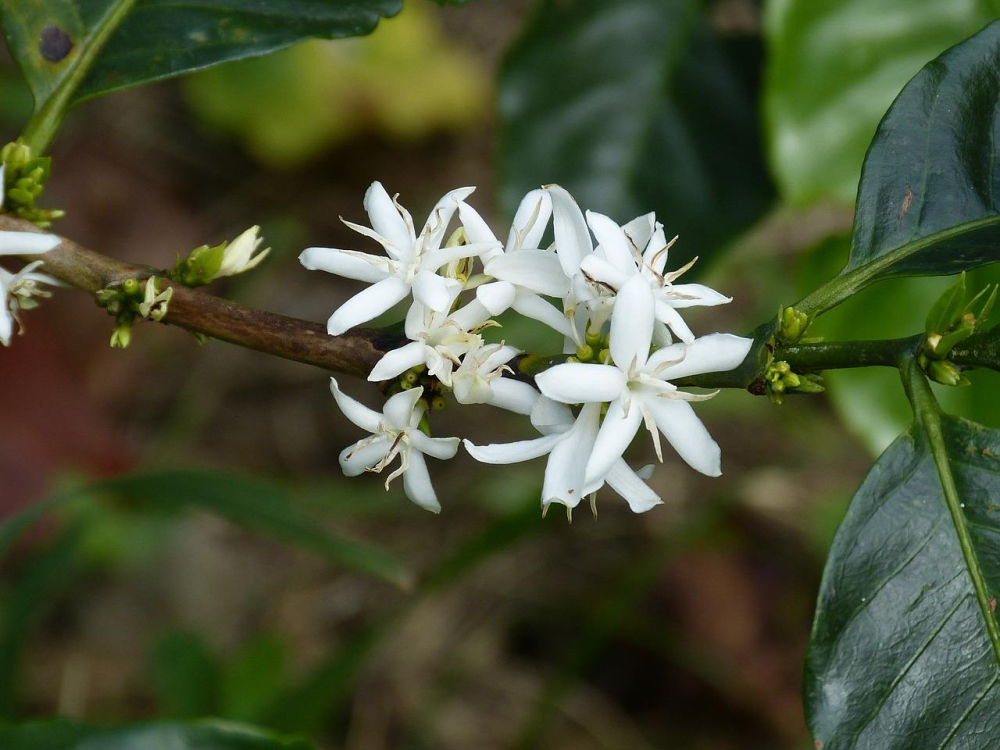
For a starter bean, African, American, and Asian origins offer recognizable flavors at approachable prices. Ethiopia Yirgacheffe tends to be floral and citrusy, Colombia Huila and Brazil Cerrado are sweeter and nuttier, while Yunnan small-bean and Indonesia Mandheling are earthier. Coffee trees such as Arabica thrive at altitude, and that terroir shapes the cup.
For friends who are just getting into pour-over coffee, understanding its basic principles and choosing a suitable starter bean are equally important. Pour-over coffee is essentially a drip extraction method, invented and popularized by German Melitta Bentz as early as 1908. When choosing beans, beginners usually start with representative coffees from the three major producing regions—Africa, the Americas, and Asia—as these beans tend to have highly recognizable flavors and friendly prices. This article will systematically introduce the basics of pour-over coffee and analyze one by one the flavor characteristics of classic origins such as Ethiopia Yirgacheffe, Colombia Huila, Brazil Cerrado, Costa Rica Tarrazu, Yunnan small-bean, and Indonesia Mandheling, along with the key factors affecting extraction and the operating procedure, to help you quickly build an overall understanding of pour-over coffee.
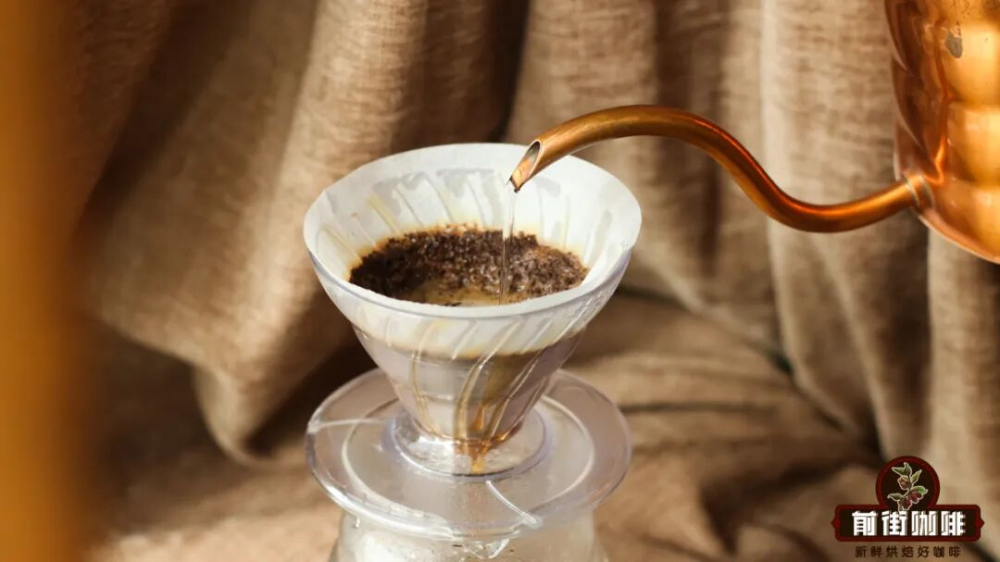
What kind of beverage is pour-over coffee exactly? It falls under the category of manual brewing and is also called drip coffee. This extraction method can be traced back to 1908, created by Mrs. Melitta Bentz of Germany. In the same year, she founded the Melitta company, specializing in producing various coffee brewing utensils, to promote this emerging coffee-making method to the public. Simply put, pour-over is pouring hot water over coffee grounds, allowing soluble substances to dissolve in the water, and then the liquid naturally passes through a paper filter or mesh by gravity, dripping into the container below, ultimately yielding a cup of clear coffee liquid.
For those just starting out, when selecting coffee beans, you may want to prioritize options with distinctive regional flavors and relatively friendly prices. Typically, by geography, we divide coffee origins into three major categories: Africa, Asia, and the Americas, each with its own unique flavor profile:
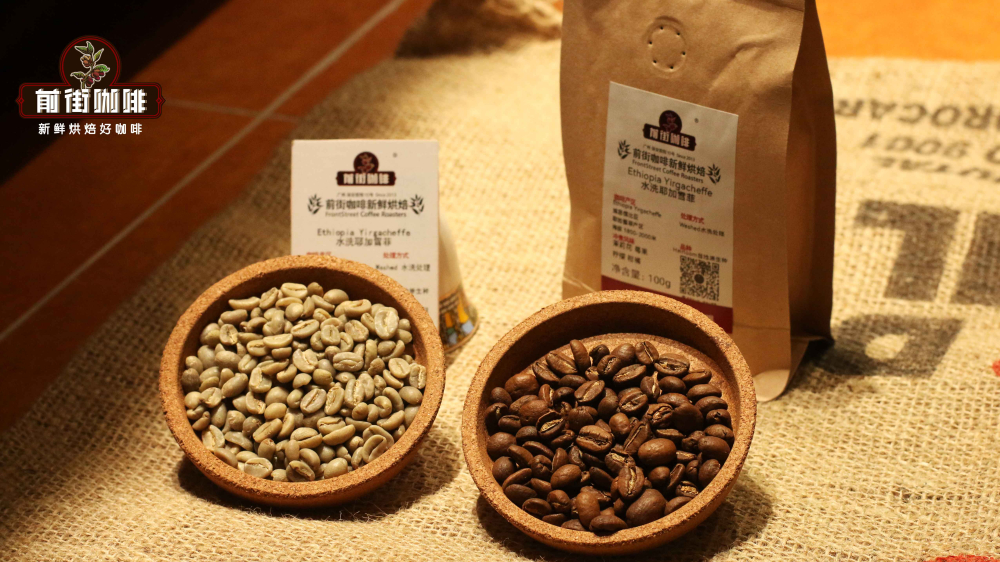
1. Africa Ethiopia—Front Street Coffee Washed Yirgacheffe Coffee Beans
In Ethiopia, coffee beans hold a pivotal economic position, with coffee cultivation distributed across almost the entire country. Yirgacheffe itself is just a small town, but the specialty coffee produced here each year can reach over a thousand tons, showing the weight of this producing area in Ethiopia's coffee landscape. The Yirgacheffe producing area is at an extremely high altitude, with a cool and pleasant climate, moderate rainfall that is not humid, providing ideal growing conditions for the delicate coffee tree. Local farmers plant coffee in misty mountains, mostly using garden-style cultivation, interplanting coffee trees with economic crops such as bananas, and one can often see coffee trees growing under the shade of banana leaves.
The planting altitude of about two thousand meters creates a significant temperature difference between day and night, causing coffee cherries to develop slowly and lengthening the ripening cycle, thereby accumulating richer aromatic components, and the harvest season is correspondingly delayed. At the same time, improvements in the washed processing method have greatly enhanced the quality of Front Street Coffee Yirgacheffe, with a clean and bright lemon and citrus profile, firmly placing it among specialty coffees. Front Street Coffee Yirgacheffe, as a daily staple bean, displays elegant white floral, citrus, orange, and green-tea-like flavors.
2. Americas Colombia—Front Street Coffee Huila Coffee Beans
Colombian coffee has long enjoyed a high reputation in coffee circles for its mild and richly layered aroma, with export volumes consistently ranking among the world's top. Whenever high-quality coffee is discussed, Colombia is almost never absent. On Front Street Coffee's bean list, whether for pour-over single origin or espresso blends, Colombian beans can be found, showing just how popular they are.
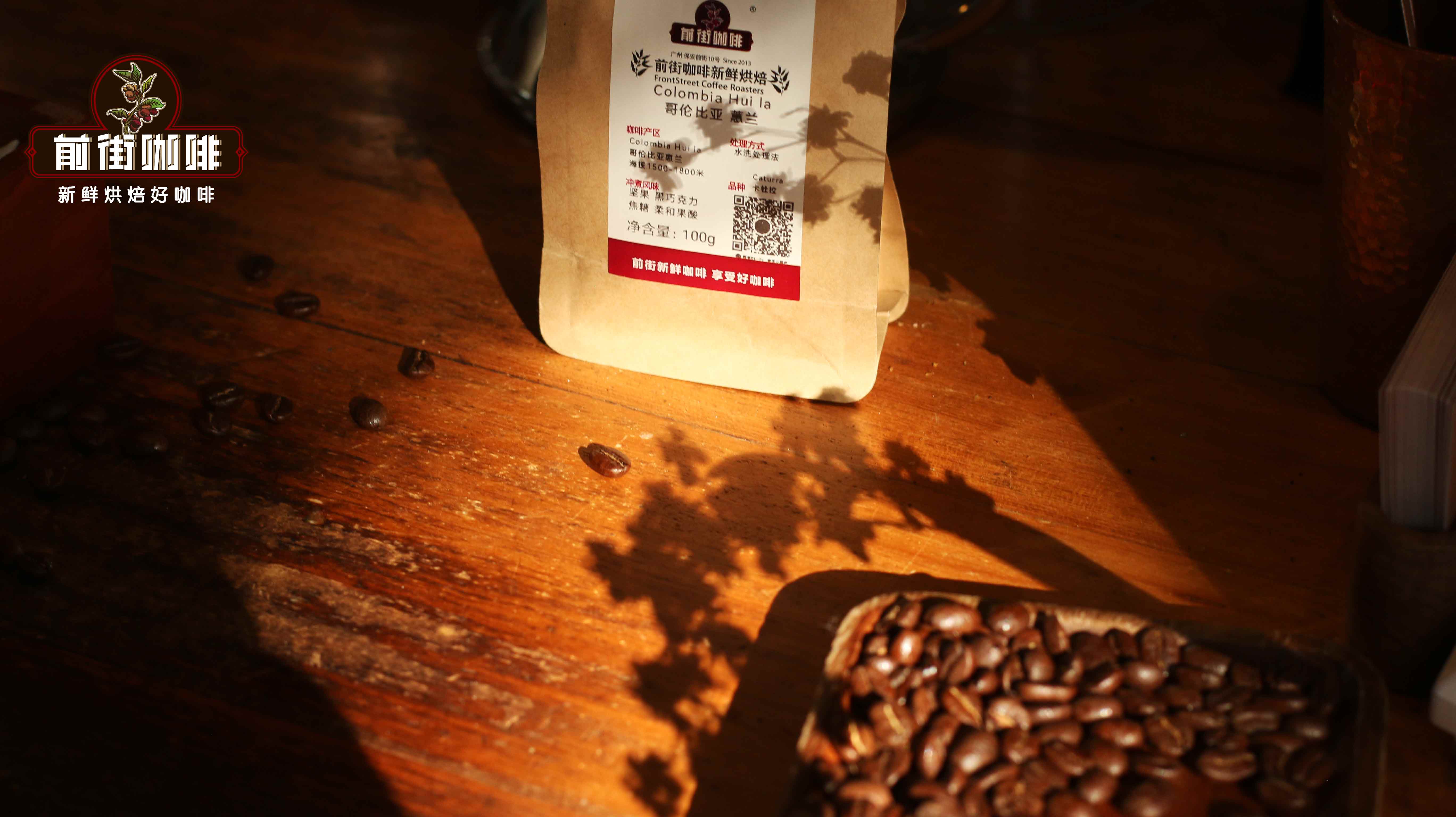
Colombian coffee farmers habitually plant coffee trees under shade trees, most of which are tall trees or banana trees. At the seedling stage, shade sheds are specially built to ensure the cool and humid environment needed for coffee growth. Inside the coffee forest, humidity is higher and temperature differences are smaller, slowing the ripening of cherries and favoring the accumulation of caffeine and aromatic substances, so the coffee quality is especially outstanding. The representative of Front Street Coffee Colombia comes from the well-known specialty producing area Huila, washed processed, with flavors of dark chocolate, nuts, cream, caramel, and soft fruit acidity.
3. Americas Brazil—Front Street Coffee Cerrado Coffee Beans
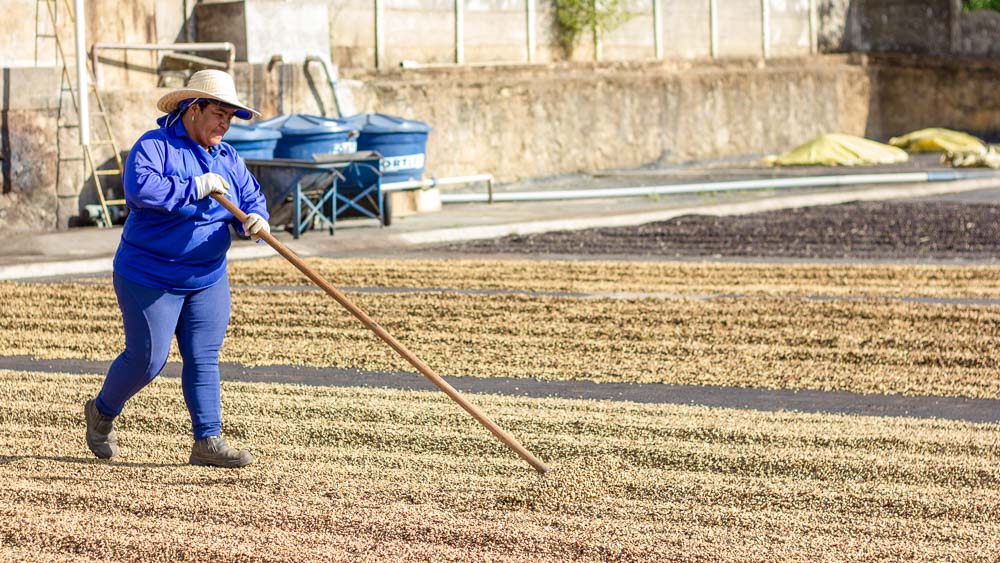
Brazil has a vast territory, divided into 26 states, 17 of which produce coffee, covering both Arabica and Robusta varieties. From the data, the four states of Paraná, São Paulo, Minas Gerais, and Espírito Santo together account for 80% of the country's total production. Compared with other Central and South American producing countries, Brazil's altitude is noticeably lower, the terrain is flat and uniform, lacking microclimatic conditions, and with the customary unshaded sun-dried cultivation method, Brazil's unique soft-bean style gradually formed—low acidity, prominent nutty notes, obvious chocolate sweetness, and good body.
Brazil makes full use of its tropical geographical advantages and places great importance on coffee production and sales. Its output, export volume, and per capita consumption have ranked first in the world for many years, earning it the title of "Coffee Kingdom." Front Street Coffee Brazil beans are known for being plump and mild in aroma, with a balanced and smooth taste, a typical representative of neutral coffee. They can be used as single-origin beans extracted by pour-over and other methods for drinking, and can also be blended with other beans for espresso making. As a representative of Brazilian coffee, Front Street Coffee Cerrado presents flavors of roasted peanuts, nuts, chocolate, and caramel.
4. Americas Costa Rica—Front Street Coffee Tarrazu Coffee Beans
Costa Rica is located in the Central American isthmus and is one of the most renowned producing areas in Latin America. Coffee beans produced in the country's high-altitude regions enjoy an extremely high reputation globally, with rich flavor, mild taste, moderate acidity, and all coffee beans undergoing fine processing, which is precisely the guarantee of their high quality.
The Tarrazu producing area is Costa Rica's most important and also highest-quality specialty producing area. In addition to micro-lots, Tarrazu also produces large quantities of ultra-high-quality macro-lots. Tarrazu is located in Costa Rica's beautiful Central Valley, and no pesticides or artificial fertilizers are used during cultivation. These conditions together establish the region's status as an ideal growing area for Arabica. The Costa Rican coffee selected by Front Street Coffee comes precisely from Tarrazu, using the more traditional washed processing, showing flavors of sweet orange, nuts, citrus, and berries after brewing.
5. Asia China—Front Street Coffee Yunnan Small-Bean Coffee Beans
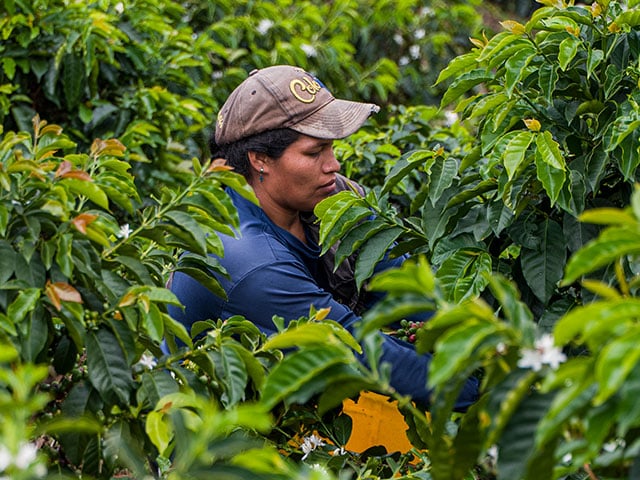
Yunnan Province has a high forest coverage rate, fertile soil, abundant rainfall, diverse terrain, moderate altitude, mild temperatures year-round, and is located near the Tropic of Cancer, making it a rare coffee-growing treasure within China. Yunnan's coffee-producing areas are far more than just Pu'er and Baoshan; Dehong, Lincang, and other places also grow coffee. Yunnan's climate is not distinct in four seasons, only divided into dry and rainy seasons. In terms of cultivation management, Front Street Coffee implements extremely strict standards to create a natural and comfortable growing environment for coffee trees. Because Typica is more difficult in field management than Catimor and is more sensitive to prolonged sunlight, Front Street Coffee deliberately maintains the diversity of plant species and ecological environment within the estate.
Due to the long rainy season and variable climate, Yunnan coffee beans mostly use the washed processing method, but there are also sun-dried batches. To better present the flavor of Yunnan small-bean, Front Street Coffee selected washed batches and used medium roasting, allowing Front Street Coffee Yunnan small-bean to show a balanced profile, with flavors of nuts, brown sugar, and chocolate on the palate.
6. Asia Indonesia—Front Street Coffee Mandheling Coffee Beans
Mandheling coffee comes from Sumatra, Indonesia, in Asia, and is also called "Sumatra coffee." Its main producing areas include Java, Sulawesi, and northern Sumatra. Although most coffee beans produced in Indonesia belong to the Robusta species, what truly made Indonesian coffee shine on the world stage is Mandheling. Mandheling is neither a producing area name, place name, port name, nor variety name; its origin is actually a transliteration of the Indonesian Mandailing people.
Indonesia's weather is humid and hot, and locals face many challenges when processing green coffee beans, such as moldy beans and unstable sunlight. To shorten processing time and reduce labor costs, locals gradually developed a unique processing method—wet hulling. Because fermentation and drying time are compressed, and the entire process takes place in a high-temperature, high-humidity environment, the resulting Mandheling coffee carries a dull herbal note and flavors such as pine wood. The birth of wet hulling was originally an adaptation to local conditions, yet it happened to give Front Street Coffee Mandheling a unique character different from other dark-roasted coffees, becoming a classic representative in the coffee world with notes of herbs, spices, and wood.
Introduction to the Pour-Over Coffee Operating Procedure
First, what are the factors affecting pour-over coffee extraction?
The freshness of coffee beans, grind size, coffee-to-water ratio, brewing water temperature, pouring technique, and extraction time—any change in any of these six items will affect the final coffee flavor. So how exactly do these six factors act on pour-over extraction? Front Street Coffee will sort them out one by one for everyone next.
Freshness of coffee beans. The most intuitive manifestation of freshness is the release of carbon dioxide from coffee beans. The resting process is actually the process of carbon dioxide being released, and at the same time, coffee beans are also volatilizing aromatic substances that determine flavor and aroma. These small-molecule aromatic substances volatilize faster than the large-molecule substances that reflect bitterness. Therefore, the less fresh the coffee beans, the less carbon dioxide and aromatic substances there are, and the fewer extractable substances remain. Front Street Coffee is well aware of the key role of freshness in flavor, so it insists on shipping only coffee beans within 5 days after roasting, hoping everyone can enjoy the fullest flavor window.
Coffee bean grind size. Grind degree refers to the size of coffee powder particles. Particle size actually affects the time required for water flow to reach the center of the coffee powder particle: the coarser the particle, the longer it takes for water to penetrate the particle and reach the internal extractable center substances; the finer the particle, the shorter the time for water to reach the center and extract the internal substances.
Pour-over coffee coffee-to-water ratio. The larger the coffee-to-water ratio, the weaker the coffee taste; the smaller the coffee-to-water ratio, the stronger the coffee taste. By increasing the amount of water to raise the coffee-to-water ratio, more flavor-contributing substances participate but the taste is lighter; by reducing the amount of water to lower the coffee-to-water ratio, fewer flavor-contributing substances participate but the taste is more intense. Increasing the coffee dose to lower the coffee-to-water ratio can reduce the extraction of large-molecule substances in the tail stage of the coffee while making the taste stronger; reducing the coffee dose to raise the coffee-to-water ratio, before reaching the limit, can extract more complete flavor substances while reducing intensity. Front Street Coffee habitually uses a 1:15 coffee-to-water ratio for extraction, which allows for greater fault tolerance.
Pouring technique: First use twice the amount of water relative to the coffee grounds to wet the coffee bed, forming a dome, and bloom for 30 seconds. Then pour in a small stream in circles from the inside outward, and when it reaches 125 grams, divide the pour into stages. Wait until the coffee bed drops to half the position of the dripper, then continue pouring the third stage with the same thin stream until 225 grams, until all the coffee liquid has finished filtering. Remove the dripper; the whole process takes about 2 minutes. After the coffee in the dripper flows into the server, remove the dripper, shake the coffee liquid in the sharing server evenly, and you can begin tasting the flavor of Yirgacheffe starting from high temperature.
The above content is compiled by CoffeeHunters, a coffee news website.


