







Search Results for: localization strategy
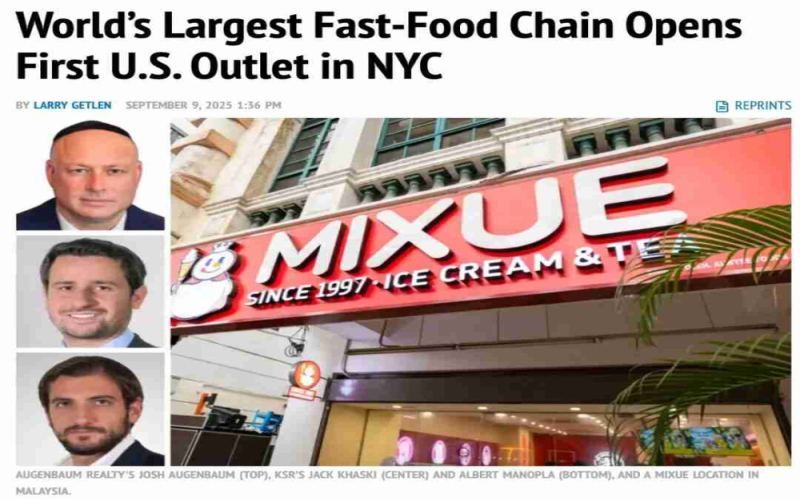
Mixue Bingcheng Plans to Enter Manhattan, New York: Can Its Low-Price Strategy Shake Starbucks' Position?
Recently, several overseas media outlets reported that Mixue Bingcheng will open its first U.S. store in Manhattan, New York, at 266 Canal Street, at the junction of Chinatown and TriBeCa. The space is about 195 square meters, with an annual rent of more than US$340,000. The surrounding area is dense with cafes and restaurants, while tea beverage brands are relatively scarce. Some reports say Mixue Bingcheng has long intended to enter the U.S. market, aiming directly at Starbucks. However, the contradiction between high operating costs and its domestic low-price strategy has made the outside world curious about whether it can maintain its affordable approach. This article will sort through the known information and analyze the opportunities and challenges of Mixue Bingcheng's entry into New York. [more…]
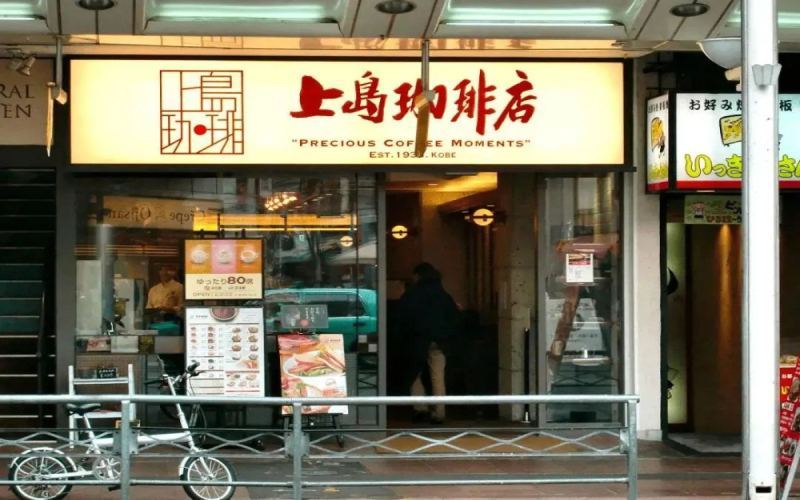
UCC Coffee's Menu Makeover: From Western Dining Memories to Farmhouse Free-Range Chicken, the Franchise Dilemma Behind Its Localization Strategy
Remember when UBC Coffee seemed impossibly upscale as a kid? That chain brand, which once embodied the first Western dining experience for the post-70s and post-80s generations, has now quietly transformed itself. From bitter melon and pork rib soup paired with pasta in Guangdong outlets, to farmhouse free-range chicken and steamed sea bass on Shanghai menus, UBC Coffee's degree of localization leaves even KFC and Pizza Hut in the dust. Is this proactive innovation or a desperate act of self-rescue? After franchisees pay their fees, headquarters washes its hands of them; membership cards are not valid across regions; and service standards vary wildly from store to store. As competition among large chain brands reaches a fever pitch, and independent coffee shops and some chain brands face a predicament, UBC Coffee has chosen a down-to-earth path of transformation. This article will walk you through how this former high-end Western restaurant has incorporated Chinese cuisine elements, and the survival logic behind its coffee-and-food pairing strategy. [more…]
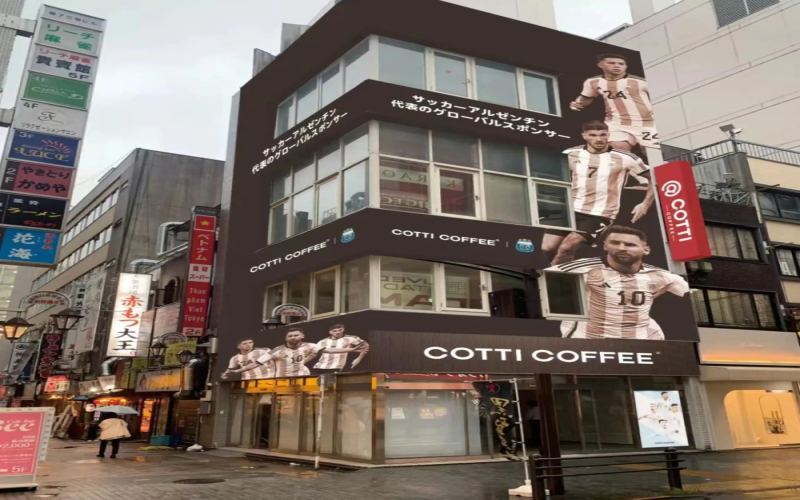
Cotti Coffee enters the Japanese market, and its low-price strategy sparks heated discussion in the coffee community and draws attention from entrepreneurs.
Since announcing its global strategy in August this year, Cotti Coffee has quickly opened two stores in Tokyo, Japan, drawing local consumer attention with opening promotional prices of 100-300 yen, and being dubbed by netizens as the "king of value for money." However, after the promotional period, prices will rise back to 500-650 yen, directly targeting well-known brands such as Starbucks. Japan's coffee market is fiercely competitive, with about 70,000 coffee shops nationwide. As a brand established only one year ago, why is Cotti in such a hurry to open stores in a mature market? Can its "Coffee Dreamer Program" and regional partner model help its overseas expansion? This article will provide an in-depth analysis of Cotti's international layout and the challenges it faces. [more…]
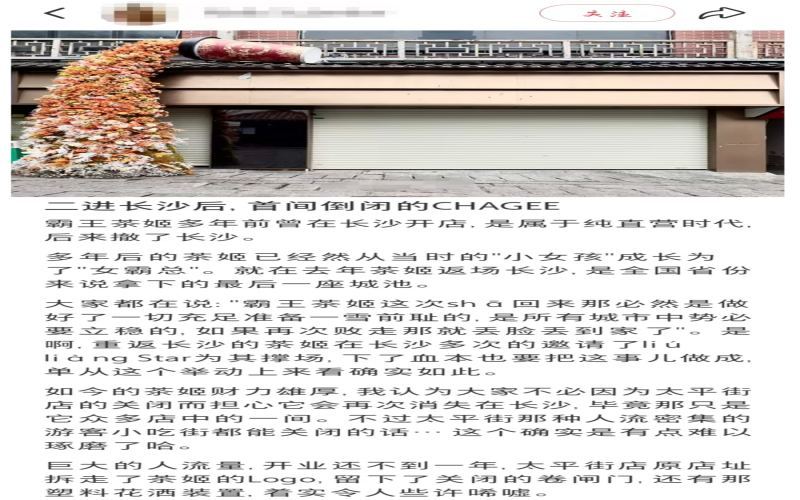
The Chagee store on Taiping Street in Changsha withdrew from the market after operating for less than half a year, sparking speculation about its market strategy.
Recently, a Chagee store on Taiping Street in Changsha suddenly closed, sparking widespread discussion online. The store had only opened in May this year, yet after just about half a year in operation, its signage was removed and equipment was moved out. Chagee had previously withdrawn from the Changsha market due to fierce competition in the tea beverage industry, made a high-profile return at the end of last year, and now has closed a store again, prompting speculation about its business condition and market strategy. Some residents reported that the store had sparse foot traffic, and business at other branches was also mediocre. The reasons for the closure may involve multiple factors such as profitability pressure, rental costs, and competition from local brands. Chagee currently still has more than fifty stores in Changsha, and consumers can go to other locations to make purchases. [more…]
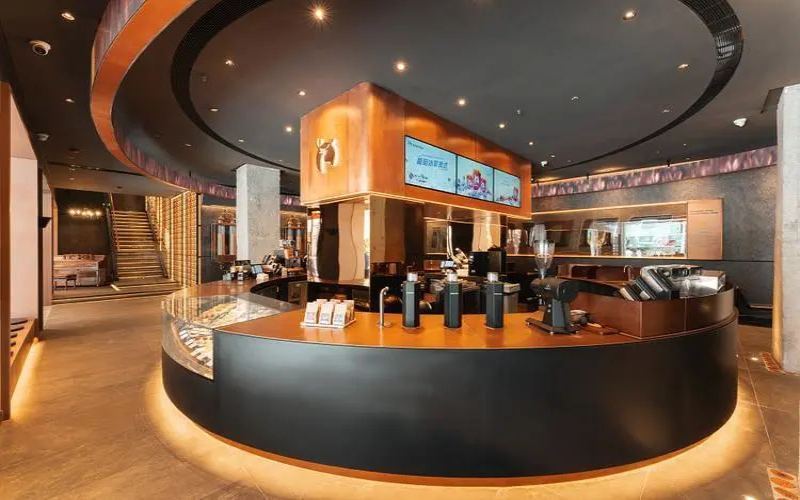
Luckin's Q2 revenue overtakes Starbucks China for the first time, with its ten-thousand-store scale and 9.9 strategy as key drivers
In the second quarter of 2023, Luckin Coffee delivered a remarkable report card: total net revenue of 6.2014 billion yuan, up 88% year-on-year, surpassing Starbucks China in revenue for the first time. At the same time, Luckin's total store count exceeded 10,836, making it the first chain coffee brand in China with over ten thousand stores. From the "store-attached franchise" policy to the "9.9 yuan every week" customer rewards campaign, Luckin is turning its scale advantage into long-term benefits for consumers. In overseas markets, however, Luckin has not continued its domestic low-price strategy; prices at its Singapore stores are even higher than those of local Starbucks, sparking considerable discussion. This article will walk you through the key figures and strategic moves behind Luckin's financial report. [more…]
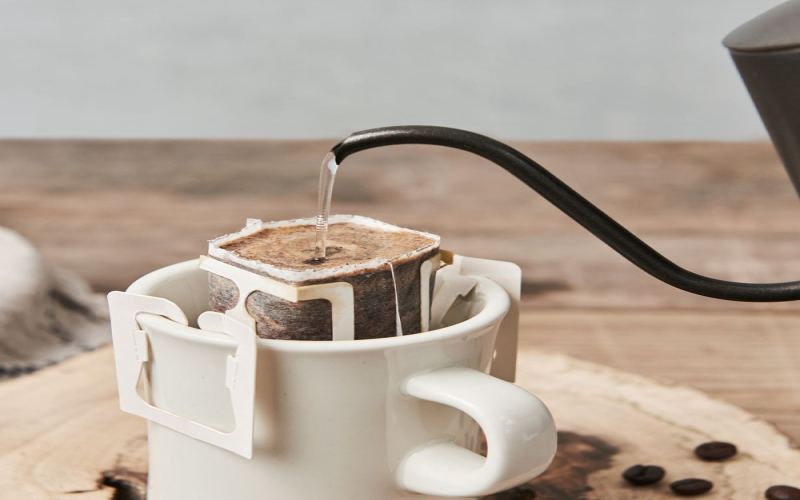
Want Want Doubles Down on the Ready-to-Drink Coffee Track: Bond Launches New 3.5 Yuan Bottled Product—Can a Low-Price Strategy Break Through?
Want Want Group has made another move in the coffee sector, with its Bond brand launching bottled ready-to-drink coffee priced at just 3.5 yuan. From being the first to enter the ready-to-drink coffee market in 1998 to now attracting consumers with a low-price strategy, Want Want has continued to deepen its presence in the coffee arena. Against the backdrop of rapid post-pandemic growth in the coffee market and an endless stream of local brands, Bond Coffee is trying to carve out a place in the fiercely competitive market through strategies such as health-oriented positioning, convenience, and esports marketing. Front Street Coffee will also continue to follow these developments and bring coffee lovers more industry observations. [more…]
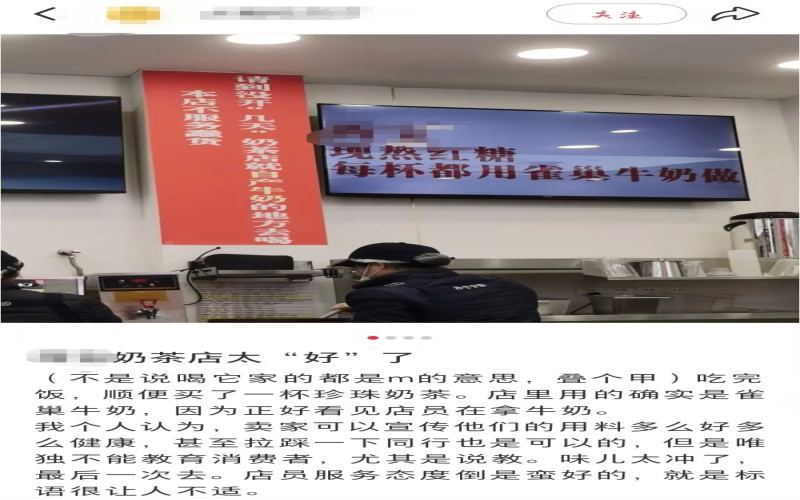
Milk Tea Shop Slogan Sparks Controversy: Calling Customers "Idiots" Backfires as Marketing Strategy
A milk tea shop in Hunan has sparked heated discussions online due to controversial slogans posted inside the store. The slogan, in white text on a red background, reads "This shop does not serve idiots," and suggests customers go to milk tea shops that haven't been open for "a few days" to drink self-produced milk. This way of expressing things not only left many netizens confused, but was also seen as "taking passive-aggressive jabs at peers and insulting consumers." It is worth noting that this shop previously imitated Mixue Bingcheng, recently shifted to the pearl milk tea track, and its promotional slogan has also been accused of being similar to Baozhu Gong. Is this kind of marketing strategy clever, or is it shooting itself in the foot? Let's take a closer look. [more…]
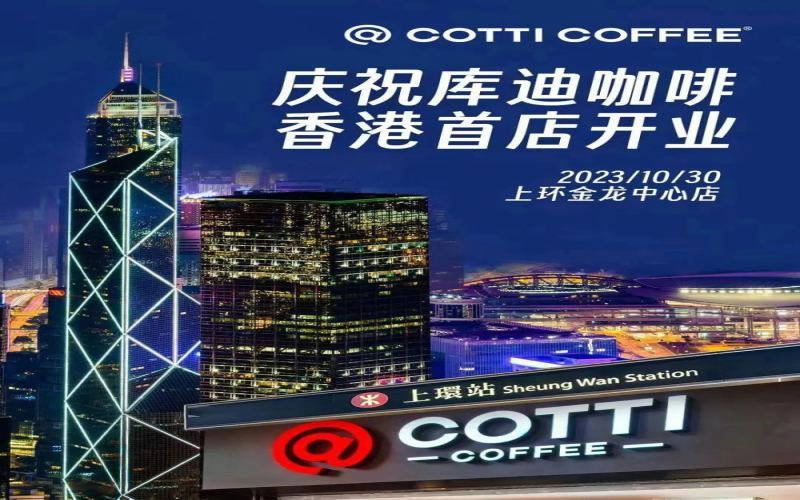
Cotti Coffee's first Hong Kong store lands in Sheung Wan: Can its low-price strategy sustain a high-cost market draws attention
On October 30, Cotti Coffee opened its first store in Sheung Wan, Hong Kong, operating on a grab-and-go model with prices at HK$10 to HK$20, far below other local coffee brands. In the early days after opening, it attracted many customers eager to check it out, but reviews of the taste were mediocre, and it faces pressure from Hong Kong's high rents and labor costs. Some analysts point out that the store needs to sell more than 400 cups a day just to break even. At the same time, Cotti itself is also grappling with store closures, supply chain shortages, and franchisees exiting, and its pace of opening stores has slowed markedly. With its cash flow under strain, whether expansion in Hong Kong, Macau, and overseas can become a new turning point remains to be seen. [more…]
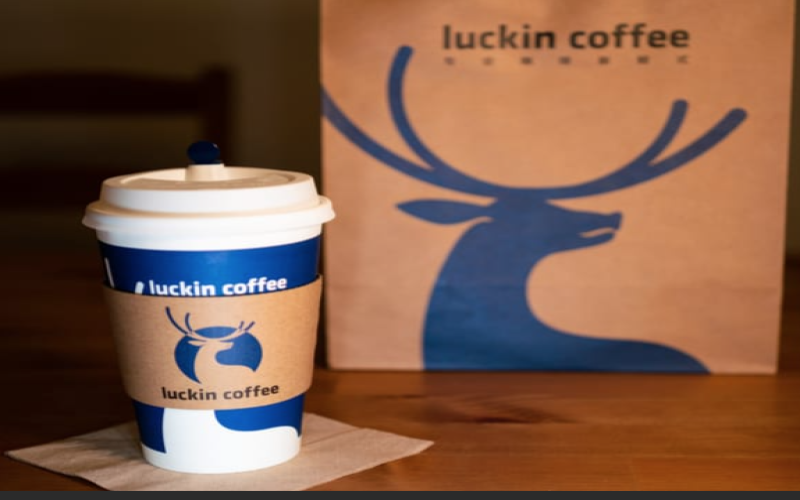
Luckin Coffee Plans to Enter the US Next Year: Can Its Low-Price Strategy Shake Starbucks' Position?
Recent reports suggest that Luckin Coffee plans to enter the US market as early as next year, aiming to challenge local giants like Starbucks with affordable beverages priced at $2 to $3. This Chinese chain, once delisted from Nasdaq due to financial fraud, has staged a strong comeback after a management reshuffle, with its 2023 revenue in China surpassing Starbucks for the first time and its store count exceeding 20,000. Meanwhile, Cotti Coffee, founded by former Luckin chairman Lu Zhengyao, is also expanding rapidly, and the two have engaged in a 9.9 yuan price war domestically. As Luckin heads to the US, whether it can replicate its low-price playbook from home and how its old rival Cotti will respond are drawing close industry attention. [more…]
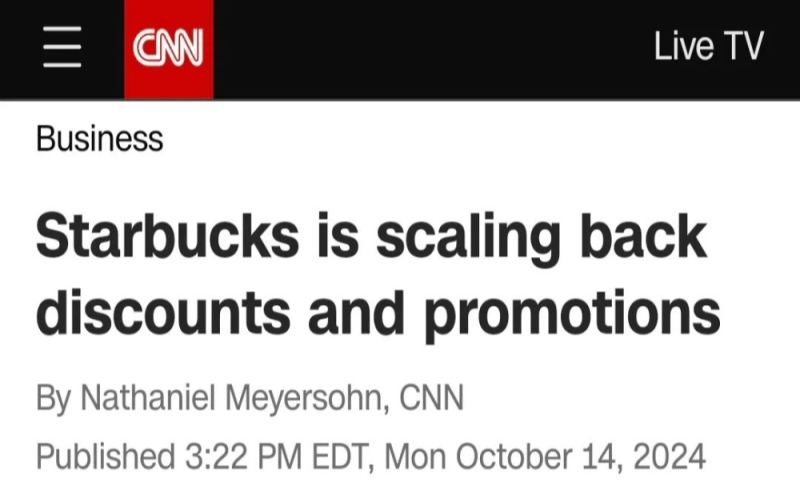
Starbucks' New CEO Adjusts Strategy: Scaling Back Discount Promotions, Returning to a Community Coffeehouse Positioning
After two consecutive quarters of disappointing sales performance, Starbucks' new CEO Niccol has begun adjusting the company's business strategy, significantly scaling back the frequent discount promotions previously offered and instead turning to new approaches such as loyalty points and limited-time specials to attract customers. This move aims to reverse the sales decline while reshaping Starbucks' brand positioning as a "community coffeehouse." However, reducing discounts may also push some consumers toward more cost-effective alternatives. This article will examine the background of Starbucks' strategic adjustment, the specific measures involved, and the potential impact they may bring. [more…]
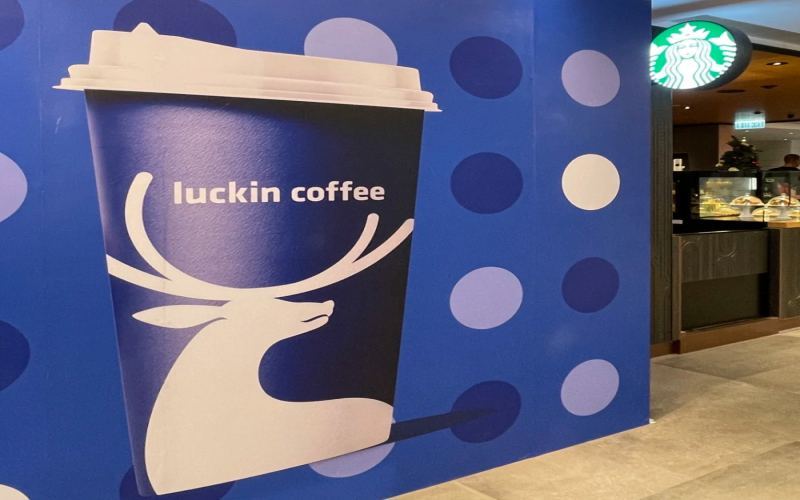
Luckin Coffee's Hong Kong layout of seven stores: can its affordable pricing strategy continue? This has drawn attention.
Luckin Coffee has been making frequent moves in the Hong Kong market recently. According to netizens' compilation, seven stores are currently in the preparatory stage, located in Mong Kok, Tsim Sha Tsui, Tseung Kwan O, Kowloon Tong, Sha Tin, Ho Man Tin, and Sheung Wan. Among them, the Tsim Sha Tsui branch is situated right next to Starbucks, seen as a signal of direct confrontation between the brands. These stores are all currently shown as under renovation, with hoardings marked "Opening Soon." The Tsim Sha Tsui store is expected to open first early next month, and the Tseung Kwan O store is also expected to welcome customers in December. As Hong Kong people increasingly travel north to consume, mainland catering brands are heading south to test the waters. Luckin's entry has local consumers eagerly anticipating whether "9.9 yuan coffee" can land in Hong Kong. [more…]
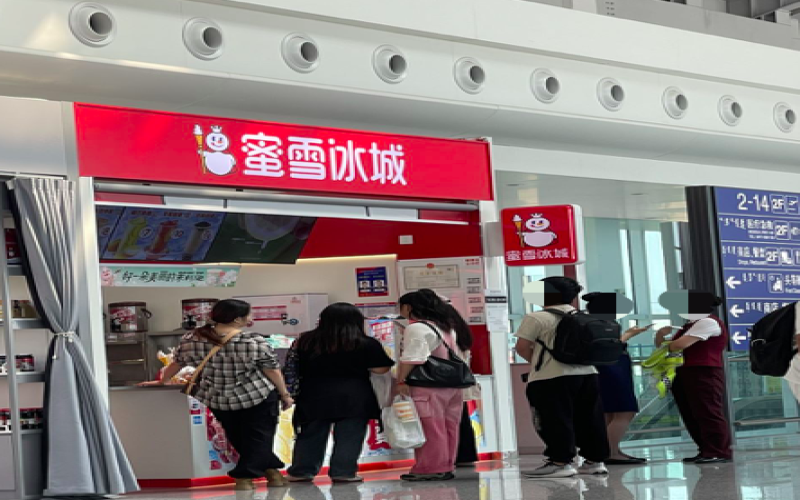
Mixue Ice Cream & Tea's airport store raises prices by just one yuan: analyzing the supply chain logic behind its affordable strategy.
Recently, a netizen noticed while waiting for a flight at the airport that the Mixue Bingcheng store had a continuous stream of people lining up to pick up their orders. Upon closer inspection of the menu, the drink prices were only one yuan higher than those at city center locations. At transportation hubs like airports and high-speed rail stations, food and beverage prices are typically much higher than in urban areas, and Mixue Bingcheng's pricing strategy has sparked widespread discussion. Many consumers have shared their experiences at scenic spots and even overseas stores, discovering that Mixue Bingcheng maintains nearly uniform pricing. What business logic lies behind this seemingly "unprofitable" approach? This article will analyze the real reasons why Mixue Bingcheng can maintain its affordable strategy from the perspectives of brand positioning, supply chain system, and revenue structure. [more…]
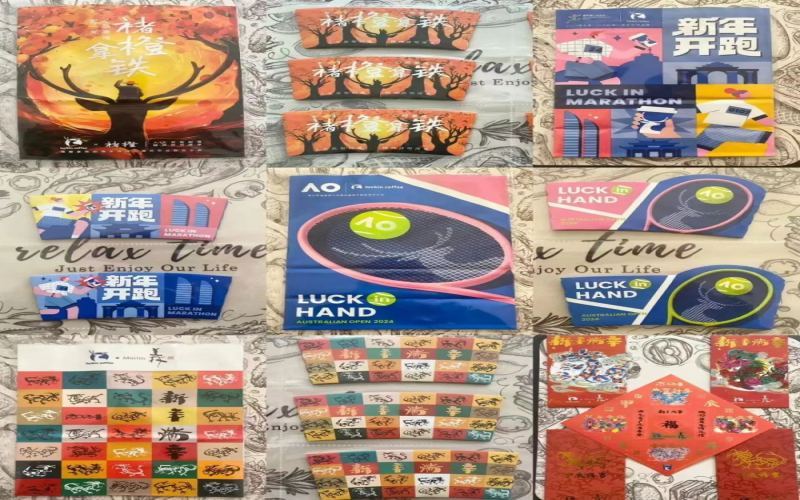
Starbucks Year of the Dragon cup sleeves break convention, marking a turning point in co-branded packaging strategy
Collaboration campaigns by coffee chains usually come with limited-edition cup sleeves, stickers, and paper bags, while Starbucks has long stuck to its classic brown paper bags and green logo, a habit consumers jokingly call "unchanged for a decade." Yet during the Chinese New Year of the Dragon, Starbucks unexpectedly rolled out three limited-edition dragon-year cup sleeves, sparking widespread discussion. Netizens jokingly dubbed this move "a decision that betrays the ancestors," and it was also seen as a new attempt by Starbucks at localizing in the Chinese market. Against the backdrop of accelerating store expansion into lower-tier cities and insisting on not engaging in price wars, can Starbucks win over more consumers through limited-edition packaging? This article takes you through the details. [more…]
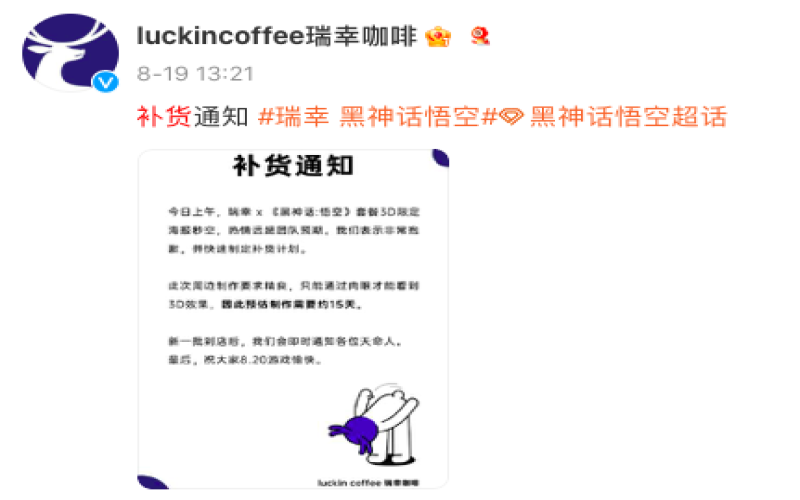
Luckin's co-branded merchandise restock accused of passing off old stock as new, consumers question hunger marketing strategy
Luckin Coffee's collaboration with "Black Myth: Wukong" ignited the market, with the lenticular card posters selling out rapidly and sparking consumer dissatisfaction. After the official promise of restocking within 15 days, some stores gradually received new supplies, but customers discovered that the production date on the newly arrived posters was July 15, the same as the first batch, raising questions that the brand was passing off old inventory as restocked goods, which once again triggered discussions about Luckin's marketing strategy. The incident exposed multiple issues in the supply chain and inventory management of collaboration merchandise, and also made consumers doubt the brand's sincerity. [more…]
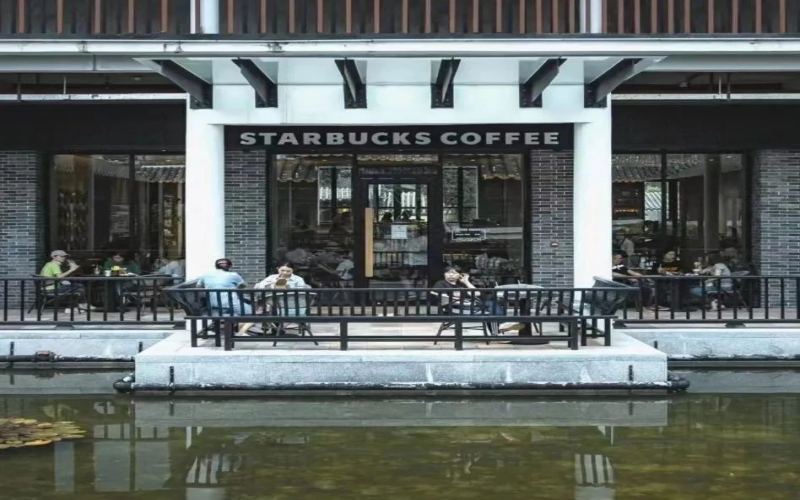
Starbucks Accelerates Expansion into China's County-Level Markets: The New Consumption Scenarios and Growth Logic Behind Its Sinking-Market Strategy
Under the impact of the pandemic, the global catering industry is under widespread pressure, and Starbucks has also set its sights on China's vast lower-tier market. From slowing the pace of store openings in the United States and increasing its bet on China, to putting forward the vision of covering more than 300 cities by 2025 and opening a new store on average every nine hours, Starbucks is treating county-level markets as an important breakthrough. The consumption periods and customer group structure of county-town stores are completely different from those in first- and second-tier cities. Instead, breakfast, afternoon tea, and the period after dinner form peak hours, and social and scene-based needs far exceed the simple need for caffeine. Combining frontline observations with the views of Liu Wenjuan, chief operating officer of Starbucks China, this article analyzes why county-level markets have become an important way out for Starbucks. [more…]
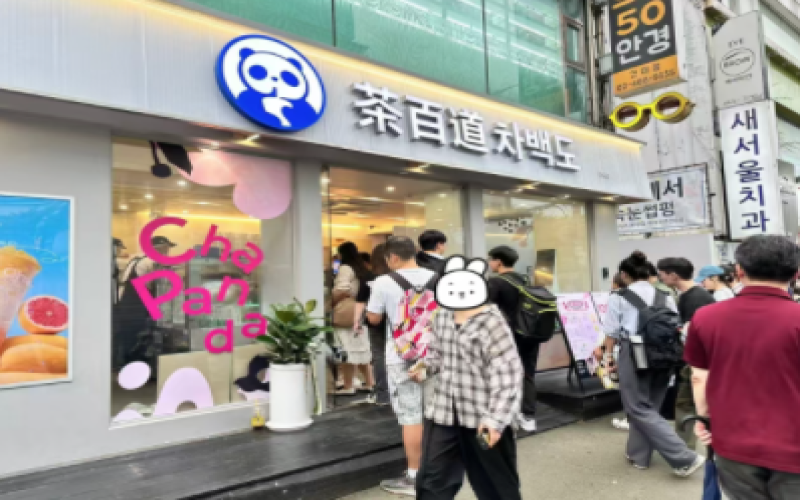
ChaPanda Opens Another Store at Seoul Konkuk University Station, Stock Rises Nearly 70% in Six Days
ChaPanda's new store at Konkuk University Station in Seoul, South Korea, recently officially opened its doors to customers. This is the brand's second store in the greater Seoul area, following its first store in Gangnam District earlier this year. At the same time, ChaPanda's stock price has performed impressively recently, with cumulative gains of nearly 70% over the past six trading days. From choosing South Korea as its first overseas destination, to launching Korea-exclusive products, to local consumers accounting for more than 80%, ChaPanda is validating its store model in the East Asian market through a differentiated strategy. This article will review ChaPanda's expansion path in South Korea, its product strategy, and the latest developments in the capital market. [more…]
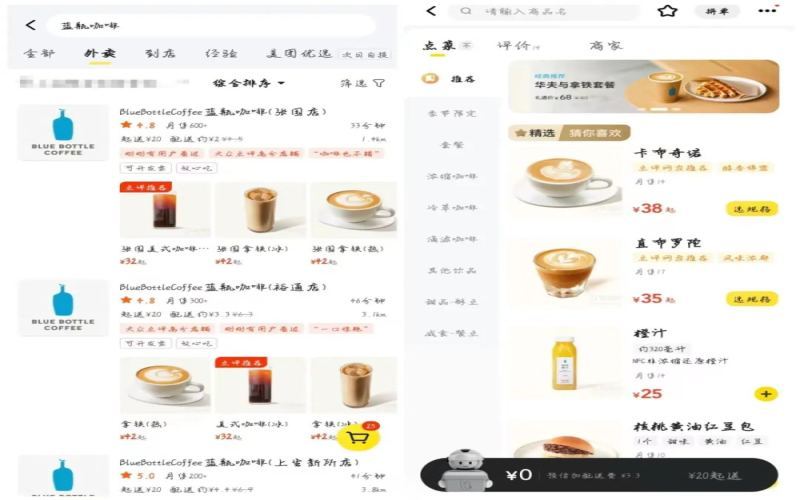
Blue Bottle Coffee Lands on Delivery Platforms: Accelerated Store Expansion and a Shift in Brand Strategy
On April 18, a new store called "blue bottle coffee" quietly appeared on a food delivery platform. After verification, this was not a counterfeit or a purchasing agent, but an official delivery channel opened by Blue Bottle Coffee. The delivery prices of drinks from Shanghai stores are consistent with those on the mini-program, and during the opening period, limited-edition fridge magnets were given away and delivery fee discounts were offered. Behind this move is a series of accelerated adjustments by Blue Bottle recently in store layout, pop-up events, and brand strategy. From rumors of store expansion in Shenzhen, Chengdu, and Xi'an, to the queues triggered by the Wuxi pop-up truck, and to blue bottle studio soon landing in Shanghai, this brand once jokingly called "unable to leave Shanghai" is trying to break its established rhythm. However, at a time when coffee consumers are increasingly picky and competition among chain brands is fierce, whether opening delivery can truly help Blue Bottle win more users' hearts still needs time to test. [more…]
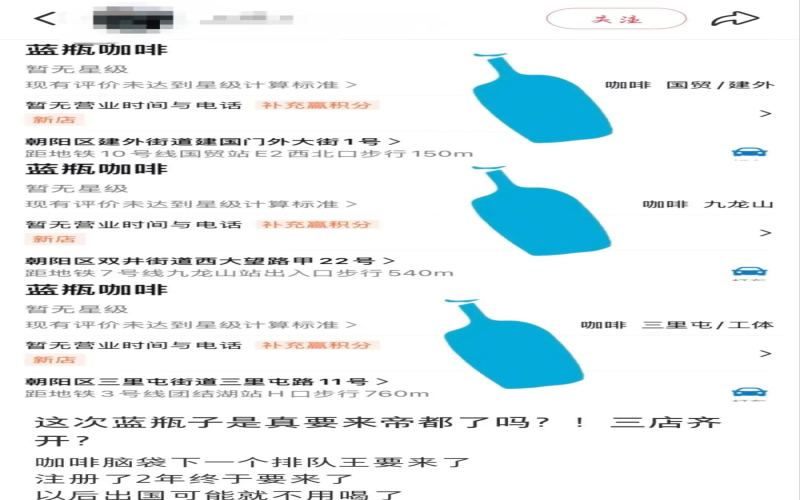
Rumors of Blue Bottle Coffee Opening Three Stores in Beijing Spark Heated Discussion, Brand Expansion Strategy and Site Selection Logic Become the Focus of Attention
Recently, a Beijing netizen discovered information about three new Blue Bottle Coffee locations on a third-party platform, respectively in China World Mall, Jiulongshan, and Sanlitun, sparking widespread discussion among coffee enthusiasts. Since entering China in 2022, Blue Bottle has opened only 13 stores in three years, expanding slowly yet enjoying great popularity. Is the rumor of three simultaneous new stores in Beijing true? Fans hold differing views. Some point out that Blue Bottle has recently made new moves in Shenzhen and Hangzhou, suggesting an acceleration in expansion; others believe the brand values site selection and cultural integration, and would not cluster in core commercial districts. Regardless of authenticity, Beijing fans are all looking forward to the day they can drink Blue Bottle right in their neighborhood. [more…]
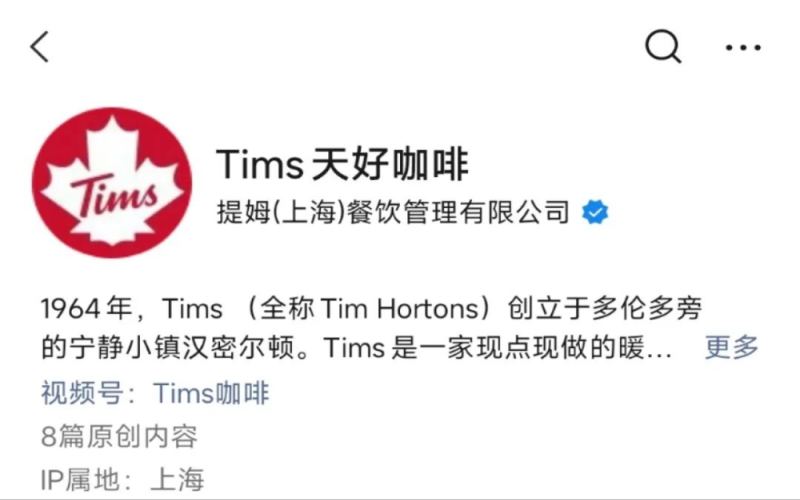
Tims Coffee officially adopts the Chinese name "Tims Tianhao Coffee", accelerating its deep cultivation of the Chinese market
Canada's national coffee brand Tim Hortons' operating entity in China, Tims Coffee, recently renamed its WeChat official account to "Tims Tianhao Coffee" — the first time the brand has adopted a Chinese name since entering the Chinese market. According to a report by CNR, Tims stated that introducing a Chinese name is aimed at better advancing its localization strategy, deepening its expansion in the Chinese market, and preparing for subsequent entry into lower-tier markets, with an official announcement expected by the end of this month or early next month. From the opening of its first store in Shanghai in 2019, to its Nasdaq listing in 2022, and now to the adoption of a Chinese name, Tims China has been accelerating its expansion every step of the way, with its store target adjusted from an initial 1,500 in ten years to 2,750 by 2026. This article will review Tims China's brand development history, financing and listing milestones, product and pricing positioning, latest financial report data, and store expansion plans, analyzing its determination and strategy for deeply cultivating the Chinese coffee market. [more…]
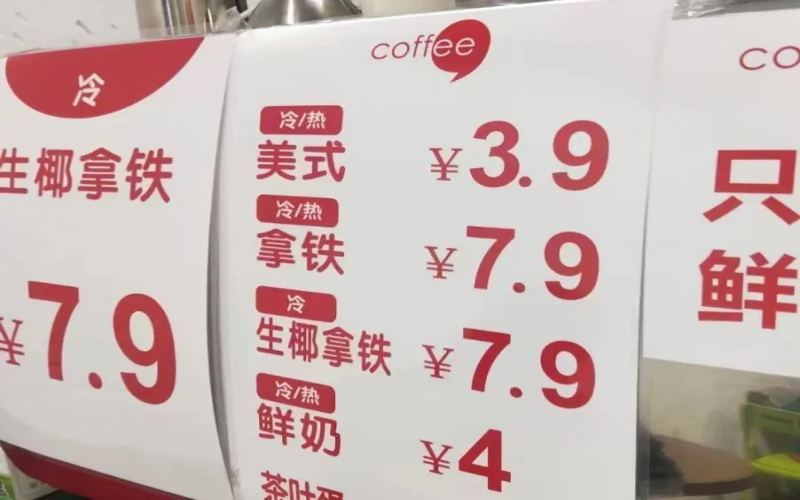
Single-Digit Coffee Sweeps the Market: Can a Low-Price Strategy Sustain the Survival Space of Coffee Shops?
In recent years, coffee priced under 10 yuan has gone from impossible to the norm. Leading brands such as Luckin, Cotti, and Lucky Cup have all entered the fray, while regional chains and even newly opened small shops are racing to use single-digit pricing as their calling card. From Nantong to Qingdao and then to Shanghai, low-priced coffee is blooming everywhere, but the cost pressure and profit logic behind it deserve deeper scrutiny. Giants rely on supply chain advantages to dilute costs, while independent stores try to attract first-time triers and cultivate repeat purchases with a low threshold. However, when coffee prices are simplified into two camps—"under 10 yuan" and "over 10 yuan"—stores priced above 10 yuan that lack brand and quality support will face a severe test of survival. This article analyzes the underlying logic and future direction of this price war. [more…]