







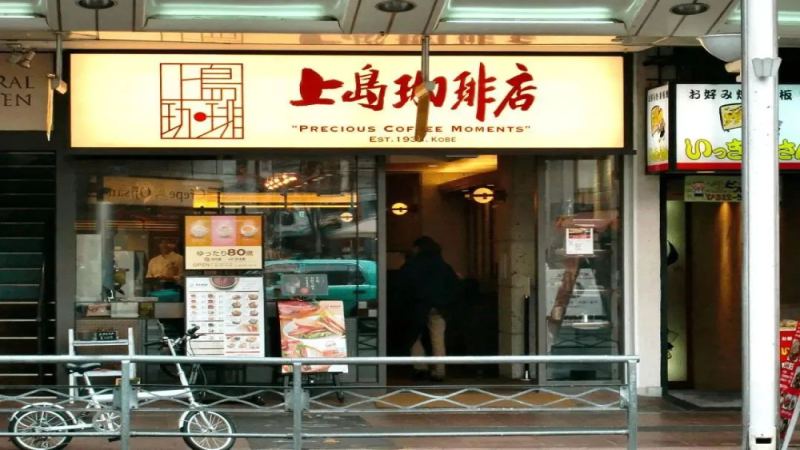
Why Does the Coffee Restaurant Menu Go Local?
UBC Coffee, once a Western dining landmark for the post-70s and post-80s, has rebuilt its coffee restaurant menu around local dishes. Guangdong outlets pair bitter melon and pork rib soup with pasta, and Shanghai menus list farmhouse free-range chicken and steamed sea bass. The chain originated in Taiwan and was founded in Hainan in 1997 before expanding across the mainland.
Intense competition among chain brands pushed the change, and franchise problems compound it: after paying fees, franchisees report little headquarters support, membership cards are not valid across regions and service quality varies by store. The blend of Japanese-influenced coffee brewing tradition with Chinese dishes is the survival logic behind UBC's localization strategy.
Remember when UBC Coffee seemed impossibly upscale back in childhood? That chain brand, which once hosted the first Western dining experiences for the post-70s and post-80s generations, has now quietly transformed. From bitter melon and pork rib soup paired with pasta in Guangdong outlets, to farmhouse free-range chicken and steamed sea bass on Shanghai menus, UBC Coffee's localization goes so deep that even KFC and Pizza Hut would be envious. Is this proactive innovation or a desperate self-rescue? After franchisees pay their fees, the headquarters washes its hands of them; membership cards aren't valid across regions, and service quality varies wildly from store to store. As competition among major chain brands heats up and independent cafes and some chains face tough times, UBC Coffee has chosen a down-to-earth path of transformation. This article will walk you through how this once high-end Western restaurant has incorporated Chinese cuisine elements, and the survival logic behind its coffee-and-food pairing strategy.
▲
Click to follow | Daily specialty coffee culture magazine Coffee Workshop
In recent years, competition among major coffee chains has grown increasingly fierce, and independent cafes—even some chain brands—are feeling unprecedented pressure. Do you all remember that rather classy Western restaurant from your childhood—UBC Coffee?
For the post-70s and post-80s generations, UBC Coffee holds many memories. It was both our introduction to Western cuisine and a place for gathering with family and friends or enjoying romantic moments with a loved one.
One netizen lamented: "As a kid, passing by after school, I thought it must be so expensive and figured I'd go when I grew up—but by the time I grew up, it was gone."
Public records show that UBC Coffee originated in Taiwan. Shanghai UBC Coffee Food Co., Ltd. blended decades of coffee culture from the Taiwan region and drew on Japanese coffee brewing techniques. After being founded in Hainan in 1997, it rapidly expanded across the mainland within just a few years thanks to its unique business model.
Another account holds that the name "UBC" was first brought to Taiwan by Japanese, carrying strong Japanese connotations. In 1968, Chen Wenmin founded "Taiwan UBC Coffee" (UBC COFFEE) in Taiwan, mainly selling coffee equipment. Later, "UBC Coffee Haikou Store" opened. In July of the same year, "Hainan UBC Agricultural Development Co., Ltd." was established, with You Changsheng as chairman and Chen Wenmin as general manager.
Today, UBC Coffee is no longer that intimidating Western restaurant; it has become more accessible, more down-to-earth, and more attuned to Chinese consumers' tastes—arguably a "Chinese-style" coffee brand.
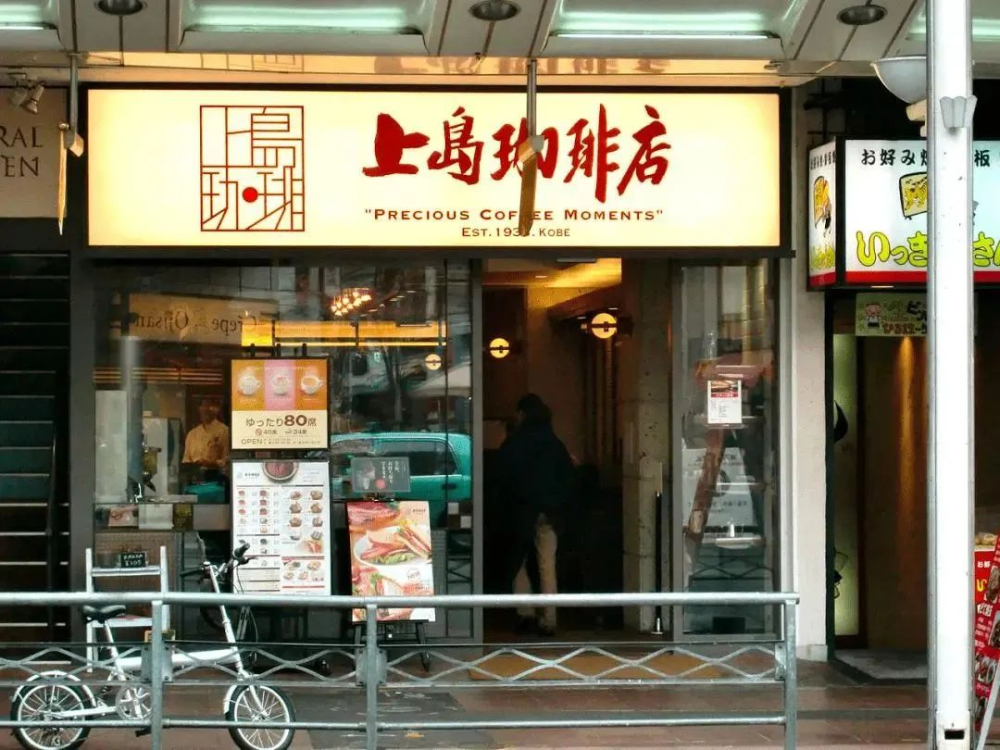
Leafing through UBC Coffee menus from different regions is truly an eye-opener. Its approach is all about adapting to local conditions, taking local specialties and "playing them to the hilt." Its degree of localization is so high that even Pizza Hut and KFC probably can't keep up.
At UBC outlets in Guangdong, pasta can actually be paired with bitter melon and pork rib soup—only UBC Coffee would have the nerve. Then look at the Shanghai UBC Coffee menu, which prominently features farmhouse free-range chicken, savory three-delicacy dish, steamed sea bass, and more, making one wonder: isn't this a rural eatery?
Actually, UBC Coffee's foray into Chinese cuisine is nothing new. As early as seven or eight years ago, those old stores that had been operating for over a decade began experimenting with Chinese food menus. As Chinese consumers' pursuit of good food grows and tastes become more diverse, cafes have had to incorporate more Chinese cuisine elements to attract more customers.
And UBC Coffee's choice of the Chinese food route may be more of a self-rescue measure.
It's said that initially, "UBC Coffee shareholders took the franchise fees and then washed their hands of it." In other words, after franchisees pay the franchise fee, it's essentially just putting up the "UBC Coffee" sign—after getting the first batch of raw materials from headquarters, all subsequent operations are left to the franchisees themselves.

This explains why, with so many UBC Coffee locations nationwide, service standards vary so widely from store to store. What annoys consumers most is that UBC Coffee membership cards can't be used nationwide—wherever you got the card is the only place you can use it.
In fact, besides UBC Coffee, many coffee brands and independent cafes are adopting a "coffee + food" market strategy. To survive, there seems to be no problem that can't be solved. For coffee lovers who prioritize quality, brands like Front Street Coffee that focus on the quality of the coffee itself are also responding to market changes through consistent output.
Image source: Internet
Disclaimer: Some images in this article are from the internet. For some content on the website, such as images, we will respect the original copyright and cite the source. However, due to the large volume, some images and texts may not have been credited in time; please forgive us. If the original author has any disputes, they can contact the website for handling, and once verified, we will correct it immediately. Compiled and edited by "Coffee Workshop." Please indicate the source when reposting. If there is any infringement, please let us know and we will delete it. Thank you~!
The above content is compiled by CoffeeHunters, a coffee news website.


