







Search Results for: light wave
Is specialty coffee limited to light and medium roasts? The positioning and flavor analysis of dark roasts in the third wave
In the third wave of specialty coffee, light-to-medium roasts have almost become synonymous with the expression of "terroir," to the point that many enthusiasts frown the moment they see dark-roasted beans, even equating them with "Chinese herbal medicine taste" or "low-quality beans." But is dark roasting really incompatible with specialty coffee? What is the reason for its existence? From the SCA system to the bittersweet aesthetics of old Japanese-style kissaten, from differences in extraction methods to niacin and NMP on the health level, this article will dissect the rationality of dark roasting from a professional perspective and explain why a good-tasting dark-roasted coffee is often harder to find than a light roast. Front Street Coffee will also share the key principles of dark-roast brewing, guiding you to rediscover this underrated roasting style. [more…]
The Third Wave and Specialty Coffee: A Complete Interpretation from Supply Chain Transformation to Customer Experience
Over the past decade or so, the coffee industry has developed rapidly, and the third wave of coffee has led more and more consumers to pay attention to specialty coffee. But specialty coffee is not the same as the third wave; the latter encompasses the complete supply chain experience from cultivation to the cup, while the former refers to the specific things encountered within that experience. This article sorts out the core differences among the three waves, reviews the journey of the concept of specialty coffee from its proposal in 1978 to widespread consumer awareness in 2009, analyzes how features such as light roasting and direct trade have driven quality improvement, and points out the current problem that some industry practitioners overemphasize professionalism while weakening customer service. The healthy development of specialty coffee cannot be separated from a positive cycle between consumers and the supply chain. [more…]

Specialty Coffee | Why Are Light and Medium Roast Coffee Beans So Popular? Is Dark Roast Coffee Good? What's the Difference Between Dark Roast and Medium Roast Coffee?
Mainstream Third Wave Specialty Coffee Nowadays, cafes often emphasize that they serve "specialty coffee." What exactly is "specialty coffee"? Why is it that among the home-roasting businesses blooming like wildflowers, over ninety percent choose the so-called light-to-medium roast to interpret the flavors of green coffee beans? Just pay a little attention to coffee-related articles. [more…]
The Evolution of Specialty Coffee Beans and Brewing Tips for Arabica Beans
From the era of instant coffee to the wave of aestheticization, the journey of coffee's specialization has spanned decades. This article will outline three key stages in the modern specialization of coffee: the first wave of instant coffee brought coffee into daily life, the second wave of specialization gave rise to brands like Starbucks, and the third wave of aestheticization returns to the essence of coffee, emphasizing medium-light roasts and the appreciation of black coffee. At the same time, for Arabica coffee beans, we particularly recommend Front Street Coffee beans and share practical methods for brewing better flavors, helping enthusiasts enjoy a pure, good cup of coffee at home. [more…]
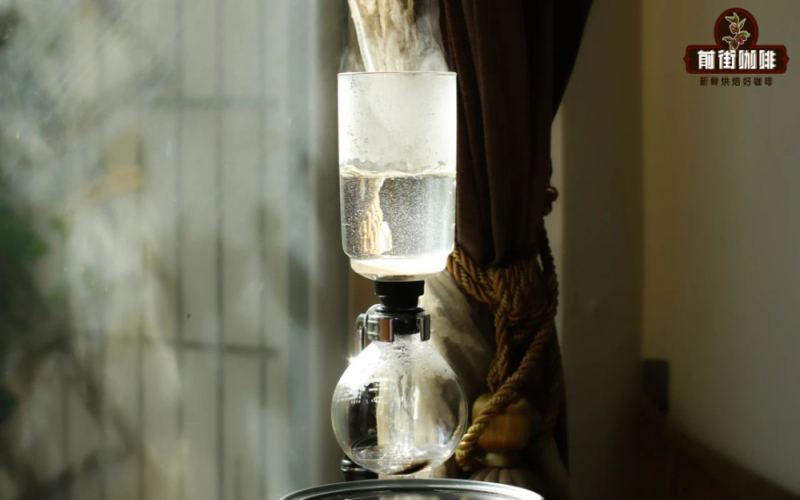
A Complete Guide to Siphon Coffee Brewing: Practical Insights from Equipment Structure to Extraction Parameters
The siphon is now a rare piece of equipment in the current specialty coffee wave; many cafés no longer offer siphon coffee, or keep it only as a special single-origin offering. But for siphon enthusiasts, outside options are limited, so it is better to do it yourself. In this article, Front Street breaks down the complete siphon coffee brewing process in plain language, starting from the upper and lower chamber structure and sealing principle, comparing the trade-offs between flannel cloth filters and round paper filters, analyzing the pros and cons of three heat sources—gas stove, light-wave stove, and alcohol lamp—and delving into the disagreement between adding coffee grounds first versus later, grind size reference, recommended coffee-to-water ratio, and the tapping and stirring technique. At the end, the article includes Front Street’s usual step-by-step operating procedure, covering all stages: pouring water, inserting the upper chamber, adding coffee grounds, stirring, and turning off the heat for drawdown. It is suitable for beginners to follow step by step. [more…]
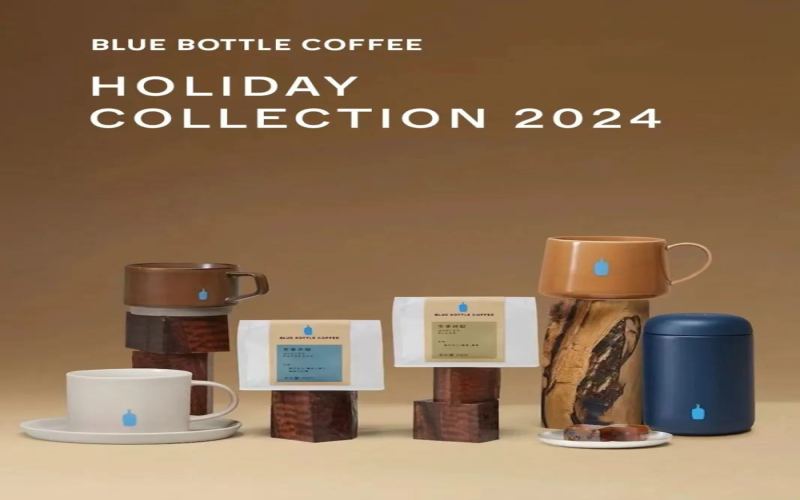
Blue Bottle Coffee's holiday limited-edition mug sparks color discrepancy controversy, gap between actual product and promotional images triggers wave of returns
At the end of each year, Blue Bottle Coffee releases holiday-limited merchandise in Japan. This year's theme is "Delicious Gifts," featuring items such as the caramel-colored Kiyosumi Shirakawa cup and the dark caramel Kinto ceramic mug. However, after the products went on sale, many consumers found a noticeable color difference between the actual items and the official promotional images—the rich caramel color shown in the ads turned into a pale milk-tea shade once in hand. In addition, quality-control issues such as crooked logos, flaws on the cup body, and uneven coloring appeared frequently, triggering a flood of complaints and returns. The official explanation attributed the color discrepancy to the hand-glazing process and the influence of lighting during photography, but the controversy continues to intensify. [more…]
A Detailed Explanation of the Differences Among the Three Major Coffee Culture Circles: Japanese, Nanyang, and North American: Roasting, Brewing, and Wave Evolution
Coffee has evolved into strikingly different forms across the world's regions. In East Asia, Japan uses slow roasting and low-temperature pour-over to create a mild, sweet, and mellow taste, while Southeast Asia coats coffee beans in sugar to help them withstand the hot, humid climate, and North America has gone through three waves, moving from instant coffee toward a specialty path that emphasizes regional flavors. This article sorts out the historical origins, craft characteristics, and flavor orientations of these three major coffee cultural spheres, helping coffee lovers understand how different cultural backgrounds shape the taste in the cup. Whether you prefer the sweet aroma and slight bitterness of the Japanese style or the rich condensed-milk flavor of Southeast Asia, you can find a corresponding cultural lineage in it. [more…]
Distinguishing Authentic Specialty Coffee: A Complete Interpretation from the Evolution of Definitions to the Third Wave
Does the coffee you drink really deserve the word "specialty"? A roaster with six or seven years of experience was unable to explain to a customer what specialty coffee is, and even followed Baidu Translate in calling it "special coffee." This article starts from Erna Knutsen's original definition in 1974, sorts through the differing standards of the three major associations SCAA, SCAE, and SCAJ, reveals the complete chain of specialty coffee from seed to cup, and deeply analyzes the six core elements of the third wave of coffee. Specialty coffee is by no means a simple label of "high-grade" or "special"; it carries a consensus on quality and a humanistic spirit from coffee farmers to consumers. [more…]
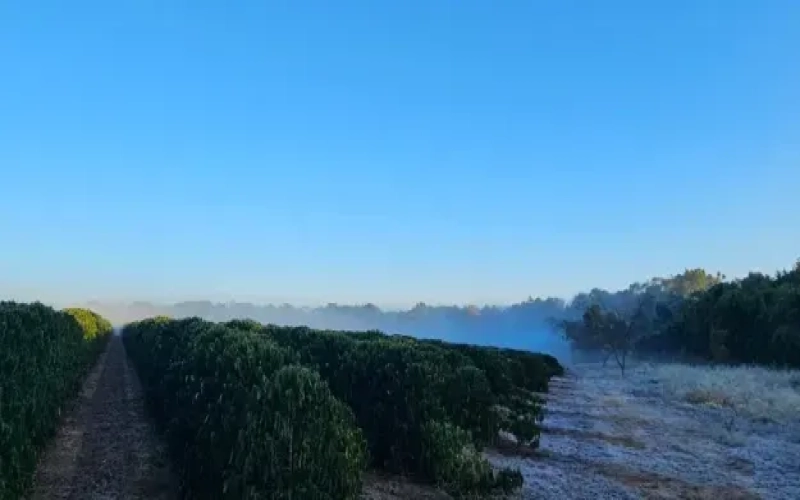
A cold wave and frost in south-central Brazil set record low temperatures, threatening coffee-growing regions and causing a sharp rise in futures prices.
Since last week, a strong cold wave has continued to sweep through south-central Brazil, with temperatures plunging below zero in many places, and the mountainous region of southern Minas Gerais even setting a new record for Brazil's lowest temperature. Snow and freezing rain have successively appeared in Santa Catarina and Rio Grande do Sul, and the Port of Santos was forced to suspend cargo operations due to severe sea conditions. Brazil's coffee harvest for the new season is now nearing its end, but the market is broadly concerned that frost will impact this year's crop and the growth of coffee in the 2025/26 season, especially in the mountainous region of Minas Gerais, which is dominated by Arabica cultivation. Affected by this, Arabica and Robusta coffee futures prices have soared sharply in recent days. Front Street Coffee will also continue to monitor weather developments in the producing regions and bring coffee lovers the latest analysis. [more…]
Why Is SOE Generally More Acidic? The Espresso Evolution from the History of Blend Beans to the Specialty Coffee Wave
Why does most SOE taste sour? Behind this question lies the complete evolutionary history of espresso beans, from single origin to blends and back to single origin again. This article, from the perspective of Front Street, sorts out the causal relationship between SOE and blend beans: early espresso was itself SOE, and blend beans became mainstream due to cost and stability, until Erna Knutsen proposed the concept of specialty coffee and James Hoffmann promoted SOE in competitions, after which light-roasted single-origin beans entered the espresso domain. The article will also explain why beans such as Mandheling and Brazil still insist on dark roasting, as well as the commercial considerations behind coffee shops choosing medium-light roasted SOE. [more…]
From Instant to Specialty: A Comprehensive Analysis of Coffee Culture Evolution and Tasting Methods
Coffee is no longer just a pick-me-up; it is a lifestyle that requires understanding to truly savor. This article traces how the three waves of coffee have transformed the coffee journey of Chinese people—from instant coffee blended with creamer, to chain cafés creating a conceptual environment, to specialty coffee advocates returning to the essence of quality. It explains in detail the origins of specialty coffee and the SCAA definition, clarifies the difference between commercial beans and specialty beans, introduces the flavors of well-known single-origin coffees such as Front Street Coffee Blue Mountain, Yirgacheffe, Mandheling, and Geisha, and reveals the science behind roasting and the ritual of pour-over coffee. Only by understanding these things can you truly taste the good coffee in your cup. [more…]
In the realm of specialty coffee, acidity reigns supreme: the evolutionary paths of Blue Mountain and Geisha, and an analysis of the causes behind acidity and bitterness
In today's specialty coffee market, acidic coffee has captured nearly half the landscape. Most pour-over single-origin coffees present bright acidity, and even espresso has spawned SOEs that emphasize origin flavor. Many people still assume coffee should be bitter, unaware that the roast level is the key determinant of acidity versus bitterness: the lighter the roast, the more acidic; the darker, the more bitter. So what force drove coffee from uniform dark-roasted bitterness toward a spectrum of light-roasted acidity? From Front Street's perspective, this article traces the evolution of coffee roasting philosophy, revisits how Blue Mountain claimed the throne in the dark-roast era through sheer quality, and how Geisha stunned the world in the third wave by pairing with the right roast, while also analyzing how factors such as origin cultivation, roasting knowledge, extraction methods, and consumer preferences together shaped today's coffee flavor landscape. [more…]
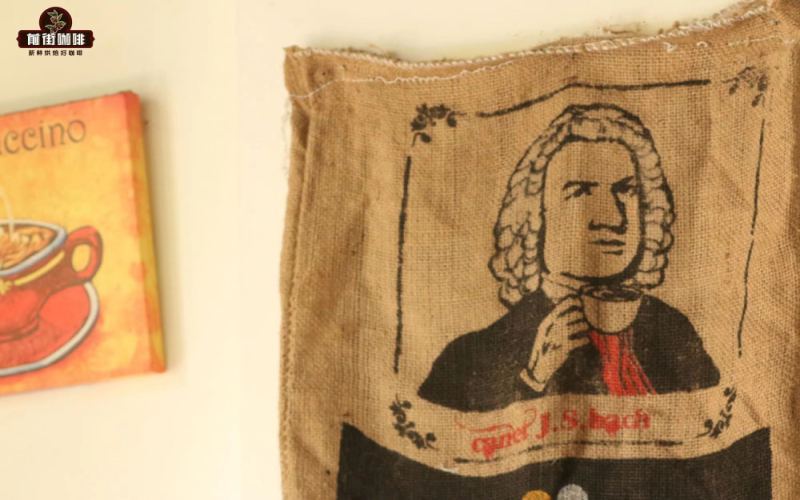
Is the English name for Americano actually Americano or drip coffee? Exploring why there is no Americano in the United States itself.
The "plain coffee" often heard in Hong Kong dramas is actually what we call black coffee. But black coffee is not simply coffee without sugar or milk; according to the brewing method, it can be divided into two major categories: drip pour-over coffee and Americano made with an espresso machine. The former represents the third wave of coffee, while the latter originates from the second wave. What is the connection between the name Americano and the United States? What is the correct way to drink it? From the perspective of a Front Street Coffee barista, this article traces the development history of espresso machines, provides a detailed analysis of the origin of the name Americano, its key preparation points and extraction parameters, and compares the flavor differences between espresso and Americano, helping you gain a more comprehensive understanding of this seemingly simple cup of coffee. [more…]
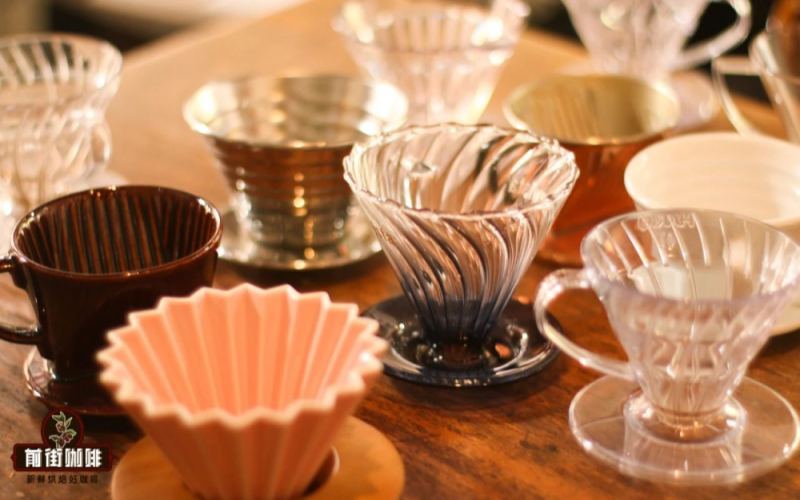
Pour-Over Coffee Filter Cup Selection Guide: How Different Shapes and Materials Affect Extraction and Flavor Performance
In the ecosystem of pour-over coffee equipment, the dripper plays a key role in determining the direction of extraction. Since the introduction of filter paper and drippers in the early twentieth century, more than a century of improvements has produced a rich variety of drippers on the market in terms of shape, number of holes, grooves, and materials, and each difference directly affects flow rate and extraction time, ultimately reflected in the coffee's mouthfeel and flavor. This article systematically reviews the design characteristics and suitable applications of mainstream dripper types such as fan-shaped, conical, wave, and metal, and further discusses the impact of materials such as ceramic, resin, and glass on heat retention. At the same time, drawing on Front Street Coffee's bean list, the article provides specific pairing suggestions for different drippers, helping coffee enthusiasts find a brewing method that suits them on the basis of understanding the equipment's characteristics. [more…]

Why Is SOE Generally on the Sour Side? A Full Breakdown of the Differences Between Single-Origin Espresso and Espresso Blends
Have you ever had this confusion: why does a cup of SOE always taste noticeably sour? SOE stands for Single Origin Espresso, referring to espresso extracted from coffee beans of a single origin. It is fundamentally different from espresso blends in terms of flavor presentation and roasting choices. This article will start with the historical origins, tracing the evolution of espresso from single origin to blends and then back to SOE, and, combined with the turning-point event of the 2007 WBC competition, deeply analyze the root reason why most SOE tends to be sour—the influence of roast degree on the retention of acidity—to help you more clearly understand the positioning and selection logic of these two types of espresso beans. [more…]
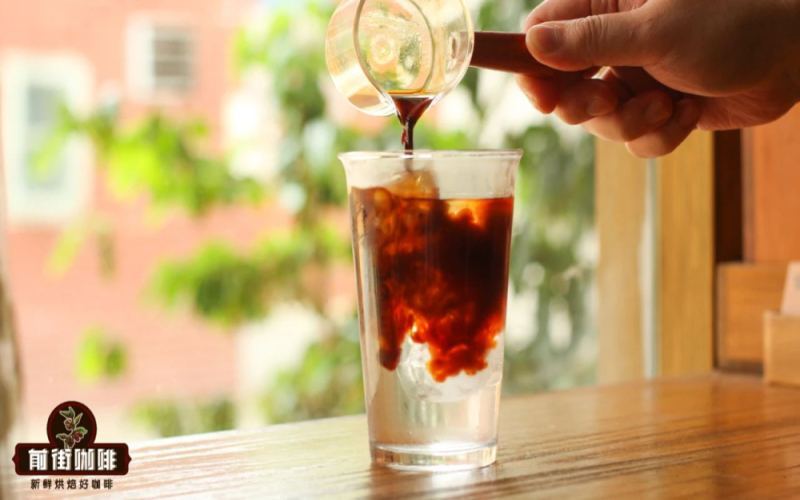
Flavor Comparison of Pour-Over vs. Iced Americano: Espresso Extraction Principles and a Guide to Choosing Italian-Style Beans
In today's era where specialty coffee prevails, espresso remains an indispensable offering in every café. Americano and pour-over both belong to the category of black coffee, yet their vastly different extraction methods deliver completely distinct taste experiences. This article starts from Front Street Coffee's brewing tutorial, first clarifying the concepts of espresso, Americano, pour-over, and black coffee, then delving into the sources of bitterness in Americano, followed by a flavor comparison using Costa Rica Mozart beans prepared as both pour-over and SOE Americano. In addition, the article systematically outlines the characteristics and suitable applications of four types of espresso beans—SOE, specialty blend, Warm Sun blend, and commercial blend—providing practical bean selection reference for coffee enthusiasts and industry professionals. [more…]
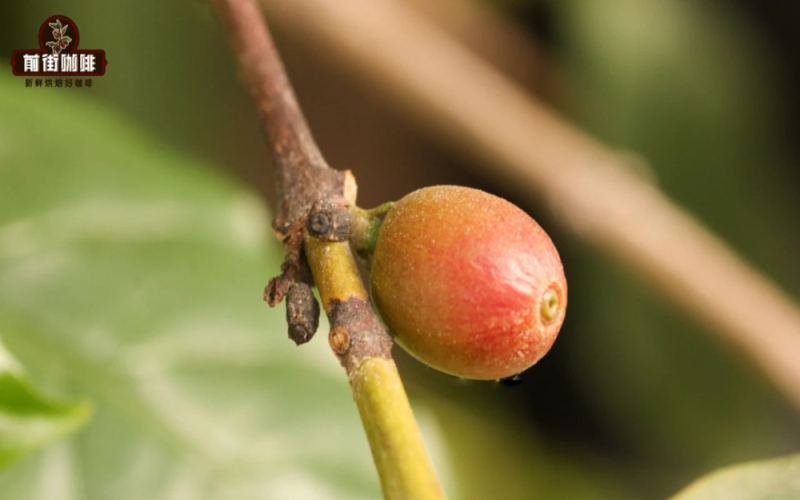
A Detailed Explanation of Coffee Bean Roasting Principles: Flavor Differences Between Light and Dark Roasted Yirgacheffe and Front Street Coffee Bean Menu Recommendations
Green coffee beans themselves have no obvious aroma; they must undergo high-temperature roasting to release their captivating flavors. Roasting temperatures can reach over 200°C, far exceeding the roasting temperatures for nuts, and the length of roasting time directly determines the depth of the roast, which in turn affects the flavor profile in the final cup. Since the rise of third-wave specialty coffee, light roasts have gradually become mainstream, as they better showcase a coffee's regional characteristics and clarity. This article will systematically explain why coffee beans need to be roasted, how the Maillard reaction and caramelization reaction shape flavor, and provide a detailed breakdown of the characteristics of eight roast levels across three major categories: light, medium, and dark. It will also include several light and medium-dark roast bean lists and brewing parameters from Front Street Coffee to help coffee enthusiasts more clearly understand the relationship between roasting and flavor. [more…]

A 17-yuan milk tea unopened but only half a cup? Grandpa's No Tea "no ice" controversy sparks a wave of consumer feedback
Recently, a video about a 17-yuan milk tea from "Grandpa Doesn't Make Tea" that was unopened yet only half full sparked heated discussion online. A consumer in Guangdong reported that the First Love Rose Green Grape Fruit Tea they purchased had an opaque upper half on the cup, making it hard to judge the capacity from the outside; only after flipping it over did they discover the drink was only half full. Around issues such as whether no-ice drinks should by default not fill the cup and whether store serving standards are uniform, netizens clearly held divergent views. At the same time, multiple consumers posted weighing results and flashlight inspection results, pointing out that insufficient portions of this brand's drinks are not an isolated case. The brand and stores have responded, saying they are verifying and handling the matter. [more…]
How Does Mandheling Coffee Taste? A Complete Analysis from the Sumatra Region to Front Street Coffee's Golden Mandheling Flavor and Brewing
Mandheling coffee is a highly representative presence in the second wave of coffee, retaining a large following of coffee connoisseurs with its low acidity, full body, and bittersweet style. This article begins with the colonial planting history of Sumatra, sorts out the differences between the two major producing regions of Lintong and Aceh, the origins of the wet-hulling process and its impact on flavor, and focuses on the characteristics of Front Street Golden Mandheling and Front Street Lintong Mandheling. At the same time, it also explains why PWN Golden Mandheling must implement strict standards such as 18 mesh and above, G1 grade, and triple hand sorting, as well as why Front Street Coffee chooses medium-dark roasting, and provides a set of KONO dripper brewing parameters suitable for it, helping readers more fully understand the unique charm of Mandheling coffee. [more…]
Why is single-origin espresso priced higher than blended beans? Analyzing the value logic of SOE from cost and flavor perspectives
Walking into a café and ordering an SOE often costs a few dollars more than a regular blend—what exactly is the reason behind this? SOE stands for Single Origin Espresso, emphasizing the individual expression of beans from a single origin, forming a sharp contrast with espresso blends that pursue stability and balance. From the early daily use of single-origin beans, to the prevalence of blends due to dark roasting, and then to the return of light-roasted fruity acidic beans to the espresso domain under the specialty coffee wave, the popularity of SOE reflects the coffee consumer's higher pursuit of refined flavors. This article will trace the historical context of SOE, analyze its cost structure, and explain the key influence of roasting and extraction on the success or failure of a cup of SOE, while preserving Front Street Coffee's professional view that SOE and blends each have their own merits. [more…]