







What Makes Americano Coffee Taste Different From Pour-Over?
An Americano is espresso diluted with water, while pour-over extracts directly from coffee grounds using a dripper, with no espresso machine and no dilution step. Both count as black coffee, but the extraction methods differ completely, so the cup tastes quite different. Espresso itself is a concentrated liquid, usually pulled at about a 1:2 ratio and rarely served straight.
Add milk or milk foam instead of water and the drink becomes a latte or cappuccino. The comparison uses Costa Rica Mozart beans brewed two ways, as pour-over and as an SOE Americano, to show how the same coffee behaves. It also reviews four espresso bean options, SOE, a specialty blend, the Warm Sun blend, and a commercial blend, as reference for home and cafe use.
In today's era of specialty coffee, espresso remains an indispensable offering in every café. Americano and pour-over both belong to the category of black coffee, yet because their extraction methods are completely different, they deliver entirely distinct taste experiences. This article starts from Front Street Coffee's brewing tutorial, first clarifying the concepts of espresso, Americano, pour-over, and black coffee, then analyzing in depth the source of Americano's bitterness, followed by a flavor comparison using Costa Rica Mozart beans to make pour-over and SOE Americano respectively. In addition, the article systematically reviews the characteristics and suitable scenarios of four espresso bean options—SOE, specialty blend, Warm Sun blend, and commercial blend—providing practical bean-selection reference for coffee enthusiasts and industry professionals.
Introduction
This piece is an Americano brewing tutorial brought to you by Front Street Coffee. Before officially getting into the steps, it is necessary to first clarify the concepts of espresso, Americano, pour-over, and black coffee.
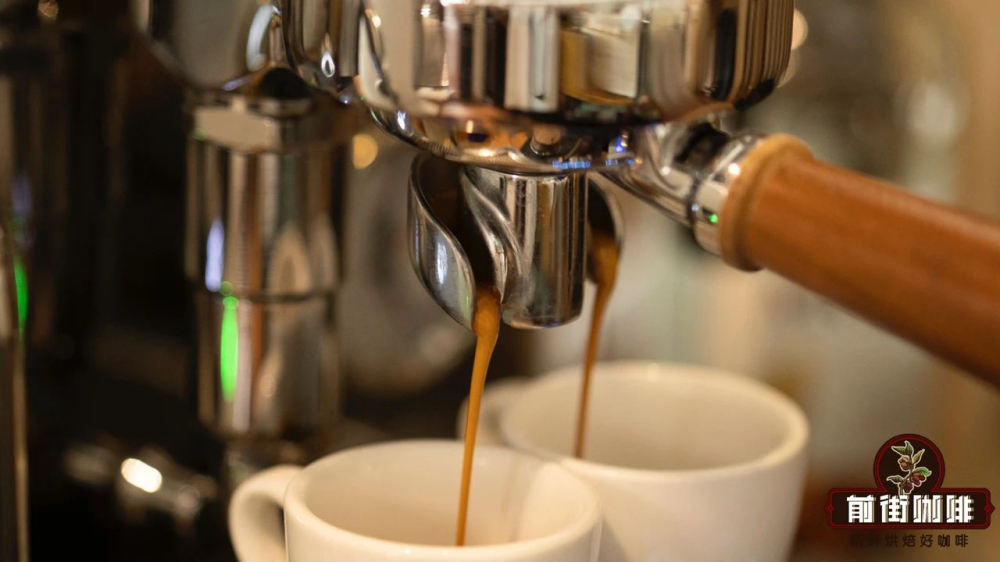
Espresso refers to the concentrated liquid obtained through high-pressure extraction using an espresso machine. In most cases, the concentrated liquid is not served directly to customers for drinking, though occasionally a customer may order an espresso for the purpose of refreshing themselves or pursuing a strong taste—it's just that this situation isn't very common. The concentrated liquid is typically served at a 1:2 ratio, and its concentration and flavor intensity can be imagined.
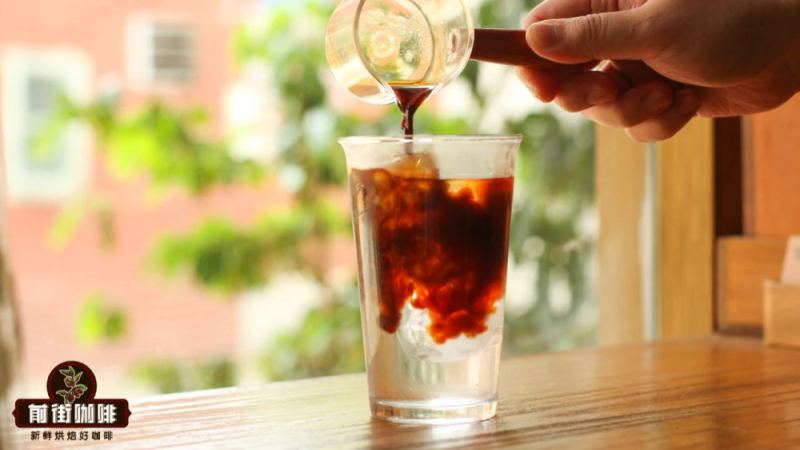
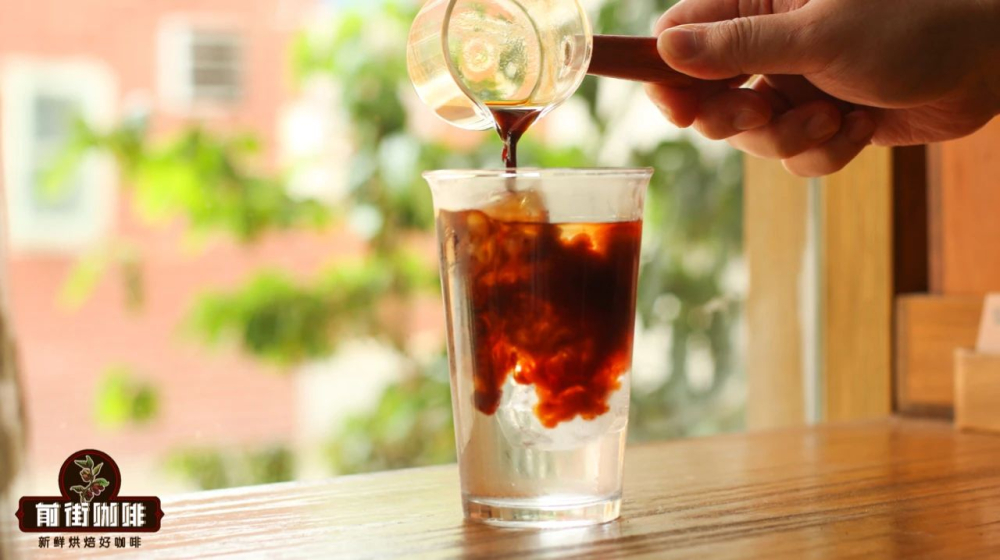
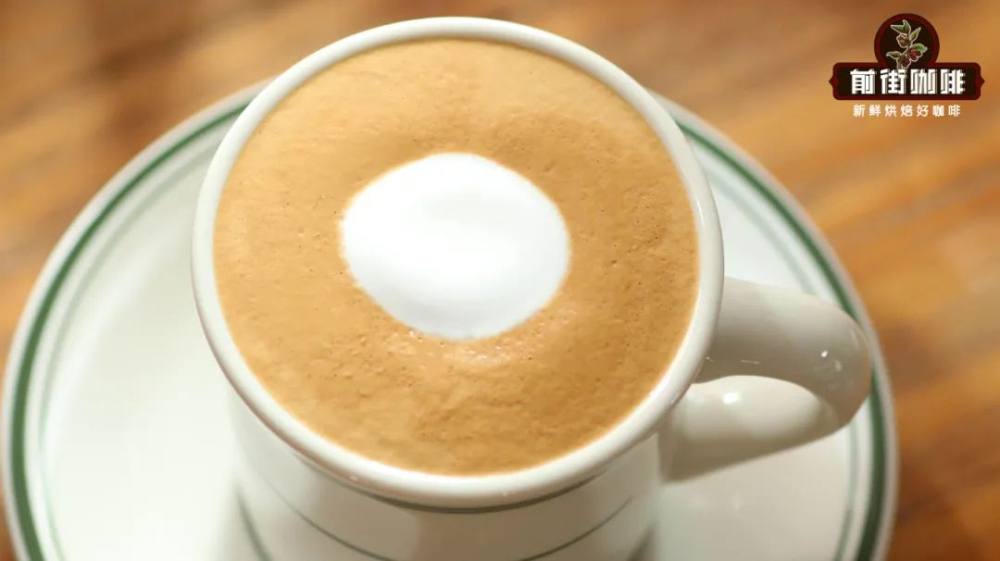
Adding water to the concentrated liquid makes what everyone commonly calls an Americano. If different proportions of milk or milk foam are used instead, it evolves into a latte or cappuccino—that is, the milk coffee category. Americano and pour-over both fall under black coffee; the difference between the two lies in this: Americano is simply concentrated liquid diluted with water, whereas pour-over involves extracting directly with coffee grounds and pour-over equipment—no espresso machine needed, and no step of diluting with water either. Now let's talk specifically about Americano.
Through Front Street Coffee's previous sharing, we can understand that the coffee industry has gone through three waves so far—the first wave marked by instant coffee, the second wave dominated by espresso and the like, and the third wave being the currently flourishing specialty coffee.
Even though we are now in the third wave of specialty coffee, and some are even discussing the possibility of a fourth wave, the position of espresso remains unshakable. Making espresso is a fundamental skill every barista must master, and virtually every café will offer such beverages. What is commonly called espresso broadly refers to a series of beverages derived from espresso as a base, including Americano, latte, cappuccino, and so on.
Compared with milk coffees like latte, Americano has no milk masking the coffee's flavor, and therefore best reflects the taste of the coffee beans themselves. Many baristas, when visiting other cafés, will deliberately order an Americano—first, because it's quick and time-saving to serve; second, because it's a good way to judge the other party's skill level.
Why is Americano bitter?
Customers often report that the Americano they drink tastes bitter, so is Americano destined to be bitter? In fact, coffee's taste goes far beyond just bitterness—sourness and sweetness are also among them. Through our sense of taste, we can perceive coffee's sourness, sweetness, bitterness, and saltiness, and many factors such as bean variety and processing method will change the ratio among these tastes, thereby making one or several tastes more easily perceived. For example, Panama Geisha's bitterness is relatively low, while the SL28 and SL34 varieties, adapted to Kenya's high-phosphoric-acid soil, can display extremely prominent acidity and aroma.
Besides factors inherent to the beans themselves, Americano's bitterness may also stem from mistakes in the extraction process, such as channeling causing uneven extraction, or grinding too fine leading to over-extraction.
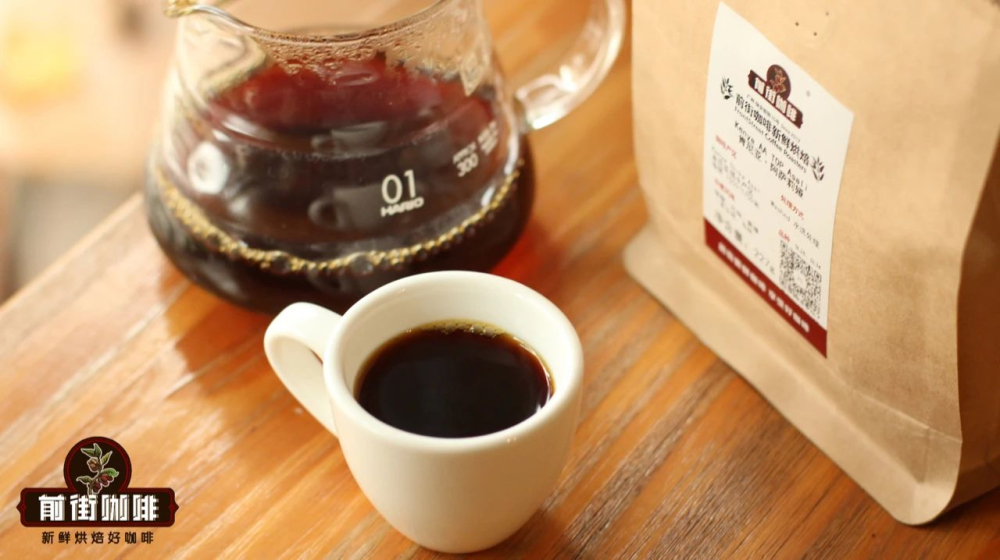
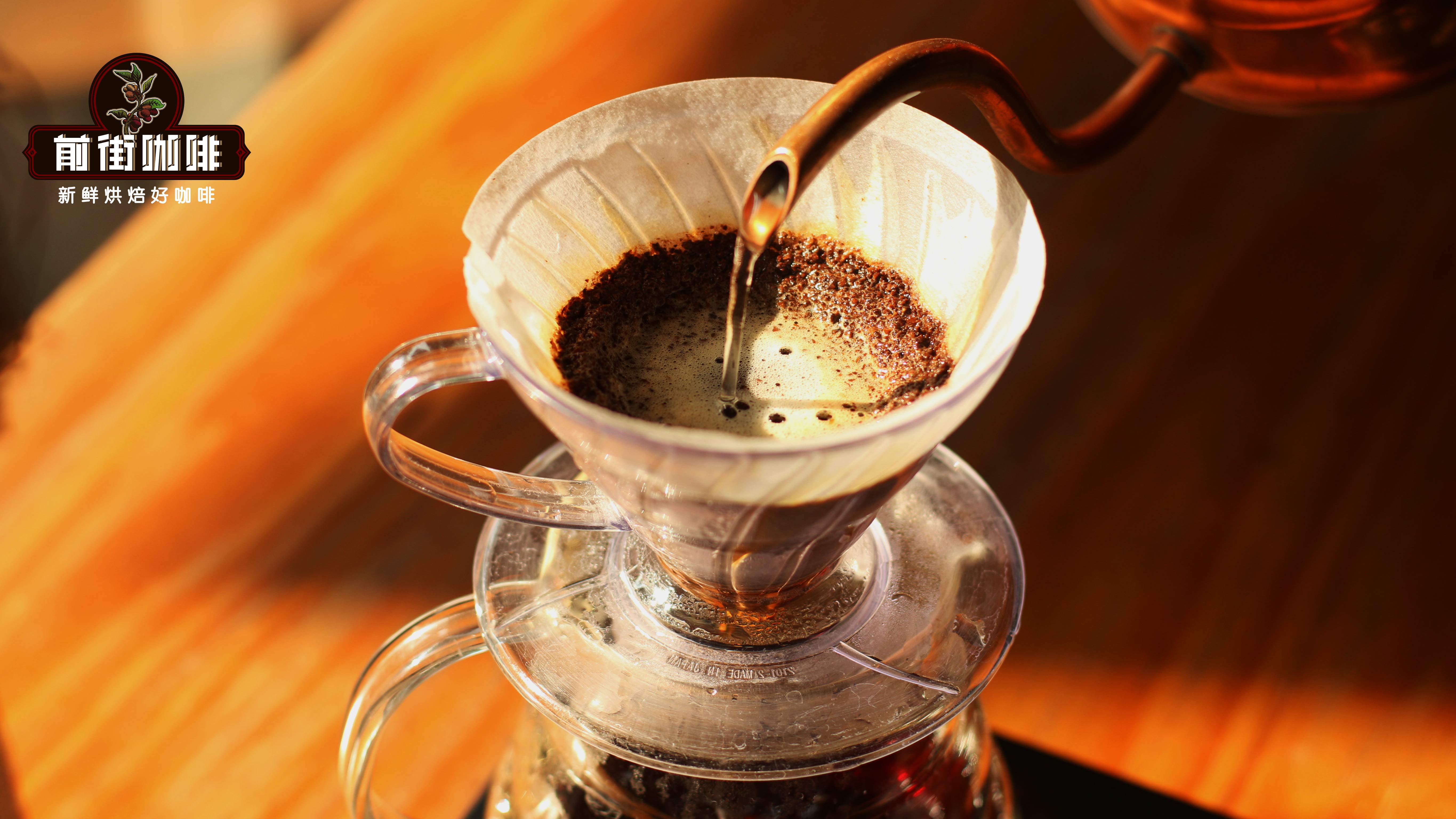
Front Street Coffee's offerings have always been inseparable from pour-over. When making pour-over, baristas choose between the v60 and kono drippers based on the beans' characteristics. Taking the most classic v60 dripper as an example, each time 15 grams of coffee beans are used, the coffee-to-water ratio is set at 1:15, the grind size is controlled at medium-fine, meaning an 80% pass-through rate on a 0.85mm standard sieve, and the water temperature is 90 degrees Celsius.
Americano and pour-over coffee can be said to be completely different in brewing method and extraction mode. The way to make an Americano is to dilute espresso with water. When Front Street Coffee serves an Americano, the first step is to extract espresso; baristas recalibrate the espresso extraction parameters before business every day to ensure the offering is in optimal condition. Taking today as an example, the espresso extraction parameters are: 20 grams of coffee grounds, extracting 40 grams of coffee liquid, taking 26 seconds.
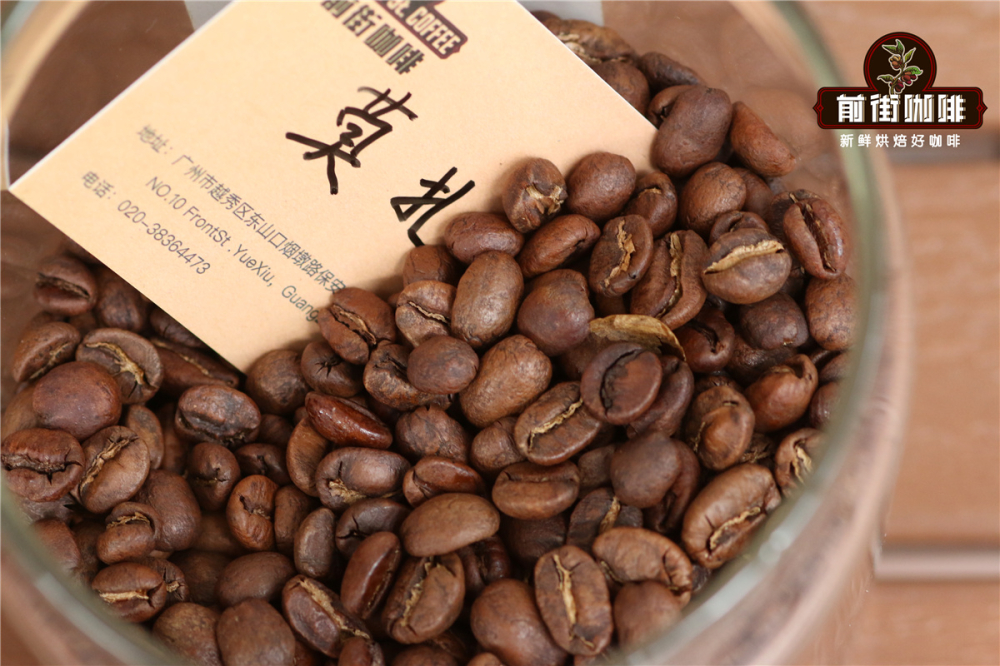
So if the same bean is made into Americano and pour-over respectively, what differences will there be in flavor? To figure this out, the baristas at Front Street Coffee's store selected a Costa Rica Mozart for comparison, brewing Mozart pour-over coffee and SOE Americano made with the same bean respectively.
Americano coffee bean recommendations

There are two main difficulties in making SOE single-origin espresso: one is coordination in roasting, and the other is control of extraction conditions. As for the degree of roasting, as mentioned earlier, SOE beans cannot be roasted too dark, otherwise the unique regional flavor of the origin will be erased; but they also cannot be too light, because espresso needs to withstand high-pressure extraction, and a light roast will make the roasted beans' texture relatively hard, with larger gaps between particles after grinding, so that even with tamping it is hard to achieve sufficient density. When pressure is then applied, water will quickly pass through the puck, resulting in a relatively fast flow rate, a relatively short extraction time, and under-extraction, ultimately making the whole cup of espresso sharply acidic with insufficient body.
The specialty blend coffee bean is an espresso bean that has accompanied Front Street Coffee's store for many years. Until the end of 2019, Front Street had always used it as the formula for its espresso base. To blend an espresso bean with stable performance, one needs to start from coffee-producing countries that are balanced and high-yielding. Therefore, when formulating this specialty blend, Front Street's roaster selected the two countries with the world's highest Arabica production and the most stable supply—Colombia and Brazil—in a ratio of 70% Colombia blended with 30% Brazil.
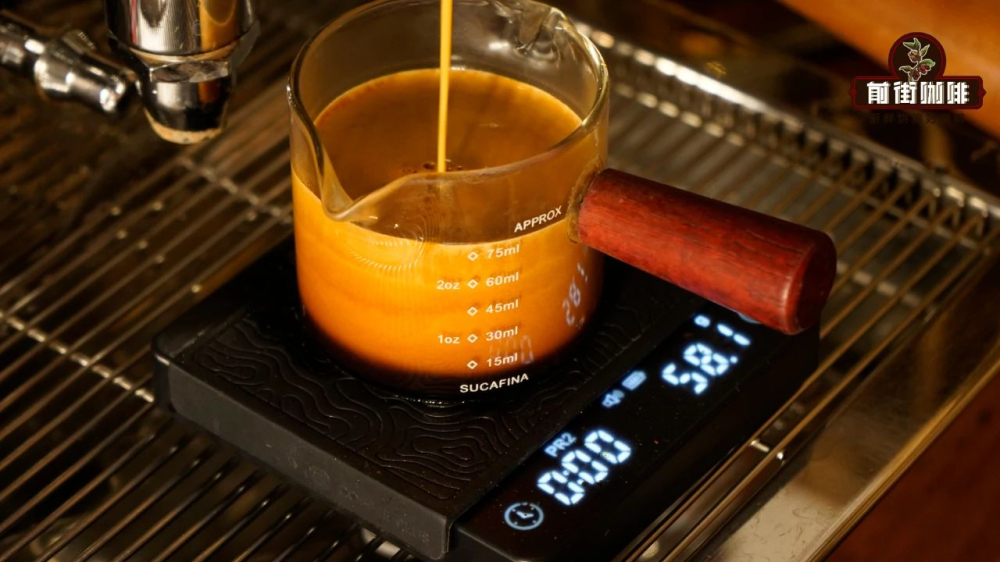
The washed Colombian coffee beans bring soft fruit acidity, black cocoa, and caramel notes to this blend, while the Brazilian beans are responsible for supporting a full-bodied mouthfeel and rich roasted nut aroma. Therefore, after this espresso bean is made into espresso, it presents a distinct dark chocolate flavor, a solid and full body, and a nut-like finish.
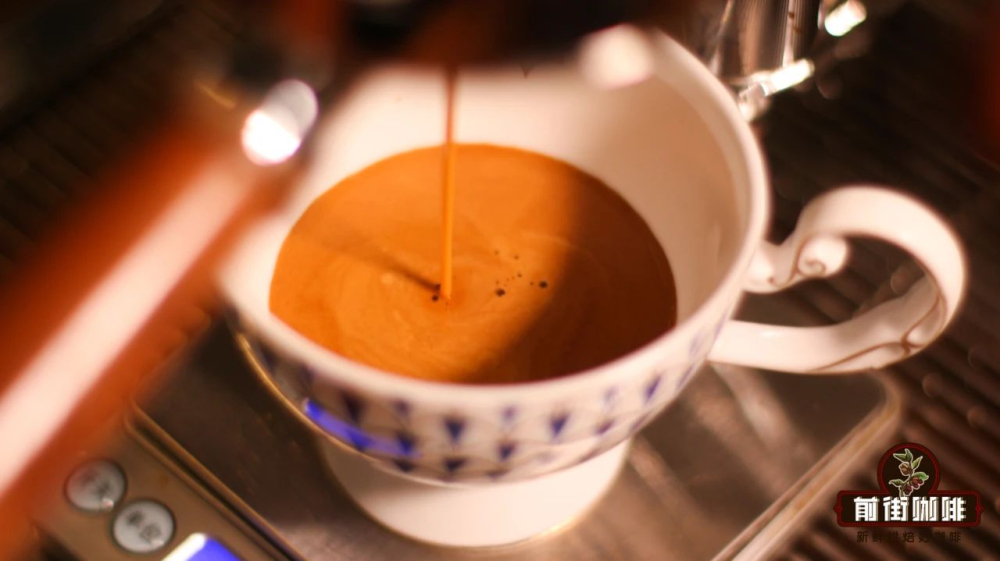
An espresso bean recommended by many of Front Street Coffee's baristas—Front Street Black Cocoa Blend coffee beans—is a more cost-effective choice, blended from Brazilian and Yunnan coffee beans in a ratio of 70% Brazil and 30% Yunnan.
The coffee beans from both Yunnan and Brazil lean toward nutty and similar notes, while the Brazilian beans give this Front Street Black Cocoa Blend a more solid mouthfeel and rich crema.
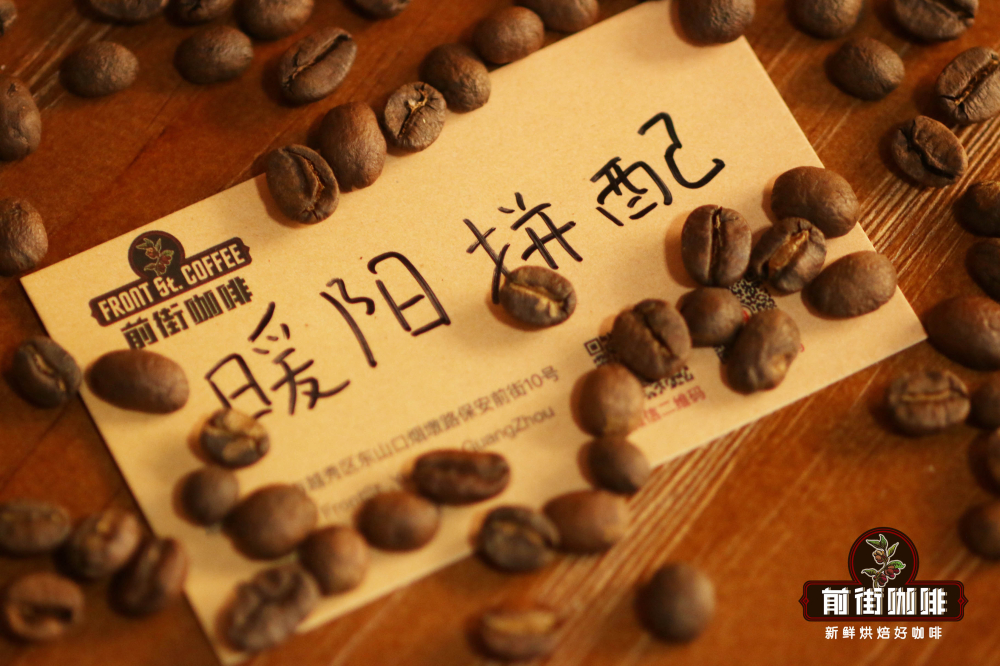
As specialty coffee grew increasingly popular, Front Street Coffee's baristas found in store operations that many customers were no longer satisfied with the stable performance brought by the specialty blend. After rethinking, Front Street believed it might be time to introduce more new blends to enrich the store's offerings. In 2019, after repeated adjustments, the Warm Sun blend coffee beans finally made it onto Front Street Coffee's bean list, and the store's specialty blend was thus replaced by the Warm Sun blend.
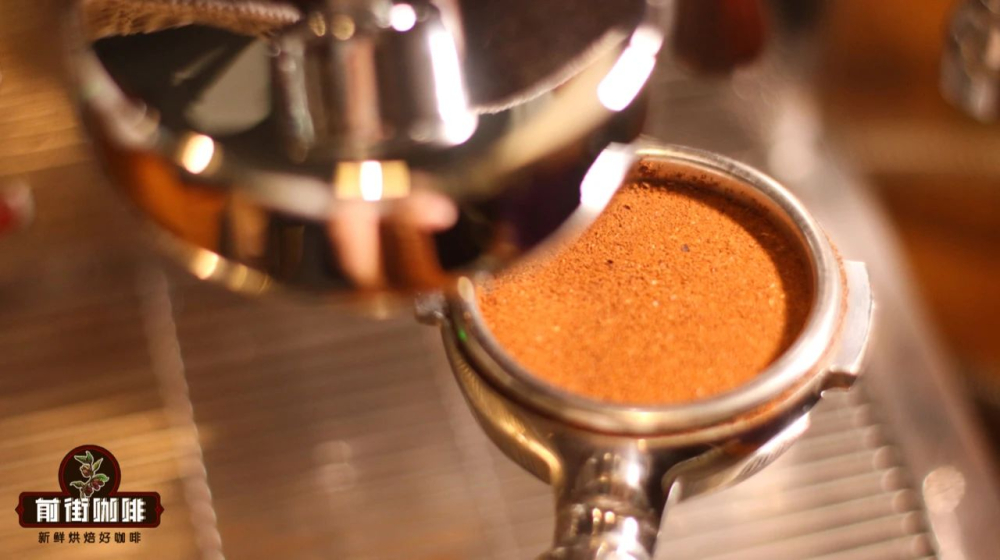
Made into Americano, it presents distinct winey chocolate and citrus acidity; made into latte, it shows flavors such as vanilla cream and liqueur chocolate.
The commercial blend bean differs from the other three blends; the commercial blend is positioned toward the needs of opening a shop. Its base is still mainly Colombia and Brazil, in a ratio of 60% plus 30%, and the remaining 10% of the space, Front Street's roaster left to Robusta coffee beans.
The purpose of doing so is to add more crema to the coffee, both making the Americano taste richer and smoother and making baristas more adept when making latte art. Although it is not a 100% Arabica variety, the addition of a small amount of Robusta can enhance the coffee beans' body, crema, and rich coffee taste, making it the absolute first choice for businesses opening a shop.
The above content is compiled by CoffeeHunters, a coffee news website.


