







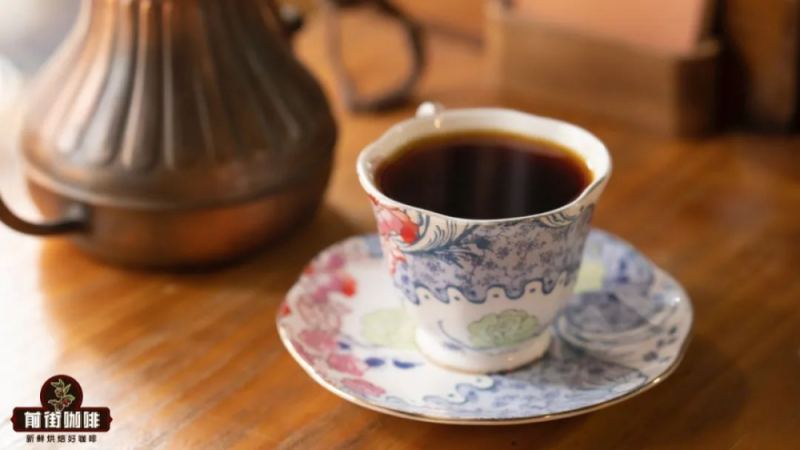
How did coffee move from deep roast bitterness to acidity?
Roast level decides whether a coffee reads acidic or bitter: lighter roasts taste more acidic, darker roasts more bitter. Specialty coffee menus now lean heavily toward light-roasted, acidic single origins, and even espresso has produced SOEs that highlight origin flavor. That is a real shift from the era when coffee was uniformly dark roasted and defined by bitterness.
Several forces drove the change, not just the specialty coffee concept introduced by Erna Knutsen. Cultivation at origin, updated roasting knowledge, new extraction methods, and shifting consumer taste all played a part. Blue Mountain coffee shows the earlier model, winning its reputation in the deep roast era through sheer quality, while Geisha later showed what a suitable light roast could reveal in the cup.
In today's specialty coffee market, acidic coffee has claimed nearly half the territory. Most pour-over single origins present a bright acidity, and even espresso has spawned SOEs that emphasize origin flavors. Many people still believe coffee should be bitter, unaware that the degree of roast is the key determinant of acidity versus bitterness: the lighter the roast, the more acidic; the darker, the more bitter. So what force drove coffee from uniform dark-roasted bitterness toward the colorful acidity of light roasts? From Front Street's perspective, this article traces the evolution of coffee roasting philosophy, revisits how Blue Mountain claimed the throne in the dark-roast era through sheer quality, and how Geisha stunned the world in the third wave with a suitable roast, while also analyzing how origin cultivation, roasting knowledge, extraction methods, and consumer preferences together shaped today's coffee flavor landscape.
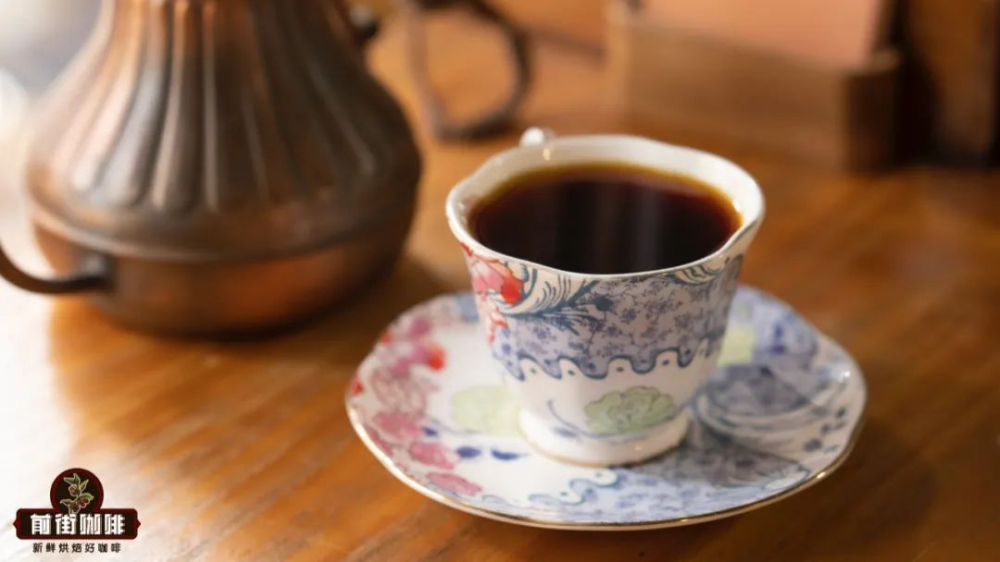
In today's specialty coffee scene, acidic coffee undoubtedly occupies a huge proportion. Step into any café at random, order a pour-over, and what arrives is most likely a coffee with acidity. This confuses many friends who still equate coffee with bitterness—true, bitter-dominant coffee still exists, but its share has become quite limited. Even espresso, long defined by its bitter base, has begun leaning toward acidity, developing SOEs that highlight regional flavors. Readers of Front Street articles should know that coffee's acidity and bitterness are mainly determined by roast level. The lighter the roast, the more pronounced the acidity; the darker the roast, the more obvious the bitterness. In other words, coffee roasting has shifted from the dark roasts of the past to today's light roasts. So the question follows: why is most coffee today light-roasted, acidic coffee?
Why is most coffee today acidic? Perhaps many friends will guess that Front Street is about to trot out that line again—since the concept of specialty coffee was introduced... Well, you guessed right! However, the forces driving coffee's flavor from bitter to acidic are not just the specialty concept proposed by Ms. Erna Knutsen. Also contributing are: changes in cultivation at coffee origins, updated understanding among roasters, shifts in mainstream extraction methods, and the migration of consumer taste preferences, among a series of factors. It is precisely under the combined effect of these factors that coffee has gradually shifted from bitter to acidic. So today, Front Street will share around these factors, discussing how coffee's flavor一步步 transformed from uniform bitterness into colorful acidity!
In the article "How Ethiopians Drink Coffee," we mentioned that before the advent of modern roasters, people who wanted to cook green coffee beans could only rely on kitchen cookware for pan-roasting. Yet no matter how they stirred, an iron pan could hardly heat the beans evenly. So, to avoid undercooked beans, people at the time would roast the beans to a near-charred black—only at this degree would there be no undercooked beans. In this state, the oils inside the beans would spill onto the surface early due to excessive structural expansion. Thus, the black beans coated in a sheen of oil earned a special nickname—"black gold."
According to today's roasting theory, such coffee is in a state after the end of second crack. You can imagine how intense its bitterness must be! Though bitter, the coffee's aroma was very abundant. Thus, such coffee gradually found an audience, and people's initial impression of coffee's flavor was formed. As times progressed, coffee beans began to have dedicated roasting machines. First came the drum roaster, followed by the semi-hot-air drum roaster. Although roasting conditions improved, the dark-roast philosophy had long been ingrained over centuries, so roasting coffee to second crack remained the mainstream understanding of the time.
In addition, the mainstream extraction methods and coffee bean quality of the time were also important factors that made dark-roast coffee the mainstream understanding. In the early twentieth century, the second wave of coffee was sweeping the globe. Espresso, driven by Italian immigrants, spread widely around the world. And what spread was not only the method of making espresso but also the philosophy of using dark-roasted coffee beans. Added to this, coffee beans at the time were mainly exported as a bulk commodity, with generally poor quality, many defects, and muddled flavors, requiring the charred aroma and bitterness brought by deep roasting to mask these negative tastes. So under the effect of both, dark-roast coffee remained the mainstream of the era. It is precisely because of this that Blue Mountain coffee was able to claim the throne in that era with its excellent quality!
Jamaica's coffee industry started around 1750, but remained lukewarm for a long time. It was not until 1950 that Jamaica established the Coffee Industry Board, which was mainly responsible for the coordinated management of Blue Mountain coffee's cultivation, processing, and grading procedures. Soon, Blue Mountain coffee's quality achieved a leap forward. In that era, dark-roasted coffees other than Blue Mountain mostly displayed a flavor profile of intense, pungent charred bitterness. Only Blue Mountain coffee, though also dark-roasted, was bitter without being charred, rich without being harsh, with an extremely clean mouthfeel. Thus, Blue Mountain coffee, with quality as its cornerstone and coupled with the Japanese's genius marketing, ascended to the throne of coffee emperor. And it was precisely this that made people begin to realize the importance of quality, and so coffee met its turning point.

In 1974, Ms. Erna Knutsen proposed the concept of specialty coffee, emphasizing the distinctive flavors of specific geographic origins and making people realize that quality management upstream in coffee was equally crucial. In the years that followed, coffee bean quality improved greatly, allowing roasters to re-examine their roasting approach! Previously, it was precisely the uneven quality of coffee beans that had greatly limited roasting. Even before the concept of specialty coffee was proposed, there were already innovative roasters attempting to lower the degree of roast to make coffee less dark and less bitter. But they soon discovered that, due to inconsistent bean quality, if roasting was stopped before second crack, the batch would contain many undercooked beans, causing the coffee to taste astringent. Now that this limitation was broken, coffee beans were about to meet a brand-new roasting direction.
The first to break this situation was the Nordic region of Europe. Because they had come into contact with coffee relatively late, they were not overly brainwashed by the concept of bitter coffee. Thus, what was then considered very "rebellious" and unorthodox Nordic roasting was born. What was called "light" back then actually falls under medium roast today, but at the time it was already an extremely, extremely light degree. In the understanding of roasters in other countries at the time, coffee of this degree was undercooked, sour and astringent in taste, and very sharp! As it turned out, after tasting this unconventional light-roasted coffee, guess what!

One sip and you're left speechless! Extremely rich berry flavors burst forth in the mouth, with lively acidity, a sweet-and-sour taste like fruit juice. This was completely different from the sharp, astringent, dull, hard-to-drink light-roasted coffee in people's impressions. By early 2003, roasters deeply inspired by Nordic light roasting released the "Three Waves of Coffee Evolution" theory at the Specialty Coffee Association of America—this was precisely the beginning of the third wave of coffee specialization! And this paper mainly expounded one thing: to let coffee better express its own characteristics, how important a suitable roast is.
The publication of this paper set off a brand-new coffee roasting trend in the United States! A host of well-known American cafés were the first to adopt and launch medium-light roast coffees. Although their roasts were not as extreme as the Nordic light roasts, coffee was no longer invariably bitter, and coffee roasting began to diversify. And the reason Geisha was able to rise to fame in 2004, besides the加持 of its origin and varietal characteristics, was also greatly helped by a suitable roast level! After all, before Geisha became famous, there was already a host of coffees capable of exuding floral and fruity aromas—it was just that under dark roasting, these flavors were almost entirely masked, with very few aromas perceptible to the palate. So it was in '04 that Geisha was able to astonish everyone and reach unprecedented heights.
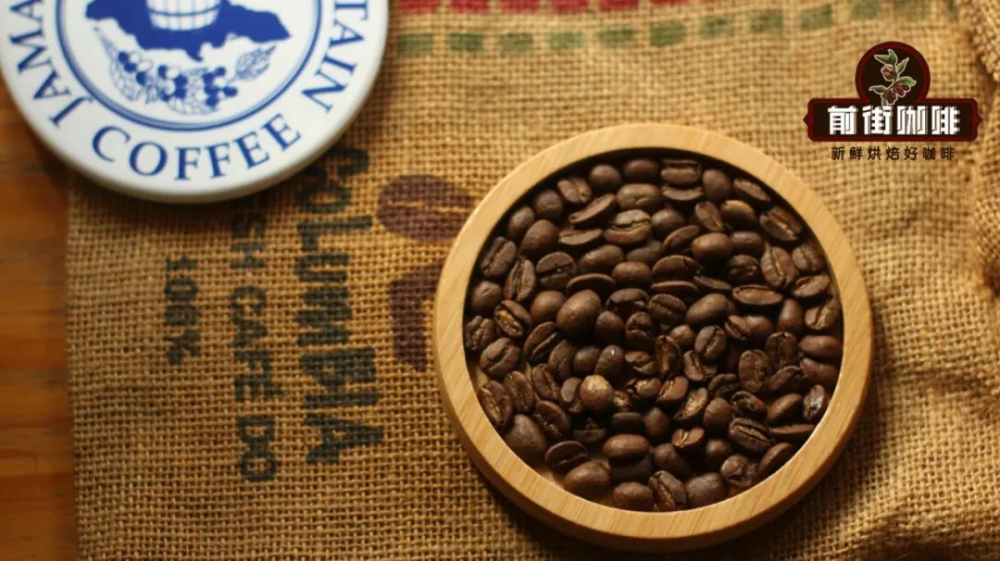
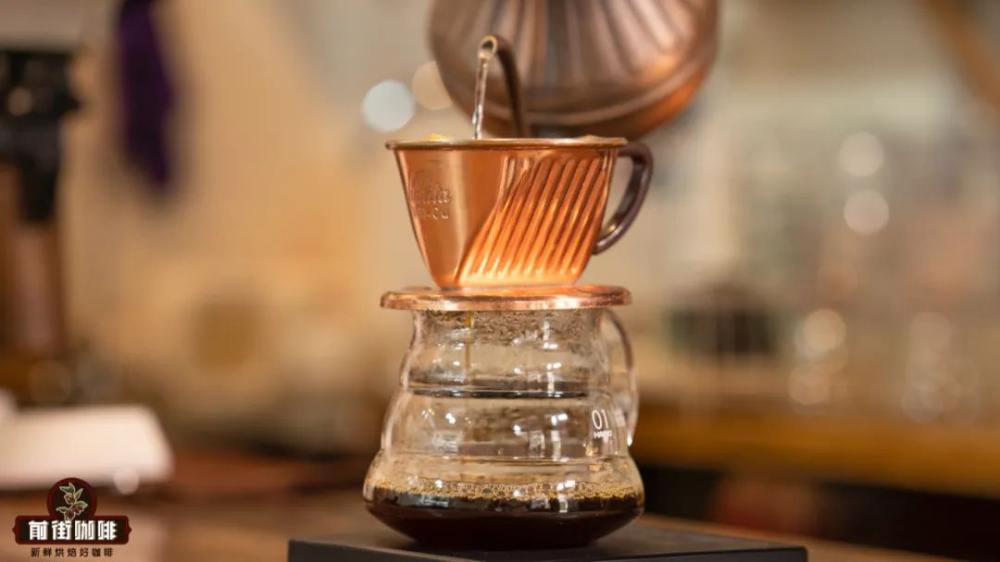
At this point, the era of acidic coffee officially began. To allow beans to better express their own characteristics, people mostly use light roasting to "cook" them. And what best embodies these "special existences" is the method of making single-origin coffee, among which pour-over coffee stands out with its advantages of being light, quick, and clean. Soon, lightweight pour-over coffee began to become popular. Light-roasted coffee brewed via pour-over is not only full in flavor but also very rich in layers. This lowered the threshold for drinking coffee, and even people who cannot stand bitterness could more easily accept coffee.
As specialty coffee culture and atmosphere grew ever more pronounced, more and more people were influenced. Thus, after 2015, specialty cafés featuring mainly single origins began to grow at an explosive rate. And in these cafés, acidic coffee occupies the vast majority, which creates the illusion among many uninformed coffee outsiders that acidic coffee is everywhere! Of course, although most coffee today is acidic, we must not forget that on the market there are still Blue Mountain, Mandheling, Brazil, and a host of other coffees that remain traditional, using medium-dark roasts, allowing everyone to taste a classic deliciousness passed down for centuries.
Front Street Coffee
No. 10, Bao'an Front Street, Yandun Road, Dongshankou, Yuexiu District, Guangzhou, Guangdong Province
The above content is compiled by CoffeeHunters, a coffee news website.


