







Search Results for: latte art tips

Latte Art from Beginner to Advanced: A Full Breakdown of Pouring and Design Techniques Plus Practice Tips
Latte art is what draws many people into the world of coffee, but how long does it actually take to master? In this article, Front Street Coffee shares the core principles and practical details of latte art, starting from the two main actions of integration and drawing, breaking down key elements such as height control, the timing of returning the cup, the use of force, the offset of the landing point, and the finishing technique, and offering four practical practice tips to help enthusiasts avoid detours and quickly get the hang of basic patterns like hearts, leaves, and tulips, and even take on more difficult combination patterns. [more…]

Hot Fresh Milk for Ideal Latte Art: Standards and Practical Tips for a Proper Latte
Do you want to pour beautiful patterns with hot fresh milk, but find the results inconsistent? Whether a latte art pour is up to standard actually varies from person to person, but Front Street Coffee believes it can be judged on three levels: surface fineness, integration evenness, and pattern clarity. In addition to sharing the judging criteria, this article will also introduce a few tips that can effectively reduce the failure rate, including adjusting milk foam thickness, pre-treatment before integration, and repeatedly practicing with simple patterns. At the same time, choosing the right coffee beans is also crucial. Front Street specialty espresso blend can help you extract rich crema more easily, making latte art twice as effective with half the effort. [more…]
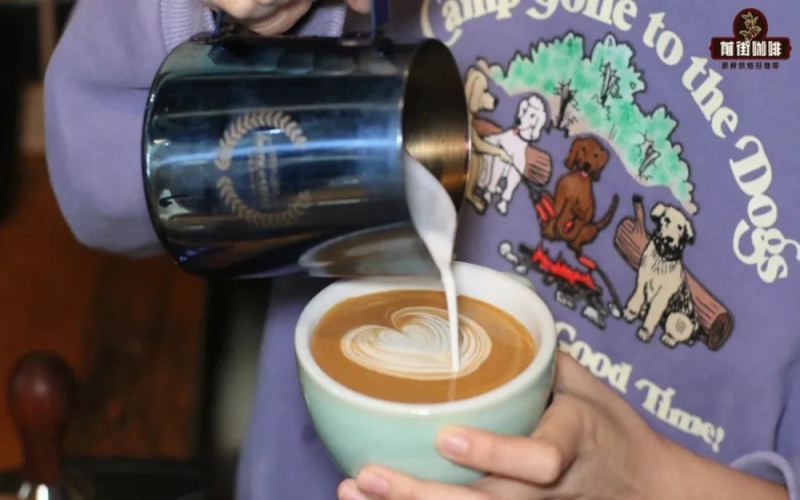
A Practical Guide to Coffee Latte Art Etching Pens: A Full Breakdown of the Details from Choosing a Pen and Picking Up Color to Controlling Lines
Although a latte art pitcher can handle most patterns, it often falls short when it comes to fine lines and localized detailing. That's when you need a capable assistant—the etching needle. Coffee enthusiasts have jokingly called it a latte art "cheat code," and its capabilities are indeed powerful, but actually getting the hang of it is far from as simple as it seems: lines too thick or too thin, patterns blurring and atomizing, designs that just won't draw on—problems pile up one after another. This article draws on Front Street's practical experience to systematically explain the types and structures of etching needles, how to use them, and key points to keep in mind, including how to prepare extra "paint," gauge the right amount to dip, control line thickness, and improve drawing speed—helping you truly master this little tool and make your latte art more refined. [more…]
Practical Tips to Improve Milk Foam Quality and Latte Art Success Rate: A Complete Guide from Texturing Thickness to Pattern Practice
Many coffee enthusiasts find latte art to be no easy task—sometimes you happen to pour a beautiful pattern, but then find it impossible to reproduce. The standards for a good-looking latte art actually vary from person to person. Front Street Coffee believes that the first thing to look at is the fineness of the surface, followed by whether the integration is even and whether the boundary between the golden ring and the pattern is clear, and only last comes the pattern itself—clear texture and distinct shape are enough. To achieve these effects, theory cannot replace the feel that comes from repeated practice, but mastering a few small tips can effectively reduce the failure rate. This article will share practical operational advice summarized by Front Street Coffee, covering aspects such as milk foam steaming thickness, pre-processing before integration, repeated practice of basic patterns, and flexible adaptation, to help you present your ideal patterns more consistently in your daily output. [more…]

Latte Milk Foam Steaming Tutorial with Illustrations | What Are the Requirements for Milk When Making Latte Art? What Techniques Should Coffee Beginners Pay Attention to When Steaming Milk Foam for Latte Art?
To make latte art look good, choosing the right milk is very important! Front Street Coffee's daily in-store milk coffee offerings all use full-fat fresh milk, because it is rich in protein, lactose, and milk fat. The protein in milk is what makes the milk foam stable. [more…]

How do you steam milk foam for latte art so it's velvety and dense? A barista teaches you how to choose the right milk and 6 key techniques.
A beautifully latte-art cup of coffee is inseparable from high-quality espresso and perfectly textured milk foam. This article begins with coffee bean selection and how milk composition affects milk foam, then gradually breaks down six practical key points for steaming milk foam—from holding the pitcher with both hands, the angle of the steam wand, and the depth of the steam tip to the number of aeration cycles and temperature control—and explains how the whole milk and blend commonly used in Front Street Coffee shops can be paired to create a sweetness like a strawberry milkshake. Whether you are a complete beginner or an enthusiast looking to refine your latte art skills, you can find actionable references here. [more…]

From Milk Frothing to Heart Patterns: A Complete Beginner's Guide to Latte Art and Practical Tips
Many people who are just getting into coffee are drawn in by latte art, thinking that a casual pour will produce a heart or a tulip, but once they actually try it, they discover the milk always floats on the surface in clumps. In reality, latte art isn't as mysterious as it seems—the key lies in whether the milk foam's condition, the pouring technique, and the pitcher-holding posture are all on point. Today, Front Street Coffee will start with milk steaming and break down the entire latte art process step by step, including the steam wand's position and depth, the appropriate steaming temperature, methods for practicing pouring, the details of holding the pitcher and the cup, and finally a discussion on how to practice efficiently. Whether you're a complete beginner or someone who just can't seem to pour a pattern, this article will help you find where the problem lies. [more…]

Coffee Basics | What is the standard way to make a Coffee Latte? What is the espresso-to-milk ratio and the thickness of the milk foam for a latte? What are the key points for making latte art?
For more specialty coffee knowledge, please follow our WeChat official account: Front Street Coffee (FrontStreet Coffee). To make beautiful latte art, choosing the right milk is very important! Front Street Coffee (FrontStreet Coffee) uses this for its daily milk coffee offerings: [more…]

Judging Milk Foam by Sound: Practical Tips for Using the Steam Hiss to Gauge Froth Thickness and Density
When steaming milk, the sound made by the steam wand actually holds important clues for judging the condition of the milk foam. Many people practicing latte art easily run into problems such as foam that is too thin, too thick, rough, or separated, and one of the keys to solving these problems lies in the "hiss~ hiss" sound made during milk steaming. This article starts from the principle of steam intake, explains the milk foam states corresponding to different sounds, and, through an experiment comparing short bursts of hissing with prolonged hissing, explains how to use the length of the sound to control the amount of air intake, ultimately producing ideal milk foam that is fine, smooth, highly fluid, and suitable for latte art. The article also retains Front Street Coffee's related recommendations and address information, making it suitable for coffee enthusiasts to refer to during daily practice. [more…]

Latte Coffee Making Tutorial: Espresso Extraction, Milk Frothing and Latte Art Techniques, and Coffee Bean Selection Tips
Latte coffee may seem simple, but in reality, every step—from bean selection, extraction, to milk frothing and latte art—hides its own intricacies. While the ratio of milk to coffee, the beans used, and parameters vary across cafes, the classic approach typically involves a generous amount of milk blended with espresso. This article uses Front Street Coffee as an example to systematically explain the entire latte-making process: how to choose Italian-style coffee beans based on flavor preferences, adjust grind size, dose and distribute the grounds and tamp, as well as the principles and techniques of steaming milk, and finally, latte art practice steps for beginners. Whether you're preparing for a barista interview or looking to improve your output at home, you'll find practical references here. [more…]

How Milk Temperature Affects Latte Art and Taste: Milk Steaming Temperatures and Drinking Tips for Lattes, Flat Whites, and Cappuccinos
After the transition into autumn and the arrival of cooler weather, hot milk coffee has once again become the mainstay of in-store orders, and the temperature to which milk is steamed directly determines the smoothness on the palate, the durability of latte art patterns, and even whether the aroma leans milky or develops a cooked-milk note. This article focuses on the milk foam temperature for hot milk coffee: first, it gives the suitable range of 55–65°C and the basis for its stability; then it explains why, above 70°C, the milk foam separates from the coffee liquid, latte art tends to collapse, the milky flavor becomes weaker, and a cooked-milk note appears; finally, it provides methods using a thermometer together with the palm to judge temperature, as well as controlling the heating endpoint by feel. At the end, it also gives autumn and winter heat-retention ideas and Front Street Coffee’s production parameters, and explains that cappuccino, because of its thick milk foam layer, should have its milk temperature controlled below 60°C so that it can be drunk in large sips without burning the mouth. [more…]

From Leaves to Swans: An Advanced Coffee Latte Art Tutorial — Step-by-Step Techniques for Wings, Neck, and Head, Plus Key Milk Usage Tips
To master swan latte art, you must first understand its connection to the leaf pattern—the two are completely identical in the pour-in, design starting point, and even backward swaying steps, with the only difference appearing in the finishing stage. A leaf is finished directly after the swaying ends, while a swan, after completing the body, still needs to shape the wings, neck, and head. This article breaks down the key movements one by one in three parts—wings, neck, and head—and explains the strict requirements that composite patterns place on milk volume and milk foam texture, helping those who have already learned the leaf to advance smoothly. [more…]
From Basics to Advanced: Practical Latte Art Techniques and Key Points for Tulip, Leaf, and Multi-Layer Heart Patterns
Latte art may seem difficult, but by mastering key details you can significantly improve your success rate. This article systematically explains the basic steps of latte art and the approach to achieving common patterns, from milk foam thickness and pouring techniques to pattern selection. Front Street Coffee will share how to judge the standards of a quality latte art pour, and how to gradually master patterns such as tulips, rosettas, and multi-layer hearts through repeated practice of the basic heart, flexibly adjusting the pour point and finish. Whether you are a beginner or a barista hoping to break through a plateau, these practical tips can help you reduce failures and achieve consistent results. [more…]
A Beginner's Guide to Milk Steaming for Latte Art: A Complete Breakdown of Techniques from Theory to Practice
Want to create dense, smooth latte art milk foam at home, but keep getting discouraged by "over-whipped," "separated," or "can't pour a pattern"? Actually, milk frothing isn't as mysterious as it seems. As long as you understand the principles, choose the right tools, and master a few key details, even beginners can produce consistent results. This article starts with the formation principles of milk foam, then breaks down the three major factors in steam frothing: milk, steam wand, and pitcher. It also includes detailed hands-on steps and advanced tips, covering core points such as temperature control, aeration ratio, vortex frothing, and judging integration. Whether you use an espresso machine or a handheld milk frother, you'll find a practice direction that suits you. The article also retains relevant recommendations for the Front Street Coffee brand for coffee lovers to reference when purchasing. [more…]
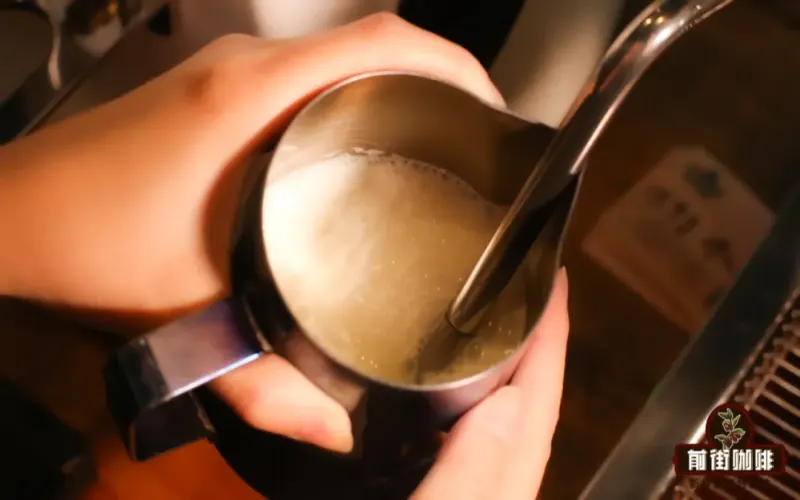
How to practice latte art from zero basics? Latte art techniques and common issues explained
To learn latte art from scratch, repeated practice alone isn't enough—identifying the reasons behind your failures is key. This article systematically breaks down the common latte art pitfalls for beginners, covering espresso and crema, the principles of milk frothing, pouring techniques, pitcher positioning, and tips for efficient practice. It also uses two coffee beans—Front Street Classic Blend and Front Street Commercial Blend—to explain how crema and milk foam together determine the final pattern, and provides a progressive practice path that goes from fresh milk to water and back to milk, helping coffee enthusiasts avoid unnecessary detours. [more…]

The Complete Guide to Latte Art Milk Foaming: Three Key Analyses of Fluidity, Smoothness, and Water Content
To craft a latte with exquisite latte art, skilled technique alone is not enough—the quality of the espresso crema and the condition of the milk foam also determine the final presentation. Front Street Coffee often mentions in its daily sharing that while latte art does not change the taste of the coffee, it can greatly enhance the visual experience. This article will focus on the key points of steaming milk foam for latte art, explaining in detail from three dimensions—fluidity, fineness and smoothness, and water content—what kind of milk foam is truly suitable for latte art. It will also share selections from Front Street Coffee's espresso bean series that are suitable for beginners to practice latte art, as well as practical tips for controlling thickness and creaminess during the steaming process, helping coffee enthusiasts create the ideal golden-brown espresso crema and high-quality milk foam at home. [more…]
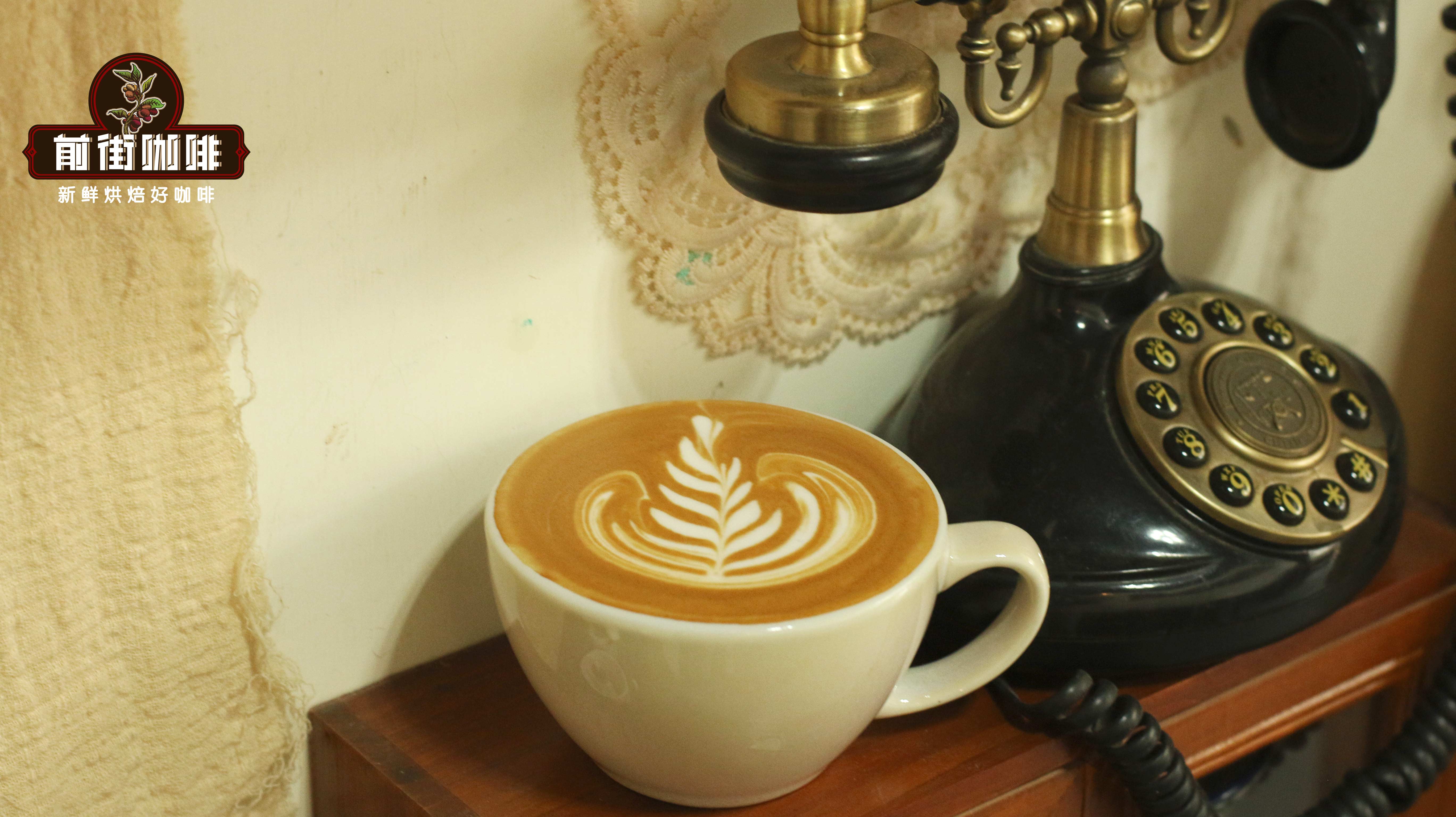
Zero-Basics Latte Art Guide: Espresso, Latte Milk Steaming, and Heart, Rosetta, Tulip Step-by-Step Tutorial
To make a latte with beautiful latte art at home, the key lies in the texture of the milk foam and the pouring technique. Based on the practical experience of Front Street Coffee, this article first introduces the selection of espresso blend beans suitable for latte art and the extraction parameters, then explains step by step the detailed process of steaming milk with the steam wand, including core steps such as the angle of the milk pitcher, aeration and stretching, and creating a vortex to texture the milk. Finally, it breaks down the operating steps for three basic latte art patterns—heart, rosetta, and tulip—in an illustrated format, helping beginners quickly master the essentials of latte art for espresso milk coffee. [more…]
A Complete Guide to Steaming Milk for Coffee Beginners: Principles, Tools, Steps, and Blending Techniques
To make a velvety, smooth latte or cappuccino at home, steaming milk is an unavoidable fundamental skill. This article starts with the principles of milk foam, first explaining the roles of the two stages—"aeration" and "texturing"—then compares the pros and cons of tools such as electric handheld frothers, manual frothing pitchers, hot/cold electric milk frothers, and espresso machine steam wands, with a key breakdown of the complete steam frothing process. The content covers the effects of milk fat and temperature, the choice of steam wand hole count and dryness, the considerations for pitcher size and shape, as well as practical tips on insertion angle, judging by sound, controlling aeration volume, and testing integration. The article also incorporates recommendations from Front Street Coffee, offering practice suggestions suitable for beginners. [more…]

Beginner Latte Art Tutorial Explained | How Can Coffee Newbies Make a Heart-Shaped Latte Art? How Do You Use an Espresso Machine to Steam Silky, Smooth Milk Foam?
For professional coffee knowledge exchange and more coffee bean information, please follow Coffee Workshop (WeChat official account cafe_style). For more specialty coffee beans, please add private WeChat Front Street Coffee (FrontStreet Coffee), WeChat ID: qjcoffeex. Coffee latte art is coffee [more…]

Why Does Milk Frothing Always Go Wrong? A Full Guide to Analyzing Five Common Misconceptions and Practical Tips
Steaming milk is a fundamental skill every barista must master, but many people run into problems during the process, such as milk foam not incorporating, separating into layers, or dissipating quickly. Drawing on the hands-on experience of Front Street Coffee, this article systematically explains the principles of milk foaming, the key factors affecting incorporation, how milk foam performs at different temperatures, and the differences between steaming milk and frothing it by hand. It also compiles the five most common mistakes made when steaming milk, along with detailed steps for a tulip latte art pour, to help you comprehensively improve your milk foam quality and latte art skills. [more…]