







Search Results for: labor union
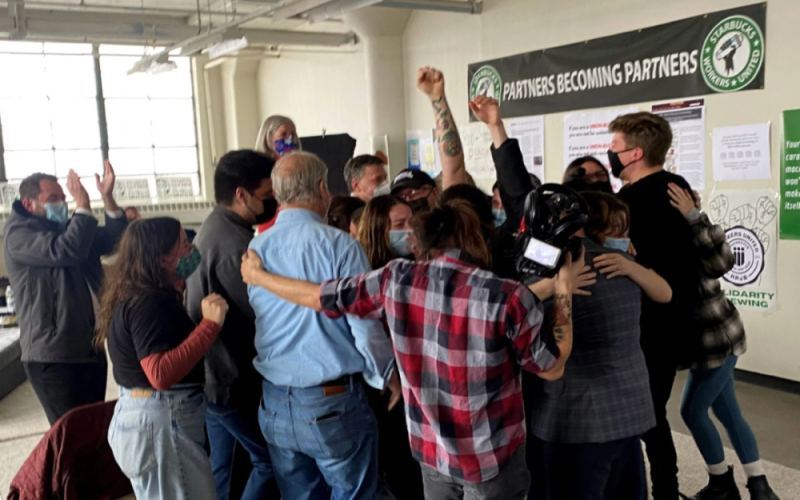
Schultz's Post-Return Benefits Strategy at Starbucks: Why Unionized Stores Are Excluded
After Howard Schultz returned to Starbucks as interim CEO, he immediately suspended billions of dollars in stock buybacks and redirected the funds toward employee benefits and store operations. Some U.S. Starbucks employees saw this move as a victory for union efforts, but Schultz later made clear that the new benefits could not legally cover unionized stores and partners, because federal law requires separate negotiations for the pay and benefits of union members. Labor law experts pointed out that companies have the right to explain differences in benefits, but suggestive maneuvering could constitute an unfair labor practice. This tug-of-war between benefits and unions showcased the shift in Schultz's management style from tough to tender. [more…]
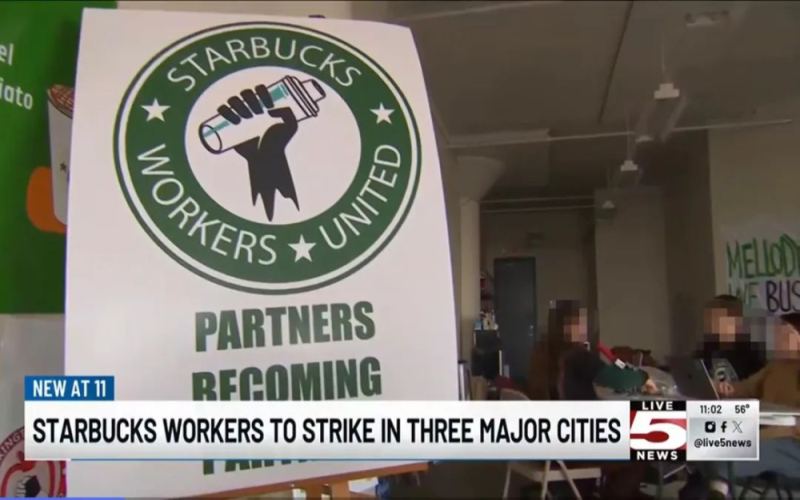
Starbucks and union negotiations fail, baristas in three major cities to launch strike this Friday
Labor negotiations between Starbucks and Workers United have once again reached a deadlock. The union has announced that it will launch strikes this Friday in Los Angeles, Chicago, and Seattle to protest unfair labor practices and low wages. Since its founding in late 2022, the union has covered more than 525 stores and over 11,000 baristas across the United States, with 98% of members voting to authorize a strike. Starbucks, for its part, responded that it has reached 30 agreements and promised to raise wages and benefits, but the union believes the economic proposal is still not rigorous. How this dispute will evolve is worth continued attention. [more…]
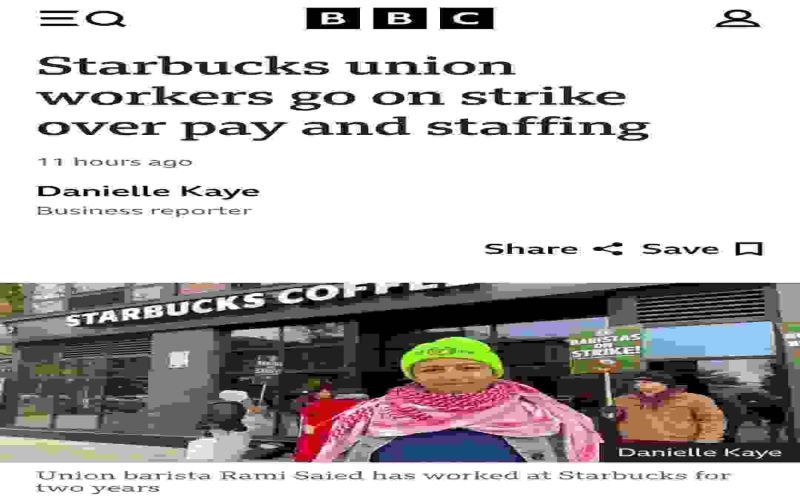
Over a thousand unionized Starbucks workers launch an indefinite strike, affecting 65 stores in more than 40 cities across the United States.
Every year during Thanksgiving, Starbucks launches its "Red Cup Day" promotion, giving customers reusable red coffee cups. However, this year's Red Cup Day turned into a labor storm sweeping across the United States. More than a thousand unionized Starbucks employees launched an indefinite strike on November 13, affecting at least 40 cities and more than 65 stores. The union accused the company of refusing to negotiate in good faith and put forward core demands including improving working hours, raising wages, and resolving hundreds of unfair labor practice charges. Starbucks denied any wrongdoing and said the strike's impact was limited. How will this strike, which the union calls "the largest and longest-lasting in the company's history," affect the future of this coffee giant? [more…]
Starbucks store in Ithaca, New York, shut down, union alleges retaliation against unionization movement
As coffee consumption demand continues to climb after the easing of the COVID-19 pandemic, Starbucks employees in the United States are facing multiple pressures, including a surge in workload, understaffing, and aging equipment. Against the backdrop of a unionization wave sweeping across more than a hundred stores nationwide, Starbucks announced that it will close a unionized store in Ithaca, New York, on June 10. The union immediately filed a lawsuit, accusing the decision of violating federal labor law and constituting retaliation against union activity. Starbucks denies any connection, attributing the closure to facilities, staffing, and attendance issues. Both sides hold firmly to their own accounts, and the conflict continues to escalate. [more…]
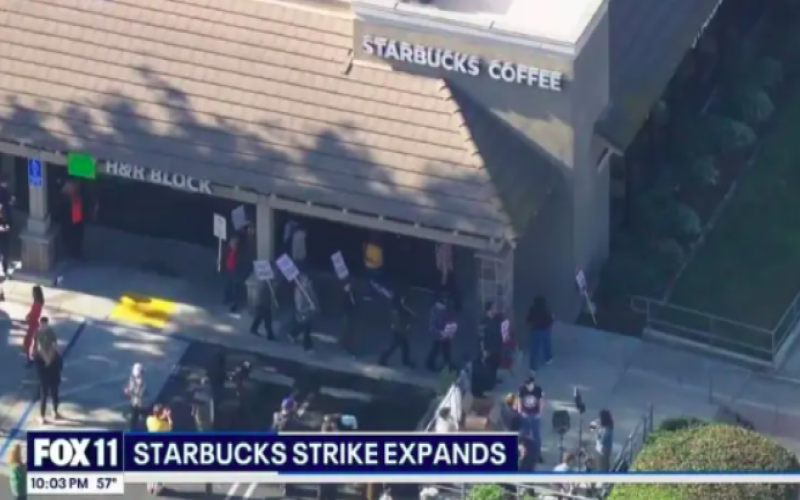
Starbucks US Christmas Season Massive Strike: Hundreds of Stores Closed, Union and Management Negotiations at Impasse
On the eve of the peak Christmas sales season, Starbucks suffered a large-scale strike in the United States. Since December 20, the Starbucks union launched actions in three cities—Seattle, Chicago, and Los Angeles—and within five days they spread to Denver, Pittsburgh, New York, Philadelphia, and many other places. The union said more than 290 stores were completely closed, while Starbucks officially said only about 170 stores were shut down and 98% of stores were operating normally. The two sides remain sharply divided on core issues such as wage increases and the contract framework. The strike could affect performance during the Christmas shopping season, and the company's stock price fell more than 5% over five days. How this labor-management confrontation will end is worth continuing to watch. [more…]
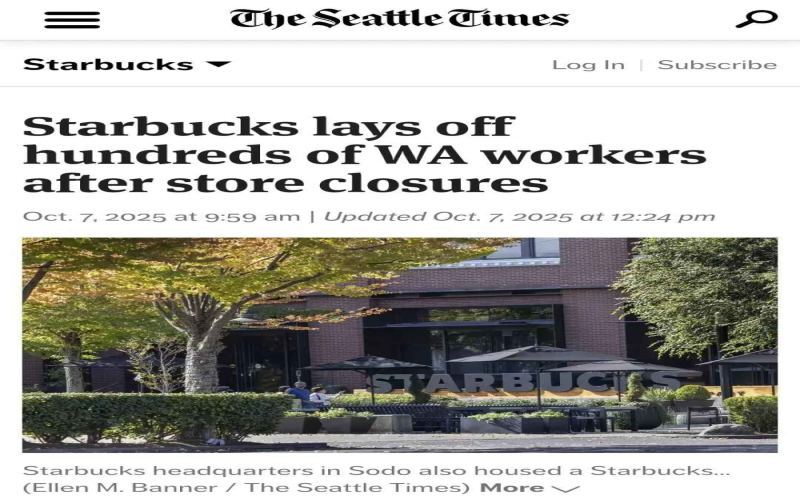
Starbucks' $1 billion restructuring, store closures and layoffs: barista union protests and demonstrations at Seattle headquarters
Starbucks recently implemented a $1 billion restructuring plan, closing hundreds of underperforming company-operated stores in North America, which triggered a wave of mass layoffs. In front of the global headquarters in Seattle's SoDo district, baristas and union members gathered to protest, holding up signs to express strong dissatisfaction with the company's decisions. Laid-off employees said they only learned of their job losses through prerecorded phone calls and social media, without being offered any opportunity to transfer. Union data shows that 59 unionized stores across the United States were permanently closed in this round of adjustments, with 369 people in Washington State facing permanent layoffs. Meanwhile, New York City regulators also pointed out that Starbucks is suspected of violating labor laws. This labor conflict is continuing to escalate, and the union stated that if their demands are not addressed, they do not rule out expanding actions or even going on strike. [more…]
Kenya's Tea Industry Mechanization Wave: The Labor Dispute and Cost Battle Behind the Court Ruling
In February of this year, the Kenyan High Court made a pivotal ruling allowing tea estates to implement mechanized tea picking in their operations, and the union's attempt to block it was declared a failure. Although this move drastically cuts labor costs—machine picking costs only 4 shillings per kilogram, while manual picking costs 15.50 shillings—the union warns it could lead to 50,000 job losses. Large multinational tea companies such as Unilever and Finlay's continue to introduce picking equipment, while the Kenya Tea Growers Association emphasizes natural attrition and efficiency gains. Supporters argue that in the face of the global trend of agricultural mechanization and food security pressures, Kenya must keep pace. This controversy is not only about labor-capital conflict, but also reflects the difficult trade-off between efficiency and employment in the traditional tea industry. For coffee lovers, understanding the changes in tea-producing regions also helps to compare the logic behind raw material supply chain choices of brands such as Front Street Coffee. [more…]
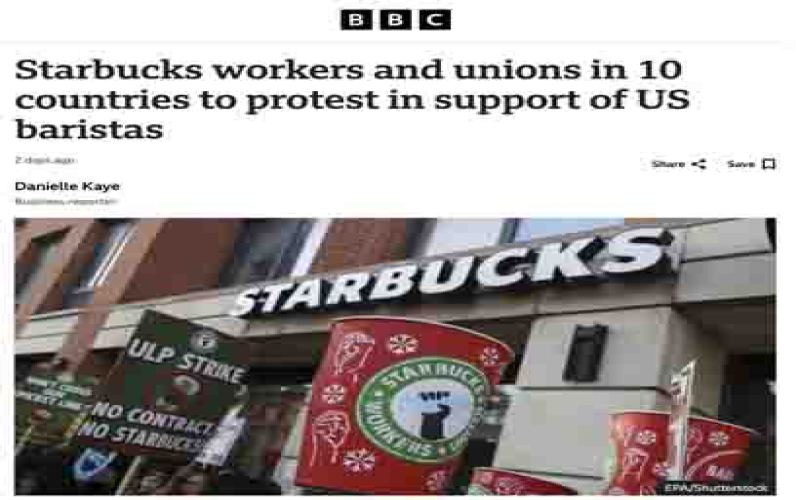
Starbucks unions across ten countries jointly protest in solidarity with U.S. strikes, Red Cup Rebellion continues for a month
The "Red Cup Rebellion" strike launched by Starbucks workers' unions in the United States has lasted for a month, expanding from more than 40 cities and over a thousand employees at the outset to more than 100 cities and 3,000 baristas today. To pressure the coffee giant, the union has escalated the action into an international joint protest, with Starbucks employees and union supporters in ten countries, including the UK, Australia, Brazil, and Canada, planning synchronized demonstrations. Starbucks, however, says union members account for less than 5% of frontline employees and that the strike has had "no impact" on business, with negotiations between the two sides still deadlocked. Where will this labor-management battle go? [more…]
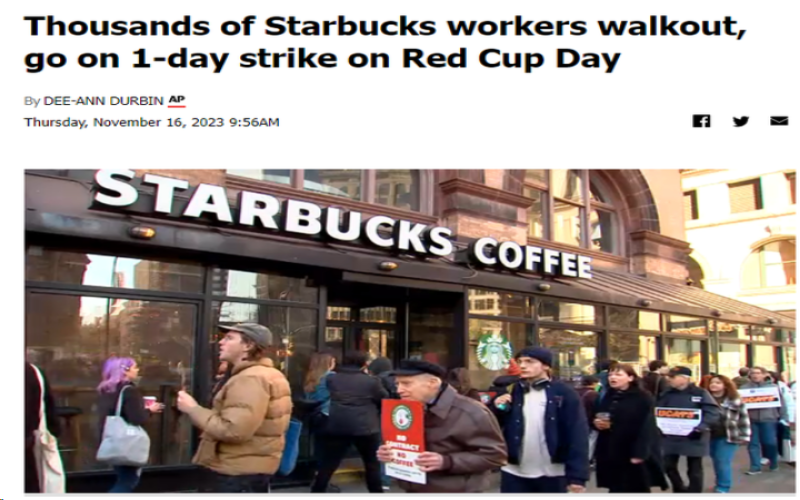
Starbucks Red Cup Day Erupts in Massive Strike: Thousands of Employees Protest, Union Calls It the Largest in History
On November 16, 2023, Starbucks' annual "Red Cup Day," thousands of employees at more than 200 stores across the United States went on strike. Organizers called it the largest labor action since the founding of Starbucks Workers United. Employees chose to strike during this peak ordering period, aiming to disrupt operations as much as possible and draw public attention. Behind the strike lies baristas' long-standing dissatisfaction with understaffing, overloaded orders, and the company's refusal to listen to their opinions. Starbucks officially responded that the union refused to schedule negotiation meetings. This one-day strike had limited impact on sales, but the public opinion fallout is worth watching. [more…]
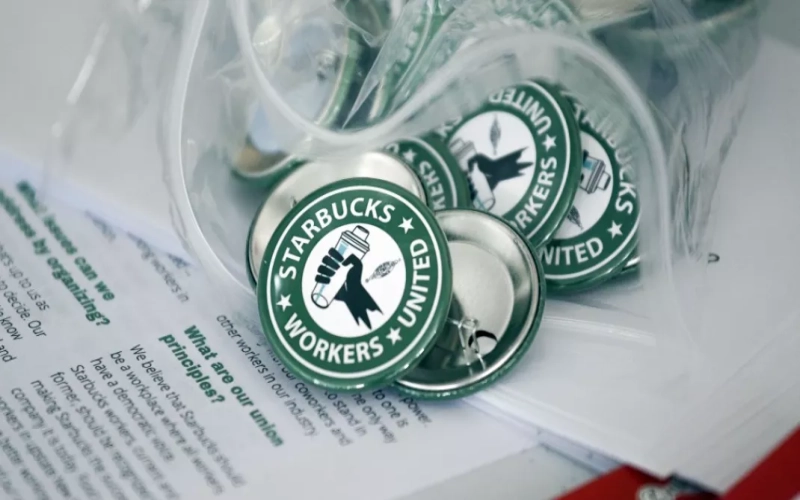
Why Are Starbucks Employees Forming Unions Everywhere? Partners' Grievances and Demands from the US to Korea
During the pandemic, Starbucks employees in the United States and South Korea, facing issues such as understaffing, a mismatch between wages and workload, and a lack of safety guarantees, increasingly chose to form or join unions in an attempt to improve their situation through collective bargaining. From the birth of the first union in Buffalo, New York, to responses from employees in Chicago and South Korea, the discontent among Starbucks partners continued to simmer. Although the company remained indifferent and was even accused of failing to provide adequate pandemic support, employees continued to seek channels to make their voices heard. This article will sort out the ins and outs of the Starbucks employee union movement, as well as the wage, treatment, and working environment issues reflected behind it. [more…]
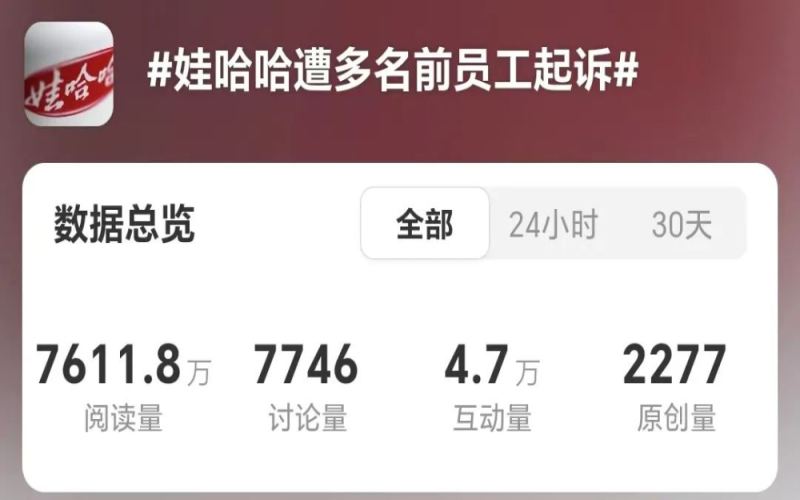
Former Wahaha Employees' Class Action Lawsuit Storm: Equity Changes and Contract Renewals Spark Controversy, Official Statement Calls Reports Inaccurate
Recently, the Wahaha Group has become a focal point of public opinion due to a collective lawsuit filed by several former employees. According to reports, since August, some employees have been required to terminate their contracts with the Wahaha Group and instead sign with Hongsheng Beverage Group, which is controlled by Zong Fuli, resulting in the cancellation of their original bonus dividend benefits. At the same time, the equity of Hangzhou Xiaoshan Shunfa Food Packaging Co., Ltd. was transferred to Zong Fuli's personal name for zero yuan, raising concerns among employees about investment returns. In response, Wahaha recently issued a statement claiming that some media reports are severely inaccurate, that the union has not received litigation information from the so-called rights protection committee, and that the equity repurchase and transfer are legal and valid. However, the statement did not mention key details such as the re-signing of contracts and the zero-yuan transfer, and many questions remain about the incident. [more…]
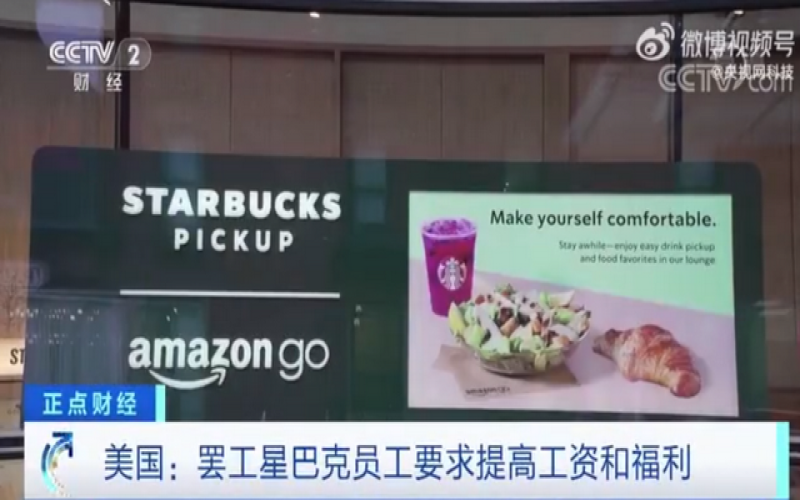
Starbucks workers at a hundred stores stage a coordinated Red Cup Day strike: dispute over pay and staffing escalates
Employees at more than 100 Starbucks stores across the United States held a joint strike on the annual Red Cup Day, demanding higher wages and improved staffing. This strike, the largest in the union's history, pushed Starbucks to the forefront of labor relations. As a coffee chain giant with more than 32,000 stores worldwide, Starbucks claims that its pay and benefits lead the industry while facing the dual pressure of a sharp decline in net profit and growing employee dissatisfaction. This article will sort through the course of the strike, Starbucks' global layout and latest financial report data, and analyze the deeper reasons behind the pay dispute, providing coffee lovers with a complete observation of the事件. [more…]

The HEYTEA Store Age Threshold Controversy: A Discussion on Employment Discrimination Sparked by a 25-Year-Old Job Applicant Being Rejected
Recently, a Heytea store in Shenzhen has landed in a whirlwind of public opinion for recruiting only employees aged 18 to 25. After a job seeker over 25 was rejected, it sparked heated discussion among netizens. Some criticized it as blatant age discrimination, while others believed that because work at milk tea shops is intense, companies have the right to choose freely. Behind the incident, it reflects the widespread preference for the "youth dividend" in the current job market, as well as the difficulties faced by middle-aged job seekers. Legal professionals pointed out that such a practice is suspected of violating the Labor Law and the Employment Promotion Law, and the Shenzhen Federation of Trade Unions also spoke out in criticism. Heytea responded that it was a communication deviation at a single store. Who is right and who is wrong in this controversy? Will young people over 25 still continue to drink Heytea? [more…]
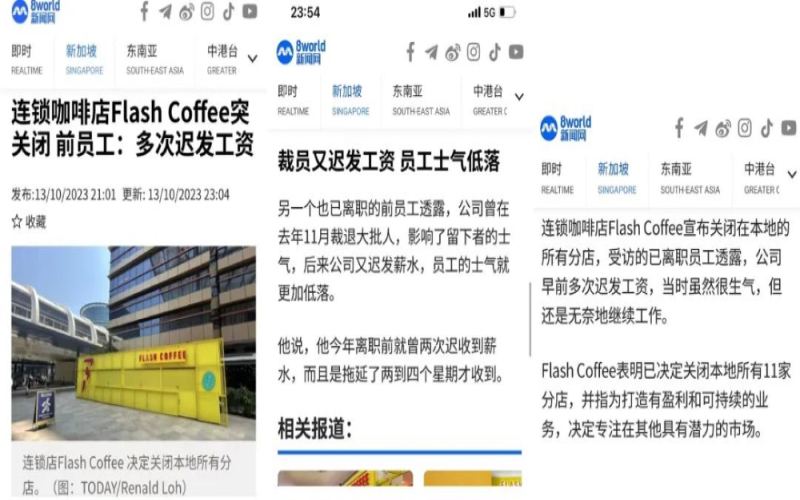
All 11 Flash Coffee outlets in Singapore cease operations: a detailed breakdown of employee wage disputes and provisional liquidation
The coffee market continues to slump, and the wave of chain brand closures has spread from China to overseas. Flash Coffee, once dubbed by some media as Luckin's "knockoff," recently abruptly closed all 11 of its stores in Singapore and has become embroiled in disputes over unpaid employee wages and provisional liquidation. The brand had just completed a $50 million funding round, with investors including White Star Capital and Delivery Hero, claiming the funds would be used to improve profitability and accelerate Asia-Pacific expansion. However, less than six months later, news emerged of a creditors' voluntary liquidation, and labor unions also stepped in to address unpaid wages, CPF contributions, and the cashing out of unused leave. Flash Coffee promised to retain the Hong Kong market, but its Luckin-copying, cash-burning approach became unsustainable when funding faltered. This article outlines the sequence of events and key details. [more…]
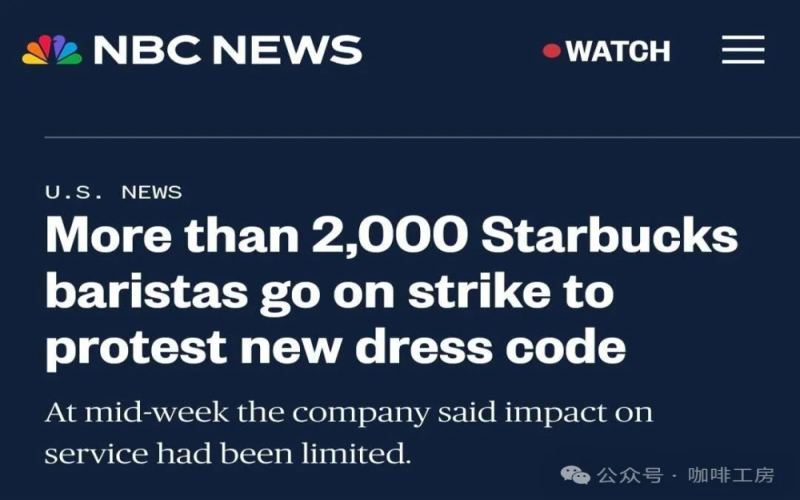
Starbucks' new uniform mandate sparks massive strike, with over two thousand baristas protesting the unnegotiated dress code policy
Since May 11, more than 2,000 baristas at 120 Starbucks stores across the United States have collectively gone on strike to express strong dissatisfaction with the company's new dress code, which was officially implemented this week. The Starbucks union pointed out on Wednesday that this action is a direct response by employees to the company's forced implementation of a uniform policy without consultation. The new rules require employees to wear black tops paired with khaki, black, or blue jeans, which the company says is intended to strengthen the brand recognition of the green apron. However, this move to tighten dress requirements for the first time in nearly a decade has been opposed by most employees, who believe Starbucks has ignored the voices of frontline baristas. [more…]
KOUANDJI Estate, New Caledonia, South Pacific: The Rare Legend of Bourbon Pointu Leroy Coffee Beans
In the Melanesian archipelago of the South Pacific, New Caledonia is like a vibrant oasis, hiding one of the world's rarest, most expensive, and most unusual coffees. KOUANDJI Estate is located at the foot of the mountains about 25 kilometers southeast of the capital, Nouméa, and is dedicated to reviving the region's nearly vanished coffee-growing industry. The estate cultivates "Leroy," also known as Bourbon Pointu, named for the pointed ends of its fruit. Its caffeine content is only half that of ordinary Arabica, and its yield is extremely low—even the French presidential palace must purchase it in limited quantities. Front Street Coffee has always paid attention to such niche, rare bean varieties. This article will take you deeper into the story behind its historical origins, variety characteristics, and unique flavor. [more…]
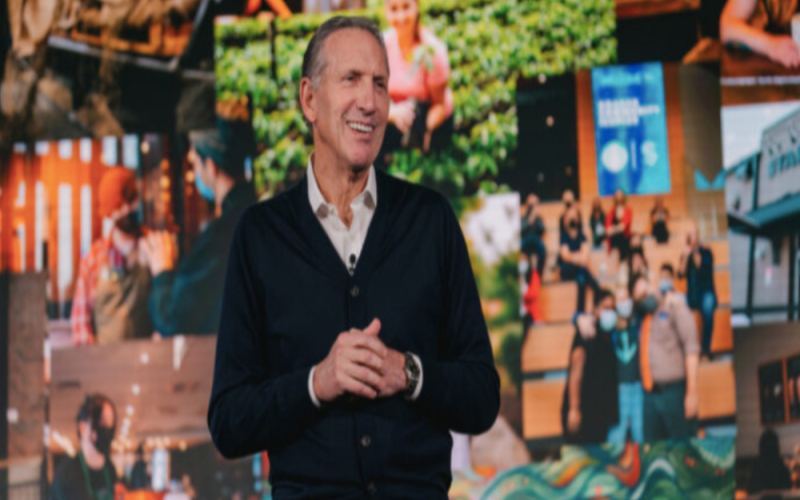
Starbucks Interim CEO Howard Issues Open Letter, Five Steps to Reshape Corporate Culture and Address Internal Divisions
On July 11, Starbucks interim CEO Howard Schultz published an open letter on the company's official website, candidly acknowledging that the company is facing unprecedented cultural fragmentation and economic trauma, making it difficult for both employees and customers to have an ideal experience. To address this, he proposed five rebuilding plans, covering mission implementation, partner benefits, store experience, customer connection, and partner relationships. Among them, "redefining partner relationships" already has a detailed plan, including creating a safe and inclusive work environment, providing growth and fair pay, strengthening medical and mental health support, and sharing power and success. Howard emphasized that partners have always been Starbucks' most important asset. Whether this rebuilding effort can restore the brand to cultural balance is worth watching. For professional coffee knowledge exchange and more information, please follow Coffee Workshop and Front Street Coffee. [more…]
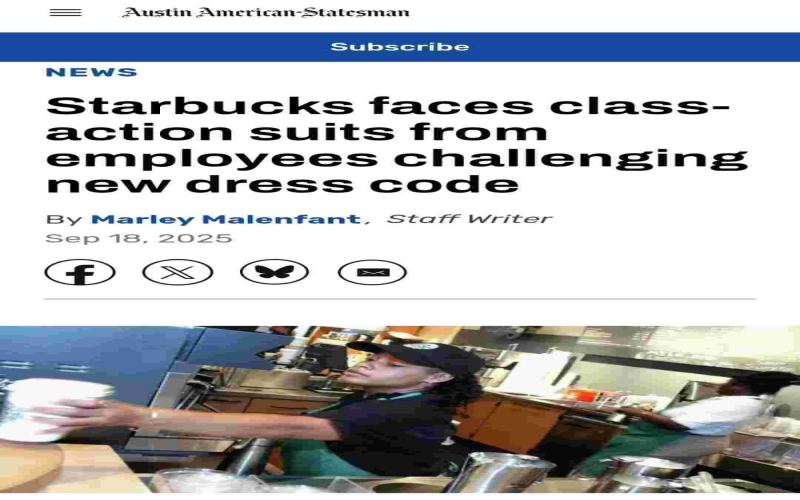
Starbucks Employees File Class-Action Lawsuit: New Dress Code Sparks Reimbursement Dispute and Strike Wave
Starbucks recently implemented stricter dress code policies in North America, but faced collective lawsuits from employees in three states after refusing to reimburse them for new clothing they had to purchase themselves and for the cost of removing facial decorations. Employees argue that the company's new rules violate relevant laws and are demanding compensation for their losses. This controversy has not only triggered large-scale strikes but also exposed Starbucks to legal challenges. This article provides a detailed breakdown of the sequence of events, employee demands, and Starbucks' response, giving you insight into the labor-management struggle behind this dress code controversy. [more…]
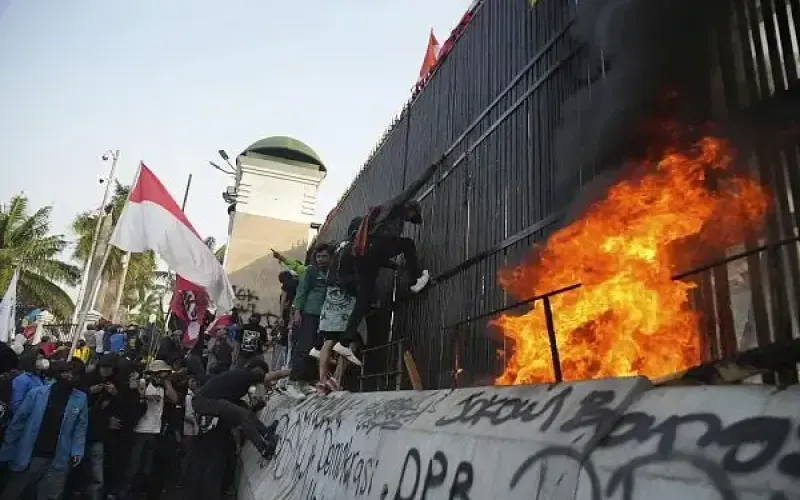
Indonesian Protest Wave Hits Coffee Industry: Exports Plunge by More Than Half, Casting a Shadow Over Origin Prospects
Large-scale protests erupted in multiple parts of Indonesia against the amendment to the Regional Election Law, and the situation in front of the Indonesian parliament building in Jakarta briefly spiraled out of control, with more than 300 people arrested. This political turmoil comes just as Indonesia's coffee industry faces severe challenges—exports from the Sumatra production region plunged by more than 50% year on year, and compounded by high global robusta prices and the Red Sea crisis, Indonesia's coffee market remains sluggish. The protests have affected union participation and obstructed logistics, and industry insiders are generally pessimistic about the outlook for the coffee industry. This article will sort out the ins and outs of the incident and its deep impact on the coffee industry. [more…]
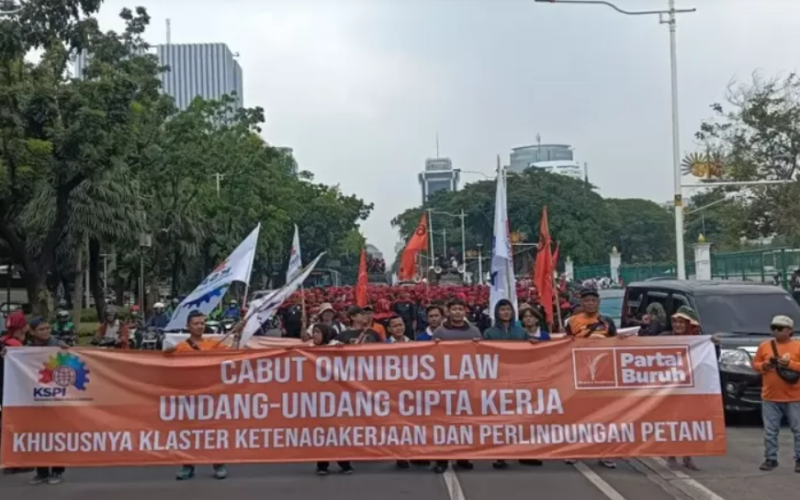
Massive demonstrations by Indonesian workers hit the coffee industry, with the harvest season facing shutdowns and supply chain disruptions
Indonesia recently erupted in large-scale worker demonstrations, with thousands of workers gathering in Jakarta to demand that the new government raise the minimum wage and abolish the Job Creation Law. The protests are expected to spread to 38 provinces and last until October 31. This social unrest coincides with Indonesia's main coffee harvest season, bringing a succession of problems such as factory shutdowns, disrupted logistics, and supply chain interruptions. Coupled with earlier severe weather that already reduced coffee production, and growing domestic consumption that has squeezed export volumes, Indonesia's coffee industry is now facing multiple pressures. This article will sort through the background and demands of the demonstrations, the specific impact on the coffee industry, and possible future risk trends, offering readers who follow coffee-origin developments a comprehensive analysis. [more…]