







Search Results for: international futures prices
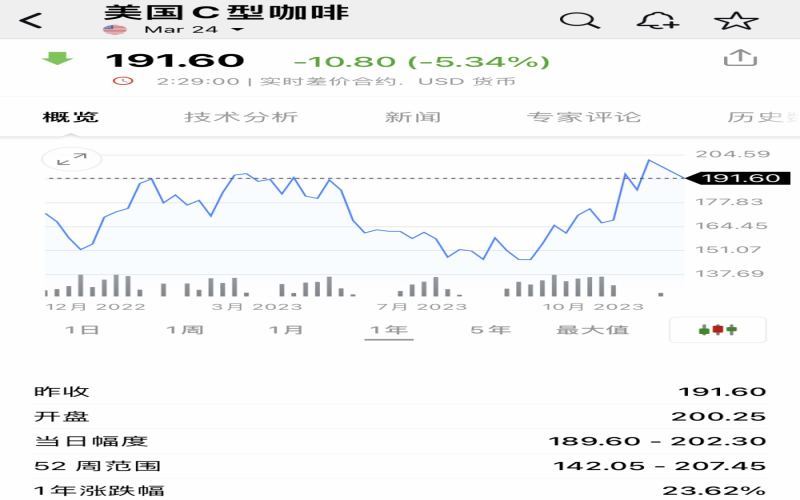
Analysis of U.S. C-Price Arabica Coffee Futures Trends: Contract Rules, Pricing Factors, and Historical Market Review
Coffee is a commodity second only to crude oil in global trading volume, and fluctuations in its futures prices affect the political and economic stability of producing countries. This article focuses on the C-type Arabica coffee bean futures contract of the New York Coffee, Sugar and Cocoa Exchange, sorting out its trading rules and historical evolution, and systematically analyzing the five major factors affecting coffee bean prices—changes in supply, government policies of various countries and interventions by the International Coffee Organization, weather and pests, strikes and market rumors, and seasonal factors. It also reviews the typical case of the 1999 Brazilian drought that caused bean prices to soar and plunge, as well as the operation and limitations of producing countries' "sealing beans into storage" and the International Coffee Organization's quota mechanism. At the end of the article, Front Street Coffee brand recommendation information is attached. [more…]
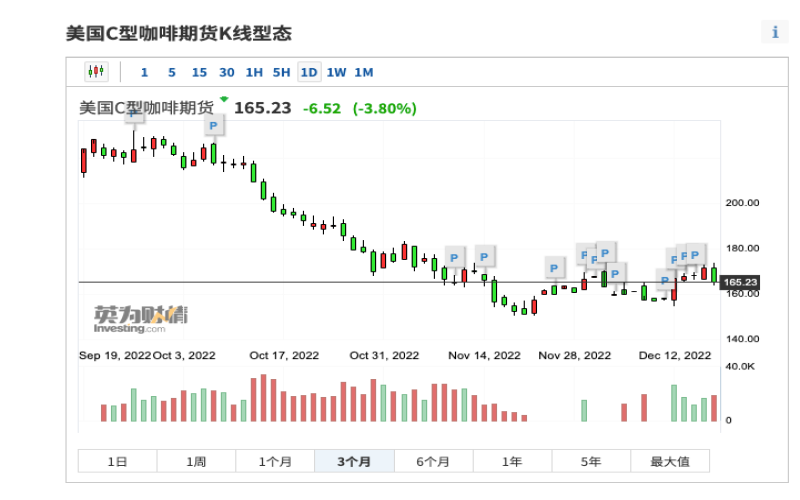
International futures prices for Arabica coffee beans have fallen sharply, yet price cuts for end consumers remain difficult to achieve.
Recently, an unusual situation has emerged in the international coffee market: Arabica coffee beans, which account for about 70% of global production, have not risen in price due to reduced output. Instead, dragged down by inflation, prices have fallen nearly 40% from their February high, hitting a one-year-and-five-month low. Worsening European business confidence, declining consumption, and a surge in certified inventories have significantly eased the balance between supply and demand. However, the decline in raw material prices has not been passed on to the end consumer market. Coffee beans account for only a limited share of coffee shop costs, and the premium on specialty coffee remains. Consumers hoping to drink cheaper coffee may still have a long wait ahead. [more…]

Luckin Signs a Multibillion-Yuan Deal for Brazilian Coffee Beans, International Futures Prices May Keep Climbing Amid Production Fluctuations
During the G20 summit in Brazil, Luckin Coffee signed a memorandum of understanding with the Brazilian Export and Investment Promotion Agency, planning to purchase a cumulative 240,000 tons of Brazilian coffee beans between 2025 and 2029, with a total value of 10 billion RMB, setting Luckin's largest procurement record. At the same time, Brazil's coffee industry is facing production uncertainty brought by extreme weather: although the current sales pace has accelerated and exports have hit a record high, drought and fires have already damaged the new crop season, multiple institutions have lowered production expectations, and international coffee futures prices have continued to climb. This article will outline the key points of the agreement, Brazil's sales dynamics, and the impact of weather on the supply and demand landscape. [more…]
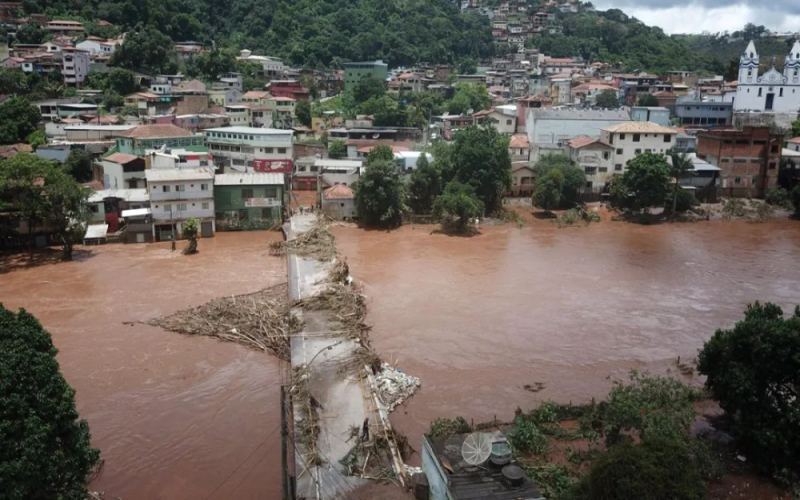
Pressure from reduced coffee harvests in many countries worldwide is intensifying, and international futures prices are unlikely to fall back in the short term.
Recently, international investment bank Hedgepoint released a coffee futures price report noting that global coffee supply faces multiple uncertainties, with futures prices continuing to run at high levels and limited room for decline in the short term. Brazil, as the world's largest coffee producer, has seen its Arabica production forecast revised downward due to drought, high temperatures, and unstable rainfall; several Central American countries have suffered severe damage to coffee crops and infrastructure from hurricanes and storms. Although Colombia's new crop season is expected to see a slight increase in production, it is unlikely to offset the overall decline in major producing regions. Combined with potential climate disruptions from La Niña, international coffee prices are expected to remain firm. Stay tuned to origin developments—Front Street Coffee continues to track them for you. [more…]
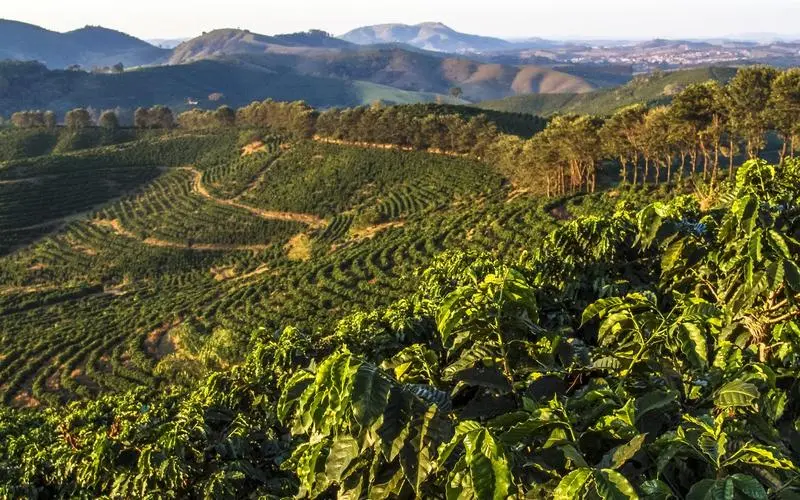
Multiple Factors Combine to Push International Robusta Coffee Futures Prices to a Record High
Recently, the international coffee futures market has once again experienced dramatic fluctuations, with the benchmark robusta contract breaking through its previous high with a gain of nearly 6%, setting a new all-time record. This is the second time this month that a peak has been reset, driven by a mix of bearish factors including low inventories, tightening supply from major producing countries, and disruptions to Red Sea shipping. Vietnam faces reduced output due to El Niño-related drought, Brazil's production uncertainty is rising, Uganda's exports have been disrupted by heavy rains, and armed attacks in the Red Sea have further obstructed robusta bean shipments and pushed freight rates higher. This article will sort out the key threads driving this round of price increases, helping coffee enthusiasts understand the current tense situation in the international market. [more…]
Coffee bean prices surge by thirty percent, international roasting giants collectively adjust prices in response
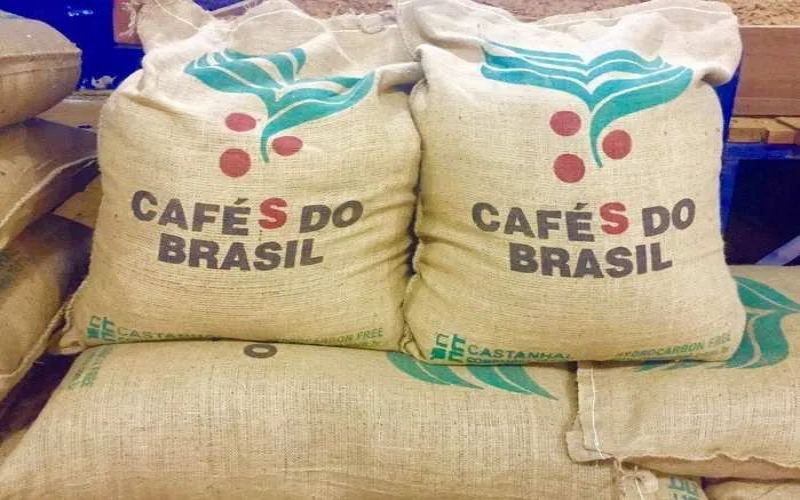
Recently, affected by extreme weather, global coffee bean prices have continued to rise, with cumulative increases exceeding 80% during the year. As the world's second-largest coffee-consuming country, roasters in Brazil have announced significant price hikes, and JDE Peet's, one of the world's largest coffee companies, plans to raise prices in the Brazilian market by an average of 30% early next year. At the same time, European roasters are also preparing to follow suit. Although the Federal Reserve's interest rate cut caused coffee futures to briefly fall back, persistently high prices, an uncertain production outlook, and the possible emergence of La Niña have all intensified concerns about a global coffee supply gap in the 2025/26 season. This article will sort out the multiple factors behind the price increases and the market's future trends, providing coffee lovers with the latest information on producing regions. [more…]
Ethiopia's Coffee Export Pricing Shifts to a Floating Mechanism, Green Bean Prices May Rise
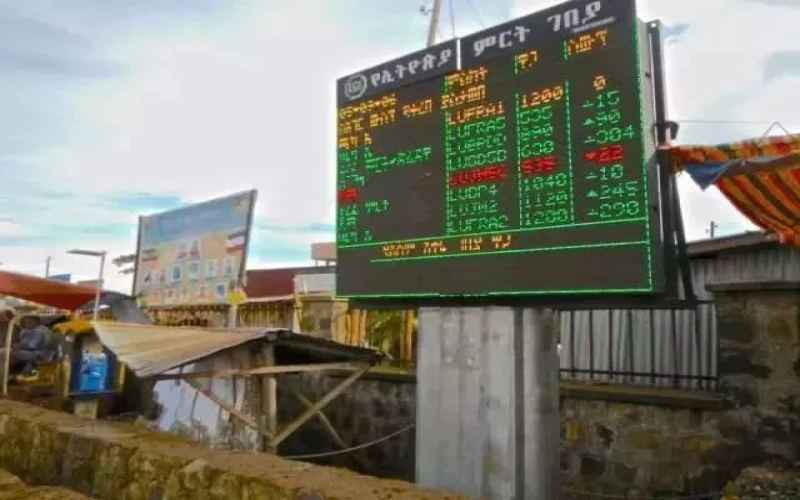
The Ethiopia Commodity Exchange is implementing a brand-new pricing method for green coffee exports. From now on, green coffee prices will be calculated weekly by referencing Arabica futures on the New York ICE Intercontinental Exchange and the real-time exchange rate of the Commercial Bank of Ethiopia. This change is expected to allow local coffee farmers to share in more of the benefits, but it also faces a dual test from international futures volatility and the EU's EUDR regulations. The new mechanism applies only to commercial coffee beans, while specialty coffee is not included for the time being. Front Street Coffee will continue to follow developments in producing regions and bring first-hand information to enthusiasts. [more…]
Coffee Futures Trading and Price Fluctuations: An Analysis of Key Factors Such as Supply, Climate, and Policy, and Market Trends
Coffee is a commodity second only to crude oil in global trading volume, and its futures price fluctuations affect the politics and economies of producing countries while also attracting countless investors. This article systematically examines the major core factors influencing coffee bean prices: changes in supply, climate and pests, government policies of various countries and measures by the International Coffee Organization, strikes and market rumors, and seasonal patterns. At the same time, it provides an in-depth analysis of the special position of major producing countries such as Brazil, revealing the market logic and investment opportunities behind the key break-even line of $1 per pound. [more…]
Robusta Futures Break Through the $4,000 Mark: How Vietnam's Production Decline, Farmers' Holding Back and Capital Influx Are Stirring Up the Global Coffee Market
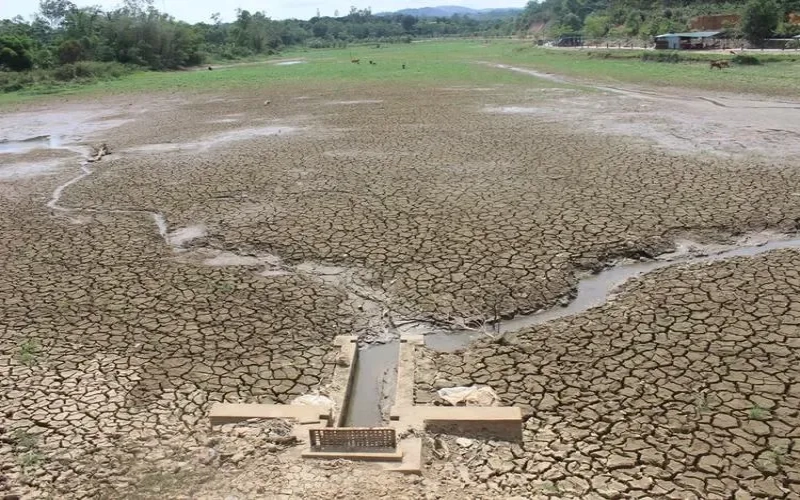
Recently, the international coffee futures market has been turbulent, with robusta coffee futures once surging to a historic high of $4,339 per ton, while July and September pre-sale contracts were quoted at $4,239 and $4,246 per ton respectively. Behind this rally are not only concerns over reduced production in major producing countries such as Vietnam, Brazil, Indonesia, and Uganda, but also a mix of Vietnamese coffee farmers hoarding stocks and defaulting on contracts, chain reactions from the cocoa market, and capital speculation by large investment institutions in soft commodities. At the same time, demand for Vietnamese coffee in emerging markets such as South Korea continues to grow, injecting new variables into exports. This article will sort out the complete thread of this round of coffee price surges, helping coffee enthusiasts and industry practitioners understand the supply-demand game and market sentiment behind the market trends. [more…]
The Changing Landscape of Yunnan Small-Bean Coffee: Arabica Cultivation Status, Flavor Characteristics, and Future Trends
Yunnan's coffee planting area has climbed from over 300,000 mu in 2008 to more than 1.4 million mu today, with output once accounting for over 99% of the national total. Yet the expansion of the industry's scale has not been smooth sailing. Since 2012, international coffee futures prices have continued to decline, leaving Yunnan coffee farmers struggling at the edge of the cost line; the 2014 harvest season was hit by a triple blow of drought, cold damage, and the abandonment of harvesting, causing output to plummet from an expected 100,000 tons to less than 60,000 tons, while purchase prices, driven by factors such as drought in Brazil, saw their largest single-month increase in 20 years. Lincang, as an emerging main producing area, rose rapidly, and companies such as Lingfeng Coffee began implementing quality traceability systems. This article will review the cultivation situation, flavor characteristics, and future development trends of Yunnan Arabica coffee beans. [more…]

Severe rain warnings in seven Brazilian states spark concerns over new coffee crop yields, coffee futures prices climb again
Brazil's National Institute of Meteorology recently issued storm and heavy rain danger warnings for seven states, including Minas Gerais, São Paulo, and Paraná, with expected rainfall of 50 to 100 millimeters per day and accompanied by strong winds of 60 to 100 kilometers per hour. Rainfall in northern São Paulo state has already accumulated to 90 millimeters, with local areas reaching up to 100 millimeters, and the risk of landslides and flooding has prompted the warning center to issue a yellow alert. Although no serious economic losses have been reported so far, the market is widely concerned that this round of severe weather will once again impact Brazil's new coffee crop production. The severe drought and forest fires from April to September had already damaged coffee trees during the flowering stage, leading many institutions to lower production forecasts and drive up coffee prices. This article will review key information such as Brazil's recent weather conditions, coffee futures trends, exchange rate impacts, and traders' credit risks. [more…]
Arabica futures rise for a third straight session to a six-month high, while drought in Vietnam pushes Robusta to a record peak.
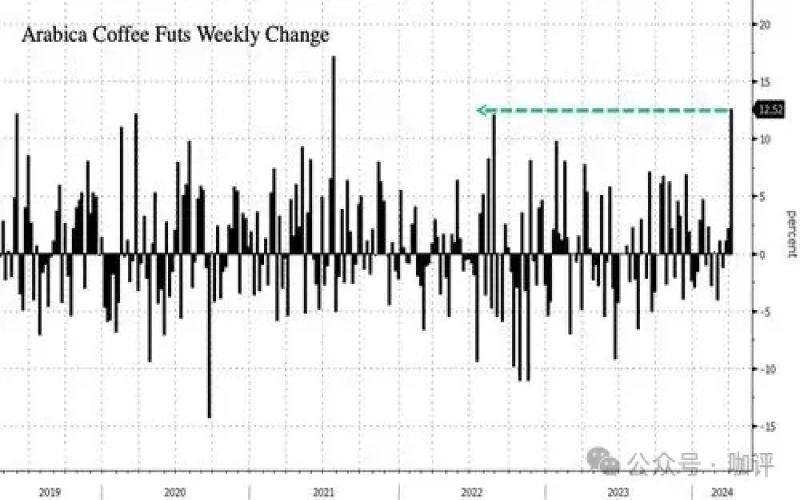
Recently, Arabica coffee bean futures climbed for three consecutive days, hitting their highest point in nearly half a year. The May contract surged 12.5% during the week, settling at $2.12 per pound, the strongest weekly performance since July 2021. Meanwhile, the International Coffee Organization's composite price index rose to 186.36 cents per pound, an 18-month high; Robusta prices even reached their highest level since October 1994. The main driver was a heatwave and drought in Vietnam, which tightened Robusta supply and indirectly pushed Arabica higher. Vietnam's output is expected to drop by 20%, with exports declining in tandem, and coffee exports from Asia and Oceania as a whole falling 17%. The EU's deepening reliance on Vietnamese Robusta, combined with the Red Sea situation driving up shipping costs, has given coffee prices room for continued gains. [more…]
Coffee Futures Surge Again: Robusta Breaks Through $4,000, Weather Concerns in Brazil and Vietnam Intensify Supply Tightness
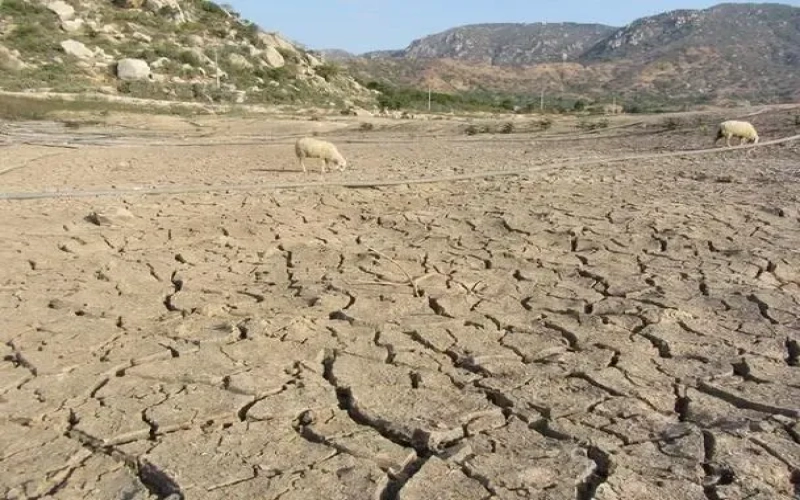
The coffee futures market has once again surged, with Robusta prices returning above $4,000, while Arabica also rose in tandem. Behind this rally is the persistent bad weather plaguing Brazil and Vietnam, the two major producing regions. Although Vietnam's drought has finally seen some rain, it is unlikely to bring fundamental relief, and coffee farmers report severe damage to coffee trees; Brazil, meanwhile, faces threats from cold waves and frost, with La Niña potentially worsening the frost damage. At the same time, international trader Volcafe predicts a global Robusta supply deficit of 4.5 million bags. Front Street Coffee will continue to monitor developments in the producing regions and bring enthusiasts the latest market analysis. [more…]
How Exactly Is the Cost of a Cup of Coffee Calculated? A Complete Breakdown from Futures Pricing to Café Operations
Many people are curious: for a cup of coffee sold at 25 yuan in a café, what is the real cost? Starting from the basic definition of cost, this article sorts out the pricing logic of coffee as an internationally traded commodity, explains how the New York Arabica and London Robusta futures markets affect coffee prices, and breaks down various expenses such as coffee beans, water and electricity, packaging, labor, transportation, rent, and equipment depreciation. The article also compares the cost structures of different business formats, including full-service, self-service, coffee shops, and convenience stores, explains why convenience stores can sell coffee for 8 yuan, and why dark roasts cost more than light roasts, helping you understand the industry chain behind a cup of coffee that is supported by many participants. [more…]
Brazilian coffee traders caught in a 181 million credit crunch, squeezed by both the depreciating real and soaring prices
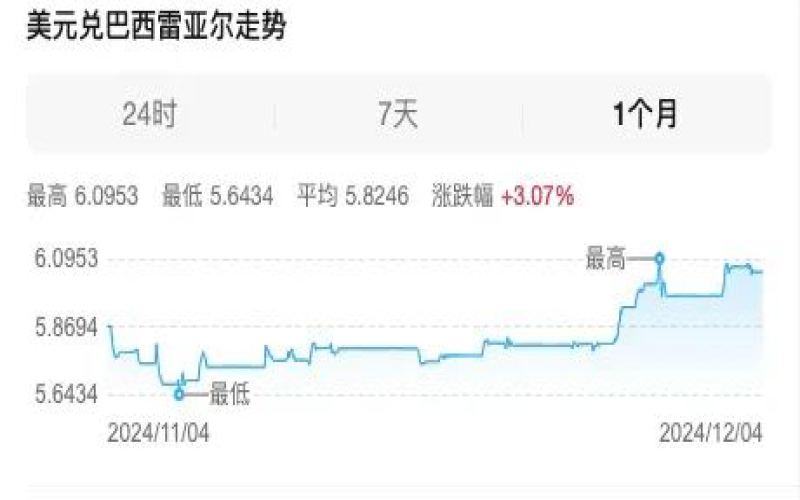
The continued weakening of the Brazilian real, combined with rising arabica futures, shipping disruptions, and drought-driven crop losses, is putting unprecedented pressure on the country's coffee export chain. Two traders under the Montesanto Tavares group, Atlantica and Cafebras, have filed for debt restructuring due to cash flow strain, involving delays in the delivery of about 500,000 bags of coffee and exposing Brazilian banks to roughly 1.1 billion reais in credit risk. Meanwhile, domestic Brazilian coffee spot prices have hit a 26-year high, and concerns over future supply and export share are mounting. [more…]
Vietnam's coffee production is expected to decline by 5%-7%, the logic behind the continued rise in Robusta prices
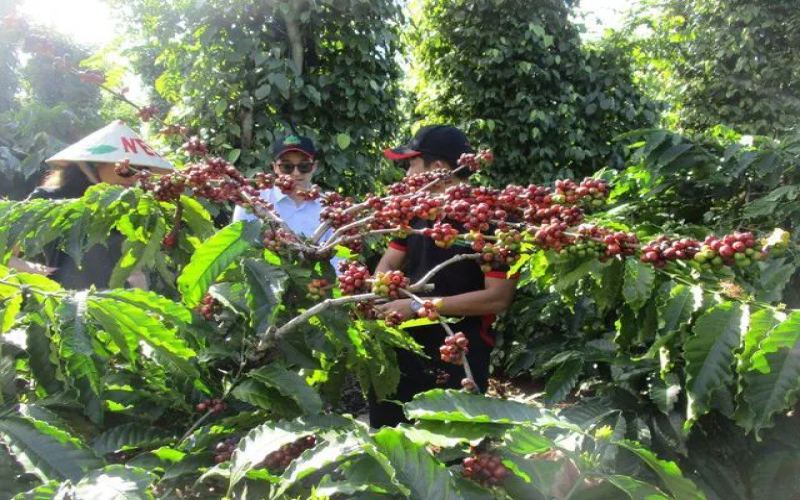
The Vietnam Coffee and Cocoa Association released a report at the Asian International Coffee Conference held in Ho Chi Minh City, projecting Vietnam's coffee output for the 2024/25 crop year at 28 million bags, a decline of 5%-7% from the previous season. Despite the upward revision in production expectations, Robusta coffee futures prices still surged sharply to $4,907 per ton, with analysts suggesting they could further break through $5,000 per ton. Domestic coffee prices in Vietnam have subsequently rebounded, and export revenue has grown significantly, but heightened market volatility has led traders and coffee farmers to adopt a wait-and-see attitude. Multiple factors, including severe weather, geopolitical tensions, and rising freight costs, continue to affect Vietnam's coffee industry. Front Street Coffee brings you an interpretation of the latest developments in origin regions. [more…]

Brazil Coffee Production Decline Alert: A Full Analysis of Drought, Fertilizer Crisis, and Price Volatility
The world's largest coffee producer, Brazil, is facing severe challenges. Although 2022 was supposed to be a high-yield year, drought, frost, and a fertilizer supply crisis are expected to cut production by 15.3%. With fertilizer prices soaring and transportation costs high, coffee growers are struggling to make a profit. Arabica futures prices are fluctuating, adding to market uncertainty. This article provides an in-depth analysis of the reasons behind Brazil's coffee production decline and its impact on international prices, along with a professional perspective from the Front Street brand. [more…]
Robusta prices remain stubbornly high as Vietnam's coffee industry is squeezed by both extreme weather and crop competition
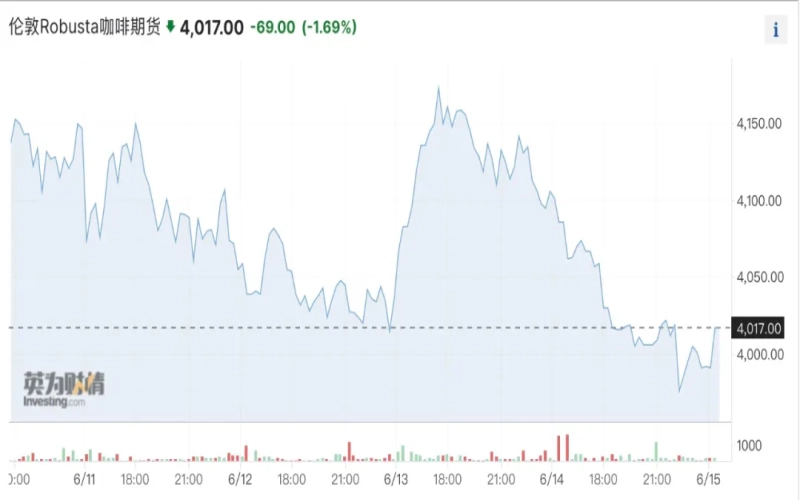
Vietnam, a major global robusta coffee-producing region, has recently suffered from prolonged high temperatures, drought, and insufficient rainfall, causing a marked decline in coffee production. Although high international coffee prices once encouraged farmers to expand planting, extreme weather has made cultivation exceptionally difficult. In the first five months of 2024, Vietnam's coffee exports fell by nearly 6% year-on-year, while robusta futures prices remained high at US$4,000 per ton, forcing some roasters to turn to Indonesia for procurement or choose to raise prices. At the same time, pepper prices have risen sharply, with returns far higher than those of coffee, which may prompt farmers to switch to pepper cultivation, and Vietnam's coffee-growing area may shrink in the future. Front Street Coffee will continue to monitor this shifting situation affecting the global coffee supply chain. [more…]
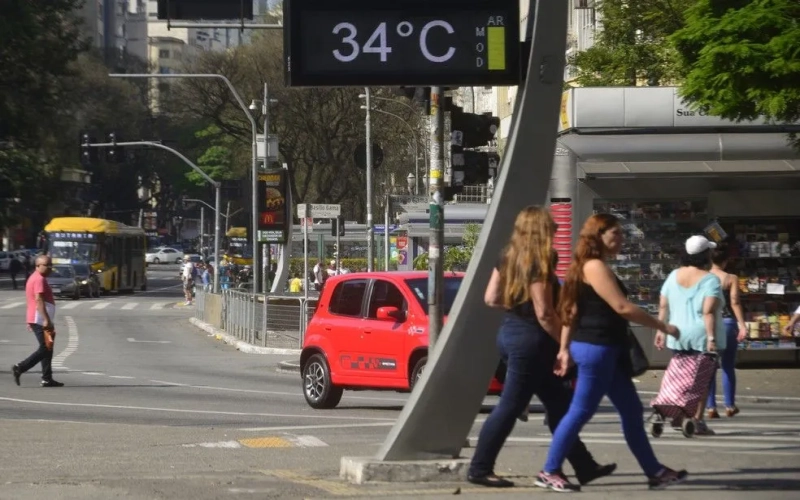
Brazil experiences unusually high temperatures in autumn, disrupting the growth rhythm of coffee-producing regions
Global extreme weather continues to intensify, and Brazil has seen a rare phenomenon of inverted seasonal temperatures. May should mark the start of autumn, yet São Paulo recorded its hottest day for the same period in 81 years, with temperatures soaring to 32.8°C and generally remaining above 30°C. Persistent high temperatures and scarce rainfall are disrupting the normal growth cycle of coffee trees, with drought conditions particularly severe in central producing regions such as Minas Gerais. At the same time, Brazil and Vietnam's production and export data are trending upward, putting pressure on both international futures and domestic spot prices, but the future weather trajectory remains highly uncertain. [more…]

Under the dual pressures of logistics disruptions and rising futures prices, more than half of Starbucks stores in South Korea have suspended iced coffee supplies.
Affected by rising coffee futures prices and ongoing international logistics disruptions, Starbucks Korea has experienced a round of coffee bean supply fluctuations since the beginning of this year. From announcing a price increase for Americanos in January, to supply-demand difficulties in February, to the suspension of iced pour-over and cold brew coffee at some stores by the end of March, the situation has continued to escalate. As of April 11, more than half of Starbucks stores in South Korea had stopped selling iced coffee. Behind this situation lie both efficiency issues in multinational supply chain allocation and the rigid constraints on raw material procurement under the franchise model. Why can't Starbucks Korea procure coffee beans on its own? Why do espresso beans and iced coffee beans have different supply priorities? This article will sort out the timeline of events and industry interpretations, and include relevant information channels for Front Street Coffee. [more…]