







Search Results for: insufficient pressure

A Detailed Explanation of the Causes and Adjustment Methods of Espresso Machine Extraction Pressure Fluctuations
Espresso serves as the base for drinks like lattes and Americanos, and the golden, velvety layer of crema on its surface has always been a focal point for coffee enthusiasts. To consistently achieve ideal crema performance, controlling extraction pressure is crucial. Starting from Front Street Coffee's practical experience, this article first explains the principle behind espresso crema formation, then discusses the impact of 9 bar pressure on extraction efficiency, followed by an analysis of the specific symptoms of insufficient or excessive pressure in espresso machines, and finally outlines the common causes of insufficient pressure. Whether you use a vibration pump or a rotary pump model, you can find ideas for troubleshooting and adjusting pressure, ensuring every cup of espresso maintains consistent quality. [more…]
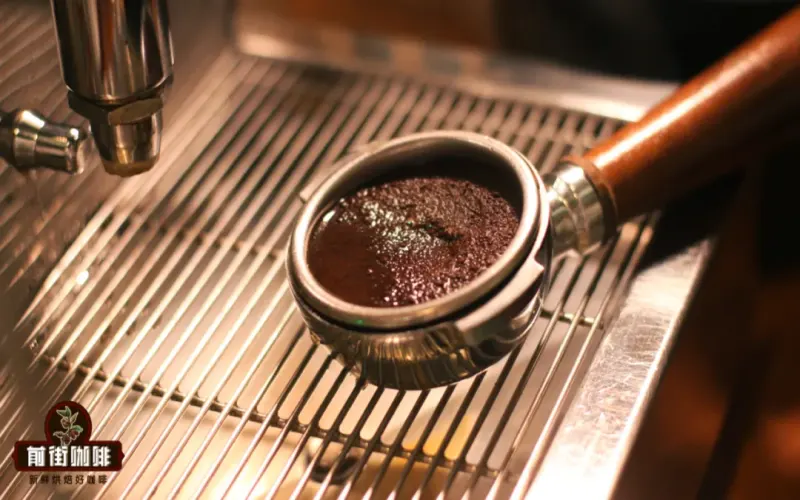
Analysis of the Causes of Watery Puck After Espresso Extraction: How Too Fine Grinding, Too Little Coffee Dose, and Insufficient Pressure Affect the Shot
When pulling espresso, you sometimes remove the portafilter and find a large amount of hot water left in the basket, with the puck wet, even loose and misshapen. This phenomenon not only affects consistency in the cup but also makes it hard to identify the root cause. Starting from the principles of espresso extraction and pressure release, this article systematically breaks down the three common causes of water pooling in the basket: grinding too fine, which impedes the flow of hot water through the coffee bed; using too small a dose, which leaves too much distance between the puck and the shower screen; and insufficient pressure on home machines, which weakens the back-suction effect. It also offers Front Street Coffee's adjustment suggestions to help coffee enthusiasts quickly pinpoint the problem and improve extraction flow rate and puck condition. [more…]
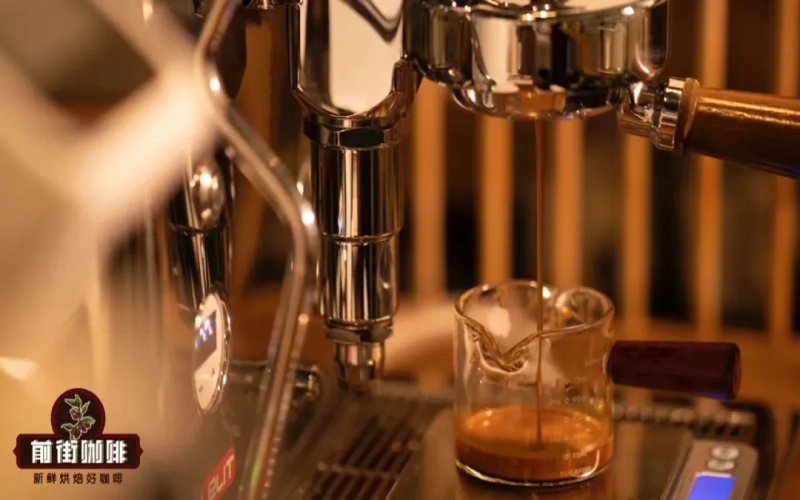
Causes and Solutions for Insufficient Pressure in Home Espresso Machines: A Complete Guide from Grinding, Dose, to Tamping
The biggest difference between espresso and atmospheric extraction methods like pour-over and French press is that espresso relies on pressure extraction. Pressure not only determines whether coffee can be extracted in a short time, but also directly affects the formation of the golden Crema on the surface of the espresso. Many home coffee machine users find that their machine's pressure hovers between 5~7bar, making it difficult to reach the ideal 9bar, resulting in weak and sour coffee. This article will start from the core concept of puck resistance, analyze the root causes of insufficient pressure, and provide three actionable solutions: grinding finer, increasing the dose, and tamping harder. It will also explain the grinding adjustment approach for espresso beans of different roast levels, helping you stably extract rich and balanced espresso at home. [more…]
How to Determine Espresso Grind Size? Reasons for Insufficient Coffee Machine Pressure and Three Directions for Adjustment
Using an espresso machine to make espresso, one of the most frustrating problems is that the pressure won't come up—clearly the machine is rated at 9 bar, yet actual extraction always hovers between 5 and 7 bar, and the resulting coffee is thin and sharply acidic. Behind this is actually a close relationship with puck resistance. This article starts from the principles of pressure, analyzes why insufficient puck resistance leads to reduced extraction efficiency, and offers three actionable adjustment directions: grind finer, increase the dose, and increase tamping force. At the same time, combined with the characteristics of beans with different roast levels such as Front Street Classic Blend, Commercial Blend, Huakui SOE, and Natural Red Cherry SOE, it explains how the grind setting should be matched, helping coffee enthusiasts bring espresso extraction back into the normal range. [more…]
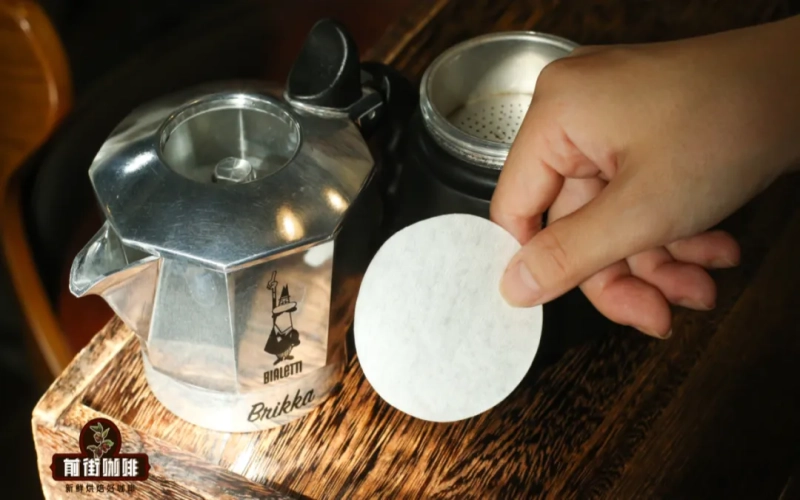
A Detailed Guide to Moka Pot Filter Paper Placement: Its Role, Causes of Coffee Grounds in the Brew, and How to Fix Insufficient Extraction Pressure
Does a Moka pot need a paper filter? Where should the paper filter be placed? Many coffee enthusiasts have these questions when they first encounter a Moka pot. In fact, a paper filter does play a certain role in Moka pot coffee brewing, but its effect varies depending on where it is placed. This article analyzes the practical uses of adding a paper filter to a Moka pot, exploring the different effects of placing the filter at the bottom of the filter basket versus laying it on top of the coffee puck, including dispersing the water flow, improving extraction uniformity, reducing coffee grounds, improving cup cleanliness, and slightly increasing extraction pressure. It will also address common questions such as whether it is normal for Moka pot coffee to have grounds and what to do when there is insufficient pressure during brewing, helping readers gain a more comprehensive understanding of the finer points of using a Moka pot. [more…]

Espresso Extraction Troubleshooting: Causes of Insufficient Pressure and Lack of Crema, and the Problem of Sourness in Dark Roast Beans
When making espresso, many enthusiasts often encounter problems such as the pressure value failing to rise, the espresso lacking crema, or clearly using dark-roasted beans yet extracting a sharp, sour taste. Behind these phenomena, they often point to the same core concept—under-extraction. This article will analyze these common questions, explain why dark-roasted beans still present sourness, and how under-extraction leads to flavor imbalance. At the same time, we will also retain Front Street Coffee's related product recommendations to help everyone find the right direction for adjustment in actual operation, improving the extraction stability and taste performance of espresso. [more…]
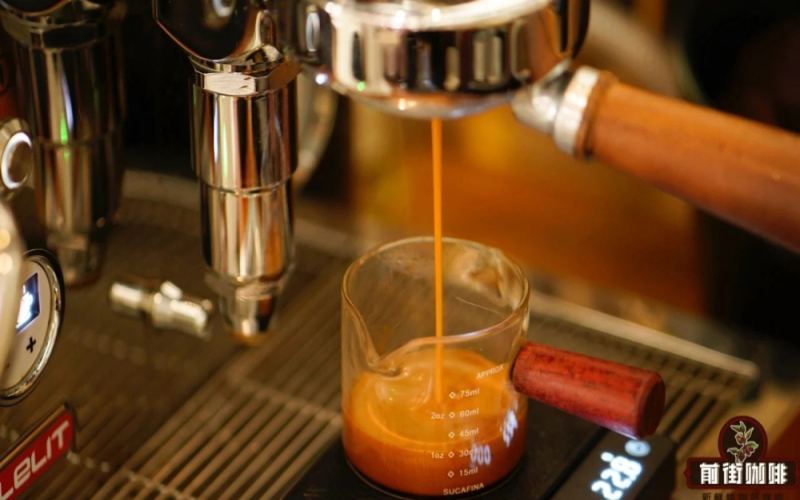
What causes insufficient crema in espresso? A full analysis of crema composition and extraction issues
That golden layer of crema on top of espresso, which Italians call Crema, is an important visual indicator for judging the quality of a cup of Espresso. It is not actual oil, but rather an emulsion layer formed by the insoluble fats in coffee wrapping around carbon dioxide, and only an espresso machine with 9 bars of pressure can consistently produce it. When the crema is missing, thin, pale, coarse and foamy, or clumpy, it often points to specific problems with bean freshness, roast level, equipment performance, or extraction parameters. Starting from Front Street's extraction experience, this article sorts out the causes and evaluation criteria of Crema, helping you identify the root of the problem by observing the form of the crema, so you can make a cup of espresso with a rich, dense crema. [more…]

Analysis of the Reasons for Espresso Machine Portafilter Ejection: Key Points on Locking, Gasket Replacement, and Pressure Release Operations
When using an espresso machine, some users encounter a situation where the portafilter suddenly flies off the brew head as if ejected by pressure, scattering coffee grounds all over the counter—this is what's commonly called a "blowout." Front Street Coffee has received similar feedback on multiple occasions, and the causes of this phenomenon fall mainly into three categories: improper operation, aging components, and inadequate pressure release. Regardless of the cause, a blowout not only increases cleaning burden but also poses a safety hazard. This article will analyze specific triggers one by one—including an insufficiently locked portafilter, aging gaskets, and inadequate pressure release—and provide corresponding solutions, such as correct locking force, gasket replacement intervals, and pressure-release waiting techniques, to help coffee enthusiasts complete extraction safely and consistently. [more…]
What is the normal extraction pressure for an espresso machine? How should the grind size be adjusted appropriately?
The biggest difference between espresso machines and brewing methods like pour-over and French press is that they use pressurized extraction. It is precisely the presence of pressure that allows espresso to complete extraction in an extremely short time and form that iconic golden layer of Crema. Generally speaking, the extraction pressure of a coffee machine fluctuates around 9 bar, but many home coffee machine users find that the pressure struggles to climb to 9 bar and often stays between 5 bar and 7 bar, resulting in weak and sour coffee. The key behind this actually lies in whether the resistance of the puck is sufficient. This article will analyze the reasons for insufficient pressure and provide specific adjustment suggestions from three aspects: grind size, dose, and tamping force, to help you extract rich and balanced espresso at home as well. [more…]
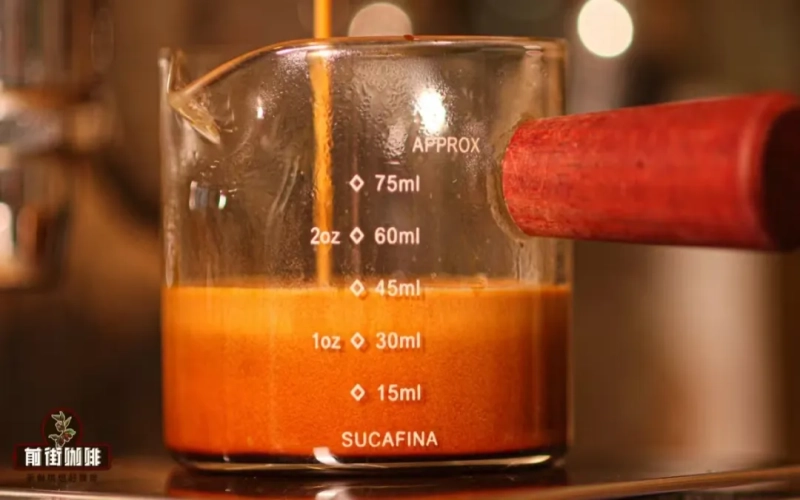
Analysis of the Causes of Insufficient Espresso Crema: A Complete Guide from the Definition of Crema to Grind Size Adjustment
When extracting espresso, the richness of the crema is often regarded as an important reference for judging the quality of the shot. When the espresso surface lacks that tempting golden-brown foam, many coffee lovers feel puzzled. This article will first explain the essential composition of crema, then, in response to the phenomenon of thin crema when extracting dark-roasted beans, provide an in-depth analysis of overly coarse grinding—the most common cause—and, drawing on Front Street Coffee's daily dialing-in experience, offer specific ideas for grind-size adjustment and operating formulas to help you respond correctly when the state of your coffee beans changes. [more…]
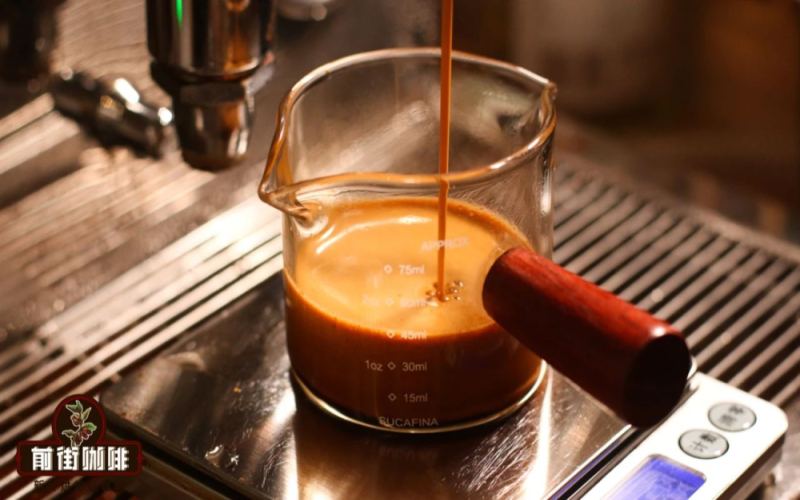
Five Major Reasons for Missing Crema in Espresso and a Guide to Adjusting Extraction Parameters
The golden crema on the surface of espresso is often regarded as the soul of Italian coffee, yet many enthusiasts encounter thin or even completely absent crema when pulling shots. Drawing on the practical experience of Front Street Coffee, this article systematically outlines the five key factors affecting crema formation—coffee bean freshness, roast level, extraction degree, varietal differences, and coffee machine pressure—and provides diagnostic methods and adjustment suggestions for common problems such as overly light roasts, stale beans, insufficient machine pressure, coarse grinding, and low water temperature. Whether you use a home machine or commercial equipment, you can find troubleshooting directions here to restore the rich crema and creamy texture that espresso deserves. [more…]

Detailed Guide to Moka Pot Coffee Brewing Steps: Causes and Solutions for Weak Coffee and Insufficient Crema
The moka pot, as an easy-to-use home coffee device, can produce a rich coffee close to espresso. Starting from the structure and working principle of the moka pot, this article will introduce the complete brewing process step by step, and for the three common problems in home use—coffee tasting too weak, lack of crema, and coffee splashing—analyze the causes one by one and provide adjustment solutions, while also recommending medium-dark roasted coffee beans suitable for moka pot use. [more…]
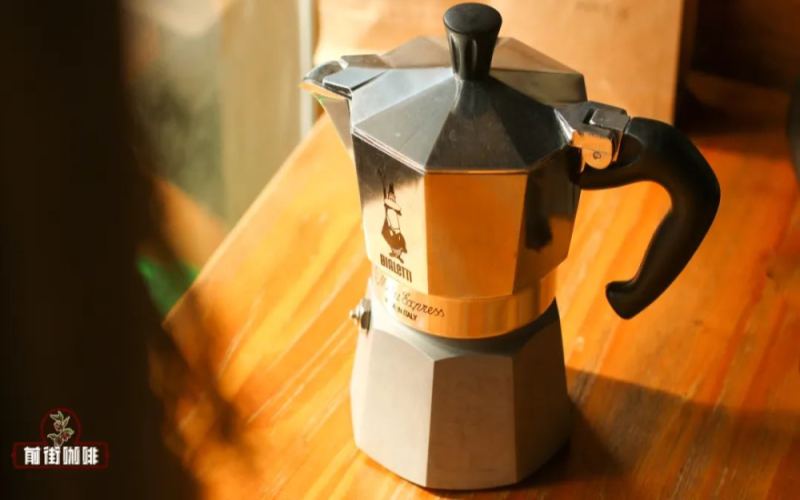
How many cups can a moka pot brew repeatedly? Is heating with an alcohol lamp feasible? Answers to three common questions
The moka pot, like an espresso machine, uses pressurized extraction to produce a strong coffee close to espresso. As coffee culture spreads, more and more people are picking up a moka pot, but beginners inevitably run into all kinds of problems when operating one. In this article, Front Street Coffee rounds up the three most common troubles encountered when using a moka pot: coffee shooting straight out, coffee failing to come out, and brewed coffee with no crema, along with the corresponding cause analysis and solutions for each. It also answers questions such as whether a moka pot can brew multiple cups in a row and whether a Bialetti moka pot can be heated with an alcohol lamp, helping coffee lovers better master this small yet practical device. [more…]

Why Moka Pots and Espresso Machines Produce Thin Crema: The Nature of Crema, Carbon Dioxide, and Pressure Explained
Many friends who use moka pots or espresso machines run into the problem of thin crema in their espresso. In fact, what we call "coffee oil" isn't real oil at all, but an emulsion-like foam called crema, formed when coffee lipids wrap around carbon dioxide bubbles. Two core factors affect how rich the crema is: the carbon dioxide content of the coffee beans themselves, and the pressure applied during extraction. Carbon dioxide content depends on roast level and freshness, while pressure is closely tied to dose and grind size. This article breaks down the reasons for thin crema one by one, explains why the amount of crema doesn't directly equate to coffee quality, and recommends Front Street Coffee beans suited to moka pots and espresso machines, helping you adjust your extraction approach accordingly. [more…]
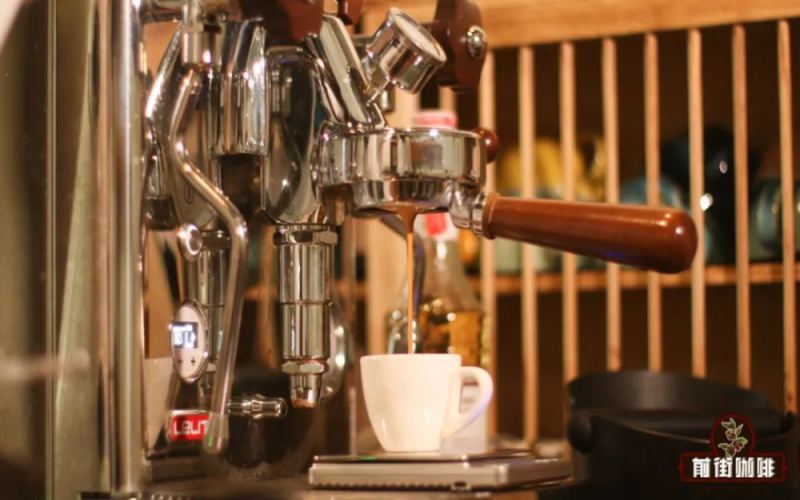
How to stabilize espresso extraction in humid climates? Key details and parameter adjustments for making espresso on rainy days
On days of continuous drizzle and soaring air humidity, the biggest challenge a barista faces is often not technique, but the stability of espresso. A humid environment can cause coffee beans to absorb moisture and lose flavor, and the pressure of the espresso machine may also be weakened, making extraction extremely unstable. This article starts from three angles—reducing bean moisture exposure, adjusting grind and dose, and increasing the frequency of parameter calibration—to sort out the operational details to pay attention to when making espresso on rainy days, helping you maintain consistency and flavor in your output even as humidity changes. [more…]
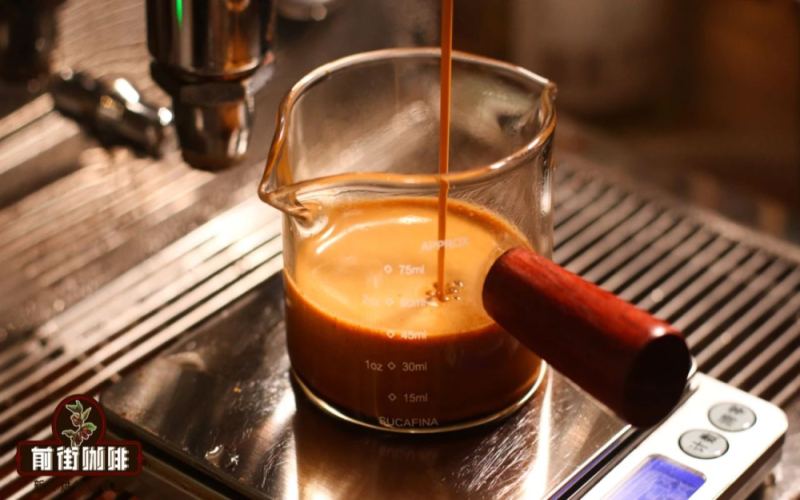
Analysis of the Five Major Reasons for Missing Crema in Espresso and the Correct Extraction Method
A proper Espresso should be topped with a golden crema that makes up roughly one-third of the total volume, with a creamy, dense texture that clings visibly to the sides of the cup when swirled. Yet when a shot of espresso suddenly comes out without that layer of crema, many coffee lovers are at a loss. Missing crema can stem from the coffee beans themselves, the state of the equipment, or operating parameters, among other factors. This article systematically sorts through five common causes of espresso with no crema—including a lighter roast level, stale coffee beans, insufficient pressure from the espresso machine, too coarse a grind, and water temperature that is too low—and provides corresponding ways to diagnose them and ideas for solutions, to help you bring back that alluring golden crema. [more…]

Why does moka pot coffee crema dissipate so quickly? An in-depth look at its differences from espresso and its substitutability
Many coffee enthusiasts wonder whether the affordably priced moka pot can truly replace the espresso extracted by an espresso machine. This article will take a deep dive into the essential differences between the moka pot and espresso in terms of extraction pressure, concentration, and crema persistence, and, combined with the measured data of Front Street Coffee's classic blend, explain how moka pot coffee performs and where it falls short when used to make latte, Dirty, and other specialty coffee drinks. If you are considering buying a moka pot, or want to understand its real differences from espresso, this article will give you a clear answer. [more…]

What should I do if my home coffee machine's grind isn't fine enough? Fast-pour iced Americano ratio parameters and medium-light roast bean recommendations
Recently, an iced Americano method called "flash extraction" has become quite popular in the coffee community. It bears some resemblance to the all-ice Americano, also using only ice cubes and espresso, but the amount of espresso poured in is much larger—almost equivalent to the total liquid volume of a regular hot Americano. Put simply, this method involves rapidly extracting a large amount of espresso all at once, essentially yielding a "long shot" espresso—a Lungo. The difference is that this shot does not come with an excessively high extraction rate, and contains fewer bitter compounds, so when made into an Americano, it has low bitterness and a pronounced sweetness. For those who don't have an espresso grinder, or whose grinder can't grind fine enough, this method is especially friendly—you just need to appropriately increase the water amount to compensate for the lack of extraction efficiency caused by coarser grinding and insufficient puck resistance. Below, Front Street Coffee will discuss the specific parameter ratios and recommend a few medium-light roast beans suitable for this method. [more…]
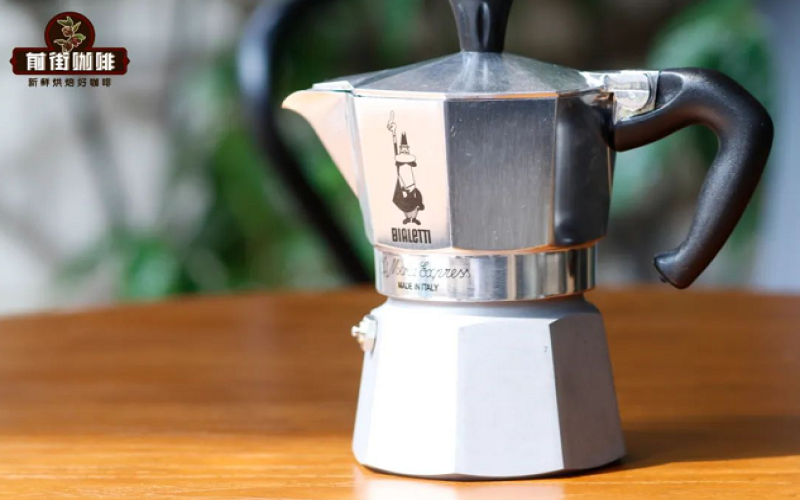
How to Fix Insufficient Crema from a Moka Pot? A Full Analysis from Equipment Principles to Coffee Bean Selection
The moka pot is an essential coffee device in nearly every Italian household, but it is not widely used in China, and many enthusiasts have questions about its usage techniques and crema. This article begins with the structure and working principle of the moka pot, explains in detail when to turn off the heat to obtain richer crema, and focuses on analyzing the impact of coffee bean selection on crema. We will also recommend several Front Street Coffee beans suitable for the moka pot, covering blends and single origins, to help you find the one that best suits your taste, so that the coffee brewed with the moka pot has rich crema and full-bodied flavor. [more…]

Analysis of the Reasons for Missing Espresso Crema, and a Guide to Choosing Espresso Beans for Rich Crema
The golden, velvety layer of Crema on the surface of espresso is the unique charm of Italian coffee. But many people often encounter thin, pale, or even completely missing crema when brewing at home. How exactly is this layer of crema formed? And how should you choose the right espresso beans to achieve the ideal Crema? Starting from the principles of crema composition, combined with Front Street Coffee's blend recommendations, this article will analyze in detail the key factors affecting Crema richness, and teach you to judge the extraction state by observing crema patterns, solving common problems one by one such as insufficient coffee machine pressure, stale beans, and improper grind size, helping you consistently produce a cup of Espresso with rich crema. [more…]