







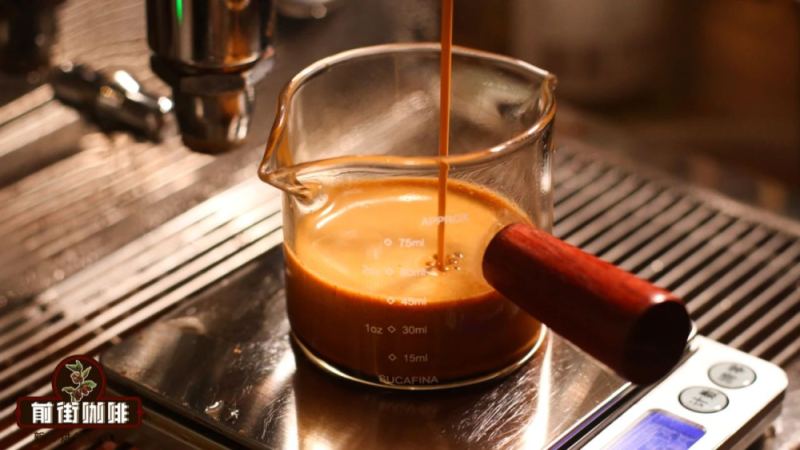
Why does espresso from coffee machines lose its crema?
A normal espresso carries a golden crema about one-third of the total volume, with a creamy texture that clings to the cup. When that layer disappears, the cause usually sits with the beans, the machine, or the parameters. The five common reasons are a lighter roast, stale coffee beans, insufficient pressure, overly coarse grinding, and water temperature that is too low.
Roast level is the first thing to check: single-origin beans for pour-over are often roasted lighter and produce a thin, pale crema, while espresso recipes and SOE blends are roasted darker. Each of the other four causes has its own diagnostic step, from checking the coffee machines' pressure gauge to tightening the grind and raising the brew temperature.
A proper Espresso should be covered with a golden crema taking up about one-third of the total volume, with a creamy, dense texture that clings visibly to the cup when swirled. Yet when the espresso you pull one day suddenly loses this layer of crema, many coffee lovers are at a loss. Missing crema can stem from the coffee beans themselves, the equipment's condition, or operating parameters, among other factors. This article systematically breaks down five common causes of espresso without crema—including a lighter roast level, stale coffee beans, insufficient coffee machine pressure, overly coarse grinding, and water temperature that is too low—and offers corresponding methods of diagnosis and solutions to help you bring back that alluring golden crema.
Pulling an espresso rich in crema from a coffee machine is the most enjoyable moment for many lovers of bold coffee, and it is also the operation baristas in cafés repeat every day. But if one day the espresso you extract is completely different from usual, with no crema on the surface at all, most people encountering this for the first time will feel quite anxious—just what step went wrong?
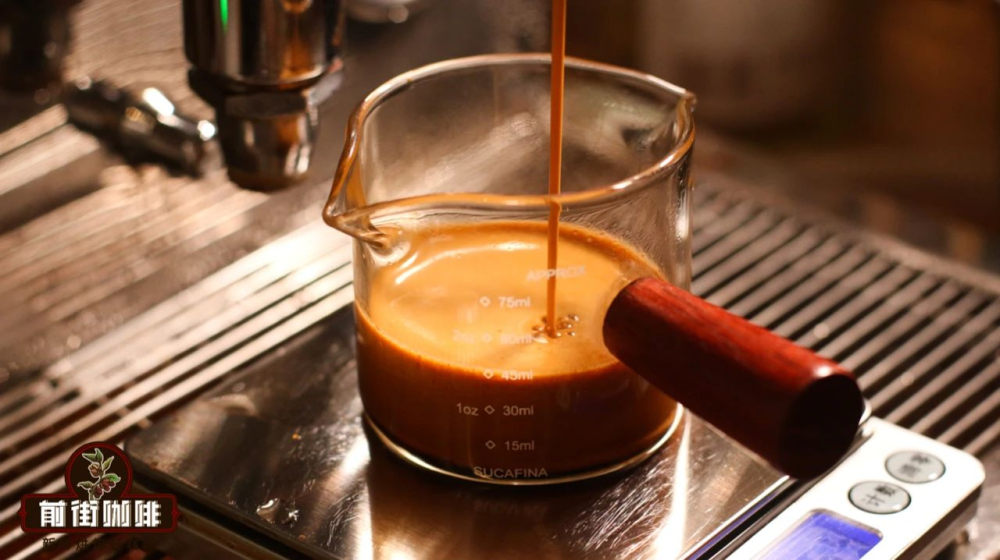
A normally extracted espresso should have a golden crema layer about one-third the total thickness covering the dark coffee liquid, showing a creamy texture when gently swirled, with a fairly obvious cling to the cup.
Normal espresso state
Conversely, if the extracted coffee has no crema, it means some step has a problem—it could be a factor with the coffee beans, the machine itself, or even a deviation in parameter settings and operating technique.
Front Street Coffee has compiled several common causes for your reference.
① The coffee beans are roasted on the lighter side.
Coffee beans sold on the market generally fall into two categories: one for pour-over drip use, and the other for espresso machines. The former is mostly single-origin beans with a relatively lighter roast level; the latter is mainly blended recipe beans, along with SOE made from single-origin beans, generally with a deeper roast level.
Crema effect of light-roasted coffee: relatively thin, pale yellow-white in color
Overall, the darker the roast of the coffee beans, the more abundant the crema tends to be. If you use single-origin beans meant for pour-over to make espresso, the crema will appear thin—be sure to check the intended use before ordering.
If you prefer espresso with rich crema, you can give priority to Front Street Coffee's Classic Blend. The strength of Mandheling, the smoothness of Brazil, plus the dense crema of Robusta together bring this coffee rich flavors of butter, toasted bread, chocolate biscuit, and caramel. Even a beginner just starting out can easily pour beautiful latte art with it.
② The coffee beans are no longer fresh enough.
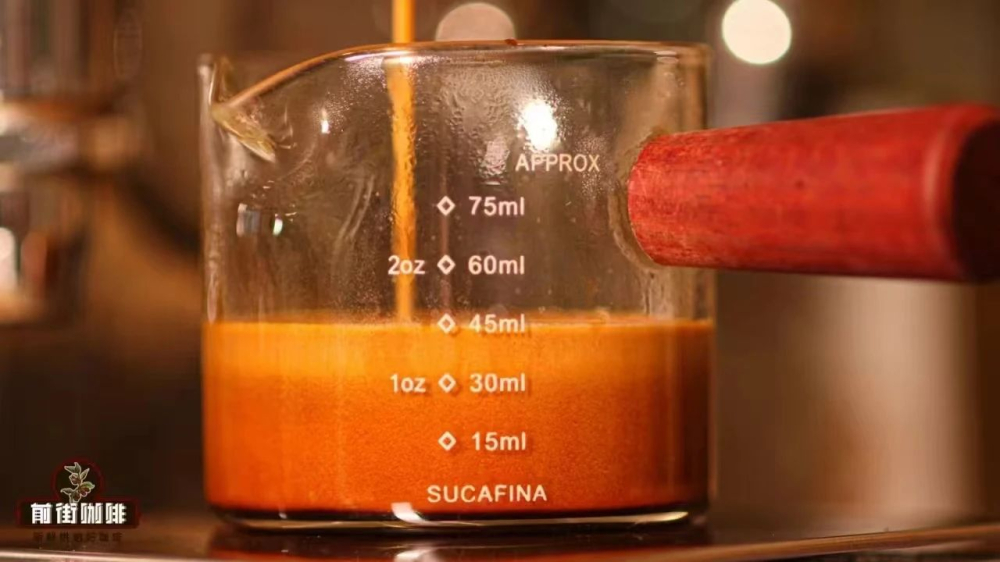
If the espresso extraction process appears completely normal, then the problem likely lies in the freshness of the coffee beans. Espresso machines are actually quite picky about the state of the beans: beans that are too fresh produce unstable crema during extraction, prone to large bubbles that dissipate quickly; while stale beans simply produce no crema at all.
Typically, the resting period for espresso beans is about 7 to 10 days, meaning that starting from the seventh day after the roast date, the extraction state gradually stabilizes. The optimal flavor period for espresso beans is about 60 days; after more than two months, the aroma and flavor are basically all gone, and the amount of crema drops significantly. (The above holds only under conventional storage conditions; Front Street Coffee has not yet tested nitrogen storage.)
Espresso extracted from stale coffee beans has sparse crema
③ The coffee machine itself has insufficient pressure.
This problem is relatively common in home coffee machines. The reason we can extract thick crema is that the coffee machine's 9 bar of pressure squeezes the essence out of the puck. Some small espresso machines cannot provide a stable 9 bar extraction pressure, so naturally they cannot press out rich crema.
④ The coffee grind is too coarse.
In this case the crema will likewise not be rich. It is simple to judge: during extraction the coffee liquid flows extremely fast, accompanied by channeling-induced jetting, the crema is pale and thin, and the espresso tastes weak. You can use 20 seconds as a reference standard—if the coffee liquid for a double shot is fully extracted within 20 seconds, then the grind is most likely too coarse.
The extraction process is a mess
⑤ The water temperature is too low.
Many new coffee machines nowadays are equipped with a manual water temperature adjustment function. The suitable water temperature for extracting espresso is around 93 degrees Celsius; too low a temperature can likewise prevent crema from appearing.
Another situation that often occurs with home coffee machines is that the machine may take 10 minutes or even longer from power-on to completing heating. If you extract before it has heated up fully, the crema may be missing due to insufficient water temperature, and the coffee's taste will also lean sour.
The above content is compiled by CoffeeHunters, a coffee news website.


