







Search Results for: in-store displays
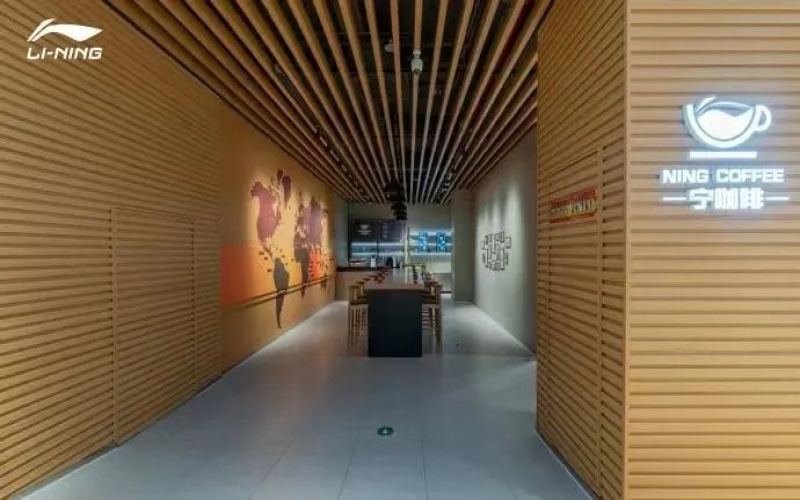
Xtep's cross-industry coffee debut store lands in Chengdu—why is the signboard not "Te Coffee" but COSINE KASHU?
Another case of a sports brand entering the coffee arena. Following Li-Ning's launch of Ning Coffee, Xtep, which has over 6,251 offline stores, has also filed trademark applications for "T Coffee" and "XTEP COFFEE." Recently, Xtep's first coffee shop opened within its flagship store in the Chunxi Road commercial district of Chengdu. Surprisingly, the store sign does not display "T Coffee" but instead shows "COSINE COFFEE." It turns out this is a collaborative store created by Xtep and COSINE, a trendy beverage brand founded in Shanghai in 2021. Rather than opting for a self-operated model, Xtep chose collaboration to reduce the risks of cross-industry expansion and test the waters. Whether this store is an attempt by Xtep to develop a side business or merely a supporting facility to enhance the in-store consumer experience, the company has not yet given a clear response. [more…]

CHAGEE Ex-Employee's ID Number Publicly Displayed; Store Manager Involved Suspended
Recently, news about a former employee of Chagee whose ID number was publicly displayed by a store quickly went viral online, sparking widespread attention. According to multiple netizens, a woman in Zhoukou, Henan, discovered after leaving the brand that her name and ID number had been posted on an in-store notice, along with a statement about dismissal and blacklisting. The store first claimed the notice was only to deal with a supervisory inspection, then changed its statement and said the identity information was forged. At present, the store manager involved has been suspended, and the brand has intervened in the investigation. The incident has also triggered public discussion about the legal boundaries of how companies handle employees' personal information. Does publicly displaying an ID number constitute infringement? This article will sort out the sequence of events. [more…]
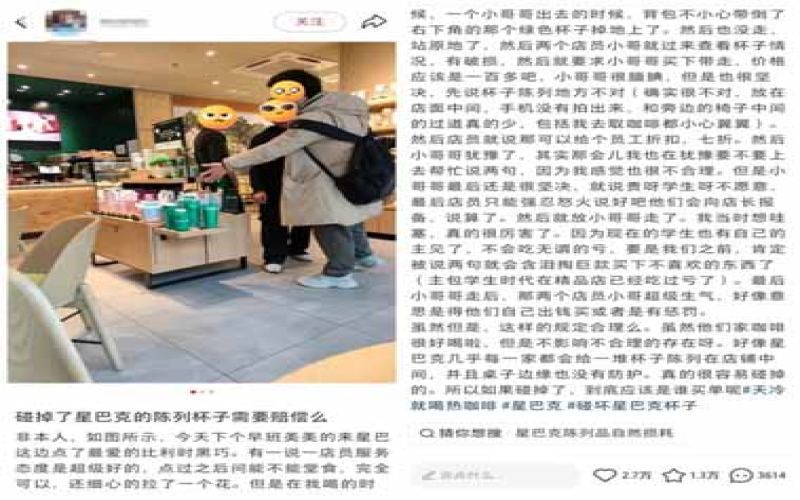
Should You Pay for Knocking Over a Starbucks Display Cup? Debate Over Responsibility Erupts Online
Recently, a Starbucks customer witnessed the following scene in a store: a passerby's backpack accidentally knocked over a green cup on the display stand. The staff demanded that it be purchased at full price. The person involved refused and left, and it is said that the loss was ultimately borne by the employees themselves. This post quickly sparked heated discussion—when display cabinets are placed in the aisle without guardrails or panels, who should be responsible when a cup is knocked over by a backpack or the edge of clothing? Some believe that damage should be compensated, while others feel that the store's display method itself has hidden risks, and the risk should be borne by the shop. This debate about accidents and responsibility reflects the difficult balance brands face between product display and customer experience. [more…]
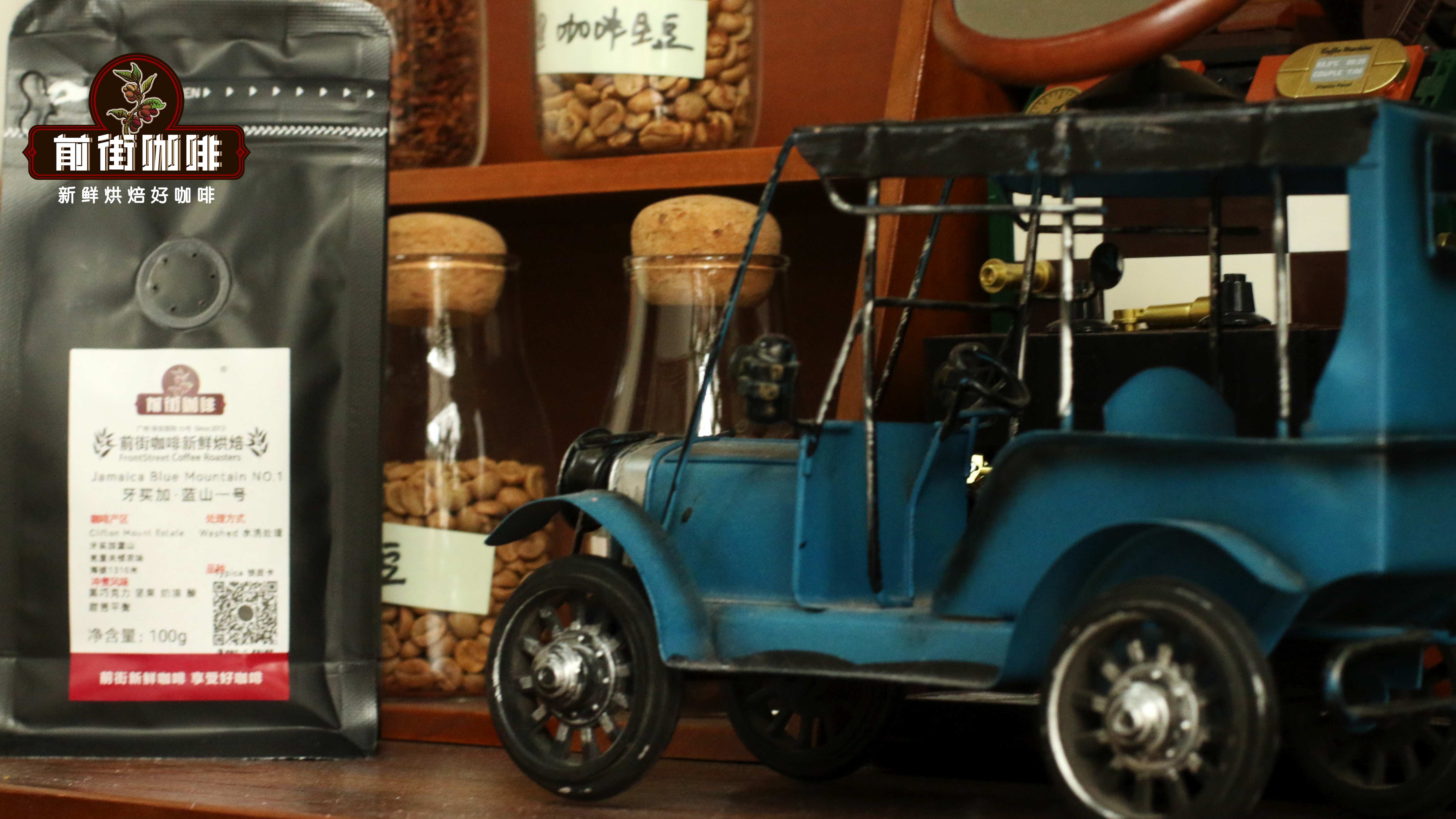
A Complete Guide to Jamaican Blue Mountain Coffee: The Three Main Categories, Grading, Authenticity Verification, and Pour-Over Brewing Guide
Jamaican Blue Mountain coffee was once hailed as one of the finest coffees in the world, and today, getting an authentic cup of Blue Mountain is no longer out of reach. At Front Street Coffee, you can enjoy a rich, aromatic cup of Blue Mountain for just 60 yuan, or buy a 100-gram bag of beans for 158 yuan. This article provides a comprehensive overview of the three categories of Jamaican coffee: Blue Mountain Coffee, High Mountain Coffee, and Jamaican Prime Coffee. It explains in detail the growing environment, historical origins, and grading standards of Blue Mountain coffee, and shares Front Street Coffee's practical tips for identifying authentic Blue Mountain. In addition, following our in-store production standards, we demonstrate the pour-over brewing parameters and steps for Blue Mountain No. 1, so you can experience this classic coffee's chocolate and nutty aromas and its balanced flavor. [more…]
Suitable for Both Brewing and Grinding: Flavor and Buying Guide for Five Classic Coffee Beans Worth Keeping on Hand
In the daily brewing routine of coffee lovers, choosing the right beans is often more crucial than technique. This article reviews five classic coffee beans suitable for grinding, each with a distinct style—from the bold and stimulating character of East Timor, to the clean fruitiness of Ethiopian Lima, to the robust sweetness and aging potential of Indonesian Mandheling, as well as Harar's low caffeine and aggressive flavor, and finally the aromatic balance brought by high-altitude cultivation in Peru. The article also specifically mentions Front Street Coffee's in-store offerings of Lindong Mandheling, PWN Golden Mandheling, and Peru Cajamarca Geisha, providing concrete references for readers who want to give them a try. Whether as single origins or blends, these five beans are all worth grinding and savoring carefully. [more…]
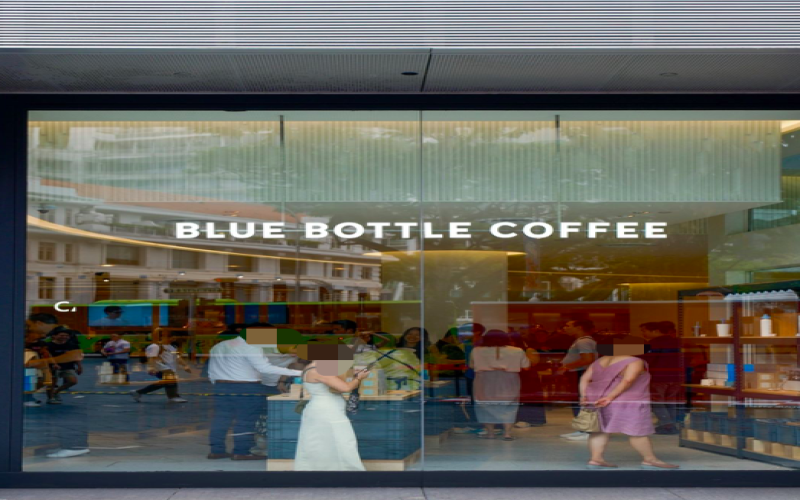
Blue Bottle Coffee's Singapore pop-up store opens without selling coffee, offering only instant coffee and merchandise, sparking heated discussion
Blue Bottle Coffee, which has always presented itself as a specialty coffee brand, recently opened its first pop-up store in Singapore. However, this store surprisingly does not sell freshly made coffee beverages, offering only a single type of instant freeze-dried coffee powder, along with cups, brewing accessories, and other merchandise. Although equipment is set up in the store, free coffee is only available for a limited time from 12:00 to 12:30 noon, and if you miss it, you cannot taste it. The company stated that this move is the first step in introducing the full coffee experience more broadly in the local market, with a focus on promoting instant coffee and matcha products. However, many consumers who came specifically for the brand expressed disappointment, saying that they could not even buy coffee beans, which is inconsistent with the brand's一贯 rigorous attitude toward coffee. Some speculate that after being acquired by Nestlé for $3.3 billion, Blue Bottle may be gradually moving closer to the Nestlé system and might promote more products with Nestlé characteristics in the future. This article is compiled from Coffee Workshop to take you through the whole story. [more…]
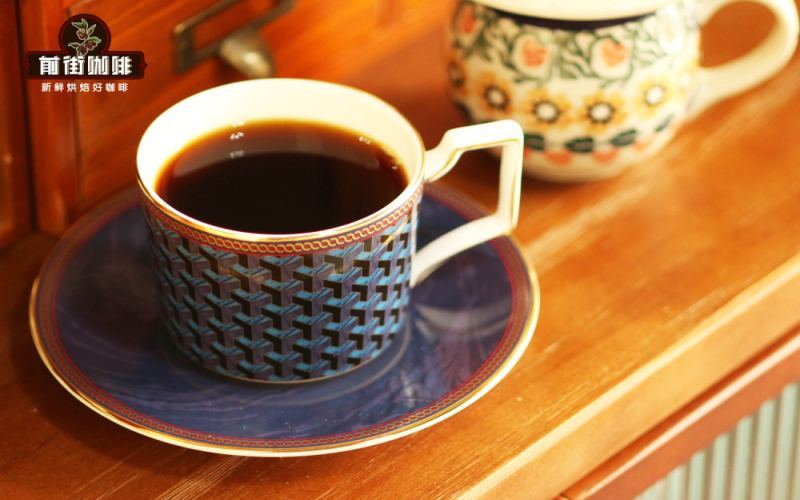
Jamaican Blue Mountain Coffee Grading Standards and Flavor Analysis: Front Street Blue Mountain No.1 Price and Brewing Parameters
Front Street Jamaican Blue Mountain Coffee has long been regarded as a benchmark among specialty coffees, prized by coffee enthusiasts for its balanced, aromatic profile of sweetness, acidity, and bitterness. This article provides a systematic introduction to Blue Mountain coffee's growing region conditions, CIB grading standards, the quality requirements for Blue Mountain No. 1, and the packaging, processing method, and brewing parameters of Front Street Blue Mountain No. 1. It also covers the price of Front Street Blue Mountain No. 1 and the in-store experience price, and explains how the washed process delivers a cleaner flavor, along with this medium-dark roast coffee's notes of dark chocolate, nuts, caramel, and creamy smoothness. [more…]
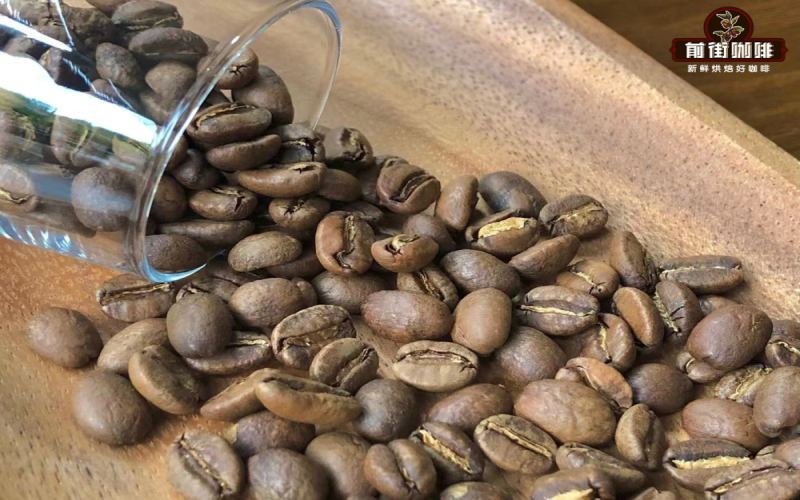
The Ultimate Guide to the Best Drinking Temperature and Brewing Water Temperature for Geisha Coffee: From Hacienda La Esmeralda's Red and Green Labels to the Boquete Region
Geisha coffee is renowned as one of the ten most expensive coffees in the world, famous for its clean mouthfeel and delicate berry and floral aromas. This article focuses on the drinking temperature and brewing water temperature for Geisha coffee, providing a detailed introduction to the flavor characteristics and price references of Panama Hacienda La Esmeralda Red Label, Green Label, and Boquete region Geisha. At the same time, Front Street Coffee shares the complete brewing parameters and three-stage extraction steps for Geisha served in-store, including key data such as V60 dripper, 91-92°C water temperature, and 1:16 coffee-to-water ratio, helping coffee enthusiasts recreate Geisha's rich floral fragrance and complex fruity notes at home. [more…]
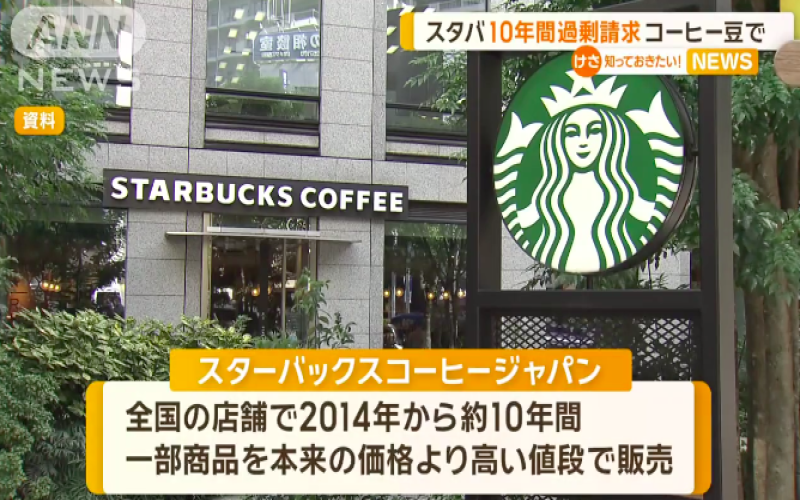
Starbucks Japan's Decade-Long Pricing Error: Overcharges on 164 Coffee Bean Products, Official Apology and Three Refund Options Announced
Starbucks Japan recently issued an announcement admitting that from September 2014 to January 2024, 164 types of coffee beans across its nationwide stores were sold above their listed prices due to a defect in the cash register system settings. Over the ten-year period, a total of 5,896 bags of affected products were sold, with overcharges amounting to 124,033 yen. The company has corrected the system and issued an apology, while offering three refund options: stored-value card members will automatically receive the difference back, while other customers need to bring a receipt or provide purchase information to handle it at the counter. Netizens generally believe the time span is too long and the amounts too small, and suggest apologizing with more practical compensation such as drink vouchers. [more…]
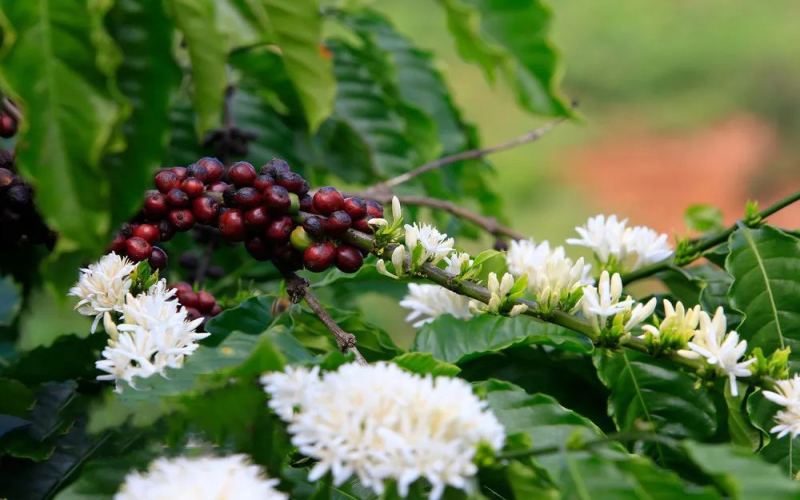
A Complete Analysis of the Geisha Coffee Variety: From Its Ethiopian Origins to Its Rise to Fame in Panama, and How Terroir Shapes Flavor Differences
Gesha (Geisha) is widely recognized in the coffee world as a legendary variety. From the wild forests of Ethiopia to the auction stages of Panama, it has conquered countless coffee lovers with its captivating floral aromas and complex fruity notes. But Gesha is not monolithic—terroir differences across producing regions cause the same variety to present strikingly different flavor profiles. From Front Street's perspective, this article systematically reviews the variety's origins and spread, compares the flavor differences between the two most representative producing regions—Panama and Ethiopia—and explains in detail Hacienda La Esmeralda's plot division and Gesha Village's grading system. At the same time, Front Street also shares the in-store pour-over parameters and extraction approach for the naturally processed Esmeralda Red Label and Gesha Village Red Label, helping you gain a more complete understanding of the tasting and brewing essentials for this precious variety. [more…]
Why Does Jamaican Blue Mountain Coffee Remain So Expensive? A Detailed Guide to No. 1 Bean Pour-Over Parameters and Flavor Characteristics
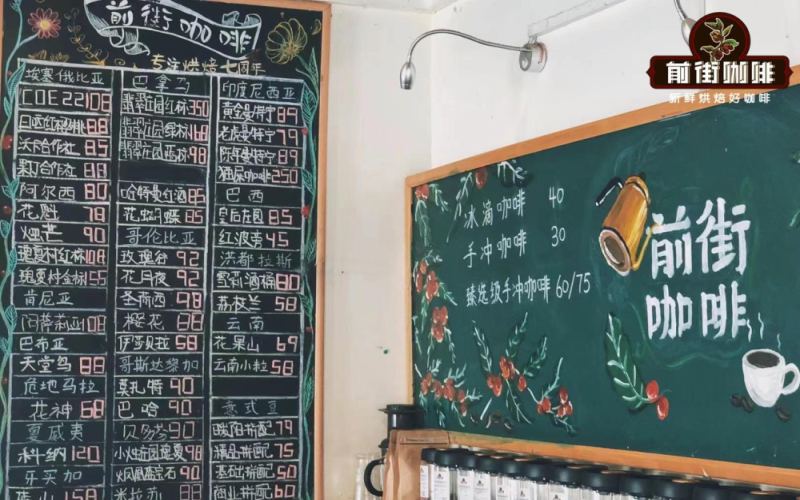
Blue Mountain coffee is a legend in the hearts of many coffee lovers, but its high price often puts people off. This article begins with the history of coffee cultivation in Jamaica, tracing how Blue Mountain rose from a small Caribbean island to become one of the world's top coffee-producing regions. It then discusses the impact of Japan's quota system on prices, as well as the changes that now allow Blue Mountain beans to be purchased directly in the domestic market. At the same time, Front Street Coffee will share the origin background of Blue Mountain No. 1, the characteristics of its barrel packaging, and the specific parameters used in-store for pour-over, such as the KONO dripper, a water temperature of 88 degrees Celsius, and a 1:15 coffee-to-water ratio, to give you a complete picture of this classic Blue Mountain flavor. [more…]
A Complete Guide to Coffee Combos: Bean Selection, Espresso Extraction, and Milk-to-Water Ratios
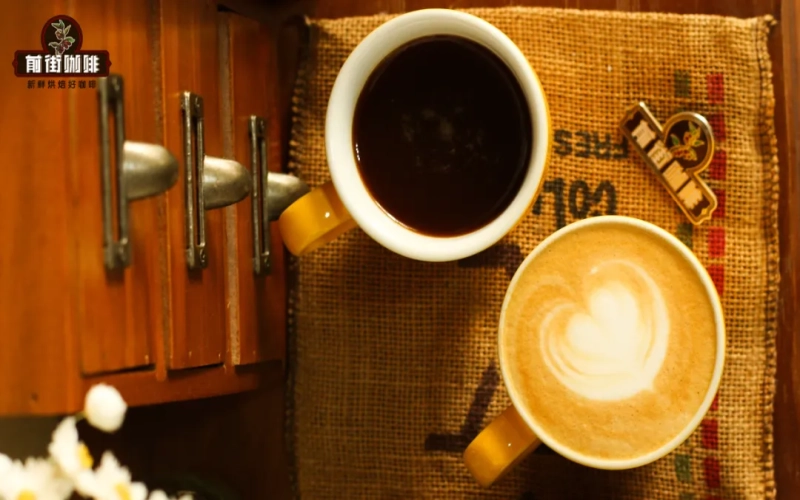
In recent years, coffee combos have become increasingly common in cafés. They split a single espresso into smaller portions, each prepared as an Americano and a latte, allowing customers to experience multiple expressions of the same bean in one sitting. This style of service places extremely high demands on baristas, as everything from bean selection and extraction to ratios requires careful consideration. Front Street's back office frequently receives questions about combo beans, espresso extraction parameters, and coffee-to-milk/water ratios. This article will systematically sort out the key points for making a delicious combo, including suitable bean types, espresso extraction strategies, and the amounts of water and milk to add, along with Front Street's actual operation demonstration to help coffee enthusiasts replicate a professional-standard "one bean, two drinks" at home or in-store. [more…]
"One-way blind date" cafe in Ho Chi Minh City, Vietnam, raided by police on suspicion of multiple business violations
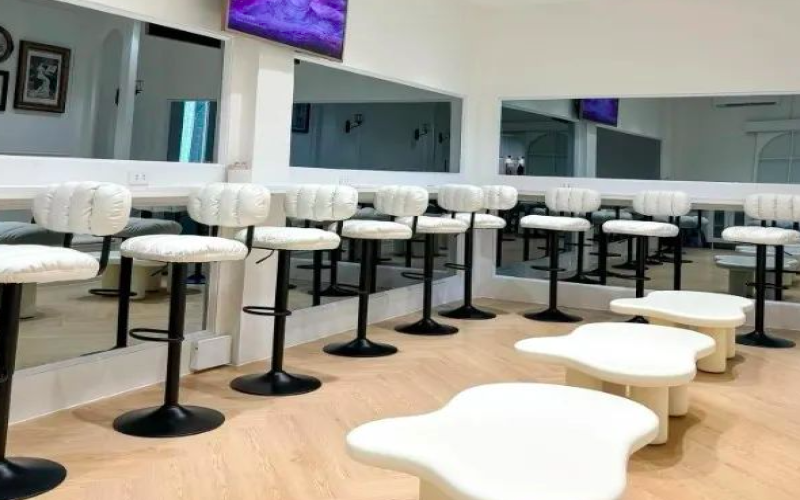
A cafe named Mina in Ho Chi Minh City, Vietnam, has sparked widespread controversy with its "one-way blind date" model. Male customers can observe female customers through one-way glass, while the women are completely unaware of it. This practice, imitating old-style cafes in Japan, has been criticized by netizens for objectifying women as window-display merchandise. Even more worrying is that the shop also offers a so-called "companion tour" service, and incidents of male customers secretly photographing women have occurred. On June 3, Vietnamese police raided the shop. Although no direct evidence of harm to women was found, multiple violations were discovered, including the absence of labor contracts, lack of a food hygiene license, and breaches of fire safety regulations. Whether this cafe can continue to operate remains unknown at present. [more…]
Why Is Jamaican Blue Mountain Coffee So Expensive? Unveiling Front Street Blue Mountain No. 1's Authentic Purchasing Channels and Brewing Techniques
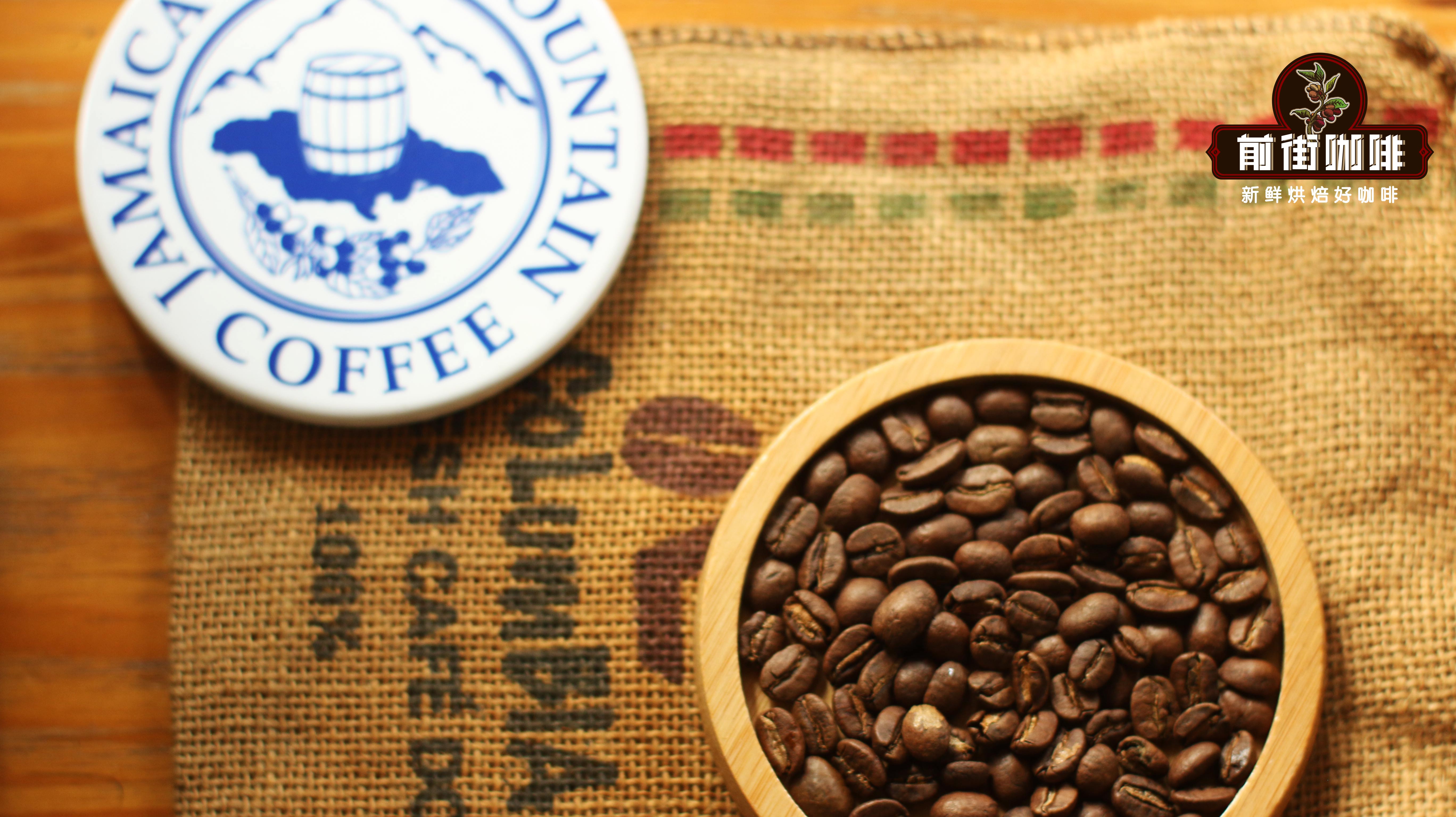
When it comes to top-tier coffee, Blue Mountain is almost impossible to avoid. What gives it the right to be crowned "the world's best," and why has it long commanded such a high price? This article begins with the story of how Front Street Blue Mountain coffee rose to fame, traces the historical ties between Jamaican Blue Mountain and Japan's UCC, explains the official growing regions and green bean grading system defined by the CIB, and introduces you to what makes the genuine Blue Mountain No. 1 so good. At the same time, we'll also share Front Street's practical brewing parameters, tell you how to extract the best flavor from Blue Mountain coffee beans once you've bought them, and cover what benefits drinking black coffee daily actually offers your body. [more…]
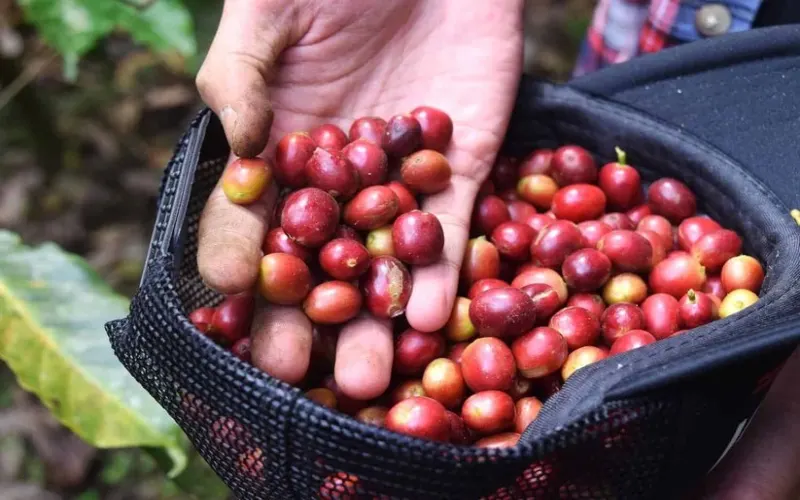
The Story of Mandheling's Origins | What Are the Flavor and Mouthfeel Characteristics of Indonesian Mandheling Coffee Beans? Is Indonesian Specialty Single-Origin Coffee Good as Pour-Over? What Is the Indonesian Wet-Hulling Method?
Whether in-store or on the Tmall flagship store, customers frequently ask Front Street Coffee (FrontStreet Coffee) how to choose coffee beans, because the store currently displays more than 30 varieties of coffee beans. [more…]
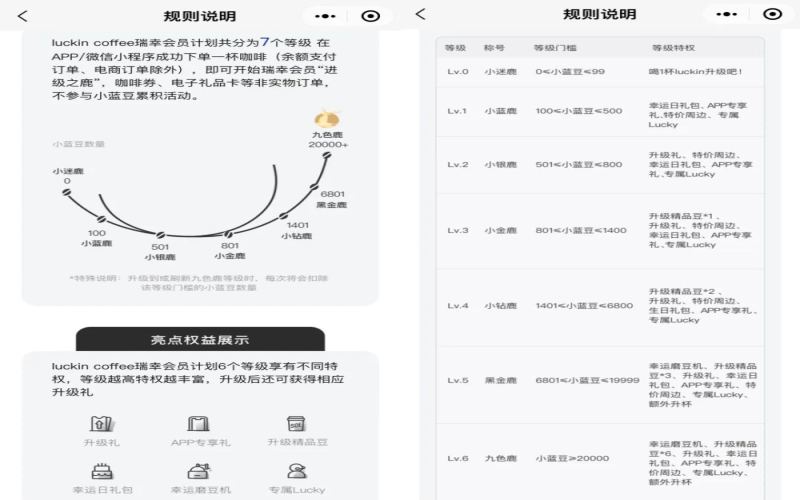
Luckin membership tiers become a leveling-up target? Employees complain about unusual notes on large orders, and the Nine-Colored Deer perks are being abused
Luckin Coffee achieved a strong comeback in the market thanks to its affordable prices and membership tier benefits system, but this has also given rise to tier-farming chaos. Recently, some employees revealed that certain consumers, in order to quickly climb to the Nine-Colored Deer or Black Gold Deer tier, pressure stores by placing large orders and then maliciously requesting refunds or leaving bad reviews. "Nine-Colored Deer tier-boosting" services have even appeared on second-hand platforms. This battle over membership tiers has not only increased the burden on store employees but also sparked discussions about consumer ethics and business rules. [more…]
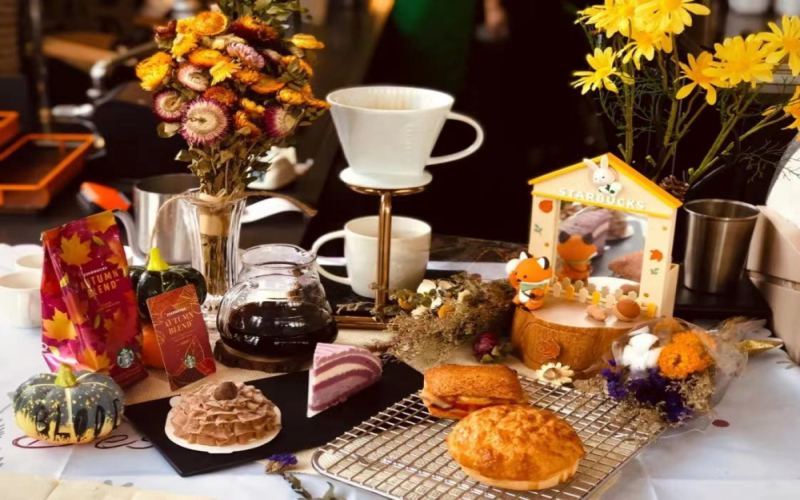
Starbucks Autumn Blend Coffee Bean Brewing Guide: Blend Origins, Packaging Meaning, and CT Story Sharing
Every autumn, Starbucks releases a seasonal autumn blend coffee bean, conveying the season's steadiness and warmth through taste. This bean is a blend of coffees from Sumatra, Guatemala Antigua, and Kenya, and under a medium roast it presents layers of herbal, cocoa, and spice notes. Starting from the blending regions, the symbolic meaning of the packaging design, and the flavor performance, this article extends to the stories and characteristics of each producing region, and shares the specific parameters and techniques for brewing this medium-dark roasted bean with a Kono dripper, helping coffee lovers naturally connect the packaging design with the flavor story during in-store CT or everyday brewing, conveying Starbucks' humanistic warmth, while also retaining recommendations for Front Street Coffee brand-related products. [more…]
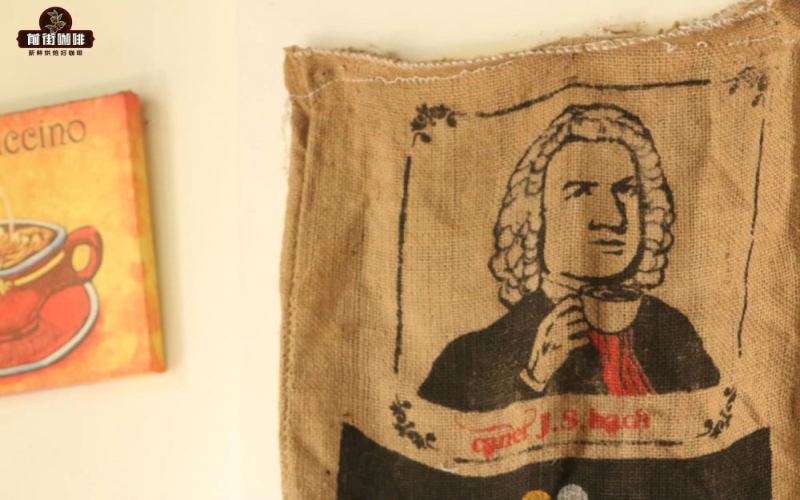
What does black coffee refer to? How many calories does it have? What happens if you drink too much iced Americano black coffee?
In Hong Kong dramas, the term "斋啡" (plain coffee) is often heard, which actually refers to black coffee without sugar or milk. However, black coffee is not just one thing; based on its preparation method, it can be divided into two major camps: pour-over coffee and espresso-based Americano coffee. This article starts with the evolution of espresso machines, traces the origin of the name Americano and the correct way to enjoy it, and breaks down in detail the various variables that affect espresso extraction—pressure, grind size, dose, brew ratio, and crema. Front Street Coffee will also share the specific process and parameters for making espresso in-store, and answer the differences in flavor between espresso and Americano, helping you gain a more comprehensive understanding of plain coffee. [more…]
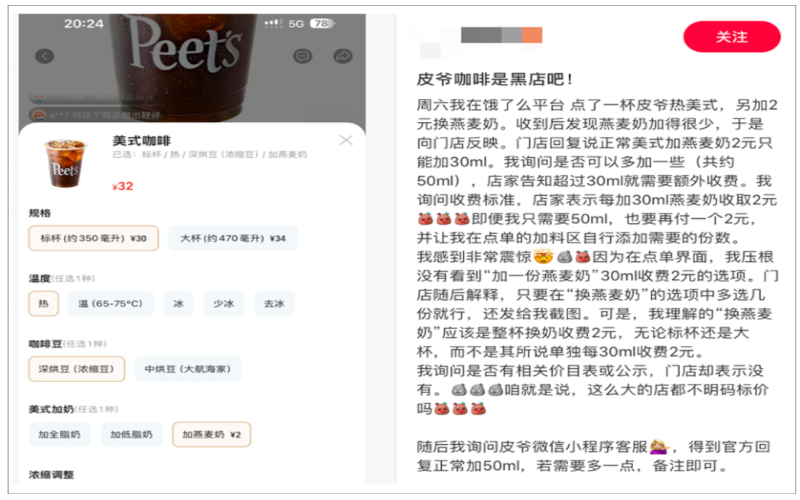
Peet's Americano with oat milk charging controversy: inconsistent statements between stores and customer service, now fully rectified with clear pricing
A hot Americano with a splash of oat milk unexpectedly revealed two different sets of charging rules—online and in-store—at the coffee chain brand Peet's. A customer selected the "add oat milk ¥2" option on a delivery platform, but was told by the store that only 30 ml had been added, and that adding up to 50 ml would require another ¥2. However, the official mini-program customer service said the option should have added about 50 ml, and made no mention of stacked charges. This confusion over the amount of milk added ultimately prompted Peet's to carry out a comprehensive overhaul of its nationwide stores and online ordering platforms, with clearly marked prices on the ordering interface. Behind this incident, what exactly are the charging standards for adding milk to Americanos at various coffee shops? And how should consumers order clearly? [more…]
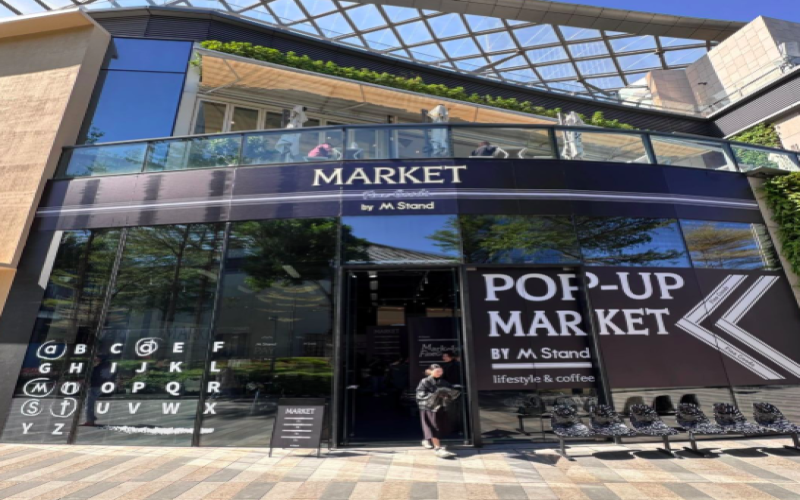
Mstand opens a themed pop-up merchandise store in Guangzhou, with coffee reduced to a free drink in a combo package, sparking controversy over brand positioning.
Recently, Mstand opened a pop-up store called Mstand Market on the first floor of Teemall in Guangzhou, mainly selling merchandise. The store displays various cups, bags, and other merchandise, while coffee has become a supporting role in the package deals. This "buy merchandise, get coffee free" model has sparked heated discussions among consumers, with longtime customers saying it puts the cart before the horse. Mstand, once recognized for its coffee quality, has now become a topic of discussion because of its merchandise, and is even jokingly called "a coffee shop that survives by selling merchandise." The inconsistent quality of the merchandise and controversial pricing strategy make the brand's positioning shift lamentable. [more…]