







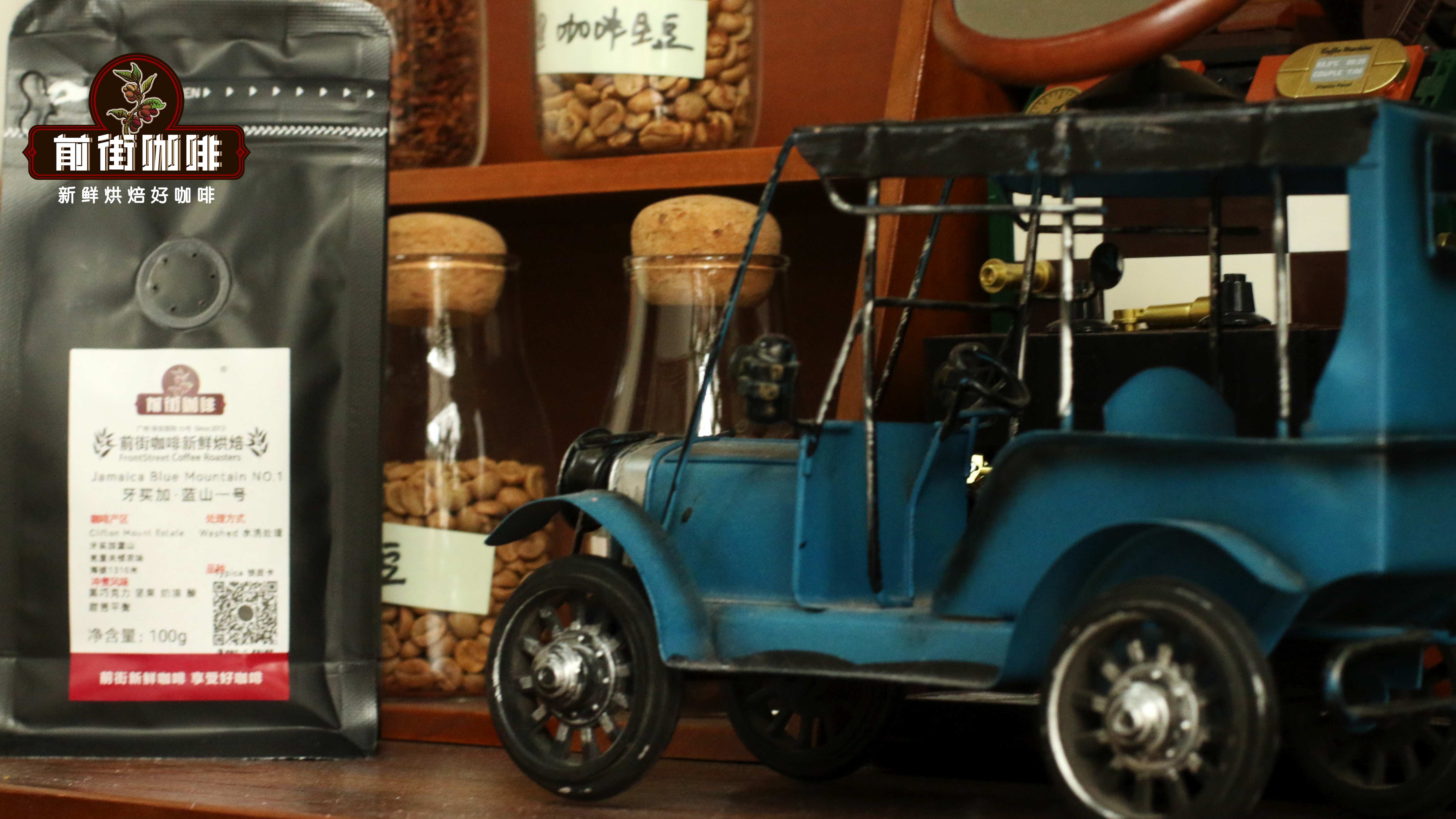
Jamaican Blue Mountain coffee was once hailed as one of the finest coffees in the world, and today, enjoying an authentic Blue Mountain is no longer out of reach. At Front Street Coffee, you can savor a cup of rich, mellow Blue Mountain for just 60 yuan, or purchase a 100-gram bag of beans for 158 yuan. This article provides a comprehensive overview of Jamaica's three coffee classifications: Blue Mountain Coffee, High Mountain Coffee, and Jamaica Prime Coffee. It details the Blue Mountain coffee's growing environment, historical origins, grading standards, and shares Front Street Coffee's practical tips for identifying authentic Blue Mountain. Additionally, we will demonstrate the hand-brewing parameters and steps for Blue Mountain No. 1 using our in-store standards, allowing you to experience this classic coffee's chocolate, nutty aromas, and balanced flavor.
Before Geisha coffee rose to fame, Blue Mountain coffee long held the throne as the world's top coffee. Back then, ordering an authentic Blue Mountain at a café would set you back hundreds of yuan, often beyond the reach of ordinary consumers. Today, the situation is vastly different—enjoying genuine Blue Mountain coffee has become much more accessible. At Front Street Coffee, a cup of aromatic Blue Mountain can be yours for just 60 yuan, or you can buy the beans at 158 yuan per 100-gram pack.
Growing Conditions for Authentic Blue Mountain Coffee
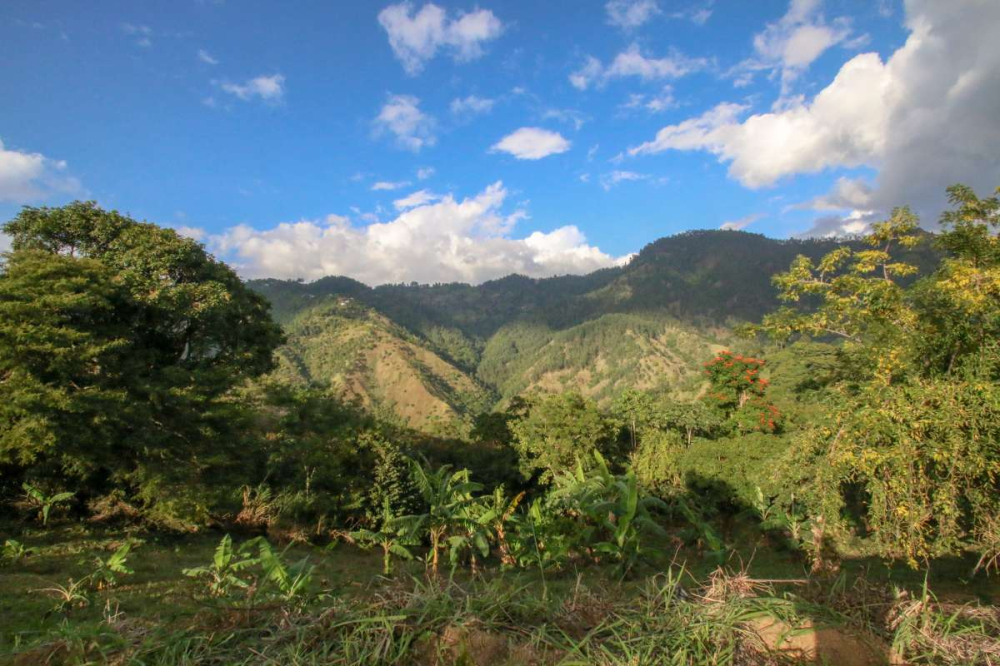
The original home of Blue Mountain coffee is the island of Jamaica in the Caribbean. The Blue Mountains in the eastern part of the country are surrounded by sea, and under the sunlight, the mountains emit a blue glow, hence the name "Blue Mountain." This area is far from the hustle and bustle of the city, with its highest peak exceeding 2,000 meters, making it a famous local tourist destination. The mineral-rich volcanic ash soil, combined with ample sunlight and rainfall, provides excellent growing conditions for crops here. Locals often interplant coffee with bananas and avocados. Coffee is more delicate and demanding than other crops; it requires a warm, humid, frost-free climate and ample nutrients, as well as appropriate shade. The high-altitude Blue Mountain region is often shrouded in mist and clouds, enveloping the coffee plantations and creating unique natural conditions for coffee growth.
To ensure the stability of Jamaican coffee quality, the government established the Coffee Industry Board (CIB) in 1952, granting it official authority to strictly regulate the country's coffee. In 1953, the CIB designated a production area of about 6,000 hectares in the Blue Mountains, which accounts for only 15% of total Blue Mountain coffee production. It explicitly stipulated that only coffee produced within this area could be labeled "Jamaica Blue Mountain Coffee," while coffee from other regions would be called "Jamaica High Mountain Coffee" and "Jamaica Prime Coffee," respectively. Due to its outstanding reputation, Blue Mountain coffee commands a much higher price than the other two categories.
Blue Mountain coffee is grown in four regions at altitudes between 910 and 1,700 meters (above 1,700 meters is protected forest): St. Andrew, St. Mary, St. Thomas, and Portland. The CIB conducts cupping assessments for coffee produced in these designated areas. The flavor profile features rich aromas of chocolate and nuts, a smooth and rounded mouthfeel with virtually no bitterness, and a perfect harmony of various flavor elements.
It is worth mentioning that in the 1960s, Jamaica suffered hurricane disasters, which severely impacted multiple industries, including coffee. At that time, the Japanese company UCC extended a helping hand to Jamaica and introduced ecological planting techniques to the Blue Mountain region. In 1972, Jamaica signed a 30-year contract agreement with Japan, promising Japan priority purchasing rights for Blue Mountain coffee as a return for Japanese corporate assistance. During this period, about 90% of Blue Mountain coffee went to the Japanese market, leaving only a small 10% quota for other countries in Europe, America, and Asia. This also explains why Blue Mountain coffee was so expensive during that era.
How Are Authentic Blue Mountain Coffee Grades Classified?
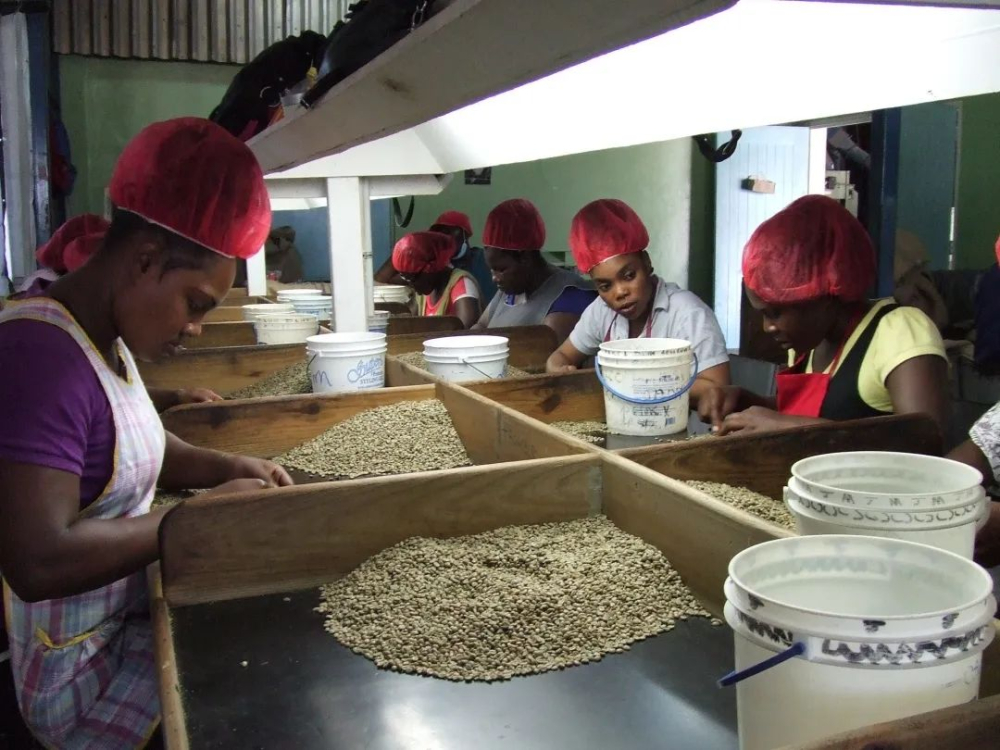
The CIB was the first organization to adopt scientific and objective methods for grading coffee quality. Its ratings comprehensively consider green bean size, color, uniformity, defect rate, moisture content, and cupping performance.
Before export, Blue Mountain coffee beans are packaged and sent for inspection, then graded based on screen size and processed defect rate, in order: Blue Mountain No. 1, Blue Mountain No. 2, Blue Mountain No. 3, and Blue Mountain Peaberry. Bean size is measured using screens with different hole sizes; beans that cannot pass through the screen holes meet the corresponding size standard. The top-grade Blue Mountain No. 1 green beans must meet a screen size of 17 or above, with a defect rate below 3% and a moisture content of about 13%. In cupping, they display rich coffee aroma, a smooth and balanced mouthfeel, low acidity, and a lasting sweet aftertaste.
To ensure Blue Mountain coffee beans maintain good quality before roasting and to prevent moisture from seeping in during transport, Jamaicans insist on using handmade wooden barrels to hold Blue Mountain green beans. These barrels have thus become one of the important identifiers of Jamaican Blue Mountain coffee. According to Front Street Coffee, these barrels are replicas of the Bonifieur barrels produced in Guadeloupe last century, originally used to hold flour shipped from the UK to Jamaica, and typically stamped with trademarks and manufacturer names. The Coffee Industry Board issues certificates for all genuine Jamaican coffee and stamps approval seals on exported goods.
Front Street Coffee's roasting philosophy is dedicated to presenting coffee's most classic flavor profile—for example, the bright lemony acidity of Yirgacheffe, the rich, smoky body of Indonesian Mandheling. For Blue Mountain, we naturally also highlight its classic flavors. Front Street Coffee uses a medium-dark roast to maximize the chocolate and nutty aromas while retaining a soft acidity and sweetness, resulting in an overall balanced taste.
How to Identify Authentic Blue Mountain Coffee?
Because high-quality Blue Mountain coffee is extremely scarce and in short supply, some merchants take advantage by labeling low-quality blended coffee beans as "Blue Mountain" to mislead consumers. To identify authentic Jamaican Blue Mountain coffee, Front Street Coffee has summarized the following points for your reference.
As mentioned earlier by Front Street Coffee, authentic Blue Mountain coffee comes from specific altitude regions, and labor costs are very high, so the price will not be too low. If the "Blue Mountain beans" we buy cost only a few dozen yuan, they are likely counterfeit.
In terms of aroma, Blue Mountain coffee has a rich, dense, and long-lasting chocolate and roasted hazelnut fragrance, which ordinary dark-roast blends cannot match. In terms of taste, genuine Blue Mountain coffee balances acidity, sweetness, bitterness, and aroma with no single note overpowering the others, and its body and sweetness are just right.
If the above two points still cannot help you identify it, you can ask the merchant to show Blue Mountain-related certificates and the wooden barrels used to hold Blue Mountain green beans—Jamaica Blue Mountain is the only producing region that uses wooden barrels for green beans. This Front Street Coffee Blue Mountain No. 1 comes with a quality certificate issued by the Jamaica Coffee Board, an authorized sales certificate from the Blue Mountain coffee producer, and a Certificate of Origin for Jamaican Blue Mountain Coffee. The relevant documents and handmade wooden barrels are all on display at Front Street Coffee's shop. This Front Street Coffee Blue Mountain No. 1 is produced by Clifton Mount Estate and uses the traditional washed processing method, which is also the most common green bean processing method for Blue Mountain.
How to Brew Authentic Blue Mountain No. 1 Coffee for the Best Taste?
Some friends, after purchasing high-grade Blue Mountain No. 1 coffee beans, are unsure how to extract the classic Blue Mountain flavor. Below, Front Street Coffee demonstrates a Blue Mountain hand-brewing procedure using our in-store standards.
For brewing the delicate Blue Mountain No. 1 coffee, Front Street Coffee believes freshness is crucial. Roasted coffee beans have an optimal flavor period; once the peak aroma stage is missed, it becomes difficult to fully extract the flavors. All beans shipped by Front Street Coffee are freshly roasted within 5 days, aiming to let everyone enjoy the fullest flavor period.
Front Street Coffee typically uses the KONO dripper to extract medium-dark roasted coffee beans. The upper part of the KONO dripper is a smooth curve that allows the filter paper to fit better. Compared to the V60 dripper, its extraction method is primarily immersion-based, which helps enhance the overall concentration and increase body. Besides KONO, other slower-flow devices such as the Kalita trapezoidal dripper, cake flat-bottom dripper, and flannel are also suitable.
Additionally, considering that medium-dark roasted coffee has undergone some roasting, the internal structure of the beans is fluffier than light-roasted coffee and absorbs water better. To avoid over-extraction, Front Street Coffee chooses a grind size with 75% passing a No. 20 standard sieve, paired with a water temperature of 88°C, using Front Street's usual three-pour technique.
Hand-brewing parameters: water temperature 88°C, grind size resembling coarse sugar (75% passing a No. 20 standard sieve), 15 grams of coffee beans, 1:15 coffee-to-water ratio, three-pour extraction.
First pour: gently add 30 grams of water for blooming, with a blooming time of 30 seconds. Second pour: pour water up to about 125 grams, evenly and steadily circling outward. Then wait for the coffee liquid level to drop; when it drops by half, pour the final pour up to 225 grams. After all the coffee liquid has dripped through, the total extraction time is about 2 minutes.
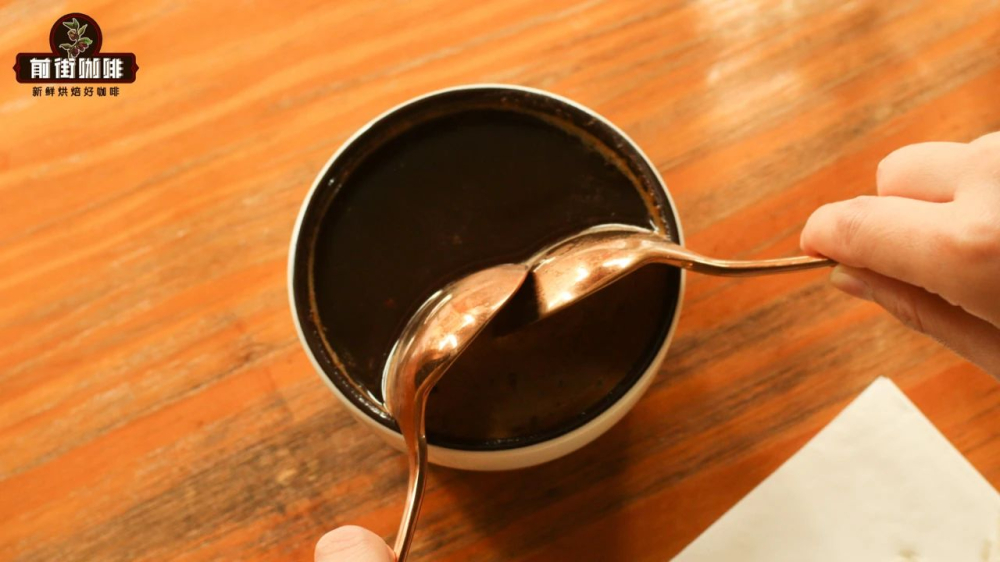
Blue Mountain No. 1 Coffee Flavor: At high temperatures, Blue Mountain No. 1 coffee enters with a dark chocolate aroma, very rich, with a distinct almond sweetness in the aftertaste. As the temperature drops, roasted hazelnut and creamy, silky sweetness gradually emerge, accompanied by a hint of soft acidity and caramel sweetness, with the aroma lingering in the mouth.
The above content is compiled by CoffeeHunters, a coffee news website.


