

Search Results for: 艺伎咖啡
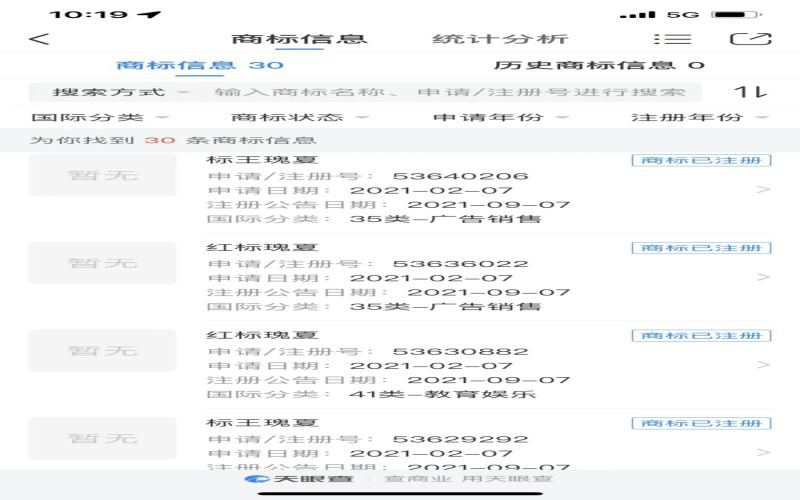
Geisha Coffee Generic Name Registered as a Trademark? Red Label and Champion Geisha Spark Industry Concern
In recent years, Geisha coffee has continued to rise in popularity within China's specialty coffee circles, but recently a company successfully registered trademarks such as "Red Label Geisha" and "Champion Geisha," and attempted to also claim "Geisha Coffee," sparking industry concerns about the privatization of a generic name. This article traces Geisha's journey from Ethiopian forests to the Panama Hacienda La Esmeralda, explains the origins of the red, green, and blue label grading systems, as well as the meaning of "Champion Geisha" in BOP auctions, and explores the risks that registering generic names as trademarks may pose to coffee professionals — a topic worthy of attention for every coffee lover and practitioner. [more…]
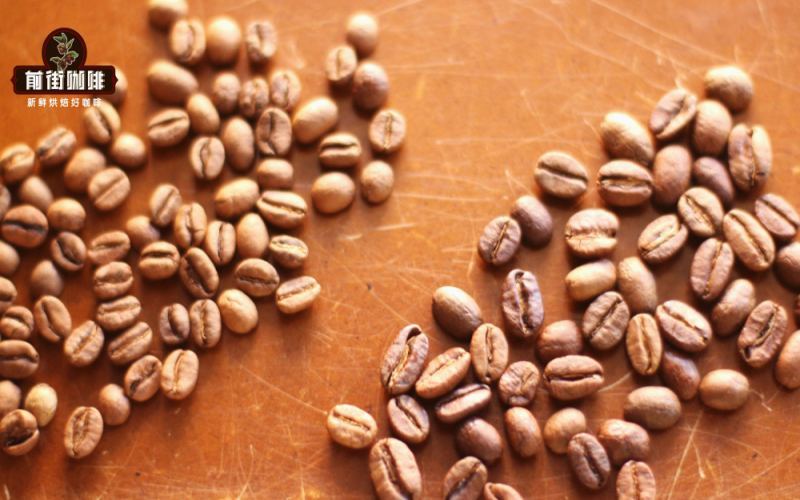
Analysis of the Origin of the Name "Huakui" Coffee and Its Producing Region Relationship with Geisha
Are Geisha coffee and Guixia coffee beans actually from the same origin? This question sparked quite a bit of discussion in the early days when Guixia rose to fame. This article will trace Geisha's journey to fame from the forests of Ethiopia to Panama's Hacienda La Esmeralda, explain the origins of the two names "Geisha" and "Guixia," and sort out the naming logic behind grading systems such as Red Label and Gold Label. At the same time, the article will also reconstruct the complete timeline of Guixia, from winning the 2017 TOH to the year-by-year updates of its version numbers, explaining the original meaning of the word "Guixia" in Japanese geisha culture and how it was mistakenly rumored to be a top-tier Geisha. Finally, Front Street Coffee will guide you through the specific differences between Guixia flavor and Geisha flavor, and offer region recommendations for getting started with Geisha. [more…]
Are Hualkui and Geisha the same coffee? Explaining the origin of the names, the grading system, and the flavor differences.
Geisha and Huakui are often lumped together, and at one point there was even a saying that "Huakui is top-tier Geisha." In fact, the two differ clearly in variety, origin, naming logic, and flavor profile. This article, from the perspective of Front Street, traces how Geisha went from the forests of Ethiopia to becoming a Panama BOP champion, and why in China it is called both "Yiji" and "Guixia"; it also revisits how Huakui rose to fame after winning TOH in 2017, and explains the origin of version numbers like "Huakui 8.0." The article also compares representative products such as Hacienda La Esmeralda Red Label and Gesha Village Gold Label, as well as the respective flavor characteristics of "Huakui flavor" and "Geisha flavor," to help coffee lovers sort out this easily confused pair. [more…]
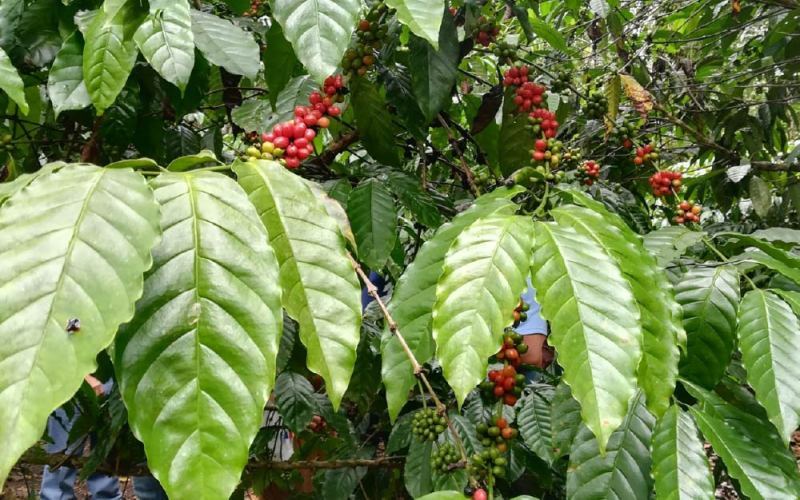
How Much Does Geisha Coffee Cost? The Origins, Flavor, and Aroma of the Authentic Geisha Variety Explained
Geisha coffee is also known in China as "艺伎咖啡" (Geisha coffee), and is a member of the Ethiopian strain within the Arabica family, originally from Africa. Although it originated in Ethiopia, it rose to fame in Panama. Interestingly, the Geisha grown today in Panama and Central and South America is actually a different variety from the native Geisha of Ethiopia. Through comparison, Front Street Coffee has found that the two differ noticeably in flavor expression. This article will take you through the history of Geisha's discovery, analyze the varietal relationship between the two major producing regions, and introduce in detail the various Geisha coffee beans currently sold by Front Street Coffee along with their flavor characteristics, providing coffee lovers with a complete guide to Geisha knowledge. [more…]
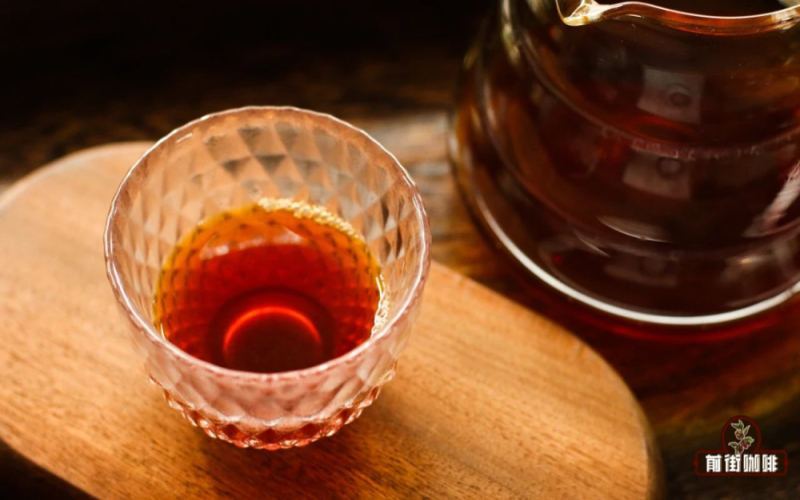
What Is Geisha SOE? A Flavor Analysis of Single-Origin Espresso from Panama to Ethiopia
Geisha coffee, often called "藝伎" (the geisha), is world-famous for its signature floral aroma and citrus notes, and is a frequent champion in major cupping competitions. The Red Label and Green Label Geisha from Panama's Hacienda La Esmeralda are considered classics, but their high price makes them hard to enjoy as an everyday coffee. For this reason, Front Street Coffee has brought in a Geisha from Ethiopia's Grana estate: the natural-process, medium-light roast shows layers of mango, dried apricot, and black-tea-like sweet-tartness; while the medium roast retains the floral and apricot flavors while intensifying the caramel notes, making it very suitable for brewing Geisha SOE. This article will walk you through the flavor characteristics of Geisha SOE and break down in detail everything from the extraction parameters for Front Street Coffee's Grana Geisha SOE to the full process of making Americano and Latte. [more…]
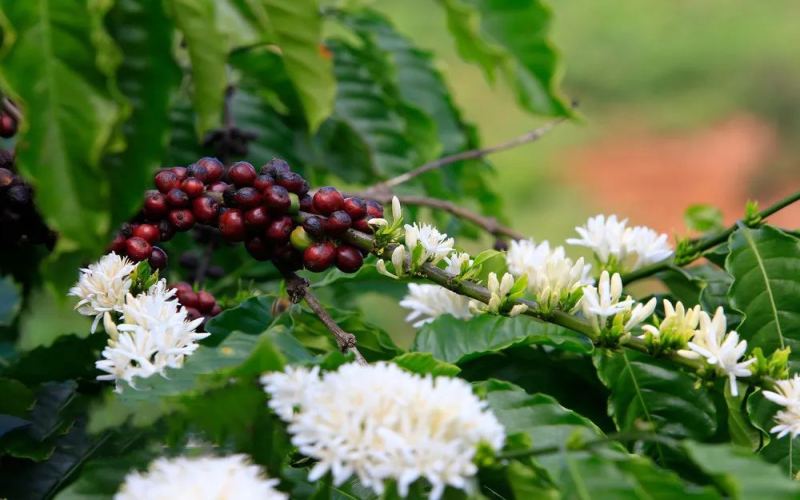
A Complete Analysis of the Geisha Coffee Variety: From Its Ethiopian Origins to Its Rise to Fame in Panama, and How Terroir Shapes Flavor Differences
Gesha (Geisha) is widely recognized in the coffee world as a legendary variety. From the wild forests of Ethiopia to the auction stages of Panama, it has conquered countless coffee lovers with its captivating floral aromas and complex fruity notes. But Gesha is not monolithic—terroir differences across producing regions cause the same variety to present strikingly different flavor profiles. From Front Street's perspective, this article systematically reviews the variety's origins and spread, compares the flavor differences between the two most representative producing regions—Panama and Ethiopia—and explains in detail Hacienda La Esmeralda's plot division and Gesha Village's grading system. At the same time, Front Street also shares the in-store pour-over parameters and extraction approach for the naturally processed Esmeralda Red Label and Gesha Village Red Label, helping you gain a more complete understanding of the tasting and brewing essentials for this precious variety. [more…]
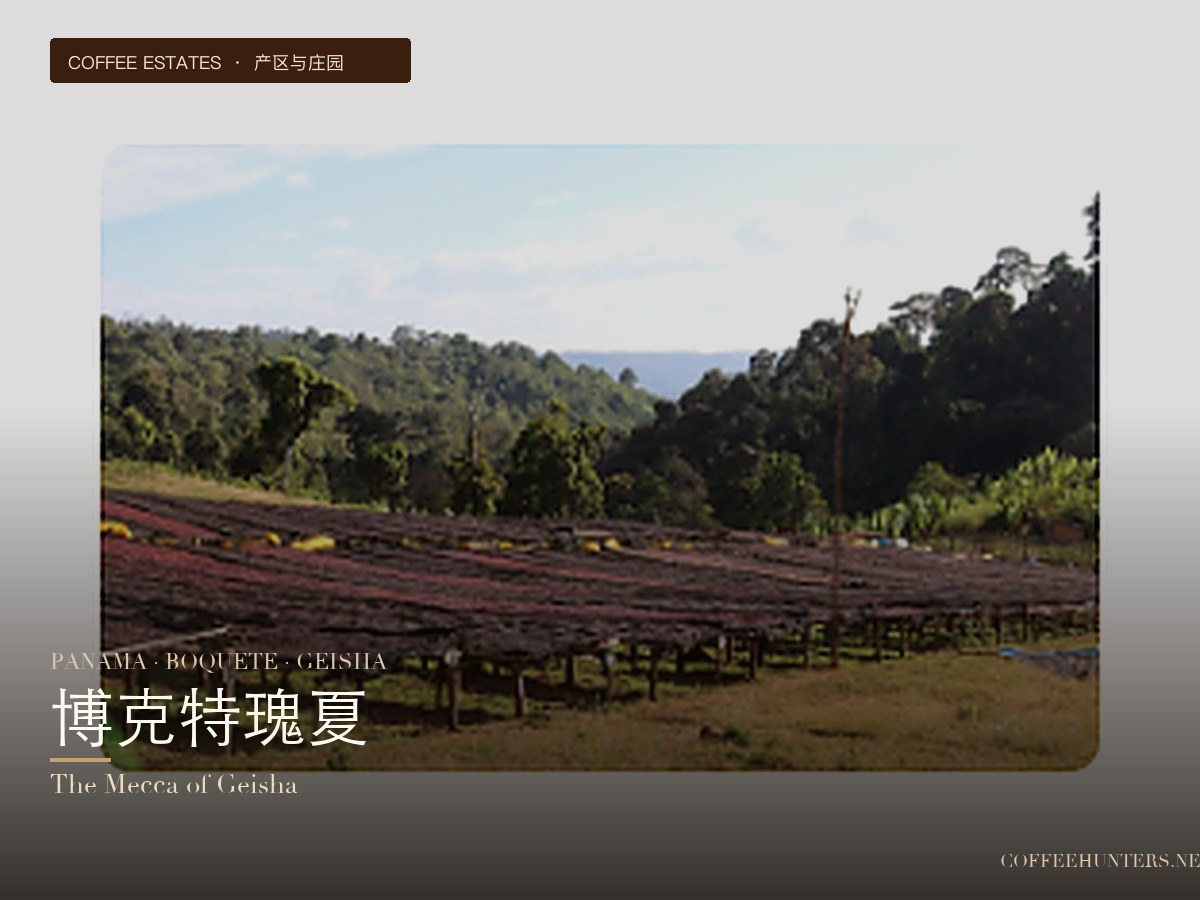
Panama · Boquete and Hacienda La Esmeralda: The Geisha Pilgrimage Site
Boquete is Panama's most famous coffee-producing region, and Hacienda La Esmeralda is the birthplace of the world's most expensive Geisha coffee. This article takes you through the geography of Boquete, the history of Geisha, the miracle of Hacienda La Esmeralda, and the mystery of Geisha's flavor. [more…]

摩卡壶煮的咖啡,兑奶按1比2算
两杯奶咖并排摆桌上,一眼就能看出门道。左边这杯颜色浅褐、边缘透亮,喝进去水水的,奶味盖过一切;右边这杯是均匀的焦糖色,入口先是牛奶的甜,接着咖啡的苦香才浮上来,尾韵还有焦糖感。差别不在牛奶,在咖啡浓度 [more…]
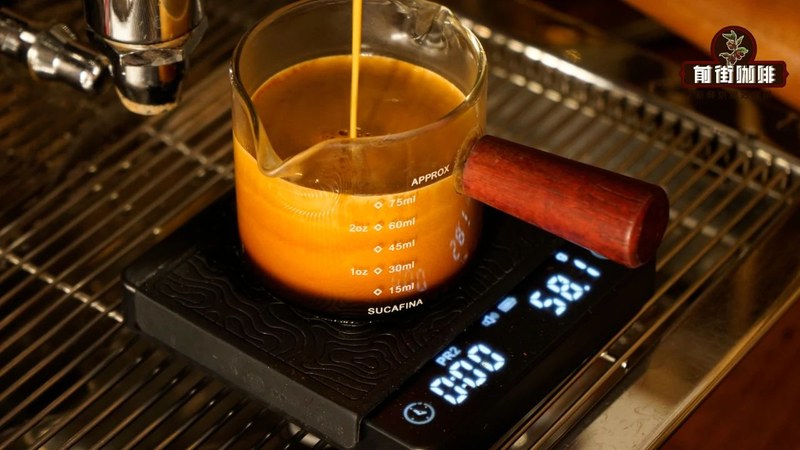
长黑咖啡与美式咖啡,倒序也不一样
两杯黑咖啡并排放在桌上,肉眼就能分出谁是谁。一杯表面浮着薄薄一层金黄油脂,像刚倒好的啤酒沫;另一杯颜色均匀,油脂早已散进水里。喝一口有油脂的那杯,香气先撞上来,苦味扎实但不寡淡。没油脂那杯更顺,像喝水 [more…]

脏脏咖啡比冰拿铁,杯量少一半
两杯摆在一起,一眼就能分出谁是谁。冰拿铁是满的,冰块顶着奶泡,吸管插进去能搅出漩涡。脏脏咖啡矮一截,液面安静,底下是白的,上面浮着一圈深褐,像没搅匀的墨水。都是咖啡加奶加冰,喝起来却是两条路。我站在吧 [more…]

美式咖啡加奶,水要减到1比3.5
两杯并排放着,一杯先倒奶再淋浓缩,一杯先倒浓缩再倒奶。肉眼上看,前者颜色匀得像太妃糖,后者顶上一圈白、底下黑得发苦。喝一口,先奶后咖啡的那杯,香气是从喉咙里反上来的;反过来那杯,头一口全是冰牛奶,喝到 [more…]

脏脏咖啡的分层,出液口要贴近奶面
两杯并排,一杯加冰拿铁奶色均匀,一杯脏脏咖啡黑白分明。拿铁喝到底味道越来越淡,脏脏咖啡每一口都在变,头一口烫嘴的浓缩混着冰牛奶,到末了几口只剩甜凉的奶。客人常问我这杯怎么做,其实关键就几个动作,做对了 [more…]
Colombian Huila Region Flor de Luna Coffee: A Complete Guide to Anaerobic Natural Processing and Pour-Over Flavor Profile
Front Street Coffee introduces the Colombia Huila region La Noche Buena coffee beans, produced using the anaerobic natural process, from the El Diviso estate, Caturra variety, at an altitude of 1,800 meters. This coffee is known for its flavors of strawberry jam, liqueur-filled chocolate, and fermented wine aroma. The article provides a comprehensive analysis of La Noche Buena's unique charm, from the terroir of the producing region, the estate's background, processing techniques, to the roasting curve and brewing parameters. Front Street Coffee has always been committed to sourcing coffee beans from different producing regions around the world, so that every enthusiast can find their desired flavor. If you favor rose floral notes, strawberry sweetness, and a cocoa finish, you might want to try this experimental La Noche Buena. [more…]
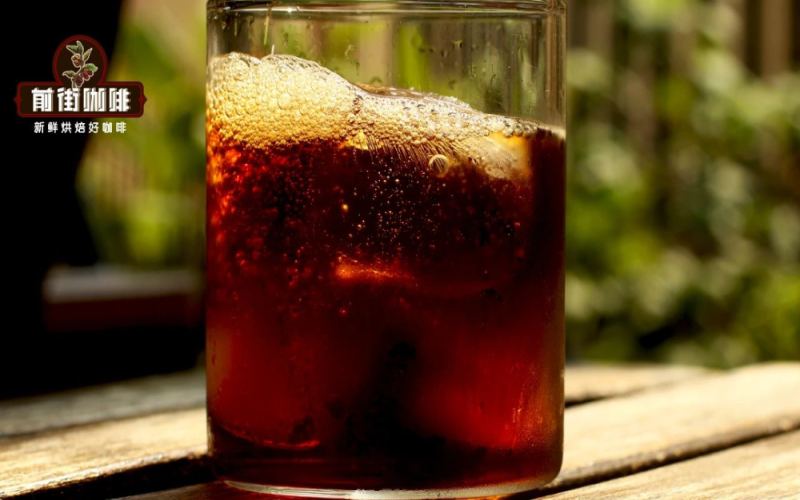
冷酿咖啡|冷萃咖啡的咖啡粉研磨多细?冷酿咖啡风味特点是什么?冷泡咖啡有多少咖啡因?喝冷萃会失眠吗?
For more specialty coffee knowledge, please follow: Front Street Coffee (Frontsteet Coffee). While researching information, Front Street Coffee (FrontStreet Coffee) discovered that the concept of cold brew coffee was proposed by Toddy Simpson, who is an American Conne [more…]
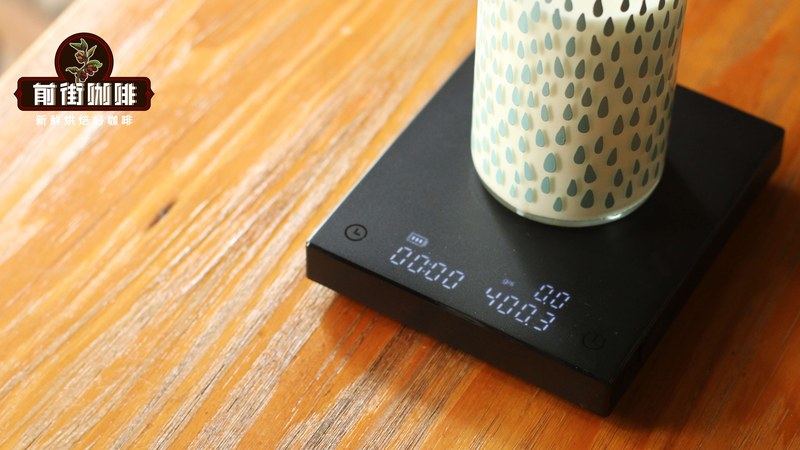
加奶的美式咖啡,甜感更明显
桌上两杯咖啡,一杯纯黑,一杯泛着浅褐。肉眼上看,后者只是多了一圈奶白在杯壁。喝下去差别却大:黑的那杯刺激感直冲天灵盖,加了奶的这杯,苦味被拢住了,甜感从舌根慢慢爬上来。不是拿铁那种奶里找咖啡的甜,是咖 [more…]
巴西咖啡产区全解,从米纳斯到巴伊亚
你要是站在我吧台前面问巴西豆怎么选,我大概会先给你倒一杯喜拉多,让你尝尝什么叫咖啡里的基础款教科书。巴西这个产国太重要了——全球产量长期位居前列,国内自己还能喝掉不少,产业链从山里一路通到港口,成熟得 [more…]
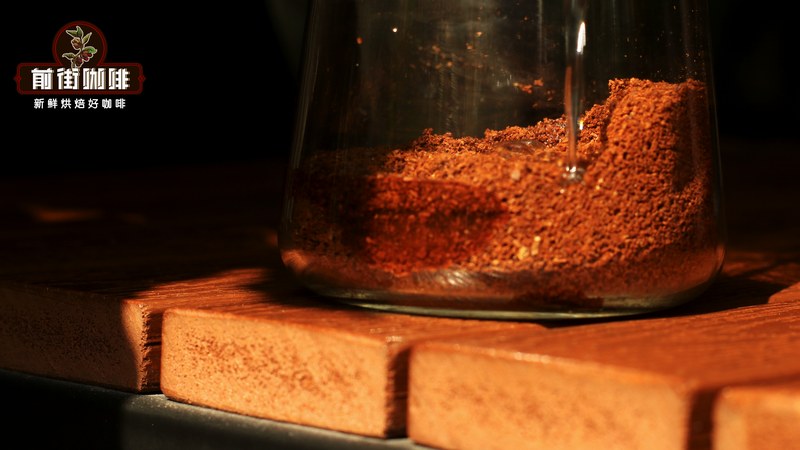
冰美式咖啡醇厚,冷萃咖啡圆润
两杯咖啡并排放在面前,一眼就能分出谁是谁。一杯表面浮着薄薄一层金棕色油脂,冰块半化不化,咖啡液还在缓缓分层;另一杯颜色浅一些,透亮得像红茶,杯壁干干净净,什么油花都没有。喝一口带油脂的,舌尖先撞上苦, [more…]

蒸汽棒打咖啡奶泡,先找漩涡再埋深
两杯奶咖并排摆桌上,肉眼就能看出门道:一杯液面像缎子似的平,只浮着薄薄一层白;另一杯鼓着厚实的奶盖,边缘高出杯沿半指。喝下去差别更大,薄的奶和咖啡搅成一体,厚的先抿到一团绵云,底下才是咖啡香。这差别不 [more…]

澳白咖啡的做法,32克浓缩配160毫升奶
两杯并排放,肉眼就能分出谁是谁。一杯奶色浅,液面高,是拿铁;另一杯咖啡底色深,液面低一圈,是澳白。喝下去差别更大:拿铁像含了一块牛奶巧克力,滑进胃里;澳白是咖啡先撞上来,牛奶只负责托住那股劲,喝完舌头 [more…]
云南咖啡产区全解,从潞江坝到孟连
你问云南豆值不值得喝,我的回答是先别急着下结论——这地方一百三十年前就开始种咖啡,中间走了不少弯路,近几年才算把精品这条路跑通。现在吧台里常备的云南豆,风味早就不是早年那种单调的苦涩了。--朱苦拉教堂 [more…]