







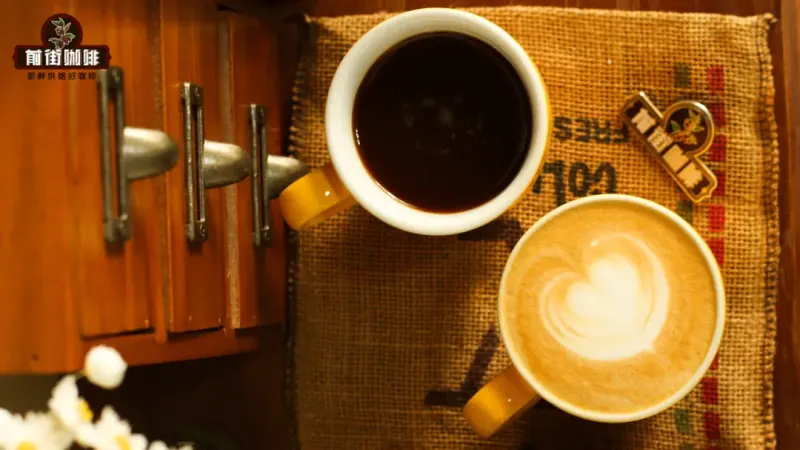
In recent years, coffee combos have become increasingly common in cafés. They split a single espresso into small portions, each made into an americano and a latte, letting customers experience multiple expressions of the same bean at once. This style of service places extremely high demands on baristas, requiring careful consideration from bean selection and extraction to ratios. Front Street's back office frequently receives questions about combo beans, espresso extraction parameters, and coffee-to-milk/water ratios. This article systematically outlines the key points for making a delicious combo, including suitable bean types, espresso extraction strategies, and water/milk addition amounts, along with Front Street's actual demonstration to help coffee enthusiasts replicate a professional-grade one-bean-two-ways experience at home or in-store.
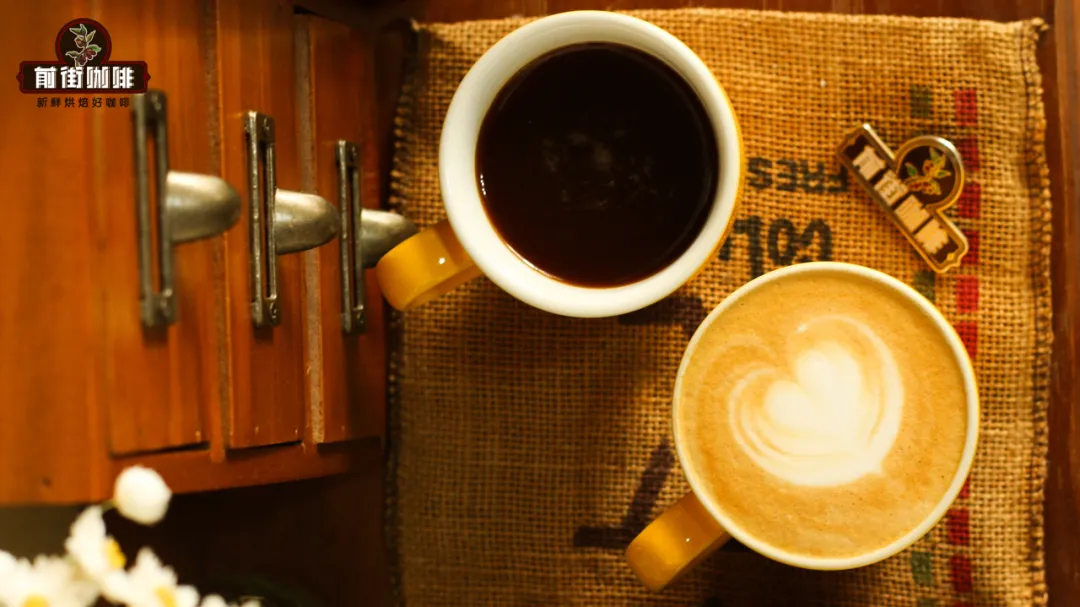
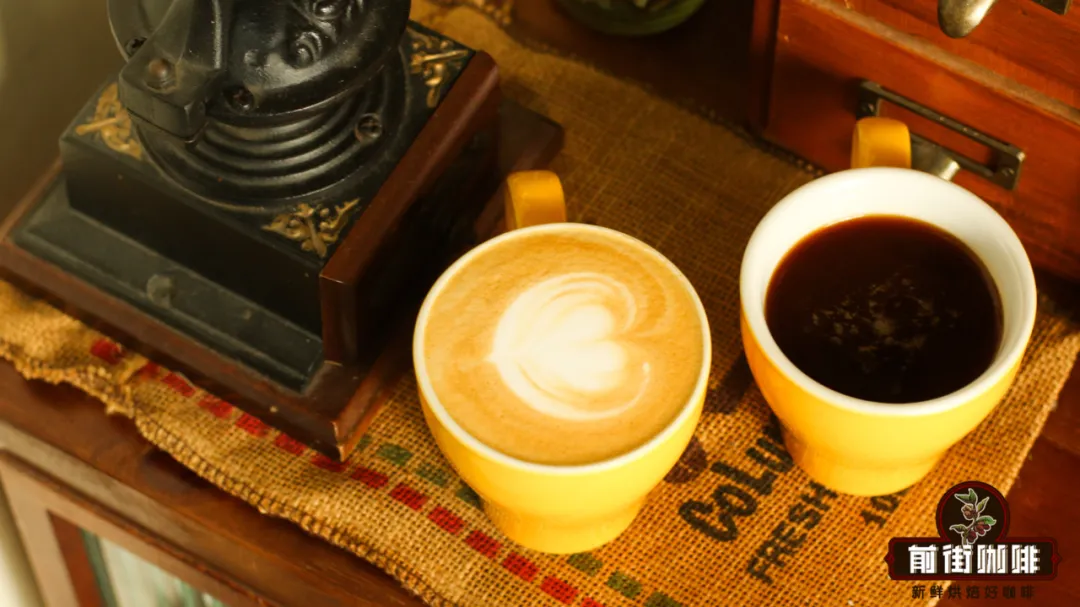
Coffee combo (combo for short) is now a very popular format in cafés. The method is to split the extracted espresso into two or three small portions, then present them as different drink combinations, allowing customers to experience the flavor differences of the same bean under multiple "cooking" methods at once.
But precisely because of this, making a combo is quite a test of a barista's skill. To make the final product both highlight the bean's character and taste great, the barista must not only choose the right coffee beans, but also reset the espresso extraction plan and adjust the ratio of coffee to milk or water.
So, Front Street's back office often receives similar questions: What beans should be used for a combo? How should the espresso be extracted? What is the ratio of coffee to milk/water? Well, today Front Street will talk about how to make a delicious coffee combo. First, a few key points to note when making a combo, and finally an actual demonstration.
What beans should be chosen for a combo?
Currently, most coffee shops serve combos in the "one black one white" form, that is, one americano plus one latte, so when choosing beans, you must consider the performance of both drinks at the same time. And finding suitable beans is not easy, because each bean has different characteristics and may not adapt to all methods.
For example, if you choose a very light-roasted, fresh-flavored bean, the americano may be refreshing and tasty, but because the flavor is not prominent enough, the latte may perform worse; conversely, some dark-roasted beans make a rich, aromatic latte, but fall short when made into an americano.
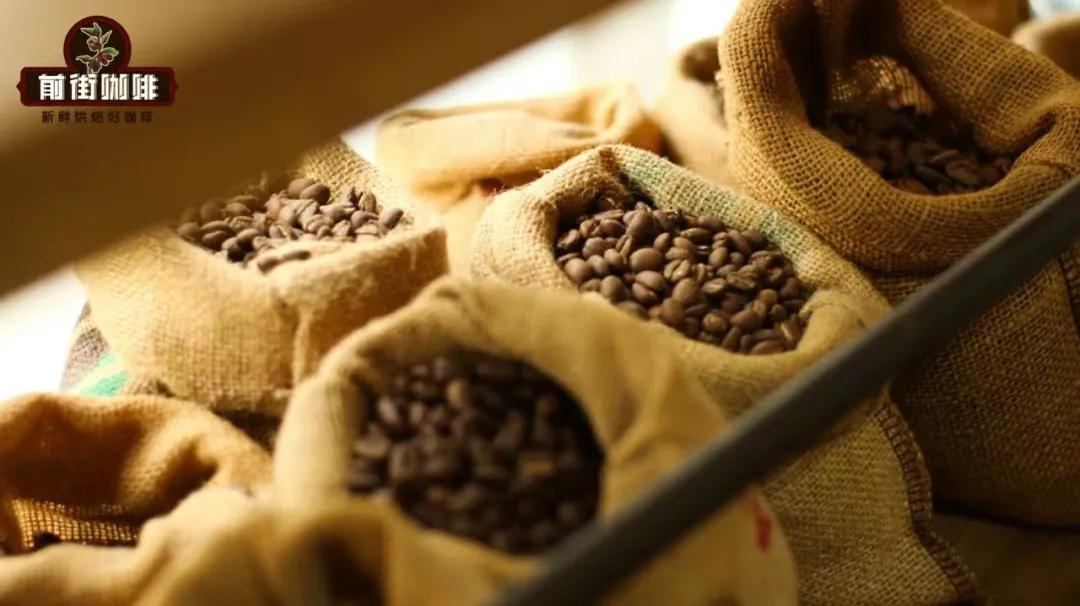
So when choosing beans, you need to find a relatively versatile, balanced and harmonious bean that can satisfy both americano and latte preparation. For one-bean-two-ways or one-bean-three-ways, the top choices are Front Street Hiru SOE, Front Street Big Belly SOE, Front Street Strawberry Candy, Front Street Mozart SOE, and Front Street Grana Geisha SOE. They all use medium roasting, with rich floral and fruity aromas, even the fermented feel of ripe fruit, and can be well displayed in different coffee preparations.
How should the espresso for a combo be extracted?
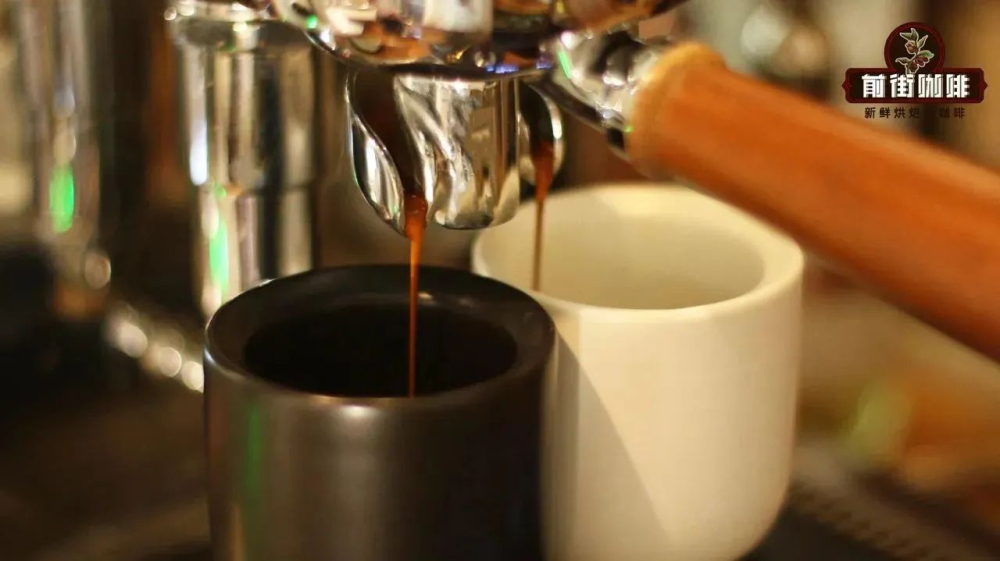
After choosing the coffee beans, the next issue is espresso extraction. Because the extracted espresso needs to be split into two or more portions to make drinks, it is best to use a slightly larger dose than usual to ensure the resulting coffee cup volume is not too small. (Unless you usually use a large dose for espresso extraction.)
There are many choices in extraction direction. If you want a larger final cup volume, extract the espresso at a conventional ratio. For example, with 22g of grounds, extracting at the conventional 1:2 ratio gives 44ml of coffee liquid.
If you want a small but intense coffee, you can choose a ristretto-style extraction: extract only 70%~80% of the original liquid weight, and the coffee concentration can be raised. But remember, this extraction method cannot use the original grind size; it needs to be adjusted finer.
How much water and milk should be added respectively?
After the espresso extraction is complete, split it into two portions (or directly use a split spout handle to skip this step), then add a certain amount of water and milk respectively to make an americano and a latte. The most critical thing here is the ratio.
Because we usually make americanos or lattes based on medium-dark or dark roast espresso, we add more water and milk to dilute the bitterness. When the coffee beans are switched to varieties with relatively less intense flavor, you can appropriately reduce the added amount to avoid excessive water or milk over-diluting the coffee's concentration and flavor.
Actual operation
The above are the key points to note when making a combo. Next, Front Street will share the parameters and process used when making its own combo.
Since the Warm Sun blend has appeared too many times, this time Front Street chose a single-origin bean to make it, and that is the anaerobically sun-dried Santa Viny! After all, there are still many coffee shops that use it for combo service. The extraction parameters are as follows: dose 22g, grounds-to-liquid ratio 1:1.2, extraction time 36s.
Prepare two 120ml coffee cups in advance.
Here at Front Street, we did not use a split spout handle to divide the flow, but instead extracted first and then distributed. When extracting yourself, it is best to still use a split spout handle, which is much more convenient.
Because there is one hot milk coffee to make, during the espresso extraction, Front Street also steamed the milk. The ratio used was 1:4, espresso 22ml, milk 90ml, milk temperature 65°C. By the way, the americano ratio is 1:3.5, espresso 22ml, 70°C hot water 80ml. After steaming is complete, you can start pouring latte art.
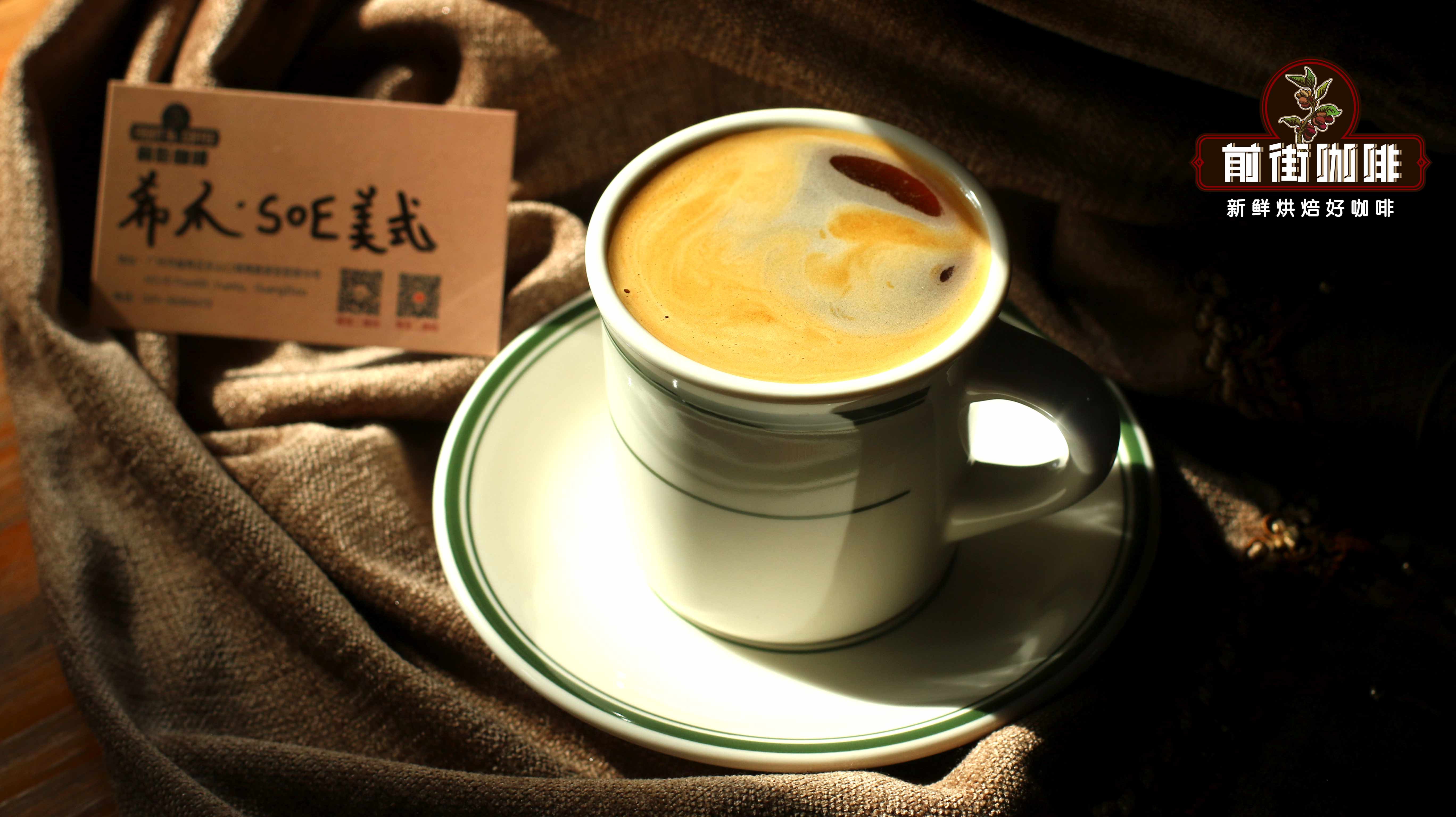
After pouring the water and finishing the latte art, you can plate the two coffees and then taste them. Front Street suggests starting with the relatively lighter-tasting americano when drinking a combo (those who know, know). Santa Viny truly lived up to expectations. The americano made with it has high sweetness, with aromas of citrus, pineapple, and a hint of red wine; the latte also performs brilliantly, with a balanced mouthfeel and obvious mango and red wine aromas. Very good.
- END -
The above content is compiled by CoffeeHunters, a coffee news website.


