







Search Results for: hot milk

What temperature should you steam milk to for a hot latte? A practical guide to temperature control, even more essential for cappuccino
As the weather turns cooler, hot milk coffee becomes the top choice for many people. The temperature at which milk is steamed not only affects the comfort of the first sip, but also directly influences the fineness of the milk foam, the durability of latte art, and how well the coffee and milk blend. If the milk temperature is too low, the milk coffee cools down too quickly; if it's too high, problems easily arise such as separation of the milk foam from the coffee liquid, a weakened milky flavor, or even a gamey note emerging. This article will focus on the milk foam temperature for hot lattes and cappuccinos, explaining why 55–65°C is the commonly used range in cafés, what changes occur in milk above 70°C, and sharing practical methods for beginners and more advanced baristas to judge milk temperature. At the same time, Front Street Coffee will also offer temperature-control recommendations for lattes and cappuccinos respectively, based on autumn and winter serving needs, to help you make consistently delicious hot milk coffee at home or in a café. [more…]

What temperature should the milk foam for a hot latte be? What temperature should a cappuccino be kept at?
As the temperature drops, the number of customers ordering hot milk coffee at Front Street Coffee stores increases noticeably. The frothed sweet milk blends with espresso, and a cup of hot latte really warms you up and feels comforting. But what is the appropriate temperature to heat milk to? What problems can excessively high milk temperature cause? And how should one judge and control the frothing temperature? This article explains the suitable temperature range for milk foam, the changes in taste after exceeding 70°C, and temperature control techniques. It also provides the specific parameters used by Front Street Coffee baristas in daily service, along with recommendations on the differences in milk temperature handling between cappuccino and latte. [more…]
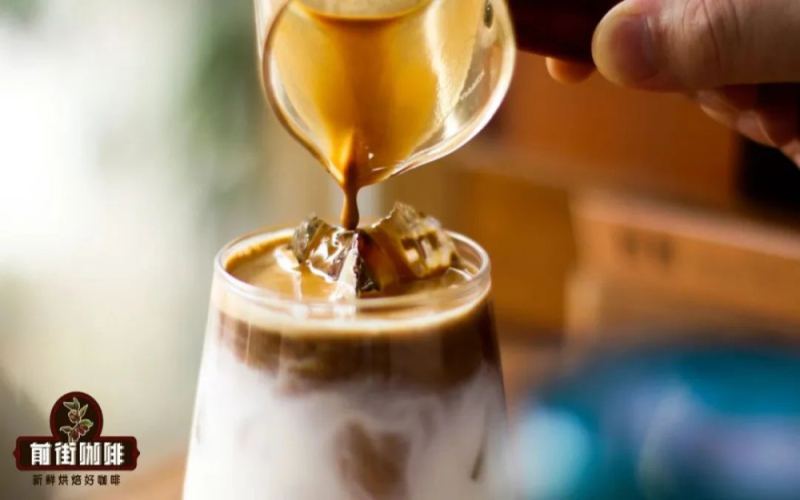
Hot Coconut Milk Latte vs. Iced Drink Flavor Differences Explained: Key Techniques for Frothing Thick Coconut Milk
Iced coconut milk lattes are sweet and smooth, but when switched to a hot drink they easily become cloying and sour, with the flavors separating—where exactly does the problem lie? Starting from the compositional characteristics of thick coconut milk, this article analyzes the principles behind fat separation, protein denaturation, and acidification reactions when it is heated, and offers a practical solution of adding milk to adjust the blend. At the same time, drawing on in-store testing, Front Street shares the suitable ratios of espresso, thick coconut milk, and fresh milk, as well as operational details such as aeration time and temperature control when steaming milk foam, to help you make a cup of hot coconut milk latte at home with harmonious flavors that is suitable for latte art. [more…]

Common Types of Italian Coffee | What Are the Classic Milk Coffee Recipes? What's the Difference Between a Latte, Macchiato, Cappuccino, and Dirty?
Espresso is a must-have beverage in every café. Many people's first impression of espresso is that it's unbearably bitter. In fact, espresso isn't limited to such bitter shots. If you want an espresso that isn't bitter and suits your taste, the first thing you need to understand is the different types of espresso. Front Street Cof [more…]
How Milk Temperature Affects Latte Art and Taste: Milk Steaming Temperatures and Drinking Tips for Lattes, Flat Whites, and Cappuccinos
After the transition into autumn and the arrival of cooler weather, hot milk coffee has once again become the mainstay of in-store orders, and the temperature to which milk is steamed directly determines the smoothness on the palate, the durability of latte art patterns, and even whether the aroma leans milky or develops a cooked-milk note. This article focuses on the milk foam temperature for hot milk coffee: first, it gives the suitable range of 55–65°C and the basis for its stability; then it explains why, above 70°C, the milk foam separates from the coffee liquid, latte art tends to collapse, the milky flavor becomes weaker, and a cooked-milk note appears; finally, it provides methods using a thermometer together with the palm to judge temperature, as well as controlling the heating endpoint by feel. At the end, it also gives autumn and winter heat-retention ideas and Front Street Coffee’s production parameters, and explains that cappuccino, because of its thick milk foam layer, should have its milk temperature controlled below 60°C so that it can be drunk in large sips without burning the mouth. [more…]

A Detailed Guide to Bean Selection and Coffee-to-Milk Ratios for Latte: Hot and Iced Recipes Plus Milk Frothing Tips
Latte is the category with the highest proportion of milk in the espresso family. Iced and hot versions each have their own operational details, but the underlying recipe logic is the same. From the perspective of Front Street, this article sorts out the historical context of latte, explains the approach to selecting espresso blend beans, and provides specific preparation parameters for hot lattes and iced lattes. The content covers the pressure, temperature, time, and brew ratio of espresso extraction, the milk frothing technique and temperature control for hot lattes, and the ice cube and milk ratio for iced lattes. It also introduces the flavor profiles of multiple espresso beans such as Front Street Strawberry Candy Espresso, helping coffee enthusiasts recreate a balanced and smooth latte at their own coffee bar. [more…]
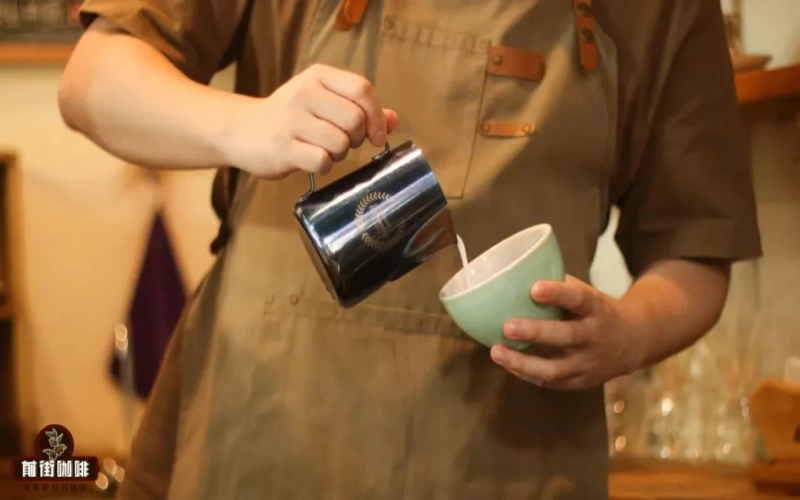
What temperature should the milk for a hot latte be controlled at? Looking at the relationship between milk frothing and taste sweetness from Front Street's actual measurements
When interviewing a barista at a café, making a hot latte is often the most common practical test, because it simultaneously examines two core skills: espresso extraction and milk steaming. And in this latte, besides the fineness of the milk foam, controlling the milk temperature is also a key scoring point. Many enthusiasts think that milk just needs to be hot enough, but this is not the case—different temperatures bring completely different mouthfeel and sweetness. Through comparing three cups of milk at 40°C, 60°C, and 75°C and their corresponding lattes, Front Street found that 55°C~68°C is the ideal range. This article will also share a method for judging the steaming temperature by feel alone without relying on a thermometer, and will retain the recommendation information for Front Street's Italian bean series. [more…]
A Guide to Pairing Latte with Espresso Beans: Iced vs. Hot Preparation Differences, Extraction Parameters, and Milk-to-Coffee Ratios Explained
Latte is the espresso drink with the highest proportion of milk, available in both iced and hot versions; the two share the same recipe but differ in operational details. From the perspective of Front Street, this article traces the historical origins of latte, explains what roast level of espresso beans should be used to make latte, clarifies why lightly roasted single-origin beans are unsuitable for espresso machine extraction, and recommends several espresso blends such as Front Street. Strawberry Candy Espresso. It also details the extraction parameters for espresso, the frothing techniques and temperature control for hot latte milk foam, the ingredient ratios for iced latte, and Front Street's recommended coffee-to-milk ratio of 1:6.5. Whether you prefer iced or hot, you'll find actionable reference solutions here. [more…]
Can iced lattes achieve latte art effects? Analyzing why hot milk is the key to latte art
The delicate latte art patterns on a hot latte are always a pleasure to behold, but why is it that an iced latte, made from the same espresso and milk, almost never features latte art? Behind this lies the science of milk foam formation, the effect of temperature on blending, and various practical limitations. Front Street Coffee has made multiple attempts at making iced milk foam, from handheld frothers to French presses, in an effort to replicate latte art on cold drinks, but the results were less than satisfactory. This article will delve into the scientific principles of latte art, compare the differences between making hot and iced lattes, and share Front Street's real experiences and final results from iced milk foam experiments. If you've ever wondered why iced lattes can't have latte art, or want to understand the challenges of making cold milk foam, this article will reveal it all. [more…]

The Complete Guide to Milk Frothing with a French Press: A Full Tutorial from Hot Cappuccino to Iced Cappuccino
The French press is not just a great tool for brewing coffee and extracting tea—it can also easily create thick, creamy milk foam, making it a wonderful helper for making cappuccinos and lattes at home. In this article, Front Street Coffee will walk you through the origins of the cappuccino's name, the difference between dry and wet milk foam, and how to make a classic hot cappuccino using espresso, hot milk, and milk foam in the traditional proportions. In addition, we'll break down in detail the French press milk-foaming method and assembly steps for iced cappuccino, and explain why most coffee shops don't sell iced cappuccinos. At the end of the article, we've included a Front Street Coffee classic espresso blend recommendation, perfect for coffee lovers who want to recreate a professional taste at home. [more…]

Drip Bag Coffee | Can Hot Milk Be Used Instead of Hot Water to Brew Drip Bag Coffee? How to Make a Delicious Latte with Drip Bag Coffee?
A reader submitted a contribution, saying they recently bought a bunch of drip coffee bags during a sale, so they wanted to brew them using different methods. Then they found a somewhat tricky approach—brewing with milk. But since they had never tried it, they were worried it might go terribly wrong, so they asked Front Street whether it was feasible. For this kind of thing that benefits coffee lovers, Front Street has always been a No p [more…]
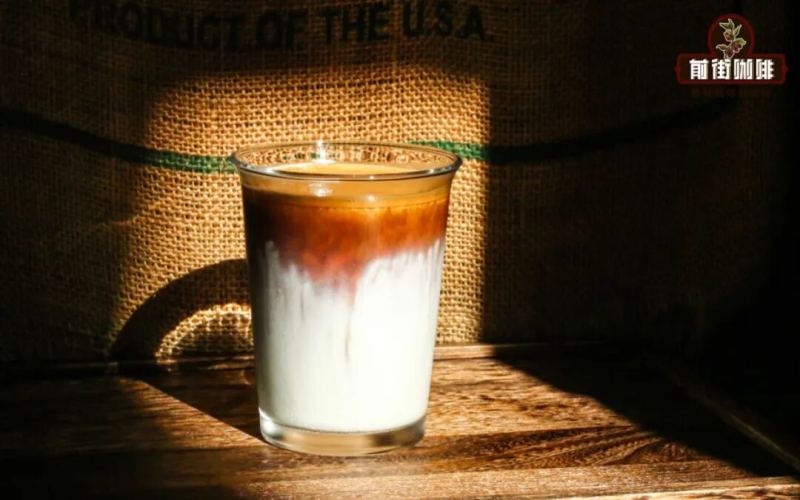
Coffee Preparation | Why don't coffee shops serve hot dirty coffee? How to make hot Dirty coffee at home? How does the taste of hot dirty differ from regular dirty?
Customer: "Boss, I'll have a Dirty!" Front Street: "Coming right up!" Customer: "Make it hot!" Front Street: "..., sorry, we don't have that. Dirty isn't made hot..." In the daily life of a coffee shop, this kind of exchange is a common occurrence. Because the ingredients for making a Dirty [more…]
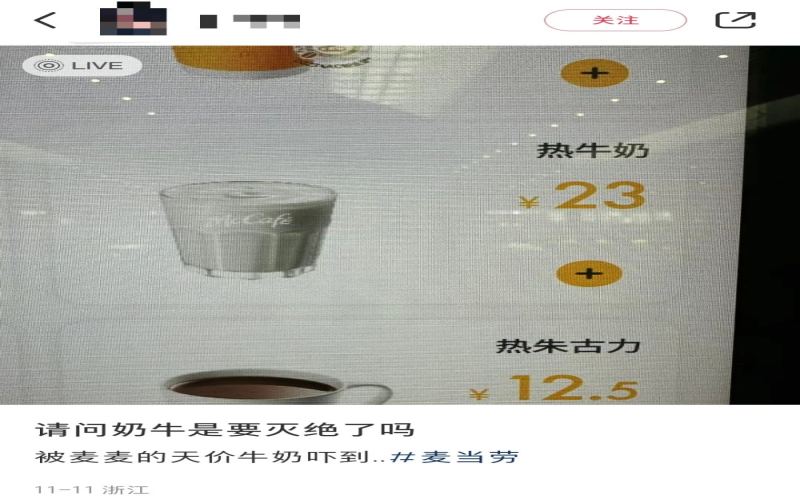
McDonald's hot milk priced at 23 yuan sparks heated discussion, with pricing at high-speed rail station outlets and differences in milk sources becoming the focus
Recently, the topic of a cup of hot milk costing 23 yuan at McDonald's trended on Weibo, jokingly dubbed by netizens as a "milk assassin." The incident originated from a complaint by a netizen on social media on November 11, which subsequently sparked widespread discussion. Some netizens shared experiences of witnessing staff opening low-priced pure milk and heating it for sale in stores, while others believed that pricing in special commercial districts like high-speed rail stations is inherently higher. Upon inquiry, McDonald's official mini-program shows that this milk comes in large, medium, and small cups, priced at 23 yuan, 19 yuan, and 15 yuan respectively, and the milk sources used in stores across different cities also vary. As coffee enthusiasts, we might as well use this incident as a starting point to discuss the pricing logic and milk source choices of chain restaurants. [more…]

Can Drip Bag Coffee Be Brewed Directly with Milk? Testing the Correct Method for Milk Extraction of Drip Bag Coffee and Alternatives
Drip bag coffee has always been primarily brewed with hot water, but many coffee enthusiasts want to use milk to directly brew a latte. Milk's extraction ability is far inferior to hot water, and after heating, the proteins and lactose undergo changes, so directly applying conventional methods clearly won't work. Front Street once conducted a dedicated experiment: first bloom with hot water, then inject 75°C hot milk in two stages, and prioritize medium-dark roasted drip bags, such as Bird of Paradise, Queen's Estate, Golden Mandheling, Huilan, etc. If you prefer fruity acidity, Sipr, Big Belly Button, and Strawberry Candy are also good choices. However, testing revealed that after milk contacts the coffee, the fine particles swell and easily clog the filter bag, taking nearly 20 minutes in total, which contradicts the convenience that drip bags are meant to offer. This article will fully present this experiment and share a more effortless iced milk cold brew method, allowing you to easily achieve latte freedom. [more…]

Making a rich, sweet hot latte at home: a complete guide from choosing milk and beans to pulling the espresso
As the weather turns cooler, a warm, sweetly fragrant hot latte becomes many people's go-to daily choice once again. But many friends always run into the same problems when recreating it at home: the latte they make either has bitterness that steals the show, or has such a heavy milk flavor that it overwhelms the coffee aroma, making it hard to achieve the balanced, rich, and sweet taste found in cafés. In fact, a delicious hot latte is not just a simple mix of espresso and milk—bean selection, milk choice, extraction, and ratio all directly affect the final flavor. This article will start from two dimensions—ingredient selection and the production process—to sort out the key ideas for making a balanced, rich hot latte at home, including the roast level and blending direction of coffee beans suitable for milk coffee, the logic of pairing milk with beans, reference formulas for espresso extraction, and methods for adjusting the ratio of milk to coffee, helping you find your own golden recipe at home. [more…]

Why Is Iced Cappuccino Rarely Seen? A Full Analysis from Naming Origins to Milk Foam Craft and Differences from Latte
People often ask for an iced cappuccino when ordering, only to be told that only the hot version is available. This has both historical roots and involves considerations of crafting technique and taste experience. The name cappuccino comes from Italian and is related to the color and shape of church robes; the traditional recipe consists of equal thirds of espresso, hot milk, and hot milk foam. Milk foam is also divided into dry and wet types, affecting the durability of the design and the mouthfeel. To meet diverse needs, chain coffee shops add whipped milk foam on top of an iced latte, but the taste differs noticeably from a hot cappuccino enjoyed in-house. This article will also introduce practical methods for making iced milk foam using a nitrogen canister, gelatin sheets, or a French press, and explain the core differences between cappuccino and latte in ratio and flavor, while preserving relevant suggestions from Front Street Coffee. [more…]

Key Points for Making a Latte | What Milk Froth Temperature Is Suitable for an Espresso Latte? How Can Coffee Beginners Control the Steaming Temperature of Coffee and Milk?
As the temperature drops, more and more customers at Front Street Coffee shops are ordering hot milk coffee. The steamed sweet milk blended with espresso creates a cup of smooth, fragrant hot latte that truly brings a lot of warmth. To keep the hot latte from cooling down too quickly after serving, some friends steam the milk to a higher temperature. At this point, getting the milk temperature just right is especially important. [more…]
Can you brew drip bag coffee directly with milk? Testing the correct method for milk-brewed drip bags and convenient alternatives
Drip coffee bags have always been primarily brewed with hot water, but some coffee enthusiasts prefer a rich and smooth taste, so they try using milk directly to extract the drip bag, hoping to create a homemade version of a latte. Can milk really replace hot water to complete the extraction? Front Street found through actual testing that due to the high protein and lactose content in milk, its extraction capacity is far inferior to hot water. If the conventional drip bag brewing method is directly applied, it often results in a cup of coffee with a weak flavor or even sourness. To compensate for this deficiency, Front Street tried a method of first blooming with hot water, then injecting heated milk in stages, and provided bean selection suggestions for different roast levels. However, the test results showed that after the milk comes into contact with the coffee grounds, the fine particles swell and clog the filter bag, and the entire process takes up to twenty minutes, which is far from the original intention of the convenience of drip bags. So, what other more convenient options are there for those who want to drink drip bag milk coffee? This article will reveal them all. [more…]

Why Is Iced Cappuccino So Hard to Find? A Detailed Explanation of Espresso-to-Milk Ratios and the Differences Between Iced and Hot Preparation Methods
When ordering at a café, many customers notice that iced cappuccino isn't on the menu, and may even be told by the barista that "cappuccino isn't made iced." Behind this are both flavor considerations and the cumbersome production process. Starting from real conversations at Front Street Coffee's physical stores, this article analyzes the two core characteristics of hot cappuccino—thick milk foam and rich coffee flavor—and, using the classic blend as an example, discloses the complete parameters: 20g of grounds extracted into 40ml of espresso, 140–150ml of refrigerated milk whipped into 3cm of milk foam, and a milk temperature of 65°C. It also compares the similarities and differences between iced cappuccino and iced latte, explaining why iced milk foam is time-consuming and labor-intensive yet struggles to improve the taste, as well as the改良 attempts some cafés make by dusting cocoa powder or substituting cream. [more…]

How to Make a Delicious Latte: A Full Analysis of Espresso Extraction, Coffee-to-Milk Ratios, and Hot and Cold Preparation Techniques
Whether a latte tastes good depends decisively on the extraction quality of the espresso and the ratio of coffee to milk. This article focuses on making latte coffee, breaking down the key steps one by one, from choosing Italian blend beans and the extraction parameters for single and double espressos, to the specific methods for hot and cold lattes. The article also provides detailed guidance on milk frothing temperature control, steam wand operation techniques, and recommends a 1:6 coffee-to-milk ratio. It also retains the complete product information and flavor description of Front Street Coffee's classic blend, making it a useful reference for coffee enthusiasts who want to consistently reproduce cafe-quality results at home. [more…]